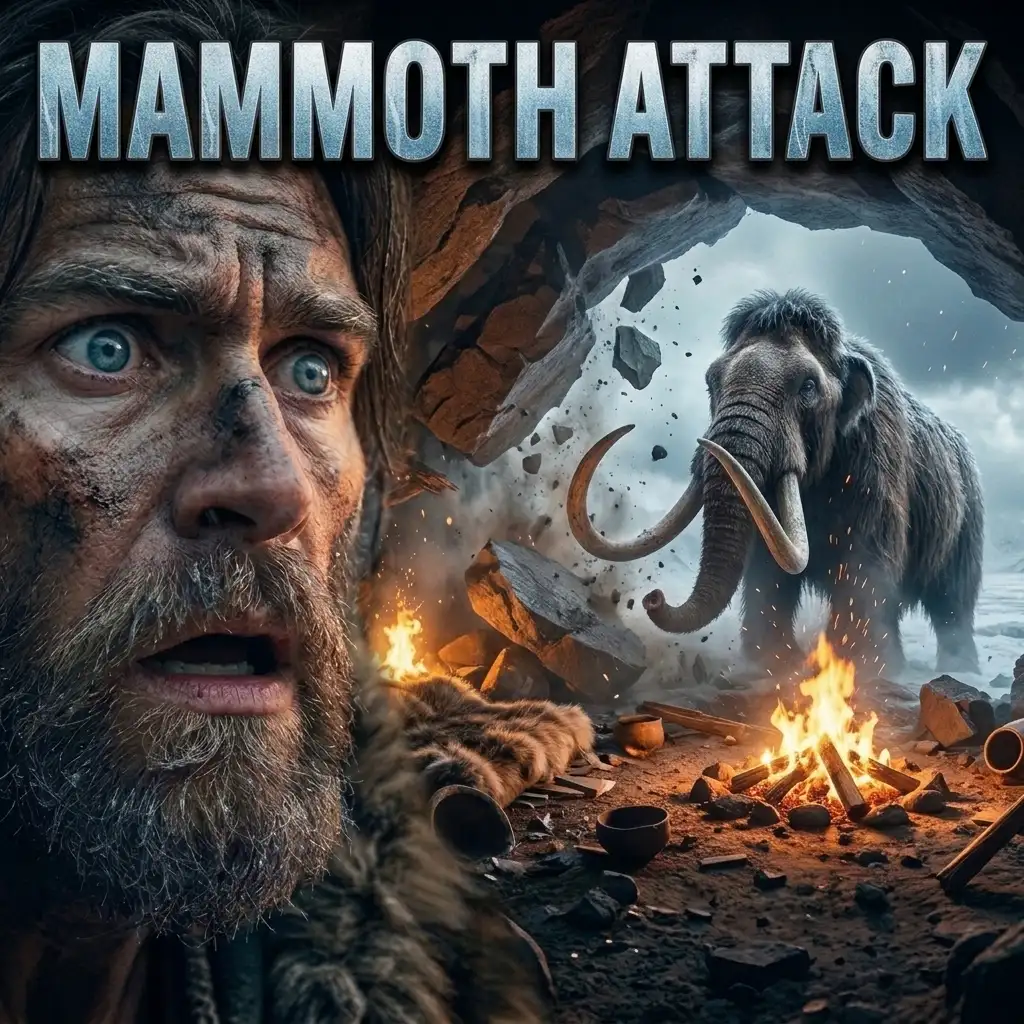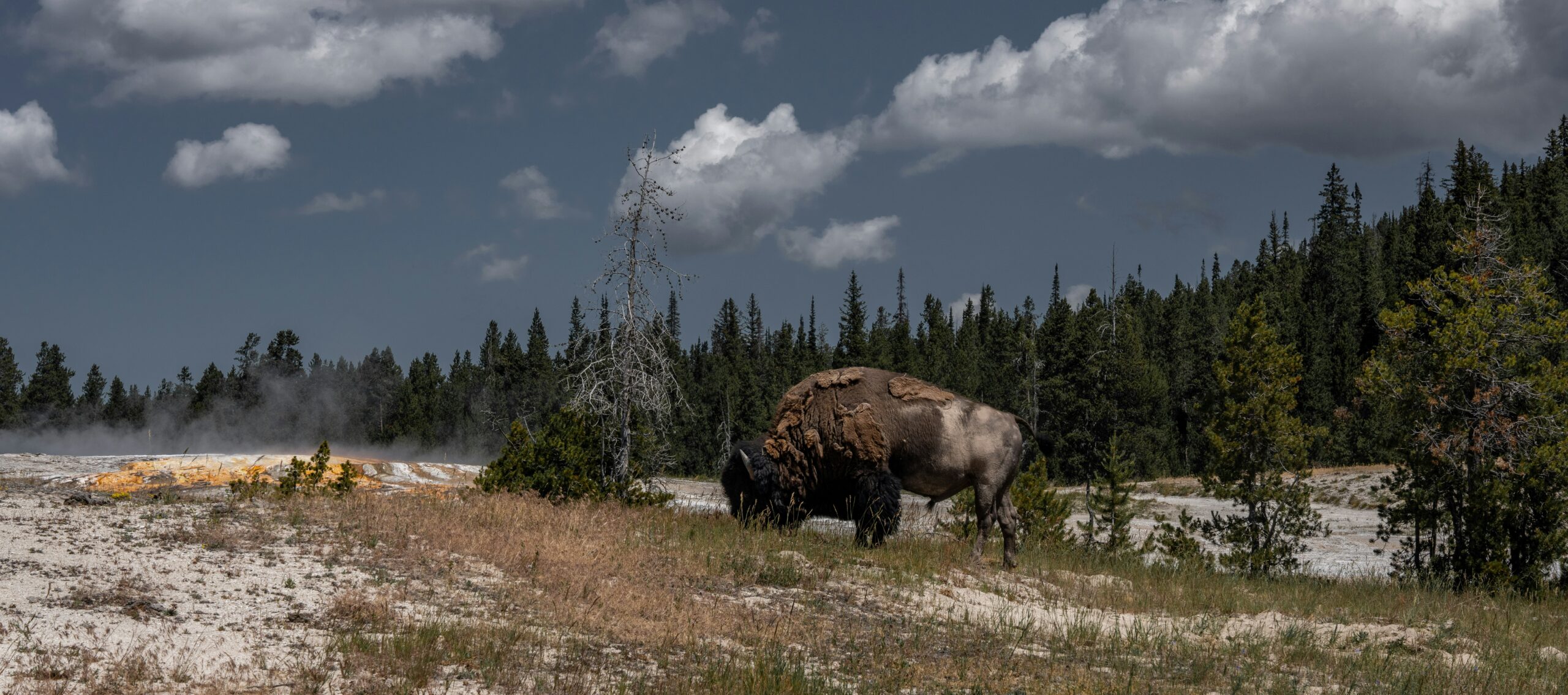
The whispers of the Pleistocene epoch, a time of colossal beasts and unforgiving landscapes, are rarely brought to the screen with the raw fidelity that modern documentary filmmaking promises. Yet, unseen footage and unshared narratives from the making of groundbreaking nature documentaries offer a unique lens into the immense challenges and triumphs of bringing these ancient worlds to life. This article delves into the untold lore behind some of the most ambitious attempts to depict survival during this epoch, exploring the dedication, scientific rigor, and sheer perseverance required to reconstruct a lost world. From the meticulous excavation of fossil sites to the painstaking recreation of extinct megafauna, the stories behind these productions are as epic as the eras they portray.
The Echoes of Frozen Earth: Recreating the Pleistocene Canvas
The Pleistocene, often dubbed the “Ice Age,” was a period defined by its dramatic climatic shifts, vast ice sheets, and a diverse, often terrifying, array of life. Documenting this era is not simply a matter of observing present-day fauna; it demands a profound act of imaginative reconstruction, grounded in rigorous scientific evidence. Filmmakers and scientists have, for decades, grappled with the immense task of bringing this vanished world into vivid focus for audiences. The true stories often lie not just in the polished final product, but in the arduous journeys taken to gather the foundational knowledge and the innovative techniques employed to translate that knowledge into compelling visual narratives.
Unearthing the Foundations: The Paleontological Dig as a Cinematic Prologue
Before a single frame of footage can be shot, the bedrock of any Pleistocene documentary lies in the tireless work of paleontologists. These individuals are the true excavators of ancient lore, unearthing the fossilized remains that serve as the primary evidence for the creatures and environments of the epoch. The process of excavation is often a painstaking, multi-year endeavor, involving teams of scientists braving remote and often inhospitable locations. From the windswept plains of the American West to the permafrost-laden tundra of Siberia, each unearthed bone, each fossilized footprint, is a vital clue in the grand puzzle of Pleistocene life.
The lore surrounding these digs often involves tales of near-misses, serendipitous discoveries, and the sheer physical toll of the work. Imagine teams battling blizzards to reach a promising fossil bed, or painstakingly chipping away at rock for weeks to reveal a complete mammoth skeleton. These are not mere scientific exercises; they are heroic expeditions into the deep past. The documentary “Mammoth: The Ice Age Giant,” for instance, famously documented a team working for years to excavate a near-perfectly preserved woolly mammoth from the Siberian permafrost. The raw footage from these digs, often discarded or relegated to archival footage, reveals the mud-caked faces, the hushed excitement of discovery, and the sheer determination that fuels this scientific pursuit. The challenges extend beyond the elements; the sheer volume and fragility of fossils require specialized handling and transport, often involving complex logistical operations in areas with little infrastructure. The dedication of these paleontologists, their intimate knowledge of geological strata and fossil identification, forms the essential narrative thread that allows filmmakers to even begin to envision the Pleistocene.
The Cartographers of Extinction: Mapping a Lost World with Geoscience
Beyond the individual fossils, understanding the Pleistocene requires a comprehensive grasp of its vast and dynamic landscapes. Geoscience plays a crucial role in reconstructing the environmental context in which these ancient creatures lived and died. This involves analyzing ice cores for climatic data, studying sediment layers to understand ancient river systems and vegetation, and mapping the extent of glacial formations. The visual representation of these landscapes in documentaries is often the result of sophisticated scientific modeling and interpretation, born from years of research in the field.
The untold stories here often involve the collaborative efforts between geologists, paleoclimatologists, and filmmakers. Imagine the process of translating complex data into visually arresting panoramas. This could involve using LIDAR scans to map ancient topography, or employing advanced CGI to depict the shifting coastlines and glacial retreat that characterized the epoch. Documentaries such as “When the Earth Roared” (a fictional documentary title for illustrative purposes) sought to portray the dramatic changes in landscape brought about by glacial meltwater floods. The behind-the-scenes lore would likely detail the extensive use of satellite imagery, geological surveys, and the input of numerous scientists to accurately depict the power and scale of these events. The process of creating these digital landscapes is a feat of scientific visualization, transforming abstract data into tangible environments that can then be populated with reconstructed life. The challenges are significant: how does one accurately represent the atmospheric conditions of the Pleistocene, or the types of vegetation that dominated a particular region? These questions are answered through a deep engagement with scientific literature and direct collaboration with experts.
In exploring the fascinating survival strategies of species during the Pleistocene Epoch, one can draw intriguing parallels to the themes presented in the article “The River: Engine Powering the Two Crowns.” This piece delves into the intricate relationships between ecosystems and the resilience of life forms, much like the adaptations seen in prehistoric animals as they navigated the challenges of their environment. To learn more about these connections and the broader implications of survival in changing landscapes, you can read the article here: The River: Engine Powering the Two Crowns.
Breathing Life into Bone: The Art and Science of Paleo-Reconstruction

Once the fossil evidence is gathered and the ancient landscapes are mapped, the next monumental task is to bring the extinct inhabitants of the Pleistocene back to life. This is where the intersection of paleontology, zoology, and cutting-edge visual effects truly ignites the imagination, and where the most compelling, often hidden, narratives of documentary filmmaking emerge.
Sculpting the Giants: From Skeletal Frameworks to Flesh and Blood
The process of recreating extinct animals is a multi-disciplinary endeavor that pushes the boundaries of scientific imagination. It begins with the skeletal structure, where paleontologists meticulously piece together fragmented bones to understand the animal’s size, proportions, and biomechanics. This skeletal blueprint then becomes the foundation for zoologists and paleo-artists to infer muscle mass, skin texture, and coloration. The process is iterative, with constant feedback loops between scientific interpretation and artistic rendering.
The lore surrounding these reconstructions is rich with anecdotes of scientific debate and creative problem-solving. Consider the ongoing discussions about the coloration of extinct animals like the saber-toothed cat. Was it striped, spotted, or a uniform color? Documentary filmmakers often have to make educated guesses based on comparative anatomy and fossil evidence, and these choices are the subject of intense scientific scrutiny. The documentary “Saber-Tooth: Predator of the Ice” (again, a fictional title for illustrative purposes) might reveal the extensive research that went into determining the muscle structure and hunting mechanics of Smilodon fatalis. This would involve detailed studies of extant predatory mammals, the analysis of fossilized muscle attachment points, and even biomechanical simulations to understand how the animal moved and attacked. The ultimate goal is to move beyond static skeletal reconstructions to a dynamic, believable portrayal of a living creature, a process that often involves extensive digital modeling and animation.
Animating the Unseen: The Digital Resurrection of Pleistocene Fauna
Modern filmmaking techniques have revolutionized the way extinct creatures are brought to the screen. Computer-generated imagery (CGI) allows for the creation of incredibly lifelike animations, capable of depicting the nuanced movements, behaviors, and interactions of Pleistocene fauna. However, the “untold lore” here lies in the immense computational power, the skilled animators, and the constant scientific consultation required to ensure these digital creations are as scientifically accurate as possible.
The documentary “Giants of the Savannah: Pleistocene Edition” (fictional title) might showcase the challenges of animating the lumbering gait of a giant ground sloth or the powerful charge of a woolly rhinoceros. This would involve motion capture data from modern animals, combined with the skeletal and muscular reconstructions to create realistic movement. The lore would certainly include tales of animators spending countless hours refining the sway of a mammoth’s trunk or the subtle flick of a dire wolf’s tail. The scientific accuracy is paramount; filmmakers must work closely with paleontologists to ensure that the depicted behaviors – hunting strategies, social interactions, reproductive cycles – are plausible based on the available evidence. The use of sophisticated physics engines to simulate the weight and interaction of these massive creatures adds another layer of complexity and realism. The unseen labor involved in these digital recreations is staggering, often requiring teams of hundreds of artists and technicians working for years to achieve the final, seamless integration of these extinct animals into their reconstructed environments.
The Human Element: Surviving the Age of Giants
While the megafauna often dominate the narrative of the Pleistocene, the story of human survival during this epoch is equally compelling. The lore surrounding early hominin interactions with this formidable environment, and the ingenuity they displayed, is a crucial, often under-explored, aspect of Pleistocene documentaries.
In exploring the fascinating survival strategies of species during the Pleistocene epoch, one might find it intriguing to consider how ancient cartography has influenced our understanding of prehistoric environments. For instance, the Piri Reis map offers a glimpse into the knowledge and navigational skills of ancient civilizations, which can shed light on how early humans adapted to their surroundings. To delve deeper into this topic, you can read more about it in this article on ancient cartography and modern science.
The Hunter-Gatherer’s Gauntlet: Strategies for Survival in a Perilous World
Early humans were not apex predators; they were often the hunted, surviving by their wits, their social cooperation, and their developing tool technologies. Documentaries often focus on the hunting prowess of early humans, but the daily struggle for survival, from finding food and shelter to avoiding predators, is a more comprehensive and perhaps more relatable story.
The untold narratives from productions like “Out of Africa: The Ice Age Migration” (fictional title) would undoubtedly highlight the immense challenges faced by early human groups. Imagine footage of a small band of hominins struggling to make fire in sub-zero temperatures, or painstakingly tracking prey while constantly being on alert for larger, more dangerous carnivores like cave lions or short-faced bears. The documentary lore might include stories of the meticulous research into early hominin tool use, the experimental archaeology undertaken to replicate stone tools, and the anthropological studies of modern indigenous groups to infer potential social structures and survival strategies. The constant threat of predation is a recurring theme, and the films often depict tense encounters where human ingenuity and group cohesion were the only things standing between survival and extinction. The research into early human diets would also be a significant undertaking, analyzing fossilized remains of food sources and the microscopic wear on hominin teeth.
The Ingenuity of the Dawn: Tools, Shelter, and Social Bonds
The development of tools, the creation of shelters, and the formation of strong social bonds were critical for human survival during the Pleistocene. Documentaries often touch upon these aspects, but the intricate details and the sheer ingenuity involved are often lost in the broader narrative.
The hidden lore would illuminate the dedicated efforts of archaeologists to understand the evolution of lithic technology, from simple hand axes to more sophisticated projectile points. Productions might have extensive behind-the-scenes segments demonstrating the painstaking process of flintknapping, showcasing the skill and knowledge required to craft effective hunting and butchering tools. Similarly, the construction of early shelters, whether simple rock overhangs or more elaborate constructed dwellings, would be a subject of intense study. The documentary “Cave Dwellers: A Pleistocene Chronicle” (fictional title) might feature archaeologists exploring ancient hearth sites, analyzing bone fragments to understand diet, and reconstructing the spatial organization of early human settlements. The importance of social bonds, of cooperation and shared knowledge within these small groups, is a narrative thread that is often implied but rarely fully explored. The lore would likely reveal the reliance on ethnographic studies of modern hunter-gatherer societies to infer the complex social dynamics and the crucial role of communication and collective action in navigating the harsh realities of the Pleistocene.
The Ethical Compass: Depicting Extinct Life Responsibly
The power of visual media to shape public perception means that documentaries about the Pleistocene carry a significant ethical responsibility. The desire to entertain and engage must be balanced with the imperative to present scientifically accurate and respectful portrayals of extinct life and early human history. The untold lore often lies in the difficult decisions made by filmmakers to uphold this ethical compass.
The Line Between Spectacle and Science: Avoiding Sensationalism
The allure of the Pleistocene is its inherent drama – the size of the animals, the ferocity of predators, the harshness of the environment. However, this can easily lead to sensationalism, where scientific accuracy is sacrificed for the sake of dramatic effect. The true stories behind responsible Pleistocene documentaries often involve the constant struggle to maintain scientific integrity amidst the pressures of commercial filmmaking.
The documentary “Prehistoric Predators: Myth vs. Reality” (fictional title) would likely contain behind-the-scenes discussions about avoiding common misconceptions and sensationalized portrayals of animals like the Tyrannosaurus Rex (though primarily Cretaceous, the public association with prehistoric beasts is relevant) or the saber-toothed cat. Filmmakers often have to push back against the temptation to depict unrealistic hunting scenarios or exaggerate the aggression of these animals. The lore would include instances where scientific advisors had to step in to correct inaccuracies, or where entire sequences were re-shot to ensure they adhered to current scientific understanding. This commitment to accuracy extends to the portrayal of early humans; avoiding stereotypes or romanticizing their existence is a constant challenge. The ethical considerations are not merely academic; they have a direct impact on how audiences understand our planet’s deep past and our place within it.
The Future of Paleo-Documentary: Innovation and Education
As technology advances and our understanding of the Pleistocene deepens, the future of documentary filmmaking in this field holds immense promise. The untold lore of future productions will undoubtedly be shaped by new innovations in scientific research and filmmaking techniques, with a continued emphasis on education and responsible storytelling.
The next generation of Pleistocene documentaries will likely benefit from advancements in paleogenomics, which allows for the extraction and analysis of ancient DNA. This will provide unprecedented insights into the evolutionary relationships, diet, and even appearance of extinct species. The lore of future productions might involve the ethical considerations surrounding the de-extinction debate, or the use of sophisticated AI to reconstruct lost ecosystems with even greater fidelity. Furthermore, the increasing accessibility of virtual and augmented reality technologies opens up new avenues for immersive storytelling, allowing audiences to experience the Pleistocene in ways previously unimaginable. The ongoing collaboration between scientists and filmmakers will be crucial in ensuring that these advancements are used to educate and inspire, rather than to mislead. The untold stories of tomorrow will be those of groundbreaking scientific discoveries translated into powerful and responsible visual narratives, continuing the legacy of bringing ancient epochs to vivid life.