The stark beauty of a snow-covered landscape can quickly transform into a terrifying backdrop when a child goes missing. The soft blanket of white, while picturesque, presents unique and significant challenges for search and rescue operations. Understanding these challenges and employing effective strategies is paramount to bringing lost children home safely. This article delves into the critical aspects of tracking missing children in snowy environments, offering practical tips and insights for effective search and rescue efforts.
The unique conditions of a snow-covered terrain can dramatically impact visibility, sound, and the ability to track physical evidence. Temperature fluctuations, the depth of the snow, and the presence of wind can all influence the search’s duration, difficulty, and ultimate success. Therefore, a well-prepared and adaptable approach, informed by specialized knowledge, is essential.
Understanding the Snow Environment and Its Impact
The presence of snow fundamentally alters the dynamics of a search and rescue operation. It’s not simply a matter of covering more ground; the very nature of the environment dictates the tactics and tools employed. Understanding how snow affects visibility, scent, sound, and the preservation of evidence is the first crucial step in any successful winter search.
Visual Obscuration and Reduced Visibility
Snowfall itself is a primary culprit in obscuring vision. Heavy flurries can drastically reduce visibility to mere feet, making it challenging for both ground teams and aerial assets to survey large areas. Snow can cling to trees, rocks, and structures, creating a uniform white canvas that can camouflage a small, stationary child. The glare from sunlight reflecting off the snow can also be disorienting and fatiguing for searchers.
Beyond active snowfall, residual snow cover can significantly alter the landscape. Familiar landmarks might be hidden or reshaped by drifts. Even a seemingly clear day can present difficulties if the snow is deep and unbroken, offering few visual cues. The contrast between a child’s clothing and the snow is often minimal, especially if the child is wearing lighter colors.
Auditory Dampening and Sound Distortion
Snow acts as a natural sound absorber. Heavy snow cover can muffle sounds, making it harder for searchers to hear calls for help or the cries of a distressed child. Conversely, in certain conditions, like during a blizzard, wind can carry sounds erratically, making it difficult to pinpoint their origin. The crunch of footsteps on snow can also mask other, more subtle sounds.
The temperature can also affect sound transmission. Extremely cold air can become denser, potentially carrying sounds further, but this is often counteracted by the general dampening effect of snow. This acoustic environment necessitates the use of amplified sound devices and careful listening protocols.
Scent Dispersal and Masking
The ability of scent to travel is significantly impacted by snow. Cold air generally holds scents less effectively than warm air. Furthermore, the moisture content in snow can either trap scents or dilute them. If the snow is wet, it may absorb scents, making them harder to detect by K9 units. If it’s dry and powdery, wind can quickly disperse any lingering scent.
The sheer volume of snow can also create a barrier, preventing scent from reaching ground level where it might be detected. Even if a scent is present, it can be masked by the ambient odors of the winter environment – pine, frozen earth, or even the smell of the snow itself. This makes specialized K9 training for winter conditions even more critical.
Preservation of Tracks and Evidence
While fresh snowfall can obliterate old tracks, it can also, paradoxically, preserve new ones. A child walking through fresh snow will leave a clear imprint. However, the longevity of these tracks is entirely dependent on subsequent weather conditions. A light dusting of new snow can erase tracks within minutes, while freezing temperatures can preserve them for extended periods.
Wind is a significant factor in track preservation. Drifting snow can bury tracks, making them invisible. Conversely, wind can also sculpt snow, sometimes accentuating faint tracks. Understanding the direction of prevailing winds and how they might affect the snowpack is vital for interpreting any found evidence.
In the ongoing efforts to address the critical issue of tracking missing children, especially during harsh winter conditions, innovative technologies and community initiatives play a vital role. For instance, an insightful article discusses the historical significance of mapping and navigation, which can be paralleled to modern tracking methods used in search and rescue operations. You can read more about this fascinating connection in the article titled “Piri Reis and Ottoman Cartography: Mapping the World” available at this link.
Preparing for a Winter Search and Rescue Operation
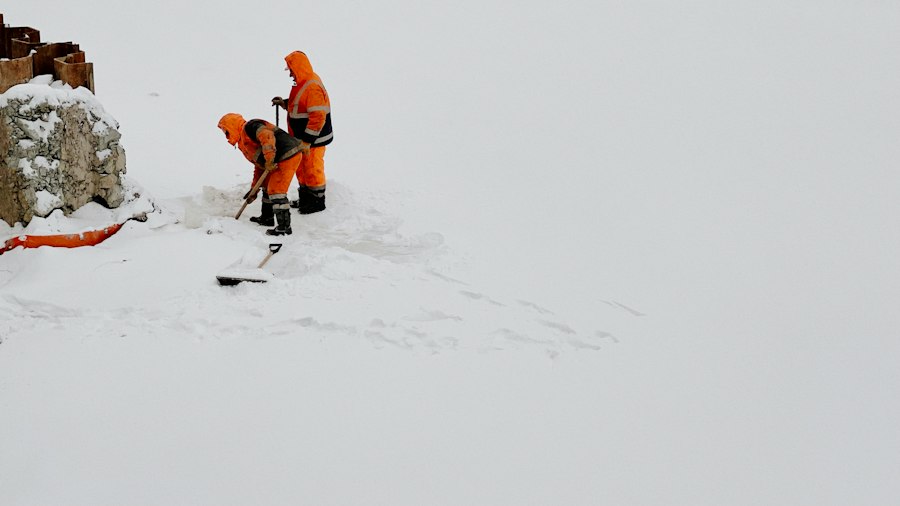
Effective search and rescue in snow-laden environments demands meticulous preparation. This extends beyond simply having the right gear; it involves understanding the specific challenges posed by winter conditions and ensuring that every member of the team is adequately trained and equipped to face them. Proactive planning and a robust logistical framework are the cornerstones of a successful operation.
Essential Gear and Equipment for Winter Searchers
Specialized gear is non-negotiable for operating safely and effectively in snow. This includes layers of insulating clothing to prevent hypothermia, waterproof outer shells to protect against wind and moisture, and insulated footwear. Headlamps and spare batteries are crucial for low-light conditions, often exacerbated by overcast skies or twilight.
Navigation tools are paramount. GPS devices with pre-loaded maps of the search area are essential, as are traditional compasses and topographical maps. The ability to maintain clear communication is vital; reliable radios with extra batteries, ideally waterproofed, are a must.
For tracking specifically, snowshoes or skis may be necessary depending on the depth and consistency of the snow. Ice cleats or crampons can provide essential traction on slippery surfaces. Specialized tools like snow probes can be used to check for victims buried under avalanche debris, though this is a more specialized skill set.
K9 Units in Snowy Terrain: Specialized Training and Deployment
K9 units are invaluable assets in search and rescue, and their effectiveness in snow requires specialized training. Dogs trained for scent detection need to be accustomed to working in cold temperatures and with the unique scent profile of a winter environment. Their sense of smell can be compromised by extreme cold, and their paws can be susceptible to frostbite.
K9 handlers must be skilled in interpreting their dog’s behavior in varied snow conditions. They need to understand how wind, temperature, and snow density affect scent dispersal and how to navigate their dogs safely through deep snow or over icy patches. Protective booties for the dogs can be essential in certain conditions.
Deployment strategies for K9 units should consider the terrain and weather. They may be used for grid searches, following established trails, or for area searches in areas where a scent source is suspected. The handler and dog team must work in tandem, with the handler constantly observing the dog and the environment.
Aerial Support and Its Role in Snowy Landscapes
Helicopters and drones can provide a crucial aerial perspective, especially in vast or difficult-to-access snowy areas. However, their effectiveness is also hampered by winter conditions. Low cloud ceilings, fog, and heavy snowfall can significantly limit visibility for pilots and drone operators.
Thermal imaging cameras are incredibly valuable in snow. They can detect body heat, even if the individual is partially obscured by snow or vegetation. This technology can significantly shorten search times, especially in densely wooded areas or at night.
Drone technology is rapidly evolving, with some drones equipped with powerful zoom cameras and thermal sensors. Their ability to navigate tight spaces and hover over specific areas can be advantageous. However, battery life can be an issue in extreme cold, and wind can affect their stability.
Communication Protocols and Coordination
Clear and consistent communication is the lifeblood of any search and rescue operation, and this is amplified in challenging winter environments. Established communication protocols, including designated radio channels and check-in times, are vital. Having backup communication methods is also prudent.
Coordination among different search teams – ground crews, K9 units, and aerial assets – is essential. A central command post should be established to manage resources, receive updates, and direct search efforts. Detailed maps of the search area, highlighting previous searches, identified clues, and areas of interest, are critical for effective coordination.
Tracking Strategies in the Snow

Once a search is underway, specific tracking strategies must be employed to maximize the chances of finding a missing child. These strategies leverage the unique characteristics of the snowy environment, focusing on both direct evidence and indirect indicators. Adaptability and meticulous observation are key.
Identifying and Interpreting Snow Tracks
The most direct evidence of a missing child’s presence is their tracks. Fresh snowfall offers the best opportunity to find these. Searchers must be trained to identify human footprints and differentiate them from animal tracks. The size, gait, and depth of the impression can provide valuable information about the individual.
The direction of travel is crucial. Even a single track can indicate the path taken. If multiple tracks are found, their pattern can reveal if the child was walking, running, or perhaps fell. The presence of drag marks or scuff marks can indicate distress or injury.
However, interpreting tracks in snow requires caution. Wind can create drift patterns that mimic tracks, and melting and refreezing can distort their shape. Searchers must be aware of these natural processes and avoid jumping to conclusions based on ambiguous evidence.
Utilizing Scent Trails and K9 Unit Capabilities
As mentioned earlier, K9 units are indispensable for scent tracking. In snow, their handlers must be aware of how the cold and moisture affect scent dispersal. They might employ “line tracking” where the dog follows a specific scent trail left by the missing person, or “area searching” where the dog is allowed to investigate a broader area for any scent.
Handlers must be able to read their dog’s reactions. A change in the dog’s behavior – increased intensity, barking, or a specific posture – can indicate they are nearing a scent source. The handler must then work to isolate and confirm the scent.
Sometimes, scent trails can be misleading. A strong scent of another animal or even human activity unrelated to the missing child can distract the dog. Experienced handlers develop a keen sense of their dog’s responses and the environmental factors that can influence them.
The Importance of Sound Location and Auditory Cues
While snow dampens sound, it doesn’t eliminate it entirely. Searchers must remain vigilant for any auditory cues. This includes the faint sound of a child crying, calling for help, or even the rustling of clothing.
During the initial stages of a search, it’s crucial to establish a “listening phase” where all searchers pause and listen intently. This can be particularly effective in the early morning or late evening when background noise is often reduced.
Using amplified sound devices, such as megaphones or specialized search sirens, can help extend the range of searchers’ voices and potentially elicit a response from a lost child. The sound of snowmobiles or ATVs, when used judiciously, can also sometimes prompt a response or reveal movement.
Detecting Indirect Evidence in the Snow
Beyond direct tracks, there are numerous indirect clues that can indicate a child’s passage through a snowy environment. These can include broken branches, disturbed vegetation, or items of clothing snagged on bushes. The angle and location of these disturbances can offer hints about the direction of travel.
The presence of discarded items, such as gloves, hats, or snacks, can be a significant indicator. The condition of these items – whether they appear dropped, thrown, or deliberately placed – can offer additional insights.
Even subtle changes in the snowpack can be telling. A depression in the snow might indicate where a child sat or fell. The pattern of melting around a specific area could suggest the presence of body heat. Searchers need to be trained to observe these subtle anomalies with a keen eye for detail.
Utilizing Technology and Advanced Techniques
In the modern era of search and rescue, technology plays an increasingly vital role, especially in challenging environments like snow. Integrating advanced techniques can significantly enhance the effectiveness and efficiency of finding missing children.
Thermal Imaging and Infrared Technology
Thermal imaging cameras detect heat signatures, making them incredibly useful for spotting a person concealed by snow, foliage, or darkness. These cameras can differentiate the warmer body heat of a human from the colder surrounding environment.
When deployed from aircraft, drones, or even handheld by ground teams, thermal imaging can quickly scan large areas, identifying potential heat sources that warrant closer investigation. This is particularly effective at night or during periods of low visibility. The distinct thermal signature of a human can be a critical clue in an otherwise homogenous white landscape.
GPS Tracking and Geofencing
If the missing child has a personal GPS device, such as a smartphone or a dedicated tracking device, this becomes an immediate and invaluable resource. Search teams can use this data to narrow down the search area significantly.
Geofencing technology allows users to set up virtual boundaries. If a device with a tracking app enters or leaves a predefined area, an alert can be triggered. This can be useful if the child is known to be in a specific park or wilderness area. However, it’s important to remember that batteries can drain quickly in cold temperatures, limiting the duration of GPS signal.
Drone Deployment and Aerial Reconnaissance
Drones equipped with high-resolution cameras, thermal imaging, and even loudspeakers can provide unparalleled aerial reconnaissance in snowy terrains. They can navigate difficult terrain, hover over specific locations, and provide real-time visual data to ground teams.
Drones can be deployed rapidly and cover areas that would take ground teams hours or days to search. They can also be used to drop essential supplies or communicate with the missing child if they are spotted.
However, drone operations in winter require careful planning. Cold temperatures can affect battery life, and high winds can make flight unstable. Operators must be trained to navigate these conditions safely and effectively.
Data Analysis and Predictive Modeling
In larger-scale searches, data analysis and predictive modeling can be employed. By inputting information about the missing child’s last known location, their likely behavior patterns, and environmental factors, algorithms can help predict potential search areas.
These models consider variables such as terrain, weather patterns, and typical human movement. While not a substitute for boots on the ground, they can help prioritize search efforts and allocate resources more effectively, especially when dealing with vast or complex landscapes.
In the challenging task of tracking missing children in snowy conditions, innovative techniques and technologies play a crucial role in enhancing search efforts. A related article discusses the importance of utilizing advanced mapping systems and community involvement in these critical situations. For further insights, you can read more about these strategies in this informative piece on the Giza Pyramid alignment mystery, which highlights the significance of precise navigation in various contexts. Check it out here.
Post-Rescue Considerations and Preventative Measures
| Metric | Description | Typical Value / Range | Importance for Tracking |
|---|---|---|---|
| Average Search Time | Time taken to locate a missing child in snowy conditions | 2-6 hours | Critical for survival and timely rescue |
| Temperature Range | Ambient temperature during search operations | -20°C to 0°C (-4°F to 32°F) | Affects child’s survival and search urgency |
| Visibility | Visibility distance during snowfall or blizzard | 10-100 meters | Impacts search effectiveness and safety |
| Search Area Size | Estimated area to be covered during search | 1-10 square kilometers | Determines resources and time needed |
| Use of Tracking Technology | Types of technology used (GPS, drones, thermal imaging) | GPS trackers, drones with thermal cameras | Enhances detection and reduces search time |
| Survival Rate | Percentage of children found alive after being lost in snow | 60-80% | Measures effectiveness of search and rescue |
| Response Time | Time from report to deployment of search teams | 30 minutes to 1 hour | Critical for increasing chances of survival |
The successful recovery of a missing child is a momentous achievement, but the process doesn’t end there. Proper post-rescue care and robust preventative measures are crucial for the well-being of the child and for reducing the likelihood of future incidents.
Immediate Care for the Recovered Child
Upon locating a missing child in a snowy environment, their immediate physical and emotional needs must be addressed. Hypothermia is a primary concern. The child must be gently warmed, and their vital signs closely monitored. Dehydration and frostbite are also potential issues.
Emotional support is equally critical. The child will likely be frightened, disoriented, and potentially traumatized. Searchers should approach them calmly and reassuringly, offering comfort and a sense of safety. Medical professionals should be on standby to provide further assessment and treatment.
Debriefing and Learning from the Search
Every search and rescue operation, regardless of its outcome, offers valuable learning opportunities. A thorough debriefing of all personnel involved is essential. This process allows for the sharing of experiences, identification of challenges, and evaluation of the effectiveness of different strategies and equipment.
Information gathered during the debriefing can inform future training programs, refine operational procedures, and highlight areas where improvements are needed. Understanding what worked well and what didn’t is crucial for continuous improvement in search and rescue capabilities.
Public Awareness and Education on Winter Safety
Prevention is always better than cure. Educating the public about the dangers of winter environments and providing guidance on how to prevent children from becoming lost is paramount. This includes advising parents to keep a close eye on children when playing outdoors in snowy conditions, especially near potential hazards like frozen bodies of water or dense forests.
Teaching children about basic safety principles, such as staying put if they realize they are lost, wearing bright clothing, and understanding the importance of not wandering off alone, can significantly reduce the risks. Providing them with whistles to signal for help is also a simple yet effective preventative measure.
Improving Preparedness and Resource Allocation
Effective search and rescue in snowy conditions requires ongoing investment in training, equipment, and personnel. This includes ensuring that rescue teams have access to specialized winter gear, reliable communication systems, and advanced technologies like thermal imaging and drones.
Regular drills and simulations that replicate winter search scenarios are vital for maintaining proficiency. Furthermore, fostering strong relationships and mutual aid agreements with neighboring rescue organizations can ensure adequate resources are available during large-scale incidents. Building community awareness and support for these critical services is also an ongoing effort.
The successful recovery of a missing child from a snowy landscape is a testament to the dedication, skill, and preparedness of search and rescue teams. By understanding the unique challenges of the winter environment and employing effective strategies, these teams can continue to bring hope and safety to families facing their darkest hours.