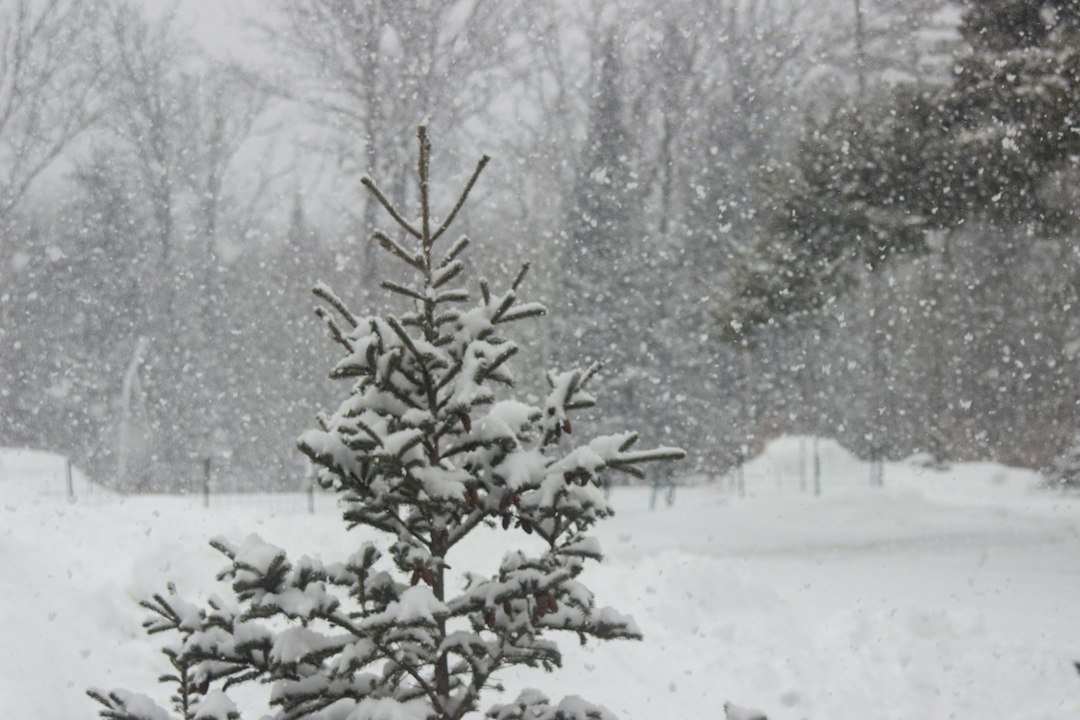
Winter’s breath can be a double-edged sword. While it brings the charm of snow-laden landscapes and cozy evenings by the fire, it also ushers in the threat of blustery storms. When the wind howls and the temperature plummets, the risk of fire incidents can escalate, especially for those relying on fireplaces and wood-burning stoves for warmth. Understanding how to manage embers safely during these turbulent weather conditions is paramount to ensuring both the comfort and security of a home. This article aims to provide comprehensive guidance on ember protection tips specifically tailored for windy winter storms, empowering individuals to stay safe and warm throughout the season.
Understanding the Increased Fire Risk During Windy Winter Storms
Windy winter storms present a unique set of challenges that significantly amplify the risk of fire. The powerful gusts of wind can easily dislodge burning embers from chimneys and outdoor fire pits, carrying them across lawns, rooftops, and even to neighboring properties. Dry vegetation, which is often present even in winter, can act as tinder, igniting rapidly when exposed to these flying embers. Furthermore, the increased need for indoor heating often leads to more frequent and prolonged use of fireplaces and wood stoves. This heightened activity, coupled with the volatile nature of wind, creates a perilous environment where a small spark can quickly escalate into a devastating blaze.
The Mechanics of Wind-Driven Fires
The fundamental principle behind wind-driven fires is the accelerated rate of combustion. Wind acts as a natural bellows, supplying a continuous stream of oxygen to a flame, thus intensifying its heat and spread. In the context of embers, wind can not only propel them further but also help them to ignite surrounding combustible materials more effectively. Imagine a small ember, still glowing with residual heat. Without wind, it might simply die out. However, a strong gust can fan the ember back to life, and if it lands on dry leaves, pine needles, or even old mulch, it can immediately spark a new fire. This phenomenon is particularly dangerous with flying embers, as they can be carried considerable distances from their source, making it difficult to pinpoint the origin of a fire once it has started.
Common Ignition Points and Contributing Factors
Several common ignition points contribute to fire hazards during windy winter storms. Blocked or poorly maintained chimneys are a primary culprit. Creosote buildup within the chimney, a flammable residue from burning wood, can ignite and create a chimney fire, spewing sparks and burning debris outwards. Overloaded fireplaces or stoves, where an excessive amount of wood is burned at once, can also lead to uncontrolled burning and increased ember production. In outdoor settings, fire pits and bonfires, if not properly managed or extinguished, become significant risks when the wind picks up. The presence of dry, dead vegetation around these heat sources, such as dead grass, fallen leaves, or overhanging tree branches, serves as readily available fuel for any stray embers. Human error, such as leaving fires unattended or not properly extinguishing them before leaving the area, also plays a crucial role.
In light of the recent winter storms, it is crucial to consider the importance of ember protection to safeguard homes from potential fire hazards. A related article that delves into the implications of such protective measures can be found here: The Over-Teaching Machine. This piece highlights the intersection of environmental challenges and the need for proactive strategies in home safety during extreme weather conditions.
Proactive Measures for Ember Containment and Prevention
Effective ember protection begins long before a storm hits. A proactive approach, focusing on containment and prevention, is the most effective strategy for mitigating fire risks. This involves regular maintenance of heating appliances, careful management of outdoor fires, and ensuring the surrounding environment is clear of potential fuel sources.
Chimney and Fireplace Maintenance: A Critical First Step
The chimney and fireplace are often the most direct pathways for embers to escape into the environment. Regular professional inspection and cleaning of the chimney are essential. A certified chimney sweep can identify and remove creosote buildup, inspect for any structural damage, and ensure the chimney cap is securely in place. The chimney cap, often overlooked, is a vital component that acts as a barrier against rain, snow, and importantly, flying embers. Ensure the cap is made of sturdy metal and has fine mesh to prevent sparks from escaping while still allowing for adequate ventilation. Inside the fireplace, regularly clean out ashes. A buildup of ashes can insulate the ember bed, leading to longer smoldering times and an increased chance of reignition. It is also advisable to keep a fire screen in front of the fireplace opening, especially when the fireplace is in use and during windy conditions. This provides an additional layer of protection against stray sparks.
Outdoor Fire Management: When Caution is Paramount
While the allure of an outdoor fire pit on a crisp winter evening can be strong, it requires extreme caution during windy conditions. It is generally advisable to avoid outdoor fires altogether when severe wind warnings are in effect. If an outdoor fire is deemed necessary, ensure it is contained within a designated fire pit with sturdy walls and a spark arrestor screen. Never build fires in extremely windy conditions, and always have a water source, such as a hose or buckets of water, readily available. When it is time to extinguish the fire, do so thoroughly. Douse all embers and coals with water, stir them with a shovel, and douse again until no heat remains. Never assume a fire is out; embers can remain hot for hours. Consider the prevailing wind direction and ensure that the fire is not creating a hazard for nearby structures or vegetation.
Creating Defensible Space: Clearing the Path
The concept of “defensible space” is crucial for preventing fires from spreading. This involves creating a buffer zone around your home and any outdoor heating elements that is free from flammable materials. During autumn and winter, this means regularly clearing fallen leaves, dry grass, pine needles, and any other combustible debris from around your house, particularly from the roof, gutters, and the immediate vicinity of your fireplace or wood stove. Pay close attention to areas beneath overhanging trees, as these can be a significant source of flammable material. Ensure that firewood is stored a safe distance away from the house and any outdoor fire sources. In areas prone to high winds, consider trimming back any dead or dying branches from trees that overhang your roof or are close to your chimney. This reduces the risk of falling branches igniting or directly contributing to a fire.
Safe Practices for Using Fireplaces and Wood Stoves During Storms

The need for warmth intensifies during winter storms, leading to increased reliance on fireplaces and wood stoves. However, this heightened usage necessitates stricter adherence to safety protocols to prevent accidental fires.
Fueling the Fire Responsibly
The type and condition of the fuel used in your fireplace or wood stove can significantly impact ember production. Always use dry, seasoned hardwood. Wet or green wood burns inefficiently, producing more smoke and creosote, which are primary contributors to chimney fires. Avoid burning trash, plastic, or chemically treated wood, as these can release toxic fumes and create unpredictable burning patterns. When adding wood to the fire, do so cautiously. Avoid overfilling the firebox, as this can lead to excessive heat and a greater chance of sparks escaping. Ensure that the fire door or damper is properly closed after adding wood and when the fire is burning actively.
Monitoring and Extinguishing Fires Safely
Constant vigilance is key when operating a fireplace or wood stove. Never leave a fire unattended, especially during windy conditions. Regularly inspect the fire for excessive sparks or flames that might be escaping the firebox. Be aware of the sounds and smells associated with your heating appliance; any unusual crackling or a strong smell of smoke could indicate a problem. When it is time to extinguish the fire, allow the wood to burn down to ash as much as possible. Do not bank the fire with large amounts of new wood just before leaving it. For fireplaces, ensure the damper is open while embers are still hot to allow smoke to escape. For wood stoves, follow the manufacturer’s instructions for safe shutdown. Always ensure that the stove door is securely latched. It is advisable to keep a metal ash bucket with a lid readily accessible. Once the fire has died down significantly, carefully shovel any remaining ashes into the metal bucket. Allow the ashes to cool completely in the bucket, preferably outdoors and away from any combustible materials, before disposing of them in a safe location.
Understanding and Responding to Chimney Fires
A chimney fire is characterized by a roaring or rumbling sound from the chimney, a strong smell of burning, and sometimes visible flames or sparks exiting the top of the chimney. If you suspect a chimney fire, do not panic. Your immediate actions can make a significant difference. First, evacuate all occupants from the home. Then, call the fire department immediately. While waiting for the fire department to arrive, try to contain the fire by closing the damper of the fireplace or wood stove if it is safe to do so. This will restrict the oxygen supply to the fire, helping to smother it. Do not attempt to douse a chimney fire with water, as this can create steam and potentially cause further damage or injury. Keep doors and windows closed to prevent the spread of smoke throughout the house.
Emergency Preparedness: Planning for the Unexpected
Even with the most stringent precautions, winter storms can present unforeseen challenges. Having a well-defined emergency preparedness plan can be the difference between a minor inconvenience and a serious incident.
Creating a Home Fire Safety Plan
Every household should have a home fire safety plan. This plan should include designated escape routes from every room, a clearly marked meeting place outside the home, and regular fire drills to ensure everyone knows what to do. Teach all family members how to use a fire extinguisher and where they are located. Ensure smoke detectors are installed on every level of the home, inside and outside sleeping areas, and that they are tested monthly and have their batteries replaced annually. Carbon monoxide detectors are also essential, as faulty heating systems can produce this odorless, deadly gas.
Assembling a Winter Storm Emergency Kit
A well-stocked emergency kit is crucial for weathering any winter storm, especially one accompanied by fire risks. This kit should include essentials such as non-perishable food, bottled water, blankets, a first-aid kit, flashlights with extra batteries, a battery-powered or hand-crank radio, medications, and any specific personal needs. For added safety in the event of a power outage or evacuation due to fire, include extra batteries for flashlights and radios, a manual can opener, and a whistle to signal for help. Consider including items like work gloves and sturdy footwear for any necessary outdoor tasks or evacuations.
Knowing When to Evacuate and How to Communicate
During a severe winter storm, particularly if there is an active fire or a significant risk of one, evacuation may be necessary. Your home fire safety plan should clearly outline when and how to evacuate. If you detect a fire or are advised to evacuate by emergency officials, do so immediately and calmly. If the primary escape route is blocked, use your secondary route. Once safely outside, move to your designated meeting place. If you have a family communication plan, establish a central contact person outside the affected area who can relay messages if local phone lines are down. When calling emergency services, provide your exact location and describe the situation clearly. If you are evacuating due to a fire, inform the dispatcher about the nature of the fire and if anyone is trapped.
As winter storms become increasingly severe, understanding how to protect your home from the elements is essential. One valuable resource on this topic is an article that discusses ancient wisdom for surviving climate change, which offers insights into traditional practices that can enhance ember protection during wind-driven winter storms. You can read more about these strategies in the article here. By applying these time-tested methods, homeowners can better safeguard their properties against the harsh conditions that winter brings.
Long-Term Strategies for Fire-Resilient Living
| Metric | Description | Typical Values | Relevance to Ember Protection |
|---|---|---|---|
| Wind Speed | Maximum sustained wind velocity during winter storms | 30-70 mph (48-113 km/h) | Higher wind speeds increase ember transport and fire spread risk |
| Ember Density | Number of embers per cubic meter of air | 10-100 embers/m³ | Higher ember density increases ignition probability on structures |
| Temperature | Ambient temperature during winter storm events | 20°F to 40°F (-6°C to 4°C) | Lower temperatures can affect ember combustion duration |
| Humidity | Relative humidity percentage during storm | 30%-60% | Lower humidity increases flammability of materials exposed to embers |
| Duration of Storm | Length of time the storm impacts an area | 6-24 hours | Longer duration increases exposure to ember attack |
| Ember Protection Rating | Effectiveness of building materials and design against ember intrusion | Class A to Class C | Higher rating means better resistance to ember penetration |
| Fire Spread Rate | Speed at which fire spreads due to ember ignition | 0.5-3 mph (0.8-4.8 km/h) | Influences evacuation and firefighting strategies during storms |
Beyond immediate storm preparedness, adopting long-term strategies can significantly enhance a home’s resilience to fire, especially in areas prone to windy winter conditions.
Investing in Fire-Resistant Materials and Landscaping
When undertaking home renovations or new construction, consider incorporating fire-resistant building materials. This includes using materials like concrete, brick, or metal for roofing and siding, as well as fire-rated doors and windows. In landscaping, prioritize the use of fire-resistant plants and maintain them properly. Avoid planting highly flammable trees and shrubs close to your home. Consider creating a wider defensible space by removing dead vegetation and strategically planting less combustible species. Regular mulching with non-combustible materials like gravel or stone can also help suppress weed growth and reduce fire hazards.
Regular Inspections and Professional Consultations
Routine maintenance is not just for immediate fire prevention; it’s a long-term investment in safety. Schedule annual inspections of your heating systems, including your furnace, boiler, fireplace, and wood stove, by qualified professionals. They can identify potential issues before they become major hazards. Consider consulting with your local fire department or a professional fire safety consultant for a personalized assessment of your home’s fire risks and recommendations for improvement. They can offer specific advice tailored to your region’s climate and typical weather patterns.
Staying Informed and Adapting to Changing Conditions
Climate change is leading to more extreme weather events, including increasingly severe winter storms and prolonged periods of drought that can exacerbate fire risks. Staying informed about weather forecasts and any fire weather advisories issued by local authorities is crucial. Be prepared to adapt your safety practices based on the severity of the conditions. This might mean canceling outdoor activities, postponing the use of your fireplace, or taking extra precautions to secure your property. By remaining vigilant and informed, individuals can better protect themselves and their homes from the devastating impact of fires, especially during the challenging conditions of windy winter storms. The key lies in a combination of proactive measures, diligent maintenance, and a well-rehearsed emergency plan, all working in concert to ensure safety and warmth throughout the winter months.