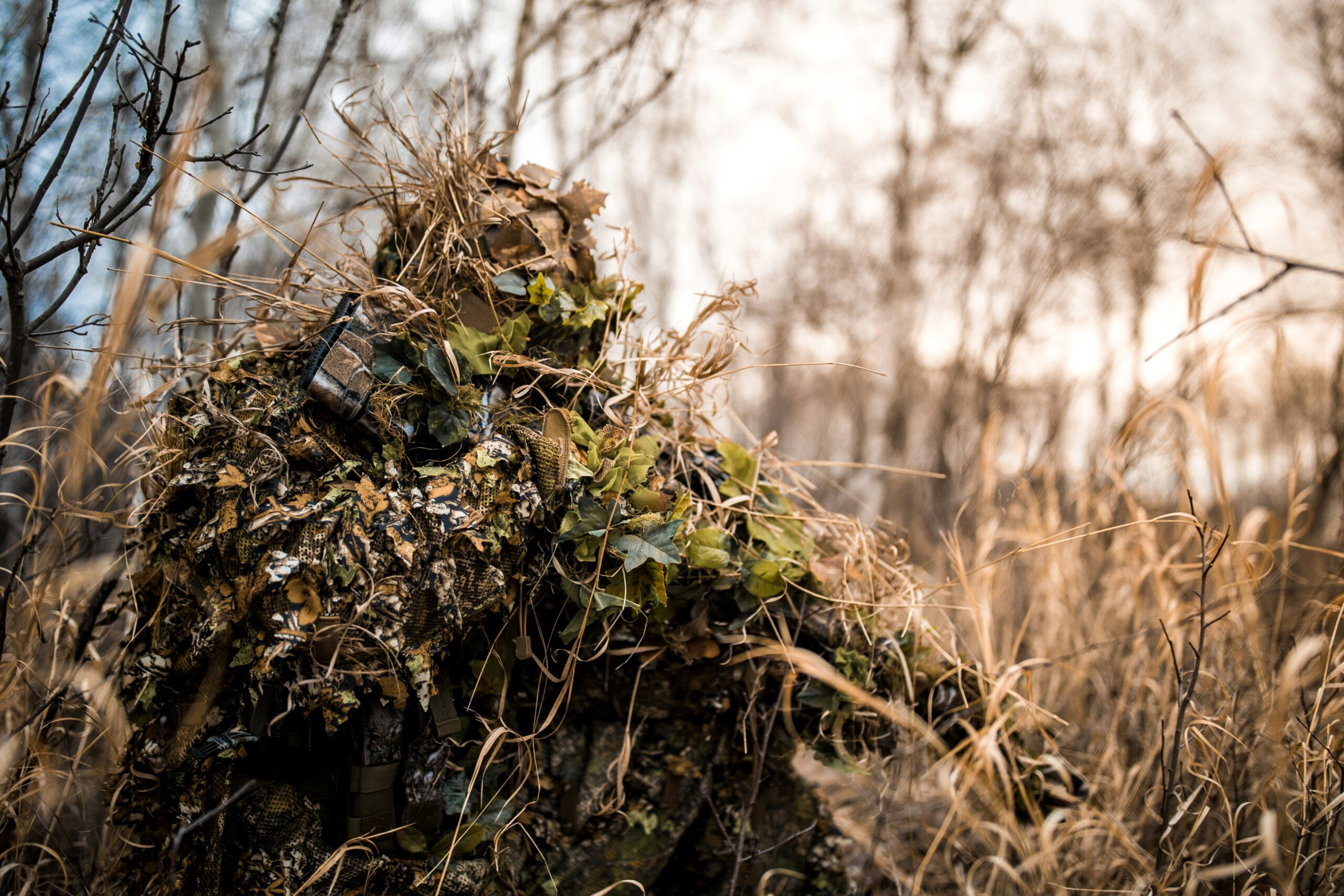
The biting wind, the relentless snow, the bone-chilling cold – these are the hallmarks of harsh winter conditions, environments where survival hinges on a deep understanding of preparedness and the right gear. Among the most critical elements of a winter survival strategy are “dry hides,” a vernacular term that encompasses the carefully selected and layered clothing designed to protect the human body from the devastating effects of extreme cold. Far more than mere fashion, dry hides are an essential component of staying alive when temperatures plummet and the natural world turns unforgiving. This article will delve into the fundamental principles behind dry hides, exploring their importance, the science of thermal regulation they employ, the key components of an effective system, and the crucial considerations for selecting and maintaining this vital survival equipment.
The Unseen Enemy: Understanding Winter’s Threats to the Body
Winter’s assault on the human body is multifaceted and insidious. The primary threat is, of course, the extreme cold, which can rapidly deplete the body’s core temperature, leading to hypothermia. Hypothermia is a dangerous drop in body temperature that impairs judgment, coordination, and ultimately, vital organ function. Beyond direct cold exposure, winter presents other challenges. Wetness, whether from melting snow, rain, or perspiration, dramatically accelerates heat loss. Water conducts heat away from the body far more efficiently than air, turning a seemingly manageable chill into a life-threatening situation with alarming speed. Additionally, wind, especially when combined with moisture, amplifies the sensation of cold through a phenomenon known as wind chill, increasing the rate at which body heat is lost. Frostbite, the freezing of skin and underlying tissues, is another significant danger, particularly to extremities like fingers, toes, ears, and nose, where circulation is naturally lower. Understanding these threats is the foundational step in appreciating why comprehensive and effective dry hides are not a luxury, but a necessity.
The Subtle Dangers of Moisture Accumulation
The role of moisture in undermining thermal protection cannot be overstated. The body constantly produces heat through metabolic processes. In cold environments, this heat is crucial for maintaining core temperature. However, if clothing becomes damp, it acts like a wick, drawing heat away from the skin. This can happen in several ways. External moisture, such as falling snow that melts on contact or rain, can penetrate outer layers and reach the insulating materials. More subtly, internal moisture, generated by perspiration, can also be a significant problem. When engaging in physical activity, even in frigid temperatures, the body can sweat. If this sweat is not effectively wicked away from the skin and allowed to evaporate, it can saturate inner clothing layers, leading to a dangerous loss of insulation. This is why the concept of breathability is paramount in designing effective winter clothing.
The Amplifying Effect of Wind
Wind chill is a critical factor that often exacerbates the perceived and actual threat of cold. While the air temperature might be a certain degree below freezing, the presence of wind can make it feel significantly colder. This is because wind strips away the thin layer of warm air that naturally surrounds the body, constantly replacing it with colder ambient air. This continuous removal of heat accelerates the rate of heat loss, making it harder for the body to maintain its core temperature. Therefore, any effective dry hide system must include a robust windproof outer layer to counteract this detrimental effect. The effectiveness of the insulation within the clothing is severely compromised if it is constantly being buffeted by cold, moving air.
When preparing for winter survival, understanding the importance of dry hides in clothing can be crucial. A related article that delves into innovative survival strategies is available at this link: Blue Origin’s Role in Lunar Defense. While the article primarily focuses on space exploration, it also touches on the significance of resource management and adaptability, concepts that are equally relevant when considering how to effectively utilize natural materials like dry hides for warmth and protection in harsh winter conditions.
The Science of Staying Warm: Principles of Thermal Regulation

The effectiveness of dry hides is rooted in fundamental principles of physics and human physiology concerning heat transfer. The primary goal is to create a microclimate around the body that is warmer and drier than the surrounding environment. This is achieved through a combination of insulation, moisture management, and protection from the elements. The layered approach, a cornerstone of effective outdoor wear, directly addresses these principles by creating multiple barriers that trap air, which is an excellent insulator, and manage the movement of moisture.
The Power of Trapped Air: Insulation Explained
Insulation in clothing works by trapping air. Air is a poor conductor of heat. When clothing is designed with materials that can create pockets of still air, it effectively slows down the rate at which body heat can escape into the colder environment. Think of down feathers in a sleeping bag or the air trapped between fibers in a wool sweater. These materials don’t generate heat; they simply prevent the heat that the body produces from dissipating too quickly. The loft and structure of insulating materials are crucial. A thicker, more voluminous material generally provides better insulation because it can trap more air. However, the type of fiber used also plays a role, with some materials retaining their insulating properties better than others, especially when compressed or damp.
Wicking Away Moisture: The Role of Breathability
Breathability in winter clothing refers to the ability of fabric to allow water vapor (perspiration) to pass through it and escape to the outside. This is a critical function for preventing the buildup of internal moisture that can lead to chilling. Base layers are particularly important in this regard, as they are in direct contact with the skin. Materials like polypropylene or merino wool are excellent at wicking moisture away from the skin, drawing it into subsequent layers where it can evaporate. If moisture is trapped against the skin, it can saturate the insulating layers and significantly reduce their effectiveness, making the wearer feel colder even if the ambient temperature hasn’t changed.
The Barrier Against the Elements: Windproof and Waterproofing
The outermost layer of a dry hide system serves as the primary defense against external threats. This layer needs to be windproof to prevent the chilling effect of moving air from penetrating the insulating layers. Many modern outdoor garments utilize membranes or coatings that offer exceptional wind resistance while still allowing some degree of breathability. Waterproofing is also essential, particularly in snowy or wet conditions. While absolute waterproofing can sometimes compromise breathability, a balance must be struck. The goal is to prevent liquid water from entering the clothing system while allowing water vapor from the body to escape. Technologies like Gore-Tex are prime examples of materials that aim to achieve this delicate equilibrium.
Building the System: The Three-Layer Approach to Dry Hides

The most effective approach to winter clothing is the layered system, often referred to as the “three-layer system.” Each layer serves a distinct purpose, working in synergy to maintain warmth, dryness, and comfort. This modular design allows for adaptability to changing conditions and activity levels, a vital aspect of survival preparedness.
The Foundation: The Base Layer
The base layer is the first line of defense, worn directly against the skin. Its primary functions are to wick moisture away from the body and provide a minimal amount of insulation. Materials like merino wool, silk, or synthetic fabrics such as polypropylene are ideal for base layers. Cotton is generally a poor choice for winter base layers, as it absorbs moisture and holds it against the skin, leading to rapid heat loss. Merino wool offers excellent warmth even when damp, is naturally antimicrobial, and provides good breathability. Synthetics are often more durable and faster drying than natural fibers, but can sometimes be more prone to odor buildup. The fit of the base layer is also important; it should be snug but not restrictive, allowing for efficient moisture transfer.
The Mid-Layer: Trapping Heat and Managing Moisture
The mid-layer, or insulating layer, is responsible for trapping body heat. This is where the bulk of the insulation comes from. Fleece, down, and synthetic fills are common materials for mid-layers. The thickness and type of mid-layer will vary depending on the expected temperature and the wearer’s activity level. A lightweight fleece can be sufficient for milder winter conditions or high-intensity activities, while a thicker down or synthetic jacket is necessary for extreme cold or low-activity situations. The mid-layer should be able to accommodate the base layer without being too tight, ensuring that air can still be trapped effectively. Many mid-layers are designed to be breathable, allowing some moisture that has wicked through the base layer to escape.
The Outer Shell: Protection from the Elements
The outer shell, or protective layer, is the final barrier between the wearer and the harsh winter environment. Its primary role is to provide protection from wind and moisture. This layer should be windproof and water-resistant or waterproof. Breathability is also a consideration for the outer shell, though its primary function is protection. The design of the outer shell often includes features like adjustable hoods, cuffs, and pit zips to allow for ventilation and customization. For survival situations, an outer shell with good durability and robust construction is essential, capable of withstanding abrasion and tears from branches or rough terrain. Some outer shells are also insulated, providing an additional layer of warmth, but these can be less versatile than a separate mid-layer.
Beyond the Core: Essential Accessories for Complete Protection
While the layered clothing system forms the backbone of dry hides, specialized accessories are equally critical for comprehensive protection against the winter elements. Extremities are particularly vulnerable to cold and frostbite, making dedicated gear for hands, feet, head, and face indispensable for survival.
Protecting Extremities: Hands, Feet, and Headwear
Hands and feet have a higher surface area to volume ratio and poorer circulation than the torso, making them susceptible to frostbite. Mittens are generally warmer than gloves because they allow the fingers to share warmth. However, gloves offer greater dexterity. For extreme cold, insulated mittens with a removable liner are an excellent option. For feet, moisture-wicking wool socks are paramount. Multiple pairs of socks, including a thicker insulating pair, are essential. Footwear should be insulated and waterproof, with enough room to accommodate thick socks without constricting circulation. Headwear is also crucial, as a significant amount of body heat can be lost through an uncovered head. Insulated hats that cover the ears are vital. A balaclava or neck gaiter provides additional protection for the face and neck against wind and cold.
Eye Protection and Face Coverings
In snowy conditions, intense glare from sunlight reflecting off the snow can lead to snow blindness, a painful and debilitating condition. Therefore, sunglasses or goggles with UV protection are essential. Goggles also provide a physical barrier against wind and blowing snow, protecting the eyes. For extreme cold and wind, a balaclava or face mask is crucial for preventing frostbite on exposed skin of the face. These coverings should be made of breathable material that can also offer some insulation.
Staying Dry from the Inside Out: Understanding Respiration and Perspiration Management
Even with the best clothing, managing internal moisture remains a critical challenge. The body’s natural processes of respiration and perspiration can generate significant amounts of moisture within the clothing system. Understanding how to manage this is key to preventing hypothermia. This involves making conscious decisions about exertion levels and using ventilation options within the clothing. For instance, if a climber begins to feel overheated, they should open pit zips or remove an insulating layer before excessive sweating occurs. Similarly, when resting, it’s important to add layers before the body cools down significantly. This proactive approach to moisture management is often referred to as “layering on the go.”
When preparing for winter survival, understanding the importance of dry hides in clothing can be crucial for maintaining warmth and comfort. A related article discusses the strategic development plans in Mexico that could impact various industries, including those that produce essential survival gear. For more insights on how industrial advancements can influence the availability of winter clothing, you can read the full article here. This information can help you make informed decisions about your winter survival preparations.
Maintenance and Care: Ensuring Longevity and Performance
| Metric | Description | Value / Range | Unit |
|---|---|---|---|
| Insulation Value (Clo) | Thermal resistance provided by dry hides clothing | 1.5 – 2.5 | Clo |
| Water Resistance | Ability of dry hides to repel moisture | High | Qualitative |
| Durability | Resistance to wear and tear in harsh winter conditions | 8 – 10 | Scale (1-10) |
| Breathability | Ability to allow moisture vapor to escape | Moderate | Qualitative |
| Weight | Average weight of dry hides winter clothing | 2 – 4 | kg |
| Temperature Range | Effective temperature range for survival use | -40 to 0 | °C |
| Maintenance | Required care to maintain dry hides clothing | Regular drying and conditioning | Qualitative |
The effectiveness of dry hides is not a permanent state; it requires diligent care and maintenance. Properly cleaning and storing winter clothing ensures that it retains its insulating properties, water-repellent finishes, and overall integrity, maximizing its lifespan and its ability to protect the wearer in critical situations. Neglecting maintenance can lead to premature wear and a significant reduction in performance.
Cleaning and Re-Waterproofing: Preserving the Fabric’s Integrity
Washing winter clothing requires specific attention. Harsh detergents and high heat can damage technical fabrics and strip away their water-repellent treatments. Most technical outerwear can be washed with specialized technical wash products that clean effectively without compromising the fabric’s properties. It is crucial to follow the manufacturer’s care instructions precisely. After washing, it is often necessary to reapply a water-repellent treatment, especially to the outer shell. This can be done through spray-on or wash-in products that restore the DWR (Durable Water Repellent) finish, allowing water to bead up and roll off the surface rather than soaking into the fabric.
Storage and Inspection: Preventing Degradation
Proper storage is just as important as cleaning. Winter clothing should be stored in a cool, dry place, away from direct sunlight and sources of heat. Avoid storing garments compressed for extended periods, as this can damage the loft of down or synthetic insulation. Before storing, ensure all garments are clean and completely dry to prevent mold and mildew growth. Regular inspection of clothing for any signs of wear and tear, such as rips, torn seams, or malfunctioning zippers, is essential. Small repairs made promptly can prevent minor issues from becoming major failures when the clothing is most needed. This proactive approach to gear maintenance can be the difference between comfort and peril in challenging winter environments. The integrity of every seam, every zipper, and every fabric panel contributes to the overall effectiveness of the dry hide system, ultimately safeguarding the wearer against the unforgiving embrace of winter.