The art of fire-starting, a skill honed over millennia, often hinges on the quality of the tinder – the most easily ignitable material that catches the initial spark or ember. While many readily available materials can serve this purpose, the discerning fire-crafter often seeks out the exceptional, the materials that offer a superior chance of success, especially in less-than-ideal conditions. Among these prized resources, willow, when prepared correctly, stands out. Specifically, the process of shaving thin curls from willow branches, often referred to as “crafting willow tinder,” transforms a common woodland material into a potent fire-starting aid. This article delves into the meticulous process, the rationale behind its effectiveness, and the nuances that elevate this technique from a simple preparation to a true craft.
The Humble Willow: An Underestimated Fire-Starting Ally
The willow tree, with its characteristic drooping branches and affinity for watery environments, is a common sight across many landscapes. While often appreciated for its aesthetic qualities or the flexibility of its wood, its potential as a fire-starting material is frequently overlooked. Most assume that any dry twig will suffice, but the seasoned outdoorsperson knows that not all wood is created equal when it comes to catching a flame. Willow possesses a unique combination of properties that, when properly harvested and prepared, make it an outstanding choice for tinder. Its relatively soft wood, coupled with its ability to dry thoroughly and create fine, fluffy fibers, makes it highly receptive to ignition. This inherent quality, however, requires a specific approach to unlock its full potential. Simply snapping off a dry branch and trying to ignite it will yield mediocre results at best. The magic lies in the preparation, in the transformation of the raw material into an optimized fire-starting medium.
Identifying the Ideal Willow Source
The first crucial step in crafting exceptional willow tinder lies in selecting the right willow. Not all willow species are created equal in terms of their tinder-making potential, and the age and condition of the branches are equally important factors. The ideal willow is typically found near water sources – rivers, streams, ponds, or even marshy areas – as this is their preferred habitat. Young, vibrant growth is generally preferred over old, gnarled branches. The bark of younger branches tends to be smoother, and the wood underneath is less dense and more amenable to shaving into fine curls. The color of the bark can also be an indicator; species with greenish or reddish-brown bark often yield better tinder. Avoiding willow that appears diseased or has extensive insect damage is also paramount, as these issues can compromise the integrity of the wood and its ability to burn well. The thickness of the branch is also a consideration; branches that are too thin may be brittle and difficult to shave, while those that are too thick will require excessive effort and may not produce the desired fine curls. A diameter roughly equivalent to a thumb or slightly larger is often a good starting point.
The Importance of Dryness and Seasoning
One of the most critical factors influencing the efficacy of any tinder is its dryness. Wet or even damp wood will resist ignition, no matter how finely it is prepared. Willow, being a hygroscopic material, readily absorbs moisture from its surroundings. Therefore, harvested willow branches must be thoroughly dried. Ideally, branches are collected during dry weather and then allowed to season for an extended period, often several months. This seasoning process allows the moisture content within the wood to significantly reduce. The wood should feel significantly lighter than when it was freshly cut and should produce a crisp “snap” when broken, rather than a dull thud. Storing seasoned willow in a dry, well-ventilated location, such as a shed or a dry storage container, is essential to maintain its optimal dryness. Exposure to direct sunlight for prolonged periods can sometimes make wood brittle, so a balance between drying and preservation is key. The goal is to achieve a wood that is porous and dry, ready to readily accept and hold an ember.
For those interested in the intricate techniques of preparing thin curls of willow tinder for effective fire-starting, a related article that delves into the broader themes of perception and reality is available. This piece, titled “The Illusion of Truth: How Power Conceals Reality,” explores how our understanding can be shaped by external influences, much like the way one can manipulate natural materials for practical use. You can read more about this fascinating topic by visiting this article.
The Art of the Shave: Precision and Technique
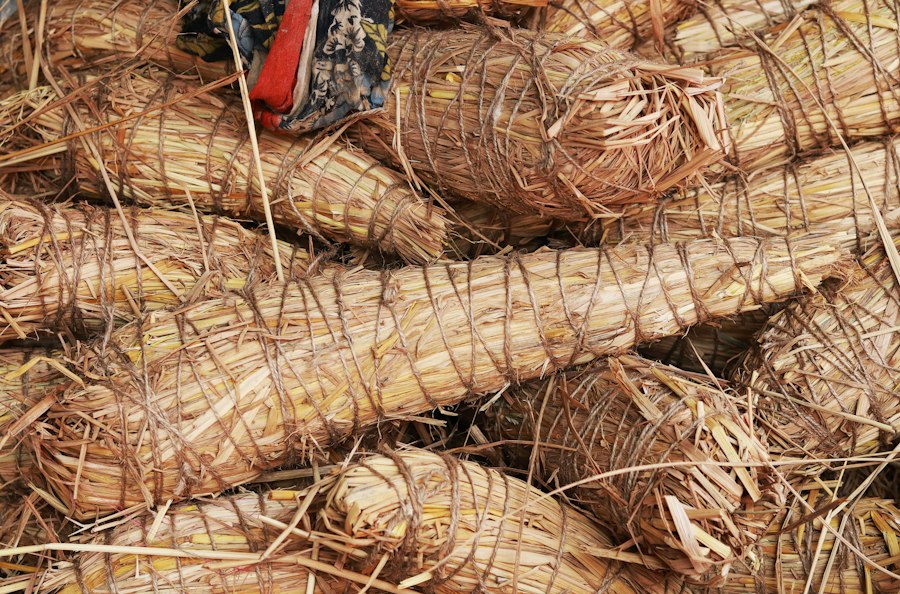
Once the ideal willow has been sourced and adequately dried, the focus shifts to the physical preparation of the wood. This is where the “shaving” of thin curls comes into play, transforming the solid branch into a delicate, highly flammable material. This process is not merely about scraping wood; it is an art form that requires patience, the right tools, and a keen understanding of how wood behaves when shaved. The goal is to create long, thin, and feathery curls that have a large surface area relative to their volume, maximizing their potential for ignition. The direction of the grain, the sharpness of the blade, and the pressure applied all contribute to the quality of the resulting tinder.
Selecting the Right Cutting Tool
The effectiveness of the shaving process is directly correlated with the tool used. While a simple knife can be employed, specialized tools offer greater precision and efficiency. A sharp knife with a fixed blade is a common choice. The blade should be razor-sharp to make clean cuts and avoid tearing the wood fibers. A bushcraft knife, designed for outdoor tasks, often has a robust blade suitable for this purpose. For those seeking even greater control and finer curls, a small, sharp drawknife can be an excellent option. This tool allows for a smooth, pulling motion that excels at peeling away thin shavings. Some experienced fire-crafters also utilize a specialized tinderbox or even a small hand plane, though these are less common for on-the-go preparation. Regardless of the tool, its sharpness is paramount. A dull blade will crush the wood fibers, creating thicker, less ignitable shavings, and will make the process significantly more frustrating. Maintaining a sharp edge, therefore, is not just a convenience but a necessity for crafting superior willow tinder.
Mastering the Shaving Motion
The technique of shaving willow curls is an acquired skill, often perfected through practice. The primary objective is to create thin, continuous strands of wood, akin to wood shavings from a woodworking plane. The willow branch is typically held firmly in one hand, while the knife or drawknife is used with the other. The blade is placed against the wood at a slight angle, allowing it to bite into the surface. The motion is then a controlled pull or push, depending on the tool and preference, creating a curl of wood that peels away from the main branch. It is crucial to work with the grain of the wood as much as possible. Shaving against the grain tends to produce shorter, choppier shavings that are less effective. The pressure applied should be consistent but not excessive, aiming to peel rather than gouge. Beginners often find it helpful to start with slightly thicker shavings and gradually refine their technique to produce progressively finer curls. The ideal curl is gossamer-thin, almost translucent, and has a feathery, wispy appearance. These fine fibers are highly absorbent of heat and will readily catch a spark or ember. The process can be time-consuming, especially when creating a substantial amount of tinder, but the reward of a reliable fire starter is well worth the effort.
Developing the “Bird’s Nest” Structure
The ultimate goal of shaving willow is not just to produce individual curls, but to arrange them in a manner that facilitates rapid ignition and sustained flame. This is where the concept of the “bird’s nest” comes into play. Once a sufficient quantity of thin willow curls has been produced, they are gently gathered and teased apart. The aim is to create a loose, fluffy ball of shavings, with plenty of air pockets. This airy structure is crucial because it allows oxygen to circulate freely, which is essential for combustion. The loosely gathered curls form a cohesive unit that can be easily held and placed into the intended fire lay. The feathery nature of the willow shavings, combined with the air trapped within the nest, creates an ideal environment for an ember to grow into a flame. The outer layers of the nest catch the initial spark, and as the ember grows, it ignites the progressively finer fibers within, leading to a robust flame. The act of gently teasing and arranging the curls is as important as the shaving itself. Over-packing the nest can restrict airflow, hindering ignition.
The Chemical Advantage: Willow’s Natural Properties

Beyond its physical characteristics, willow also possesses inherent chemical properties that contribute to its effectiveness as tinder. These properties, though subtle, enhance its ability to ignite and sustain a flame, particularly when presented in the finely shaved form. Understanding these aspects adds another layer to the appreciation of this humble material.
Low Resin Content and High Cellulose
Many hardwoods, while dense and durable, can contain high levels of resins or oils that can make them more difficult to ignite as tinder. Willow, in contrast, has a relatively low resin content. This means that when an ember is introduced, the wood burns more readily without the interference of sticky or slow-burning compounds. Furthermore, willow wood is rich in cellulose, the primary structural component of plant cell walls. Cellulose is highly flammable and breaks down into simpler flammable compounds when heated. The fine, shaved curls of willow maximize the exposed cellulose surface area, making it incredibly receptive to ignition. The dry, porous nature of the seasoned wood, combined with the high cellulose content, creates a perfect storm for fire-starting. The wood essentially acts like a sponge, readily soaking up heat and converting it into flame.
Absorbency and Capillary Action
The porous structure of seasoned willow, particularly when shaved into fine curls, contributes to its effectiveness through absorbency and capillary action. When an ember is placed within the willow nest, the fine fibers can draw in heat and any nascent flames through capillary action. This phenomenon allows the ember to spread more rapidly through the tinder. The dry nature of the wood means it readily absorbs the heat energy, which in turn causes the cellulose to break down and release flammable gases. The increased surface area of the shavings also means more of the wood is in direct contact with the heat source and the surrounding air, facilitating a faster and more complete combustion. This efficient transfer of heat and subsequent ignition is a key reason why willow tinder, when prepared correctly, is so reliable.
Practical Applications and Best Practices
The knowledge of crafting willow tinder is most valuable when applied in real-world scenarios. Understanding when and how to best utilize this prepared tinder can significantly increase a fire-starter’s success rate, especially in challenging environments.
Fire Starting in Damp Conditions
One of the most significant advantages of well-crafted willow tinder is its performance in damp conditions. While naturally the driest wood is always preferred, willow’s inherent qualities make it more forgiving of slight residual moisture compared to other materials. The fine, feathery structure allows for quicker drying once exposed to heat. Furthermore, the ease with which it catches an ember means that even if the outer layers are slightly damp, the intense initial flame can dry and ignite the interior fibers. This makes willow tinder an invaluable resource for survivalists and outdoor enthusiasts who may encounter unpredictable weather. It provides a crucial fallback when finding perfectly dry natural tinder is a challenge.
Storage and Transportation of Willow Tinder
Proper storage and transportation of prepared willow tinder are essential to maintain its efficacy. Once shaved into curls, the tinder should be kept in a dry, waterproof container. A small tin, a sealed plastic bag, or a dedicated tinder pouch are all suitable options. Preventing moisture from re-entering the wood is paramount. It is also advisable to store the tinder separately from other fire-starting materials like ferrocerium rods or matches to avoid accidental ignition or damage. When preparing a fire kit, a small quantity of pre-made willow tinder can be a significant advantage, offering a reliable ignition source ready for immediate use. It is also wise to carry a small, sharp knife or a blade sharpener to be able to prepare more tinder if needed in the field.
Integrating with Other Fire-Starting Materials
Willow tinder serves as the crucial first step in building a fire. Its success relies on being integrated effectively with other fire-starting components. Once the willow curls have caught an ember and begun to flame, it is essential to introduce progressively larger fuel sources. This typically begins with very small, dry twigs and gradually progresses to larger kindling and then fuelwood. The transition should be a steady progression, ensuring that the flame is not extinguished by introducing fuel that is too large too soon. The delicate flame produced by the willow needs to be nurtured and built upon. This involves carefully adding small amounts of increasing fuel sizes, allowing each stage to catch fire before adding the next. Patience and a methodical approach are key to transforming that initial flicker into a roaring campfire.
When exploring the various uses of natural materials, one might find interest in the process of shaving thin curls from willow tinder. This technique not only enhances the tinder’s flammability but also showcases the craftsmanship involved in preparing natural fire-starting materials. For those intrigued by the broader implications of natural resources and their historical significance, a fascinating read can be found in this article on the geopolitical analysis of ancient empires, which delves into how such resources shaped civilizations.
The Timeless Skill: Connecting with Nature’s Fire
| Metric | Value | Unit | Description |
|---|---|---|---|
| Shaving Speed | 5 | cm/s | Average speed of shaving thin curls from willow tinder |
| Curl Thickness | 0.2 | mm | Average thickness of thin curls shaved from willow tinder |
| Moisture Content | 12 | % | Percentage of moisture in willow tinder before shaving |
| Fiber Length | 15 | mm | Average length of curls obtained from willow tinder |
| Yield Rate | 85 | % | Percentage of usable curls obtained after shaving |
The practice of crafting willow tinder is more than just a practical skill; it is a connection to the ancient human relationship with fire. It is a testament to the ingenuity of our ancestors, who learned to harness the power of nature through observation and adaptation. In an age of convenience, where lighters and matches are ubiquitous, the deliberate act of preparing one’s own fire-starting materials offers a profound sense of self-reliance and a deeper appreciation for the natural world. The feel of the wood in hand, the scent of the shavings, and the satisfaction of coaxing a flame from a simple branch all contribute to a rich and rewarding experience. It is a reminder that the most effective tools are often those that nature provides, waiting to be understood and transformed by human skill. The thin curls of willow, born from a common tree, embody this timeless connection, offering a pathway to warmth and light for those willing to learn the craft.