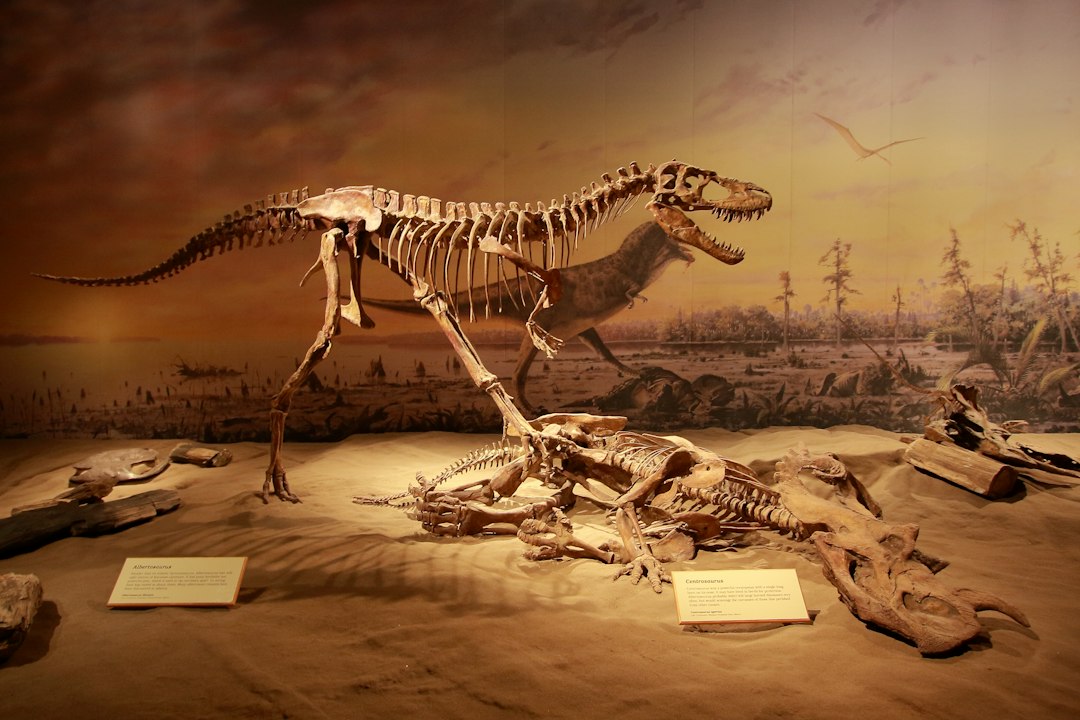
The biting wind howled, a relentless symphony of ice and desolation, whipping snow into blinding white curtains. It was a world unforgiving, a canvas painted in shades of grey and white, where survival was a daily, brutal negotiation. Here, amidst the colossal shadows of mammoths and the guttural roars of saber-toothed cats, a story unfolded not of myth or legend, but of a stark, unyielding reality – the true tale of prehistoric survival, intertwined with the nascent tendrils of ancient lore. This is the chronicle of those who were lost, not in the figurative sense of forgotten history, but literally adrift in time, their lives a testament to the extraordinary resilience of the human spirit in the face of an unforgiving epoch.
Echoes from the Ice Age: A World Untamed
The Pleistocene Epoch, often romanticized as a land of giants and primitive struggle, was, in truth, a period of immense environmental flux and profound challenges. For early humans, navigating this treacherous landscape was a constant endeavor. The vastness of the Siberian tundra, the dense, primeval forests of Europe, and the arid plains of Africa presented a mosaic of dangers and opportunities. Life was intrinsically tied to the rhythms of the seasons, the availability of prey, and the ever-present threat of predation. It was a world where a single misstep could mean the end, where the thin veneer of civilization, barely in its infancy, was constantly tested by the raw power of nature.
The Forging of Early Humans: Adaptability as the Ultimate Tool
The hominin species that populated this era, from Homo erectus to Homo sapiens, possessed a remarkable capacity for adaptation. Their physical attributes, honed by generations of struggle, were their primary weapons. Stronger limbs, enhanced dexterity, and a developing capacity for complex thought allowed them to exploit available resources, fashion crude but effective tools, and coordinate group hunting efforts. This period was not just about brute strength; it was about intelligence, cooperation, and the relentless drive to persist. The discovery of fire, the development of more sophisticated stone tools, and the establishment of early communal living sites marked significant milestones in their journey, each an invention born out of necessity and a deep understanding of their environment. The very survival of these early populations depended on their ability to learn, innovate, and pass down knowledge from one generation to the next, laying the groundwork for all future human development.
Environmental Extremes: The Constant Battle for Sustenance
The Pleistocene was characterized by its glacial cycles, periods of intense cold that reshaped continents and decimated ecosystems. During these ice ages, vast ice sheets advanced, pushing temperate zones towards the equator and creating arid deserts in their wake. For nomadic hunter-gatherer societies, these shifts meant constant movement, following herds of migratory animals and seeking out dwindling sources of water and vegetation. The challenges were immense: finding shelter against brutal storms, procuring enough food to sustain the group, and defending against predators that often dwarfed them in size and power. It was a life lived on the edge, where every sunrise was a victory and every sunset a precursor to the unknown dangers of the night. The ingenuity required to survive these conditions, from developing insulated clothing made from animal hides to understanding the migratory patterns of game, speaks volumes about their intelligence and resourcefulness.
In exploring the fascinating world of prehistoric survival stories, one can draw intriguing parallels to the evolution of navigation techniques used by early humans. An insightful article that delves into this topic is “Navigating the Future: The Evolution of Maps,” which discusses how ancient mapping methods have shaped human understanding of geography and survival strategies. To read more about this captivating journey through time, visit the article here: Navigating the Future: The Evolution of Maps.
The Spark of Consciousness: The Birth of Myth and Meaning

In the crucible of prehistoric survival, amidst the stark realities of hunger, cold, and danger, the human mind began to weave narratives. These were not mere stories; they were the nascent expressions of a developing consciousness, a desperate attempt to understand a world that often felt chaotic and incomprehensible. These early myths and legends served a vital purpose: they provided explanations, offered comfort, and fostered a sense of shared identity and purpose within nascent human communities.
Animism and the Spirit World: Understanding the Unseen Forces
The earliest forms of spiritual belief likely revolved around animism, the idea that all natural objects, phenomena, and the universe itself possess a distinct spirit or consciousness. The thunderous roar of a distant storm, the silent stalk of a leopard, the life-giving flow of a river – all were imbued with a power beyond the immediate, physical realm. Early humans observed the natural world with an intensity born of necessity, and in doing so, began to attribute agency to the forces that shaped their lives. This understanding of a spirit world, inhabited by unseen beings and governed by mysterious forces, became a cornerstone of their cosmology. They sought to appease these spirits, to understand their intentions, and to gain their favor through rituals and offerings. This reverence for the natural world, and the belief in its inherent spiritual essence, laid the foundation for many of the world’s enduring spiritual traditions.
Oral Traditions: The Threads of Collective Memory
Without written language, the transmission of knowledge, beliefs, and experiences relied entirely on oral traditions. Stories, songs, and chants were the vehicles through which vital information was passed down: the location of hunting grounds, the properties of medicinal plants, the warnings about dangerous territories, and the explanations for the world’s phenomena. These narratives, often embellished and passed through generations, became the fabric of their cultural identity. They reinforced social norms, celebrated heroic deeds, and served as cautionary tales. The sheer effort involved in memorizing and reciting these complex narratives underscores the importance placed on collective memory and the preservation of ancestral wisdom. The development of mnemonic devices, such as rhythm and rhyme, played a crucial role in their effective transmission.
Ritual and Symbolism: Seeking Order in Chaos
The human need to impose order on a seemingly chaotic world found expression in ritual and symbolism. From simple offerings made at sacred sites to elaborate ceremonies designed to ensure a successful hunt or a safe childbirth, rituals provided a framework for understanding and influencing the forces that governed their lives. The use of symbolic objects, such as animal totems, painted cave walls, and carved figurines, represented deeper meanings and connections to the spirit world. These symbols were not merely decorative; they were potent representations of their beliefs, their fears, and their aspirations. The recurring motifs found in prehistoric art, such as representations of animals, human figures, and geometric patterns, are early examples of this deep-seated human inclination to communicate and understand through symbolic representation, a precursor to all forms of art and communication.
Encounters with the Unknown: Navigating the Perils of Time

The lives of prehistoric humans were not confined to predictable patterns. Accidental journeys, tribal migrations driven by environmental pressures, and perhaps even inexplicable anomalies could lead individuals or small groups far from their familiar territories, into unknown lands and even, metaphorically, into the realm of the “lost.” These encounters with the unknown were not confined to geographical displacement; they also involved encounters with the unfamiliar, both in terms of the natural world and the nascent spiritual understandings of neighboring groups.
The Isolation of the Lost: Survival Beyond the Familiar
Imagine a small band of hunter-gatherers, perhaps fleeing a devastating drought or a territorial dispute, finding themselves utterly adrift. Their knowledge of the land, their usual hunting grounds, and their established social networks would be rendered useless. Survival would depend on their ability to adapt at an unprecedented pace, to learn new foraging techniques, to identify new dangers, and to forge new social bonds, or perish. This scenario, played out countless times throughout prehistory, represents the starkest form of being “lost.” It was not merely a geographical disorientation but a complete severing from the familiar, a test of their fundamental ability to exist in a hostile environment with dwindling resources and no external support. The psychological toll of such isolation, coupled with the constant physical threat, would have been immense, pushing the boundaries of human endurance.
Tales of the Strange: Encounters with the Other
As human populations expanded and interacted, encounters with groups possessing different customs, beliefs, and perhaps even slight physical variations would have been common. These encounters, whether friendly or hostile, would have fueled stories and legends about the “other.” Tribes might have developed myths about monstrous beings from distant lands, or benevolent spirits who resided in uncharted territories. These narratives, passed down through oral traditions, would have shaped their perceptions of the wider world and instilled both fear and curiosity about what lay beyond the horizon. The “other” could also represent the unknown within their own species, leading to the development of stereotypes and prejudices that, while rooted in survival instinct, would also begin to form the basis of inter-group conflict and cooperation.
The Lure of the Distant: Exploration and Discovery
While survival was paramount, there was also an inherent human drive for exploration and discovery. The desire to know what lay beyond the next mountain range or across the vast plains was a powerful motivator for some individuals and groups. These ventures, while risky, could lead to the discovery of new resources, the expansion of territory, and the exchange of knowledge and ideas with other human populations. The stories of these brave explorers, their triumphs and their failures, would have become part of the collective lore, inspiring future generations to venture into the unknown. It is through these acts of courage and curiosity that the map of the prehistoric world, however crudely understood, was gradually expanded.
The Enduring Legacy: Lore as a Blueprint for Humanity
The tales and beliefs born from the struggles of prehistoric survival are not mere historical curiosities. They are the very foundation upon which human civilization was built. The ancient lore, etched into the collective consciousness of early humanity, provided the blueprints for understanding the world, for organizing societies, and for shaping the human experience. These narratives, passed down through millennia, continue to resonate, offering insights into the enduring aspects of the human condition.
The Archetypes of Survival: Heroes and Tricksters in the Making
The characters that populated prehistoric lore were often archetypal, representing fundamental human traits and experiences. The brave hunter who protected his tribe, the wise elder who guided his people, the cunning trickster who outwitted danger, and the nurturing mother who ensured the continuation of the lineage – these figures embodied the essential qualities needed for survival and social cohesion. These early archetypes, developed in response to the immediate challenges of prehistoric life, laid the groundwork for the vast pantheon of heroes, villains, and deities that would populate the myths and legends of every subsequent civilization. Their stories served as moral compasses and aspirational models, shaping the understanding of good and evil, courage and cowardice, wisdom and folly.
The Genesis of Social Structures: Law and Community in the Making
The need for cooperation and order within prehistoric groups gave rise to the earliest forms of social structures and implicit laws. The stories and rituals of these early communities served to reinforce social norms, define roles and responsibilities, and establish mechanisms for dispute resolution. The concept of collective responsibility, the importance of loyalty to the group, and the understanding that individual actions had consequences for the entire community were all deeply ingrained through the shared lore. These nascent forms of social contract, however unwritten, were essential for the survival and growth of human populations, laying the groundwork for the complex legal and political systems that would emerge in later eras.
The Unseen Hand: The Precursor to Philosophy and Religion
The deep questions that early humans grappled with – the meaning of life, the nature of death, the origin of the universe – were first explored through the lens of their nascent lore. The animistic beliefs, the reverence for natural forces, and the explanations for cosmic phenomena provided the early building blocks for philosophy and religion. These stories offered a framework for understanding humanity’s place in the cosmos, fostering a sense of awe, wonder, and a desire to comprehend the mysteries of existence. The rituals and ceremonies, designed to connect with the spiritual realm, became the precursors to organized religion, providing comfort, meaning, and a sense of purpose in the face of life’s uncertainties.
In exploring the fascinating world of prehistoric survival, one cannot overlook the remarkable ingenuity of early humans, who developed essential tools and techniques to thrive in their environments. This theme of innovation is echoed in the story of Hero of Alexandria, a brilliant inventor whose creations laid the groundwork for many modern technologies. For a deeper understanding of how such inventions shaped human progress, you can read more about it in this insightful article on the ingenious inventions of Hero of Alexandria. These early advancements not only reflect the resourcefulness of our ancestors but also highlight the continuous evolution of human creativity throughout history.
Echoes in the Modern World: Lessons from the Dawn of Time
| Metric | Description | Example/Value | Source/Notes |
|---|---|---|---|
| Estimated Time Period | Approximate era when prehistoric survival stories are set | 2.5 million – 10,000 years ago | Paleolithic to Mesolithic periods |
| Common Survival Challenges | Typical obstacles faced by prehistoric humans | Predator attacks, harsh climate, food scarcity | Based on archaeological findings and ethnographic analogies |
| Survival Techniques | Methods used to overcome challenges | Fire making, tool crafting, cooperative hunting | Supported by fossil and artifact evidence |
| Real Lore Examples | Documented prehistoric survival stories or myths | Neanderthal cave dwellers, Ice Age hunter-gatherers | Derived from cave paintings and oral traditions |
| Average Lifespan | Estimated average age of prehistoric humans | 30-40 years | Based on skeletal remains analysis |
| Group Size | Typical size of prehistoric survival groups | 20-50 individuals | Inferred from settlement patterns and social behavior |
| Survival Rate | Estimated percentage of individuals surviving harsh conditions | Low, approximately 50% infant mortality | Derived from demographic studies of prehistoric populations |
The story of prehistoric survival is not a closed chapter in history; it is a living legacy that continues to inform and influence us. The ingenuity, resilience, and capacity for abstract thought that characterized our ancestors are woven into the very fabric of our being. By understanding their struggles and the lore they created, we gain a deeper appreciation for the journey of humanity and the enduring lessons that have shaped our present.
The Persistent Human Drive: Innovation and Adaptation
The core lesson from prehistoric survival is the remarkable and persistent human drive to innovate and adapt. Faced with seemingly insurmountable challenges, our ancestors found ways to thrive, not through brute force alone, but through intelligence, cooperation, and a relentless capacity to learn and evolve. This fundamental characteristic remains our greatest asset in navigating the complexities of the modern world, whether confronting environmental crises, technological advancements, or social upheaval. The spirit of ingenuity that led to the creation of the first tools and the taming of fire still fuels our progress and our ability to overcome adversity.
The Enduring Power of Narrative: Shaping Belief and Identity
The importance of narrative, so central to prehistoric lore, continues to shape our understanding of ourselves and the world around us. Stories, whether in the form of literature, film, or personal anecdotes, continue to be powerful tools for transmitting knowledge, fostering empathy, and forging collective identity. The archetypes that emerged in the dawn of time still resonate in our modern stories, reminding us of the fundamental human experiences that connect us across time and culture. The way we tell our stories, and the stories we choose to believe, continue to define our reality and our place within it.
The Search for Meaning: A Timeless Quest
The ancient search for meaning, so evident in the lore of our ancestors, is a quest that remains at the heart of the human experience. In a world that can often feel chaotic and overwhelming, the desire to understand our purpose, our origins, and our connection to something larger than ourselves is a constant. The echoes of prehistoric lore, with its attempts to explain the inexplicable and to find order in the universe, serve as a reminder that this search for meaning is not a new phenomenon but an intrinsic part of what it means to be human, a journey that began in the harsh, untamed world of our earliest ancestors and continues to unfold today.
