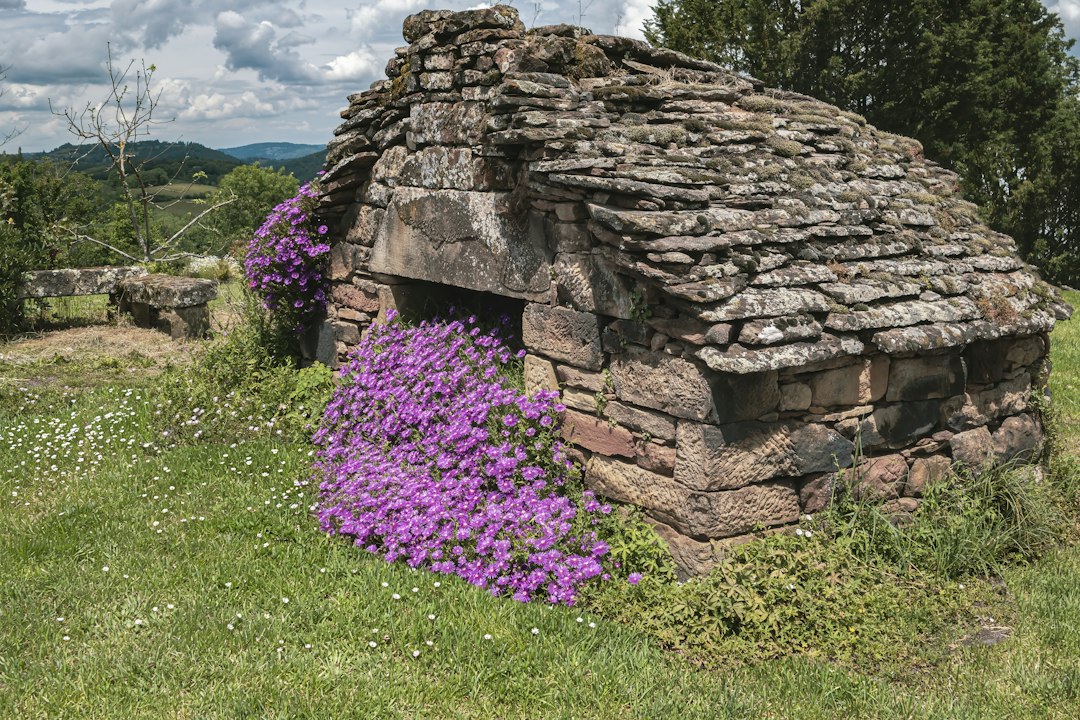
The ancient stone shelter, a sentinel against the elements for millennia, finally succumbed to the unyielding fury of the tempest. Its weathered stones, once a testament to human ingenuity and enduring craftsmanship, crumbled and fell, marking the end of an era and a profound loss for historical understanding. The storm, characterized by unprecedented winds and torrential downpours, raged for days, battering the remote site with a ferocity rarely witnessed. This article will delve into the history of this remarkable structure, the specifics of the catastrophic storm, the immediate aftermath, the implications for archaeological research, and the potential pathways for preservation and future study.
The Silent Guardian’s Long Vigil
For countless generations, the ancient stone shelter stood as a silent guardian on a windswept plateau, its origins shrouded in the mists of prehistory. Local lore and fragmented archaeological evidence pointed to its construction by a long-vanished people, a society that possessed an intimate understanding of their environment and a mastery of stone construction. The shelter, a semi-subterranean dwelling carved partly into the bedrock and reinforced with meticulously placed megalithic stones, was more than just a dwelling; it was a testament to their resilience and their ability to carve a life from a harsh landscape.
Echoes of a Bygone Era
The construction techniques employed were remarkably sophisticated for their time. Massive, roughly hewn stones, some weighing several tons, were fitted together with astonishing precision, creating walls that were both sturdy and capable of withstanding the prevailing winds. The internal layout, revealed through decades of careful excavation, suggested a communal living space, with evidence of hearths, sleeping platforms, and storage areas. The placement of the shelter itself was strategic, offering protection from the most severe gales while also providing an unobstructed view of the surrounding plains, a vital advantage for early hunter-gatherer communities.
Whispers from the Past
Artifacts unearthed within and around the shelter painted a vivid picture of daily life. Flint tools, bone implements, pottery shards adorned with simple yet evocative patterns, and the remnants of animal bones spoke of a diet rich in game and seasonal foraging. More intriguing were the enigmatic carvings found etched into some of the inner stones – abstract symbols and representations of local fauna that archaeologists have long debated the meaning of. These glyphs offered tantalizing glimpses into the spiritual beliefs and worldview of the shelter’s inhabitants.
A Chronicle of Climatic Extremes
The very survival of the shelter for so long was a testament to its robust construction and the relatively stable climate it had endured for much of its existence. While it had undoubtedly weathered its share of storms over the centuries, the recent tempest represented a magnitude of destructive force that previous generations had perhaps never encountered. The constant exposure to the elements, the freeze-thaw cycles of winter, and the relentless erosion of wind and rain had, over millennia, subtly weakened its foundational integrity.
The study of ancient stone shelters and their vulnerability to storm damage highlights the importance of understanding historical water management systems. For a deeper insight into how ancient civilizations adapted to environmental challenges, you can explore the article on ancient water management systems, which discusses various techniques used to harness and manage water resources effectively. This article can be found at Uncovering Ancient Water Management Systems.
The Tempest’s Unrelenting Assault

The storm that led to the shelter’s collapse was not a mere passing squall; it was a meteorological event of extraordinary power, an atmospheric onslaught that unleashed its fury with a relentless and sustained intensity. Forecasters had warned of a significant weather system developing, but the actual ferocity and duration of the storm exceeded even the most dire predictions, catching many by surprise and leaving a trail of devastation in its wake.
Winds That Howled Like Beasts
The winds were the primary agents of destruction. Sustained gusts of over 100 miles per hour, with reported peaks approaching 130 mph, created a continuous, pulverizing force against the ancient stonework. These were not the short, sharp blasts of a typical gale but a constant, grinding pressure that tested the very limits of the structure’s cohesion. The sheer kinetic energy transferred by these winds was immense, acting like a colossal hammer against the aging edifice.
A Deluge of Unprecedented Scale
Accompanying the ferocious winds was a torrential downpour of a magnitude rarely seen in the region. Rivers swelled, and drainage systems, inadequate for such an inundation, were overwhelmed. The constant saturation of the earth around the shelter’s foundations would have significantly weakened its base, reducing the friction and support provided by the soil. Water, seeping into every crack and crevice, also contributed to a destabilizing freeze-thaw cycle, even within the context of a single prolonged storm.
The Symphony of Destruction
The storm’s progression was a symphony of destruction. Initial warnings of high winds were followed by an escalating roar as the gale intensified. The sound of the wind whistling through the ancient stones, once a familiar and almost comforting sound, was replaced by a terrifying shriek. Then came the percussive impact of falling debris – smaller stones dislodged by the wind, followed by the ominous groan of larger blocks shifting under immense pressure. The continuous battering eventually reached a tipping point, a catastrophic cascade of ancient masonry.
The Dust Settles: Immediate Aftermath
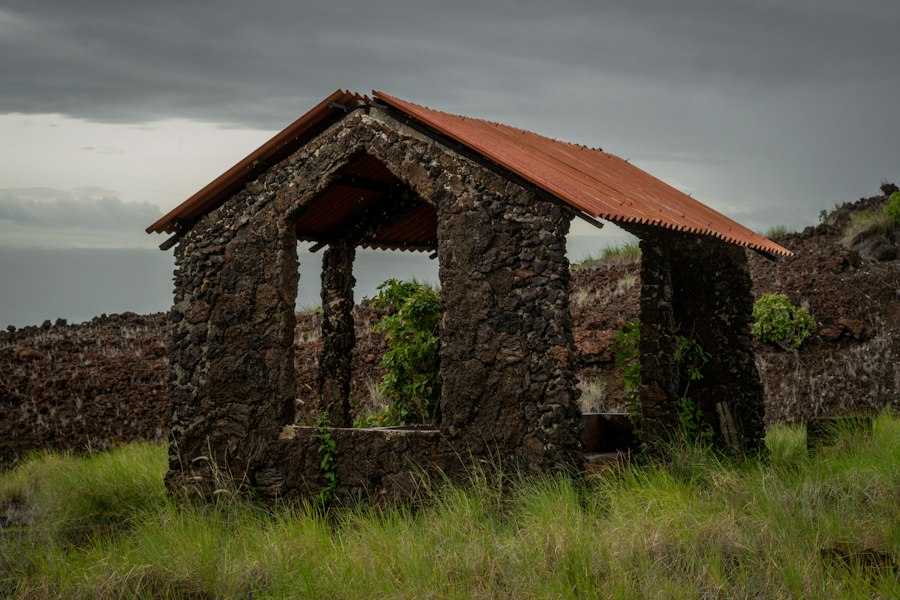
As the storm finally abated, leaving behind a landscape scarred and reshaped, the full extent of the damage to the ancient stone shelter became devastatingly clear. The once proud structure, a landmark of enduring history, was now a ruin, its stones scattered like fallen teeth. The immediate aftermath was a scene of profound loss and a stark reminder of nature’s raw power.
A Landscape of Rubble
Where solid walls once stood, there was now a chaotic jumble of dislodged stones, some perfectly intact, others fractured by the immense forces they had endured. The roof, likely constructed from large, flat stones and perhaps reinforced with timbers that have long since rotted away, had collapsed inward, burying much of the interior. The semi-subterranean nature of the shelter meant that the debris formed a substantial mound, obscuring much of what remained of the original structure.
The Silence After the Roar
The abrupt silence that followed the cessation of the storm was almost as unsettling as its fury. The wind had died down, and the rain had ceased, leaving behind a chilling stillness. This silence, however, was punctuated by the mournful calls of birds and the distant trickle of water, sounds that seemed to emphasize the void left by the shelter’s destruction. The once vibrant echoes of human activity that had resonated within its walls for millennia were now replaced by the somber quiet of ruin.
Initial Site Assessment
Local authorities and a small team of archaeologists, alerted by reports from nearby communities, were among the first to arrive at the site. Their initial assessment was one of deep regret and a sense of urgency. The primary concern was to secure the site as best as possible, given the instability of the remaining structure and the potential for further collapse. They began a preliminary survey, meticulously documenting the extent of the destruction and noting the position of key fallen stones, hoping to salvage as much information as possible from the wreckage.
Implications for Archaeological Understanding
The collapse of the ancient stone shelter represents a significant setback for archaeological research, particularly for understanding the lives and culture of its ancient inhabitants. The structure served as a unique time capsule, its undisturbed layers holding invaluable clues about human adaptation, technological development, and social organization in prehistoric times. Its destruction has erased a significant portion of this irreplaceable record.
A Lost Chapter of History
The shelter was a rare example of a well-preserved prehistoric dwelling in the region. Its careful construction and semi-subterranean nature had protected its contents from the ravages of time and the elements for an exceptionally long period. The artifacts and architectural features within provided a direct link to a distant past, offering insights that could not be gleaned from more fragmented sites. Its collapse has effectively closed a vital chapter in the region’s historical narrative.
The Challenge of Reconstructing the Past
The task of reconstructing the shelter’s original form and understanding its function has become immeasurably more difficult. While detailed plans and photographic records existed from previous excavations, the physical evidence has been severely compromised. Archaeologists will now face the immense challenge of piecing together the story from scattered fragments, relying heavily on interpretation and comparison with other known sites, which may not offer direct parallels.
Gaps in Knowledge and Future Research
The destruction means that many questions about the shelter’s inhabitants will likely remain unanswered. The exact dating of its construction and occupation periods, the specific uses of different internal spaces, the nuances of their social structures, and the precise meaning of their symbolic carvings are now harder to ascertain. Future research will need to focus on meticulously cataloging the debris, employing advanced imaging techniques to analyze the fallen stones, and perhaps conducting wider surveys of the surrounding area to find related settlements or burial sites that might shed light on the shelter’s occupants.
Recent studies have examined the impact of severe weather on ancient stone shelters, highlighting how storms can lead to structural failures that threaten their preservation. For a deeper understanding of the broader implications of regional governance and autonomy in managing such historical sites, you can read more in this insightful article on the subject. The connection between environmental challenges and local decision-making is crucial, and exploring these themes can shed light on the importance of protecting our cultural heritage. Check out the article here for more information.
Towards Preservation and Future Study
| Metric | Value | Unit | Notes |
|---|---|---|---|
| Storm Wind Speed | 120 | km/h | Maximum recorded wind speed during failure event |
| Rainfall Intensity | 85 | mm/hr | Peak rainfall during storm causing structural weakening |
| Structural Integrity Rating | 3 | Scale 1-10 | Pre-storm assessment of shelter condition |
| Failure Mode | Wall Collapse | N/A | Primary failure observed during storm |
| Age of Shelter | 1500 | Years | Estimated age of the stone shelter |
| Material Composition | Limestone | N/A | Main stone type used in construction |
| Previous Repairs | 2 | Count | Number of documented repairs before failure |
| Duration of Storm | 6 | Hours | Total time storm impacted the shelter |
Despite the devastating loss, the immediate focus shifts towards what can be salvaged and how to approach the future study of this significant archaeological site. The efforts to preserve any remaining evidence and to learn from this tragedy are crucial to ensure that this loss does not render the shelter’s historical significance entirely forgotten.
Documentation and Salvage Operations
The priority for archaeologists and heritage organizations is now comprehensive documentation. This involves detailed photographic and videographic recording of the fallen stones, their positions, and any discernible features. Furthermore, careful cataloging of any recovered artifacts is paramount. Salvage operations will be conducted with the utmost care, aiming to extract any remaining undisturbed layers or significant structural elements before they too degrade or are lost. This meticulous process will form the basis for any future interpretation.
The Potential for Reconstruction and Interpretation
While a full physical reconstruction of the shelter may be unfeasible, the gathered data could potentially be used to create detailed digital reconstructions. These virtual models would allow researchers and the public to explore the shelter as it once was, offering a valuable educational resource. Interpretation will also be key. By comparing the findings from the fallen shelter with other known prehistoric sites in the region and beyond, archaeologists can attempt to fill in some of the knowledge gaps and draw more informed conclusions about the lives and society of its builders.
Engaging the Public and Securing Future Support
The story of the ancient stone shelter’s collapse is a poignant reminder of the fragility of historical heritage and the power of natural forces. Public engagement through exhibitions, documentaries, and online resources will be vital in raising awareness about the importance of preserving such sites and in garnering support for ongoing research. Lessons learned from this catastrophic event can inform future preservation strategies for other vulnerable historical structures, emphasizing the need for proactive monitoring and, where possible, protective measures against increasingly extreme weather patterns. The silent guardian has fallen, but its story, though altered, can and must continue to be told.