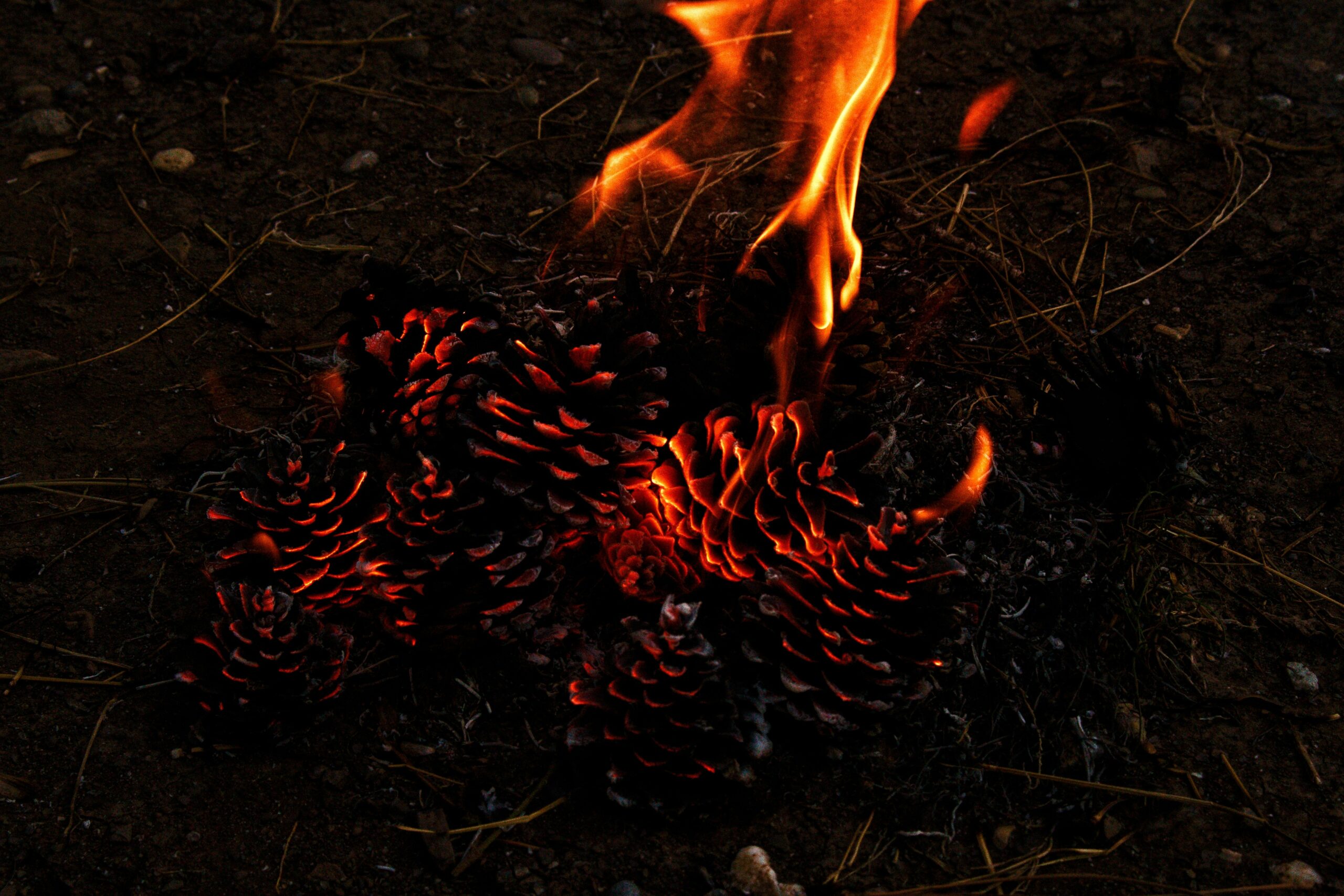
The crackling embrace of a campfire, a haven against the encroaching chill, hinges on the magician’s touch of the fire maker. More than just brute force, it’s a delicate art, and at its heart lies the humble yet indispensable fire bundle, a carefully crafted collection of dry, fibrous materials that will eagerly accept the spark and translate it into the dancing flames that bring warmth and light. Understanding how to create effective kindling, or “dry skin fire bundles” as some purists might call them, is paramount for anyone seeking reliable fire ignition in diverse conditions. This article delves into the intricacies of crafting these essential components, offering practical advice and insights for both novice campers and seasoned outdoorsmen.
The Foundation: Understanding the Essence of Good Kindling
The effectiveness of a fire bundle rests on a few fundamental principles. It’s not simply about gathering twigs; it’s about understanding the properties that make a material receptive to ignition and capable of sustaining a flame long enough to ignite larger fuel. The term “dry skin” itself implies a superficial dryness, a readiness to combust, but it also suggests a protective outer layer that, once breached, reveals the readily ignitable inner core. This delicate balance is crucial.
Moisture Content: The Silent Fire Killer
The most critical factor, by far, is moisture. Even a seemingly dry piece of wood or plant matter can harbor enough internal moisture to significantly hinder ignition. When a spark or flame encounters moisture, it expends its energy in evaporating that water before it can heat the material to its ignition point. This is why even a light dew or recent rain can render otherwise promising kindling useless. Ideally, kindling should have a moisture content of less than 15%. Achieving this often requires meticulous collection and proper drying techniques.
Surface Area and Fiber Structure: The Catchers of Flame
Beyond dryness, the physical structure of the material plays a vital role. Effective kindling possesses a high surface area relative to its volume. This allows the flame to spread quickly and efficiently across the material. Think of it like spreading butter on toast – a thin, even layer catches the heat more effectively than a glob. Furthermore, the internal fiber structure is important. Materials with loosely packed, feathery fibers tend to catch and hold a flame more readily than dense, solid materials. These fine fibers act as wicks, drawing the heat and igniting in a cascade.
Ignition Point and Burn Time: The Race Against Extinguishment
Every material has an ignition point – the temperature at which it will spontaneously combust. Kindling materials should have a relatively low ignition point, meaning they will catch fire easily with minimal heat input. Once ignited, they need to burn long enough and hot enough to transfer that heat to the next stage of fuel, typically tinder and then progressively larger pieces of wood. A bundle of kindling that flashes brightly for a second and then dies is far less useful than one that smolders and burns with a steady flame for a minute or two, providing ample time for the fire to establish itself.
If you’re looking to understand the broader implications of environmental factors on skin health, you might find the article on the potential threats posed by Chinese electric vehicles to the U.S. market quite enlightening. While it may seem unrelated at first, the discussion around environmental changes and their impact on consumer products can provide valuable insights into how our surroundings influence skin conditions like dryness. For more details, check out the article here: Chinese EVs Threat to U.S. Market.
Gathering Your Arsenal: The Best Materials for Fire Bundles
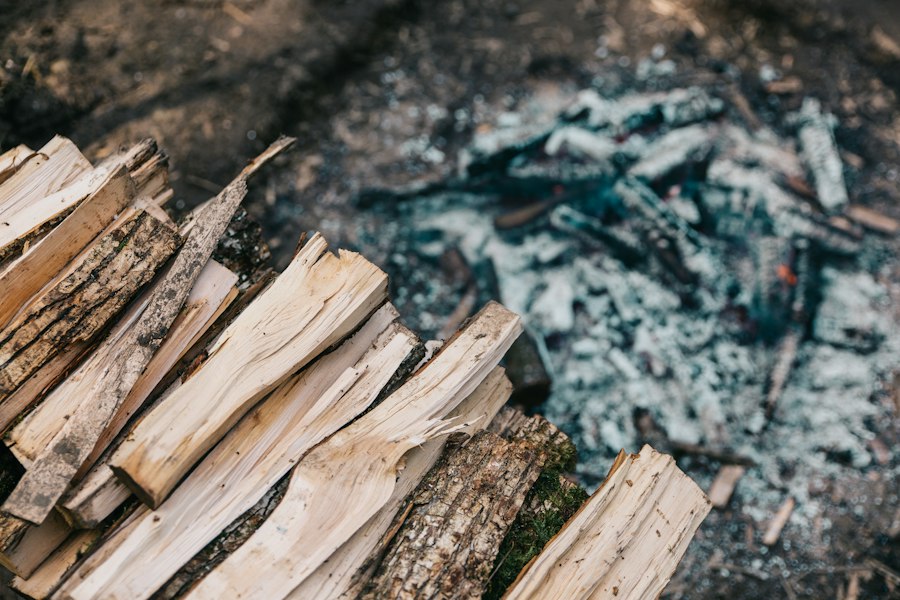
The natural world offers a surprising array of potential materials for crafting effective fire bundles. The key is to be observant, resourceful, and to understand the characteristics that make each material suitable. It’s often beneficial to combine different types of materials within a single bundle to leverage their unique properties.
The Power of Bark: Nature’s Built-in Fire Starters
Many types of tree bark are exceptionally well-suited for fire bundles due to their dry, fibrous nature and often high oil content. Birch bark, in particular, is legendary among fire makers. Its papery, layered structure and natural oils make it incredibly flammable, even when slightly damp. The outer, papery layers can be peeled off in thin sheets, which can then be bundled. The oils within the bark act as a natural accelerant, making it ignite with surprising ease. Other barks, such as cedar and pine, can also be excellent, provided they are dry and can be easily separated into thin strips. The key is to look for bark that is loose and peeling, indicating it’s dry and ready to be processed. Avoid bark that is firmly attached to the tree, as it is likely to be more saturated with moisture.
Feather Sticks and Shavings: Precision Engineering for Ignition
For a more refined approach to kindling, the art of making feather sticks and shavings is invaluable. This technique involves carefully shaving thin curls from a piece of dry wood, leaving them attached to the main shaft. These delicate curls dramatically increase the surface area, and their thinness makes them highly susceptible to ignition. The thicker part of the stick acts as a handle, allowing you to hold the kindling steady as it catches.
Creating a Feather Stick
To create a feather stick, select a dry, straight piece of softwood, such as pine, spruce, or fir. Using a sharp knife, begin shaving thin, consistent curls from one side of the stick. The curls should be as thin as possible without breaking off entirely. Aim for a “feather” like appearance, with many delicate strands radiating from the core. The denser you pack the curls, the more readily the flame will spread between them. It’s a patient process that rewards precision and a keen eye for detail.
The Art of Shavings
Similar to feather sticks, wood shavings can be produced by scraping or planing dry wood. These are essentially thin slivers of wood that can be gathered and bundled. A sharp knife or even a dedicated wood plane can be used to create these fine shavings. The goal is to produce a volume of material that will readily catch a spark and burn. Pine, cedar, and even dry oak can be used, but it’s crucial that the wood is completely dry.
Grasses and Reeds: Abundant and Accessible Kindling
Dry grasses, reeds, and seed heads can form the bulk of an effective fire bundle, especially in environments where wood is scarce or difficult to process. The key here is to ensure they are thoroughly dried and to gather them in sufficient quantities. Brittle, dead grasses are ideal, as they will easily crumble and provide a fluffy, ignitable material.
Harvesting and Drying Techniques
When collecting grasses, look for those that are brown and brittle. If they are still green or have a significant amount of moisture, they will not burn effectively. It’s often best to harvest them and then allow them to dry further in a warm, sunny, and breezy location for a few days. You can spread them out on a tarp or hang them in bundles to speed up the drying process. The finer the grass, the quicker it will ignite, so consider crushing or rubbing the dried grasses to break them down into smaller, more combustible fibers.
Utilizing Seed Heads and Cattails
The fluffy seed heads of various plants, such as cattails, are exceptional fire starters. The fine, downy material readily catches a spark and burns with surprising intensity. Cattail fluff is particularly effective due to its fibrous nature and ability to trap air, which aids combustion. When gathering cattail fluff, ensure it is dry. If it feels damp, it will likely smolder rather than ignite.
Construction Techniques: Assembling Your Fire Bundle

The way you assemble your fire bundle significantly impacts its ability to ignite and sustain a flame. A loosely packed bundle can allow air to escape too quickly, while an overly dense one can suffocate the nascent flame. The goal is to create a structure that holds together, allows for airflow, and provides ample surface area for ignition.
The Bundle Method: Simplicity and Effectiveness
The most straightforward and often most effective method is the traditional bundle. Gather your chosen kindling materials and arrange them in a way that allows for easy ignition. For fibrous materials like bark or dried grass, it’s best to create a loose, nest-like structure.
Building a Bark Bundle
Begin with a central core of finer, more easily ignitable material, such as birch bark shavings or dry grass. Then, wrap larger pieces of bark around this core, ensuring they are layered loosely enough to allow air to circulate. The outer layers should be slightly more exposed, making them easier to ignite. You can tie the bundle loosely with a piece of natural fiber, such as a thin strip of inner bark or a dried plant stem, to keep it from falling apart.
Grass and Reed Bundles
For dried grasses and reeds, gather a generous handful and twist them together loosely. The twisting creates a more cohesive unit that is easier to handle and ignite. Again, ensure the core is packed with finer material. The key is to create a structure that will hold a flame. If you’re using a variety of grasses, you can layer finer, fluffier materials on the inside and coarser, longer strands on the outside.
Incorporating a Tinder Core: The Ignitable Heart
Every effective fire bundle benefits from a dedicated tinder core. This is the material within the bundle that is designed to catch the initial spark or flame and burn with enough intensity to ignite the surrounding kindling. Fine, dry materials are best for this purpose.
Selecting the Right Tinder
Excellent tinder materials include cottonwood fuzz, dried grass heads, bird’s nests (ensure they are abandoned), and finely scraped inner bark of certain trees. The finer and fluffier the material, the more surface area it presents to the spark, and the more readily it will ignite. It’s crucial that this tinder core is absolutely dry. Even a hint of moisture can prevent it from catching.
Placement and Protection
The tinder core should be placed in the very center of the fire bundle, surrounded by the slightly coarser kindling. This allows the heat from the burning tinder to easily transfer to the kindling. The surrounding kindling also serves to protect the delicate tinder from wind and to prolong its burn time by providing a steady supply of fuel.
Binding and Securing: Maintaining Integrity
How you bind your fire bundle is crucial for its structural integrity. A bundle that falls apart before it has a chance to ignite is a wasted effort. However, overly tight binding can restrict airflow and hinder combustion.
Natural Fiber Ties
Natural fibers are the preferred method for binding fire bundles. Strips of inner bark, dried plant stems, or even long, flexible roots can be used. These ties are biodegradable and blend naturally with the environment. The key is to tie them loosely enough to allow for airflow but securely enough to hold the bundle together.
Strategic Placement of Ties
Place your ties strategically. For a long, stick-like bundle, one tie in the middle and perhaps one near each end is often sufficient. For a more spherical bundle, you might weave the tie around it several times. Experimentation is key here; what works best will depend on the materials you are using and the shape of your bundle.
Advanced Techniques and Considerations: Optimizing Your Kindling
Beyond the basic construction, a few advanced techniques and considerations can elevate your fire-making prowess and ensure success even in challenging conditions. Paying attention to these details can make the difference between a frustrating struggle and a swift, satisfying ignition.
The Magic of Fatwood: Nature’s Accelerant
Fatwood, also known as pitchwood, is resin-impregnated pine wood that is exceptionally flammable. It is formed when pine trees are wounded, causing them to produce a thick, resinous sap. This resin burns with an intense, long-lasting flame and a pleasant aroma, making it an invaluable component of any fire bundle, especially in damp conditions.
Identifying and Harvesting Fatwood
Fatwood is typically found in dead pine trees, particularly at the base of the tree or where branches have broken off. It will feel heavier and stickier than normal wood and may have a reddish-brown color. When you find it, carefully shave off thin slivers or small chunks. These can be incorporated directly into your fire bundle.
Using Fatwood Effectively
A few slivers of fatwood can significantly boost the ignitability of a fire bundle, even if the other materials are slightly damp. Its high resin content means it burns hot and fast, providing the necessary heat to ignite the surrounding kindling. It can be used as part of the tinder core or mixed in with the other kindling.
The Role of Wind: Friend or Foe
Wind is a double-edged sword when it comes to fire starting. While a gentle breeze can provide the oxygen needed for combustion, a strong gust can extinguish a nascent flame. Understanding how to work with or against the wind is crucial.
Shielding Your Spark
When you are attempting to ignite your fire bundle, it is essential to shield it from direct wind. Cupping your hands around the bundle and the ignition source can create a temporary pocket of still air. If you are using a ferrocerium rod and striker, aim the sparks directly at the tinder core, protected from the wind.
Using Wind to Your Advantage
Once the kindling is burning well, a gentle breeze can actually help to feed the flames. However, it is still important to monitor the wind and adjust the placement of your fire bundle or the larger fuel as needed to prevent it from being blown out. In very windy conditions, consider building a windbreak with larger rocks or logs before attempting to start your fire.
Preparing for Different Environments: Adapting Your Strategy
The optimal materials and techniques for fire bundle making will vary depending on the environment you are in. What works in a dry forest might not be as effective in a damp coastal area or a snowy wilderness.
Damp Conditions: Embracing the Resins and Oils
In damp environments, focus on materials that have natural oils or resins, such as fatwood and birch bark. You may also need to spend more time drying your collected materials, perhaps using a small amount of heat from a previously established fire to speed up the process. Consider bringing some pre-made, waterproof tinder, such as cotton balls soaked in petroleum jelly, as a backup.
Snowy Conditions: Reaching for the Inner Bark
In snowy conditions, the ground will be saturated. Look for standing dead trees or snags, as these are often drier than downed wood. The inner bark of certain trees, such as cedar, can be scraped into fine fibers and will often remain dry even when the outer bark is wet. Pine needles, if thoroughly dried, can also be a good option.
Storage and Preservation: Keeping Your Kindling Ready
Once you have crafted your fire bundles, proper storage is essential to ensure they remain dry and ready for use. Damp kindling is essentially useless.
Waterproof Containers
The best way to store fire bundles is in a waterproof container. Ziploc bags, dry bags, or even a sealed plastic container will keep moisture out. Ensure the bundles are completely dry before storing them.
Natural Air Drying
If you are preparing bundles in advance, allow them to air dry thoroughly in a warm, well-ventilated area. Avoid storing them in humid environments. If you are camping, you can often dry bundles by placing them near your campfire (but not too close, lest they ignite prematurely).
If you’re struggling with dry skin, you might find the concept of a fire bundle particularly intriguing, as it can help in creating a soothing environment for your skin. To explore more about innovative approaches to skin care, you can check out this fascinating article on ancient technology that has influenced modern practices. For more insights, visit this article and discover how ancient wisdom can enhance your skincare routine.
The Final Spark: Practice and Persistence
| Metric | Description | Typical Values | Importance |
|---|---|---|---|
| Moisture Content (%) | Percentage of water in the dry skin used for fire bundle | 5-15% | Low moisture ensures easier ignition and better burning |
| Bundle Weight (grams) | Total weight of the dry skin fire bundle | 200-500 g | Affects burn duration and portability |
| Ignition Time (seconds) | Time taken for the bundle to catch fire | 10-30 seconds | Short ignition time is preferred for quick fire starting |
| Burn Duration (minutes) | How long the fire bundle burns effectively | 15-45 minutes | Longer burn duration provides sustained heat |
| Bundle Diameter (cm) | Thickness of the fire bundle | 5-10 cm | Influences burn rate and ease of handling |
| Type of Dry Skin | Material used (e.g., birch bark, pine bark) | Birch bark, Pine bark, Cedar bark | Different skins have varying resin content affecting burn quality |
| Resin Content (%) | Amount of natural resin in the dry skin | 10-30% | Higher resin content improves flammability |
Ultimately, the most effective fire bundle maker is one who has practiced their craft extensively. Understanding the theory is one thing, but applying it in real-world scenarios, under varying conditions, builds the intuitive knowledge and skill that truly separates the novice from the expert.
Mastering Your Tools
Whether you are using a knife to create feather sticks, a ferrocerium rod to generate sparks, or simply a match and a steady hand, becoming proficient with your fire-starting tools is essential. Each tool has its own nuances, and practice will help you understand its strengths and limitations.
Learning from Each Fire
Every attempt to start a fire, whether successful or not, is a learning opportunity. Analyze what worked and what didn’t. Was the kindling too damp? Was the tinder core insufficient? Was the bundle too tightly packed? By critically evaluating each attempt, you can refine your techniques and improve your success rate.
The Joy of a Well-Built Fire
There is a profound satisfaction that comes from building a successful fire, especially when starting from scratch with nothing but natural materials. The warmth, the light, and the primal connection to the elements are rewarding experiences. The humble fire bundle, crafted with care and knowledge, is the unsung hero of this ancient and essential human activity. Embrace the process, gather your dry skins, and enjoy the magic of a well-made fire.