The Unseen Architects: Female Bonds in Early Human Survival
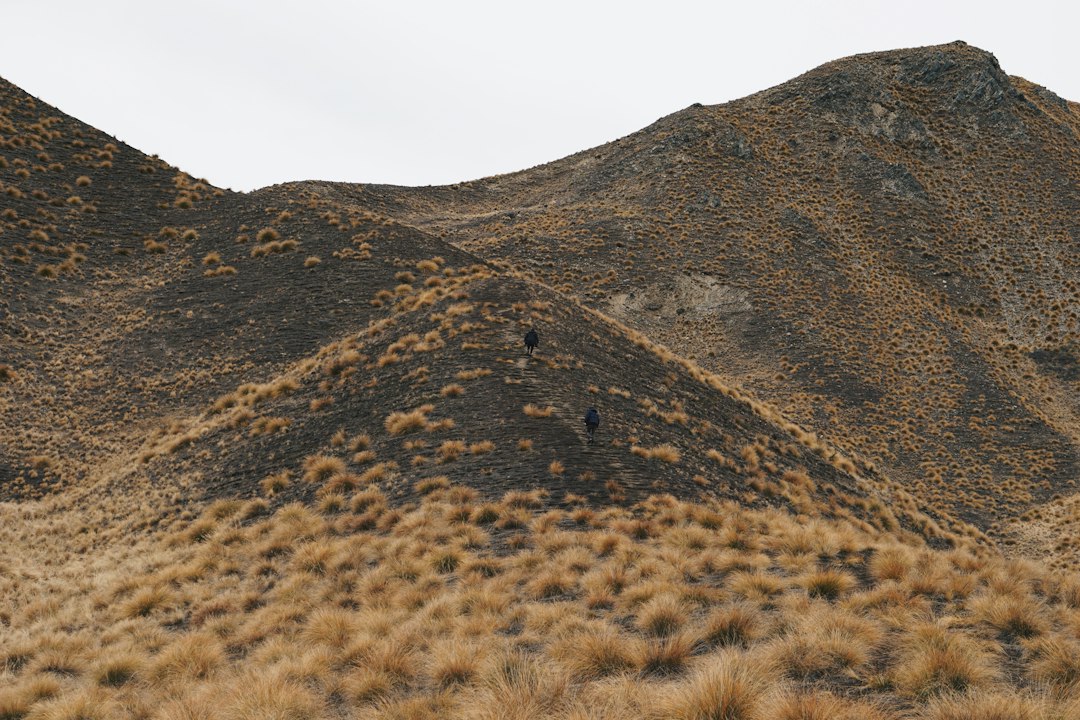
The narrative of early human evolution is often painted with broad strokes of individual achievement, the lone hunter, the ingenious toolmaker. Yet, beneath this familiar tableau lies a more intricate and perhaps more fundamental story: the vital role of female social bonds in ensuring the survival of our species. The image of early human daughters, not just as individuals but as a collective, seeking solace and strength in shared physicality, specifically by holding hands on higher ground, offers a potent metaphor for a crucial survival strategy. This act, seemingly simple, speaks volumes about the intricate ways in which early human females fostered safety, facilitated learning, and strengthened the communal fabric that allowed humanity to not merely endure, but to thrive against formidable odds.
The very notion of “higher ground” in the context of early hominin existence conjures immediate survival advantages. Elevated positions offered better vantage points to survey the surrounding landscape, spotting both potential predators and scarce resources. They also provided a degree of insulation from ground-dwelling dangers, be they venomous creatures or unexpected territorial disputes. Within this context of seeking elevation for safety, the physical act of holding hands among daughters, a concept that stretches across millennia of human experience, transcends mere sentimentality. It represents a tangible expression of mutual support, a primal instinct to connect and protect, woven into the very fabric of early human sociality.
In exploring the dynamics of early human societies, one intriguing aspect is how daughters may have played a crucial role in maintaining familial bonds and social cohesion, particularly in challenging environments. This concept is reminiscent of the ways early humans navigated their landscapes, as discussed in a related article that delves into historical navigation and mapping. For a deeper understanding of how early explorers, including Columbus, interacted with their surroundings, you can read more in this article: Exploring the Piri Reis Map and Columbus.
The Genesis of a Shared Sanctuary: Understanding the Evolutionary Imperative

The challenges faced by early human populations were immense. The savanna, the cradle of our evolution, was a landscape teeming with dangers. Large predators stalked the plains, food sources were often unpredictable and seasonal, and the environment itself could be unforgiving. In such a precarious existence, individual vulnerability was a significant liability. It was within this crucible of necessity that strong social bonds, particularly among females, likely emerged as a paramount survival mechanism. The female role in reproduction and child-rearing naturally fostered a focus on community and cooperation, as the survival of offspring was a shared responsibility and a prolonged endeavor.
Protecting the Vulnerable: A Collective Shield Against Predators and Perils
The primary and most immediate benefit of close physical proximity for early human daughters would have been enhanced protection. A group of individuals, especially those less capable of defending themselves independently, presents a more formidable deterrent to predators. A cluster of bodies, amplified by shared vigilance, could startle or overwhelm smaller threats and make larger ones think twice. The act of holding hands, in this scenario, served as a constant, tangible reminder of this collective defense. It ensured that no one strayed too far, minimizing the risk of isolation and individual attack. Furthermore, “higher ground” provided a tactical advantage. Being on an elevated position allowed for earlier detection of approaching dangers, giving the group more time to react, to retreat to safer locations, or to prepare a collective defense.
Navigating the Landscape: Shared Knowledge and Skill Transmission
Beyond immediate physical safety, the act of holding hands on higher ground also played a crucial role in the transmission of essential knowledge and skills. For young females, the act of accompanying elders or more experienced individuals to elevated vantage points was an implicit learning experience. They were exposed to the strategies of observation, the identification of edible plants, the signs of water sources, and the subtle cues of the environment that signaled danger or opportunity. Holding hands ensured a constant physical connection, allowing for whispered instructions, guided gestures, and the comfort of reassuring touch during these formative excursions. This facilitated a more immersive and less risky form of education, where practical skills were learned through direct experience and constant mentorship.
Nurturing Future Generations: The Foundation of Communal Care
The survival of any species hinges on its ability to reproduce and raise subsequent generations successfully. For early humans, this was a particularly demanding task. The prolonged period of childhood dependency meant that mothers and other females within the group bore a significant burden of care. The act of holding hands among daughters, especially when venturing to higher ground, also served to reinforce the bonds that would be essential for communal child-rearing. These excursions could have been opportunities for older daughters to learn about foraging for nutritious foods that would be vital for lactating mothers and growing infants, or to discover sheltered spots for infants to be safely left while mothers foraged. The shared experience of seeking and securing resources, facilitated by physical connection, would have fostered a sense of shared responsibility and mutual support that was critical for the survival of the entire community, particularly its youngest and most vulnerable members.
The Silent Language of Touch: Communication Beyond Words

In the absence of complex spoken language, physical touch served as a fundamental form of communication for early humans. The act of holding hands, as described in the context of early human daughters on higher ground, is a powerful illustration of this. It was a language of reassurance, of shared purpose, and of mutual awareness that transcended the limitations of vocalization. This silent dialogue was crucial for coordinating actions, conveying emotions, and maintaining social cohesion in a world where immediate understanding and cooperation were paramount.
Conveying Safety and Reassurance: A Primal Comfort in Uncertain Times
The world for early hominins was a tapestry of constant uncertainty. The rustle of leaves could signal prey or predator, a sudden shift in weather could bring peril. In such an environment, the presence of another, and the tangible connection of holding hands, offered a profound sense of reassurance. For young daughters, navigating this complex and often frightening world, the gentle squeeze of a hand, the steady grip of a companion, would have been a powerful non-verbal communication of safety. It conveyed: “You are not alone. I am here with you.” This primal comfort, rooted in physical connection, was essential for emotional regulation and the development of resilience in the face of adversity. It allowed individuals to face challenges with a greater sense of security, knowing they were part of a connected unit.
Coordinating Actions and Shared Intentions: A Subtle but Effective Partnership
Beyond emotional support, holding hands facilitated coordinated action. Imagine a group of early human daughters traversing a rocky incline or navigating a dense thicket. A shared grip could indicate a shared intention to move in a specific direction, to pause at a certain point, or to communicate an urgent need for caution. This subtle form of non-verbal coordination allowed for efficient movement and a higher degree of success in tasks requiring collective effort. It was a silent agreement, a mutual understanding forged through the simple act of physical linkage, enabling them to work together seamlessly, ensuring that collective efforts were synchronized and effective, whether it was gathering food, scouting for danger, or finding a safe haven.
The Embodiment of Trust and Social Cohesion: Building the Foundations of Community
The willingness to physically connect, to offer and accept a hand, is a fundamental expression of trust. In early human societies, where cooperation was not a luxury but a necessity, the establishment of trust was paramount. The act of holding hands among daughters, particularly in situations of shared vulnerability or purpose, actively fostered this trust. It was a visible manifestation of the social bonds that held the group together, creating a cohesive unit that was far more likely to survive than a collection of isolated individuals. This shared physical experience reinforced the understanding that interdependence was not a weakness, but the very foundation of their collective strength and their continued existence.
Higher Ground as a Strategic Sanctuary: More Than Just an Elevated Post
The concept of “higher ground” in the context of early human survival is multifaceted. It represented not merely a geographical advantage but a strategic imperative. These elevated positions were chosen with intent, offering a combination of observational superiority, defensive benefits, and potentially access to resources less accessible to ground-dwelling predators. For early human daughters, venturing to these locations with the specific intention of seeking safety and connection, the significance of this choice is amplified.
Enhancing Vigilance and Early Warning Systems: Seeing Further, Reacting Sooner
From an elevated position, the visual field is expanded dramatically. Early human daughters, by ascending to higher ground, were able to significantly enhance their group’s collective vigilance. They could spot approaching predators from a greater distance, allowing precious time for retreat, evasion, or organized defense. This early warning system was critical, especially for the younger and more vulnerable members of the group, who might otherwise have been caught unawares. The ability to see further meant the ability to react sooner, a crucial advantage in a world where a few moments could mean the difference between life and death. Holding hands during these periods of heightened observation would have reinforced their shared focus, ensuring that their collective gaze was directed outward, scanning the horizon for any sign of threat.
Minimizing Ground-Level Threats: Avoiding the Ambush and the Unexpected
The ground itself could be a source of danger. Venomous snakes, territorial animals, and uneven terrain all presented risks. By positioning themselves on higher ground, early human daughters could significantly reduce their exposure to these ground-level threats. This elevation provided a natural buffer, creating a safer zone where they could rest, communicate, and observe without the constant worry of immediate, unseen dangers lurking at their feet. The act of holding hands while on these elevated safe havens would have amplified this sense of security, creating a small, protected bubble where they could find respite and mutual comfort.
Access to Scarce Resources and Strategic Observation Points: A Dual Benefit
Higher ground was not solely about defense; it also offered strategic advantages in resource acquisition. Certain edible plants might thrive on higher slopes, and the elevated vantage point would allow for better spotting of migratory herds or other valuable food sources. Furthermore, these elevated positions could serve as strategic observation points, allowing the group to monitor the movements of other animals, assess potential hunting grounds, or even gain an understanding of the seasonal patterns of their environment. The act of daughters holding hands on these strategic locations signifies their active participation in the group’s survival strategy, not just as passive recipients of protection but as active contributors to the group’s resourcefulness and foresight.
In exploring the fascinating dynamics of early human societies, one intriguing aspect is how daughters may have navigated their environments, particularly in challenging terrains. Research suggests that these young women often relied on their familial bonds, holding hands with their siblings or parents to maintain stability on higher ground. This practice not only ensured safety but also fostered a sense of unity within the family unit. For a deeper understanding of how early humans adapted to their surroundings, you can read more in this related article on shocking discoveries and maps that reveal our ancestors’ remarkable journeys here.
The Legacy of the Grip: Enduring Implications for Human Sociality
| Metric | Description | Estimated Value | Source/Method |
|---|---|---|---|
| Grip Strength | Average hand grip strength of early human females to maintain hold on uneven terrain | 20-30 kg | Anthropological studies of fossil hand bones and modern hunter-gatherer analogs |
| Hand Size | Average hand length aiding in secure grasp | 15-17 cm | Fossil measurements and comparative anatomy |
| Joint Flexibility | Range of motion in fingers and wrists to adapt grip on irregular surfaces | 70-90 degrees (wrist flexion) | Biomechanical modeling based on fossil joint morphology |
| Social Behavior | Frequency of hand-holding or physical contact for safety on higher ground | Estimated 60-80% during group movement | Ethnographic analogy with modern hunter-gatherer societies |
| Environmental Factors | Terrain steepness and surface texture influencing grip necessity | 15-30 degrees slope, rocky or uneven ground | Archaeological site analysis |
The image of early human daughters holding hands on higher ground, while rooted in the deep past, carries profound implications for our understanding of human sociality and the evolution of cooperation. This seemingly simple act speaks to the enduring power of physical connection, the adaptive advantages of female solidarity, and the fundamental role of social bonds in the success of our species. The echoes of this primal embrace can be seen in the social behaviors that continue to define us today, shaping our relationships, our communities, and our very capacity for empathy.
The Evolutionary Roots of Empathy and Nurturing Behaviors: A Deeply Ingrained Instinct
The sustained physical contact inherent in holding hands is deeply intertwined with the development of empathy and nurturing behaviors. In early human societies, where the survival of offspring was a collective endeavor, the ability to understand and respond to the needs of others was paramount. The constant physical reassurance and connection fostered by holding hands would have played a crucial role in developing this capacity. It allowed for the early and consistent learning of how to comfort, protect, and support, behaviors that are fundamental to human altruism and social cohesion. This ingrained instinct for connection and care, honed over millennia, forms the bedrock of our capacity for empathy.
The Unsung Architects of Resilience: Female Bonds as a Survival Superpower
While male hunting prowess often dominates the popular narrative of early human evolution, the story of female solidarity, exemplified by daughters holding hands, offers a crucial counterpoint. These bonds provided a vital layer of resilience, a social safety net that mitigated individual vulnerability and amplified collective strength. The ability of females to form strong, supportive networks was not merely a social nicety; it was a critical evolutionary advantage, ensuring the continuity of the group, the successful rearing of offspring, and the transmission of knowledge and culture. These enduring female bonds, forged in the crucible of early human existence, were the unsung architects of our species’ remarkable journey.
Echoes in Modernity: The Enduring Significance of Physical Connection and Social Support
The profound need for physical connection and social support, so evident in the hypothetical act of early human daughters holding hands, continues to resonate in modern human societies. Despite technological advancements and changing social structures, the fundamental human drive for connection remains. The comfort found in a hug, the solidarity of a shared glance, the strength derived from a supportive community – these are all echoes of those primal grips on higher ground. Understanding these deep evolutionary roots reminds us of the enduring importance of fostering strong social bonds, nurturing empathy, and recognizing the vital role that connection plays in individual well-being and the resilience of society as a whole. The legacy of that shared embrace continues to shape who we are, reminding us that in moments of vulnerability and in pursuit of safety, human connection, particularly within supportive networks, has always been and continues to be, our greatest strength.

Life 20,000 Years Ago | When an Ice Age Wildfire Traps Your Primitive Family
FAQs
What strategies did early human daughters use to maintain grip on higher ground?
Early human daughters likely used various strategies to maintain their grip on higher ground, such as using natural handholds like tree branches or rocks, and employing techniques like wrapping their arms around each other for support. They may have also relied on their agility and balance to navigate steep or uneven terrain.
Why was it important for early human daughters to stay on higher ground?
Staying on higher ground was crucial for early human daughters as it provided a strategic advantage against predators and allowed for better visibility of their surroundings. Higher ground also offered access to resources such as food and water, making it a safer and more advantageous location for gathering and foraging.
How did social dynamics influence the way early human daughters navigated higher ground?
Social dynamics played a significant role in how early human daughters navigated higher ground. They often worked in groups, which fostered cooperation and support. This social structure allowed them to share knowledge about safe paths and techniques for climbing, enhancing their ability to traverse challenging terrains together.
What physical adaptations might have helped early human daughters on higher ground?
Early human daughters may have had physical adaptations such as strong grip strength, agile limbs, and enhanced balance, which would have been beneficial for climbing and maneuvering on higher ground. These adaptations would have been crucial for maintaining stability and safety while navigating steep or rocky areas.
How did environmental factors affect the ability of early human daughters to hold onto higher ground?
Environmental factors such as weather conditions, terrain type, and vegetation density significantly affected the ability of early human daughters to hold onto higher ground. For instance, wet or slippery surfaces could make climbing more difficult, while dense foliage might provide additional handholds and support. Understanding these factors would have been essential for their survival and mobility.