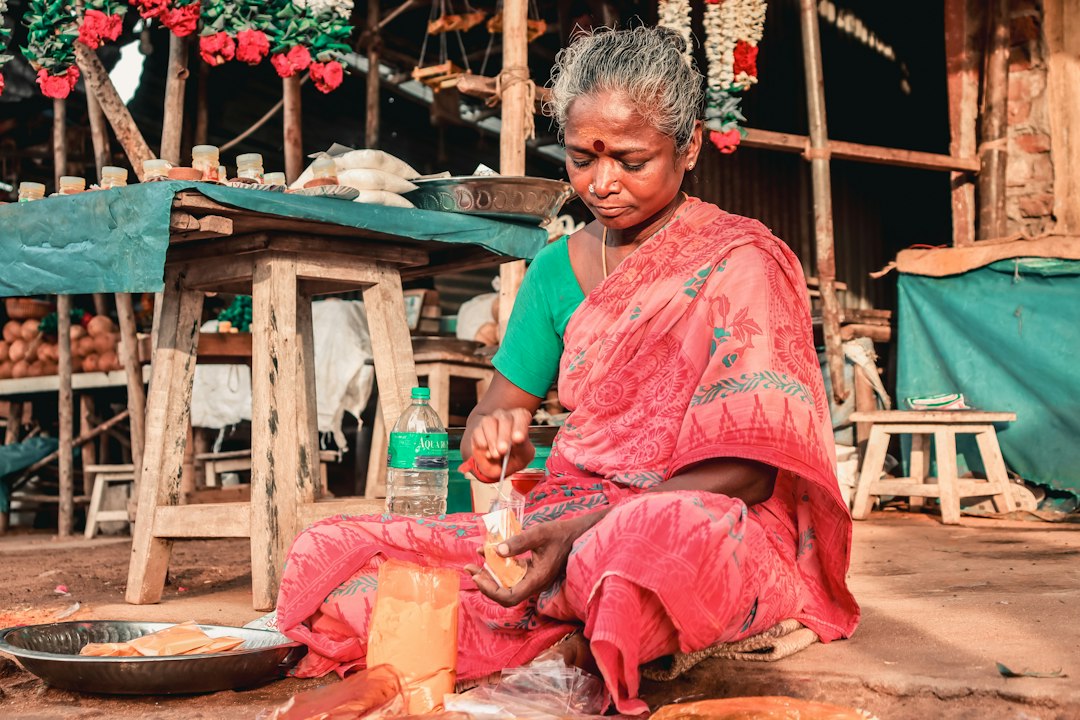
The Matriarchs of the Dawn: Paleolithic Grandmothers and the Art of Swift Gathering
The vast expanse of the Paleolithic era, a period stretching back over two million years, is often visualized through the lens of male hunters, their spears poised against formidable prey. However, this picture, while compelling, is incomplete. Equally vital, and perhaps more consistently so, was the role of women, and specifically, older women, the grandmothers of early human societies. These matriarchs, possessing a wealth of accumulated knowledge and a deep understanding of their environment, were masters of a different, yet equally crucial, form of sustenance: swift gathering of what they could carry. Their contribution was not one of brute force, but of cunning, efficiency, and an intimate connection with the land that sustained them.
The very definition of “Paleolithic” – Old Stone Age – conjures images of primal survival. For hundreds of thousands of years, early humans lived as nomadic hunter-gatherers, their lives dictated by the availability of resources. While hunting provided significant caloric intake, it was also inherently risky, demanding strength, speed, and coordination, and often yielding unpredictable results. Gathering, on the other hand, offered a more reliable, albeit less dramatic, source of nutrition. And within the complex social structures of Paleolithic groups, the role of the elder woman, the grandmother, evolved into a specialized and indispensable expertise in this vital activity.
In exploring the resourcefulness of Paleolithic grandmothers and their ability to gather what they could carry quickly, it is fascinating to consider how human survival strategies have evolved over time. A related article that delves into the broader implications of resource management and environmental challenges is titled “The Deforestation Crisis: A Looming Catastrophe.” This piece highlights the importance of sustainable practices in the face of modern ecological threats, drawing parallels to the adaptive strategies of our ancestors. For more insights, you can read the article here: The Deforestation Crisis: A Looming Catastrophe.
The Deep Roots of Experience: Knowledge as a Survival Tool
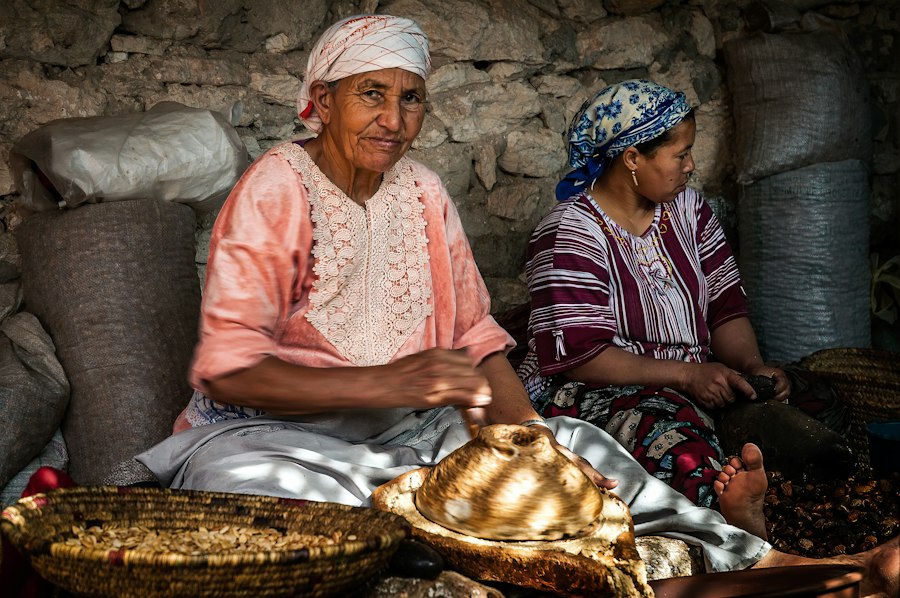
The grandmothers of the Paleolithic were not simply passive recipients of societal support; they were active, contributing members whose value far exceeded their physical capabilities for strenuous tasks. Their most potent asset was their accumulated knowledge, a vast reservoir of information built over decades of observation and practice. This knowledge was not static; it was dynamic, constantly refined through the changing seasons, the migration patterns of animals, and the subtle shifts in the environment.
Herbal Wisdom and Edible Flora
The Paleolithic landscape was a complex pharmacy and pantry, teeming with edible plants, roots, tubers, fruits, and seeds. Distinguishing between nourishing sustenance and dangerous toxins was a skill honed over a lifetime. Paleolithic grandmothers would have possessed an intimate understanding of which plants were safe to consume, their peak seasons for ripeness, and the most effective methods for harvesting and preparing them. They would have known the subtle differences in leaf shape, flower color, and root structure that identified edible species. Their hands, perhaps gnarled with age, would have been adept at unearthing nutrient-rich tubers and digging for succulent roots without damaging the plant’s ability to regenerate. They would have recognized the signs of ripeness in berries and fruits, knowing when to pluck them for maximum sweetness and nutritional value, and when to leave them for birds or for future harvests.
Seasonal Cycles and Environmental Acumen
The success of any gathering strategy was inextricably linked to the understanding of seasonal cycles. Paleolithic grandmothers were the living calendars of their communities. They knew, instinctively, when the first shoots of edible greens would emerge after the thaw, when the berry bushes would burst forth with fruit, and when the nuts would fall from the trees. This foresight allowed them to plan their movements and their gathering efforts, ensuring a continuous, if varied, supply of food. They understood the subtle cues of the environment: the blooming of certain flowers that signaled the presence of specific edible insects, the behavior of animals that indicated the proximity of certain plant resources, and the prevailing weather patterns that influenced plant growth. This deep environmental acumen, passed down through generations of observation, was a cornerstone of their effectiveness.
Identifying and Exploiting Micro-Habitats
Beyond broad seasonal knowledge, grandmothers would have possessed an acute awareness of micro-habitats. They would have known the shaded, damp ravines where specific mushrooms thrived, the sun-drenched rocky outcrops favored by certain hardy herbs, and the riverbanks that yielded edible reeds and water plants. Their travels would have been punctuated by an intuitive navigation of these varied landscapes, always seeking out the most productive patches. They would have understood the concept of sustainable harvesting, likely avoiding over-exploitation of any single resource to ensure its continued availability for themselves and their descendants. This was not a conscious, abstract concept as we understand it today, but a deeply ingrained practice born from the necessity of long-term survival.
The Art of the Swift and Efficient: Gathering Techniques for the Aging Body
The very phrase “swift gathering of what they could carry” encapsulates the core of the grandmother’s contribution. This was not about large-scale harvesting or storing vast quantities of food. It was about maximizing immediate nutritional gains with minimal expenditure of energy and time, utilizing their existing capabilities to their fullest. Their gathering was characterized by efficiency, resourcefulness, and an understanding of their physical limitations.
Prioritization and Selectivity
In a world where every calorie counted, prioritization was key. Grandmothers, with their accumulated wisdom, were adept at quickly identifying the most valuable and readily accessible resources. They wouldn’t waste precious energy on plants that offered minimal nutritional return or required extensive processing. Their focus would have been on easily digestible items like ripe berries, tender greens, and certain seeds. This selectivity was crucial, as it ensured that their efforts yielded the greatest possible benefit for the energy expended. They were the ultimate pragmatists, their choices guided by a lifetime of learned necessity.
The Power of the Portable: Containers and Collection Methods
While they couldn’t carry heavy loads, Paleolithic grandmothers were ingenious in their use of portable containers and collection methods. Large leaves, woven grass baskets, or animal bladders would have served as rudimentary but effective carriers for berries, seeds, and small edible roots. They would have perfected techniques for gathering on the go, perhaps cupping handfuls of berries as they walked or scooping seeds directly into their collection pouches. The concept of “what they could carry” implies a careful, deliberate selection of items that were manageable for their strength and stamina. This was not a race against time to fill a colossal vessel, but a steady, sustained effort to acquire immediate nourishment. Their movements would have been fluid and economical, maximizing their reach and minimizing unnecessary steps.
Opportunistic Gleaning and Small-Scale Harvesting
Grandmothers likely excelled at opportunistic gleaning – taking advantage of windfalls and scattered resources. They might have followed herds of herbivores, not to hunt, but to scavenge for edible plants trampled or unearthed by the animals. They would have been the first to discover a patch of fallen nuts after a storm or to notice the ripening of fruits on low-hanging branches. Their small-scale harvesting was less about large-scale cultivation and more about intelligently exploiting existing resources. This meant they were constantly observing and adapting, ready to seize opportunities as they presented themselves, rather than relying on pre-planned, resource-intensive expeditions.
The Social Fabric: Grandmothers as Pillars of the Community
The role of Paleolithic grandmothers extended far beyond their individual gathering efforts. They were integral to the social and economic fabric of their communities, their presence providing stability, knowledge transfer, and a vital support system, particularly for the younger generations.
Mentors and Knowledge Keepers
The transmission of vital survival skills from one generation to the next was paramount. Grandmothers served as the primary mentors, patiently teaching younger women and children the intricacies of plant identification, harvesting techniques, and the lore of the land. This knowledge transfer was crucial for the survival of the group, ensuring that the accumulated wisdom of the elders was not lost with time. Their stories, perhaps accompanied by demonstrations, would have embedded essential information about the environment and its resources, fostering a sense of continuity and shared understanding.
Caregivers and Stabilizers
In societies where life was precarious, the presence of older individuals offered a unique form of stability. Grandmothers likely played a significant role in caring for infants and young children, freeing up younger women for more physically demanding tasks like hunting or long-distance travel. This division of labor, where elders provided consistent, nurturing care, would have been essential for the healthy development of the next generation. Their calming presence and experience could have also acted as a stabilizing force during times of stress or uncertainty, offering a grounded perspective.
The Economy of Effort: Supporting the Hunters
While hunters provided a significant portion of the diet, their efforts were not always successful. In times of scarcity, the steady, albeit smaller, contribution of gathered foods from the grandmothers and other gatherers could mean the difference between survival and starvation. Their consistent efforts acted as a crucial buffer, ensuring that the group always had at least some sustenance available. They were the bedrock of the food economy, providing a reliable foundation upon which the more variable hunting successes were built. Their ability to gather “what they could carry” ensured that even small successes were meaningful.
In exploring the resourcefulness of Paleolithic grandmothers, one can draw parallels to modern strategies for gathering and utilizing resources efficiently. These early women had to quickly gather what they could carry, demonstrating remarkable ingenuity in their survival tactics. For a contemporary perspective on how individuals adapt to changing circumstances, you might find it interesting to read about the economic shifts in today’s world, as discussed in this article on stocks and currency fluctuations. You can find it here: economic shifts.
The Evolutionary Advantage: Why Grandmothers Mattered
| Metric | Value | Explanation |
|---|---|---|
| Average Carrying Capacity | 10-15 kg | Estimated weight Paleolithic grandmothers could carry comfortably while foraging |
| Gathering Speed | 1-2 km/h | Average walking speed while collecting edible plants and small resources |
| Foraging Radius | 3-5 km | Typical distance traveled from home base to gather resources efficiently |
| Types of Gathered Items | Fruits, nuts, tubers, seeds | Commonly collected food sources that are lightweight and nutritious |
| Tools Used | Simple baskets, digging sticks | Lightweight tools aiding in quick gathering and carrying |
| Time Spent Gathering | 2-4 hours/day | Estimated daily time dedicated to gathering food resources |
The prominence and effectiveness of Paleolithic grandmothers were not accidental. Evolutionary biology offers compelling explanations for why the role of post-reproductive individuals, particularly females, became so vital for the success of our species. The concept of the “grandmother hypothesis” suggests that older women continued to contribute to their group’s survival and reproductive success even after they were no longer able to reproduce themselves.
The Post-Reproductive Dividend
The human lifespan is exceptionally long compared to many other species. This extended post-reproductive phase, particularly for females, allowed for the accumulation of vast amounts of knowledge and experience. By continuing to contribute to the survival of their offspring and grandchildren, these older women were indirectly promoting the survival of their own genes. This phenomenon, known as inclusive fitness, suggests that individuals can enhance their genetic legacy by helping relatives who share their genes. The grandmothers’ gathering efforts directly benefited their kin, thus indirectly furthering their own genetic lineage.
Enhancing Offspring Survival Rates
The support provided by grandmothers – in terms of food provisioning, childcare, and knowledge transfer – demonstrably improved the survival rates of their grandchildren. Children with actively involved grandmothers were more likely to be well-nourished, protected, and to acquire essential life skills. This increased survival rate meant that more of the grandmother’s genetic material was passed on to future generations. The “swift gathering” was not just about filling stomachs in the present; it was a vital investment in the future of the lineage.
The Social Glue of Elder Wisdom
Beyond direct provision, the presence of wise elders fostered social cohesion and stability. Their experience in conflict resolution, their understanding of social dynamics, and their role as repositories of cultural knowledge would have contributed to the overall well-being and resilience of the group. This social “glue” provided by grandmothers was an invisible, yet crucial, factor in the long-term survival of Paleolithic societies, enabling them to navigate challenges and maintain group integrity.
Echoes in the Present: The Enduring Legacy of the Gatherer
While the specific foraging techniques and environmental contexts have changed dramatically, the fundamental principles of resourcefulness, knowledge, and community contribution embodied by Paleolithic grandmothers resonate even today. The emphasis on efficient use of resources, the value of accumulated experience, and the importance of intergenerational support remain vital aspects of human societies.
The Modern Analogue: Resourcefulness and Sustainability
In an era of increasing environmental awareness, the Paleolithic grandmother’s ability to sustainably exploit resources and gather “what they could carry” offers a valuable lesson. Her approach was inherently sustainable, focused on what was available and necessary, without excessive waste. This mirrors contemporary concerns about living within our ecological means and making the most of available resources. The principle of maximizing benefit with minimal impact is a timeless one.
The Undervalued Wisdom of Elders
Despite societal advancements, the wisdom and experience of older individuals are often undervalued. Paleolithic grandmothers serve as a powerful reminder of the immense contribution that elders can make to their communities, not just as caretakers but as active providers of knowledge and essential resources. Their legacy encourages a re-evaluation of the roles and contributions of older generations in our modern world.
The Foundational Role of Gathering
Ultimately, the story of Paleolithic grandmothers and their swift gathering is a testament to the multifaceted nature of early human survival. It highlights that progress and sustenance were not solely reliant on the dramatic pursuit of large game. Instead, a more consistent, deeply knowledgeable, and communally integrated approach to gathering, led by the experienced hands of older women, provided the essential foundation upon which human societies were built and thrived, allowing them to weather the challenges of the distant past and ultimately, to flourish into the present day. Their ability to efficiently gather what they could carry was a quiet, persistent force that shaped the trajectory of our species.

Life 20,000 Years Ago | When an Ice Age Wildfire Traps Your Primitive Family
FAQs
What strategies did Paleolithic grandmothers use to gather food quickly?
Paleolithic grandmothers likely employed various strategies such as foraging in familiar areas, utilizing knowledge of seasonal availability of plants, and using efficient gathering techniques to maximize their haul in a short amount of time. They may have also relied on social networks to share information about food sources.
What types of food did Paleolithic grandmothers typically gather?
Paleolithic grandmothers gathered a variety of foods including fruits, nuts, seeds, tubers, and edible greens. They also collected small game and insects when available, which provided essential nutrients and energy for their families.
How did the physical environment influence gathering practices?
The physical environment played a crucial role in gathering practices. Grandmothers would have chosen gathering locations based on the availability of resources, such as proximity to water sources, fertile land, and seasonal changes that affected plant growth. They adapted their gathering strategies to the specific conditions of their environment.
What tools or techniques did they use to assist in gathering?
Paleolithic grandmothers likely used simple tools such as sticks or stones to help dig up tubers or pry open nuts. They may have also employed woven baskets or bags made from natural materials to carry gathered items efficiently.
How did the role of grandmothers in gathering impact their communities?
The role of grandmothers in gathering was vital for the survival of their communities. Their knowledge and experience allowed them to provide food for their families, support the nutritional needs of children, and contribute to the overall food security of the group, fostering social cohesion and cooperation among community members.