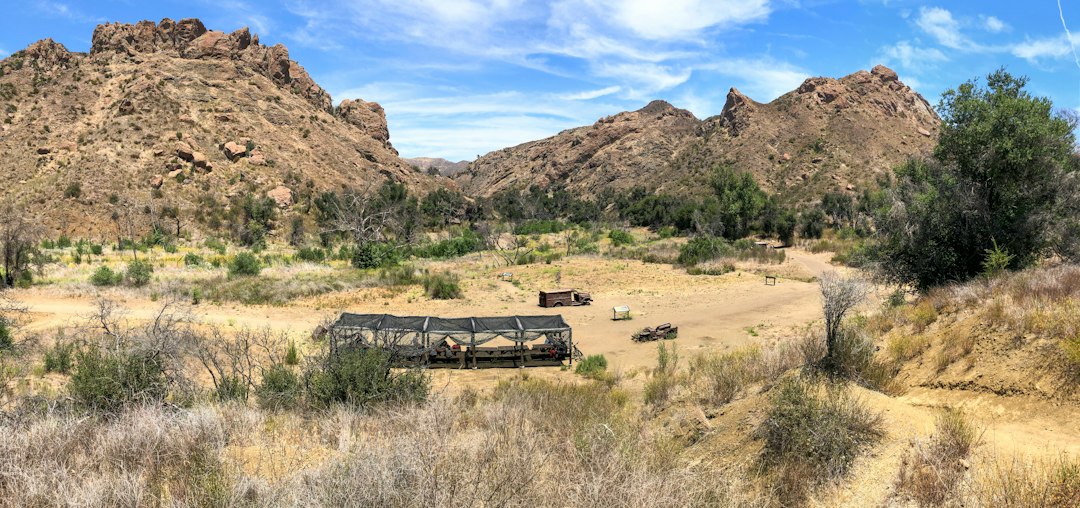
When the vast expanses of the savanna gave way to the fertile embrace of valleys, early humans found themselves at a critical juncture. These riparian landscapes, rich with water, vegetation, and a concentrated array of prey, represented both immense opportunity and formidable challenge. The presence of established valley dwellers, whether other hominin groups or already adapted animal populations, meant that direct occupation was rarely a simple matter of finding an empty niche. Instead, these early human groups had to develop a sophisticated suite of tactics to navigate these coveted territories, balancing the need for resources with the imperative of survival against established occupants. Their strategies were not uniform but rather evolved in response to specific environmental pressures, social dynamics, and the technological capabilities of the time.
The Strategic Value of Valley Resources
Valleys, by their very nature, are ecological magnets. The presence of rivers, streams, and springs provided a constant and reliable source of water, a fundamental requirement for all life. This consistent hydration supported a lusher and more diverse flora compared to the surrounding arid or semi-arid landscapes. These abundant plant resources, in turn, fueled larger and more stable populations of herbivores, attracting predators and creating a predictable hunting ground. For early humans, this concentration of essential resources represented a significant advantage. Access to fresh water reduced the need for extensive travel and the associated risks of exposure and predation. The abundance of game offered a more reliable food source, supporting larger social groups and potentially facilitating longer-term settlement. The sheltered nature of many valleys also offered protection from harsh weather and potential predators, providing a relatively safer environment for raising young and establishing a base camp.
Water: The Primary Draw
The allure of water was paramount. Early human survival was intrinsically linked to its availability. Rivers and streams not only quenched thirst but also provided a means for washing, sanitation, and potentially even a source of protein through fishing and shellfish gathering. The consistent flow of water also influenced animal migratory patterns, creating predictable hunting opportunities at watering holes and along riverbanks. The strategic importance of these water sources meant that they were often fiercely contested, both by different animal species and, inevitably, by competing human groups. Control of a reliable water source could grant a significant advantage in terms of survival and resource acquisition.
Floral Abundance and its Implications
The fertile soils of valleys fostered a greater variety of edible plants, fruits, tubers, and grasses. This dietary diversity was crucial for early human nutrition, providing essential vitamins, minerals, and carbohydrates that might have been scarce in drier regions. The presence of these plant resources also supported larger herbivore populations, which formed the backbone of the hunting economy. Understanding the seasonal availability and locations of these plant foods was as vital as tracking game. This knowledge allowed for more efficient foraging and reduced the reliance on risky hunting expeditions. The ability to exploit these floral resources effectively was a key differentiator between successful and unsuccessful early human groups.
Game Concentration and Predatory Dynamics
Valleys acted as natural corridors and congregation points for a wide array of game animals. Large herbivores, such as antelopes, zebras, and later, early forms of cattle, were drawn to the abundant vegetation and water. This concentration of prey made valleys prime hunting territories. However, this also meant that valleys were attractive to predators, including large cats, canids, and crocodiles. Early humans had to contend with this dual threat: the opportunity of a rich food supply and the inherent danger posed by apex predators sharing the same territory. Their tactics for valley occupation were thus intrinsically linked to their ability to manage these predatory dynamics.
Early humans faced numerous challenges when their approach from a valley was occupied, often leading them to adapt their strategies for survival and defense. They might have sought alternative routes, established lookout points, or even engaged in negotiations with the occupying group. Understanding these early human behaviors can provide valuable insights into the development of social structures and conflict resolution. For a fascinating exploration of ancient engineering and its impact on human settlement, you can read about the revival of the ancient Assyrian aqueduct of Jerwan in this related article: Reviving the Ancient Assyrian Aqueduct of Jerwan.
Early Strategies of Approach and Observation
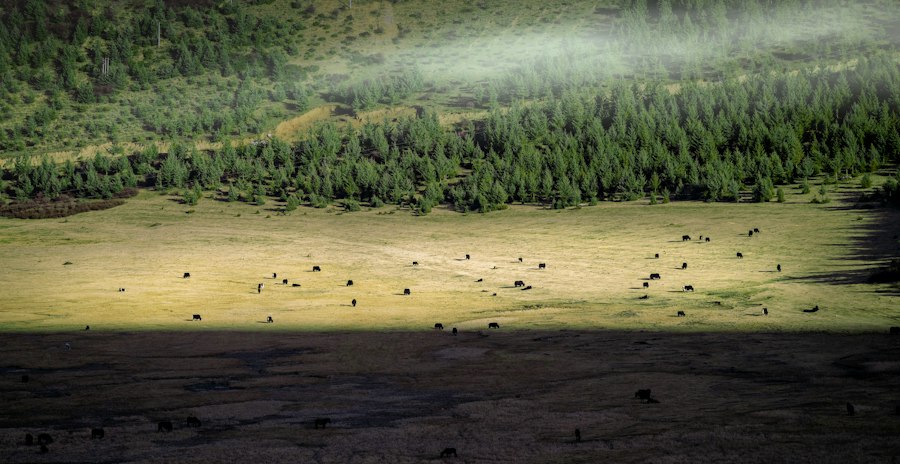
The initial approach to a valley known to be occupied demanded a cautious and deliberate strategy. Direct confrontation was often a high-risk endeavor, particularly if the occupying group was larger, more established, or possessed superior weaponry or defensive capabilities. Therefore, early humans would often employ tactics of reconnaissance and stealth to gather vital information before committing to any overt actions. This involved careful observation of the valley’s inhabitants, their routines, and their territorial boundaries. Understanding the existing power dynamics and resource distribution was crucial for formulating an effective plan.
Stealthy Reconnaissance and Information Gathering
Before any attempt to enter or claim territory, extensive reconnaissance was essential. Small, agile scouting parties would likely have been dispatched to observe the valley from a safe distance. They would have meticulously noted the locations of water sources, foraging grounds, and den sites of both prey and predators. Crucially, they would have studied the patterns of the existing human inhabitants: their daily movements, hunting strategies, defensive postures, and social interactions. This information gathering was not passive; it involved keen observation of tracks, scent markings, and auditory cues. The goal was to build a comprehensive mental map of the valley and its occupants, identifying potential weaknesses and opportunities.
Identifying Existing Territorial Boundaries
A key aspect of reconnaissance was the identification of existing territorial boundaries. These were not necessarily marked with fences or stones but rather inferred through patterns of movement, areas of regular activity, and even the presence of scent markings or vocalizations used by the occupying group. Early humans would have learned to recognize these subtle indicators to avoid direct incursions into already claimed zones. Understanding these boundaries allowed them to plan their own movements and identify unoccupied or less fiercely defended areas for potential settlement or resource exploitation. This knowledge was vital for minimizing conflict and maximizing the chances of a successful, albeit perhaps indirect, occupation.
Assessing Occupant Strength and Technology
A critical element of any approach was to assess the strength and capabilities of the existing occupants. This included evaluating their numbers, their physical prowess, and any technological advantages they might possess, such as more effective tools or weapons. Observing their hunting success rates, their defensive formations during encounters, and the robustness of their shelters would have provided valuable insights. A group facing a numerically superior or technologically advanced opponent would likely adopt a more patient and opportunistic strategy, waiting for favorable conditions or seeking to exploit divisions within the occupying group.
Tactics of Gradual Infiltration and Coexistence
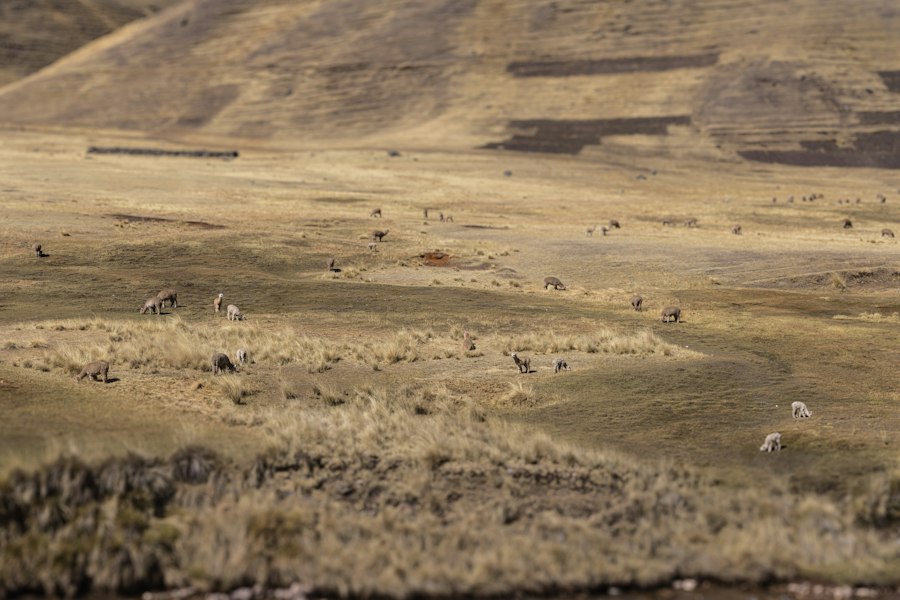
In situations where direct confrontation was not feasible or desirable, early humans often employed strategies of gradual infiltration and, in some cases, attempted coexistence. These tactics involved a slow and steady integration into the valley’s ecosystem, often utilizing unoccupied fringes or less desirable areas initially, and gradually expanding their presence as opportunities arose or the existing occupants’ dominance waned. The success of these methods relied on subtlety, adaptability, and a keen understanding of social dynamics.
Exploiting Peripheral Zones and Underexploited Resources
When entering a contested valley, early humans would often begin by exploiting the peripheral zones. These areas, located at the edges of the main valley, might have been less attractive to the primary occupants due to distance from core resources or increased exposure to external threats. By focusing on these less contested areas, early humans could establish a foothold and begin to exploit resources that were underexploited by the dominant group. This might have involved foraging for specific plants, hunting smaller game animals that the larger groups overlooked, or accessing smaller, less prominent water sources.
Opportunistic Resource Acquisition and Scavenging
A common and effective tactic involved opportunistic resource acquisition. This could range from scavenging from the kills of predators or larger hominin groups to taking advantage of weakened or isolated individuals from the occupying population. This did not necessarily imply direct aggression but rather a keen awareness of situations where resources were readily available without a significant expenditure of energy or risk. For example, observing a successful hunt by another group and waiting for them to move on to scavenge the leftovers was a pragmatic approach. This strategy minimized direct confrontation while still ensuring access to vital sustenance.
Establishing Temporary Camps and Foraging Routes
Rather than attempting immediate permanent settlement, early humans might have established a network of temporary camps and foraging routes within or around the valley. These camps would have been strategically located to access specific resources or provide vantage points for observation. The use of multiple, mobile camps allowed them to adapt to changing resource availability and avoid presenting a fixed, easily targeted presence. This transient approach also enabled them to explore different parts of the valley and gradually identify more stable and defensible locations for potential future settlement.
Signs of Submissive or Avoidant Behavior
In the presence of a dominant group, early humans might have employed observable signs of submissive or avoidant behavior. This could include maintaining a respectful distance, avoiding direct eye contact, or making themselves appear less threatening. By signaling a lack of intent to challenge the existing power structure, they could reduce the likelihood of aggressive encounters. This strategy aimed to be perceived as non-threatening and potentially even useful as a scavenger, thus facilitating a degree of tolerance from the more dominant occupants.
Tactics of Gradual Displacement and Dominance
In instances where conditions allowed, or over extended periods, early human groups might have moved beyond mere coexistence to actively displace or assert dominance over existing valley occupants. These strategies were often more confrontational and involved a combination of intimidation, strategic attacks, and the gradual encroachment on territories. The success of these tactics hinged on superior numbers, technological advancements, or a more coordinated social structure.
Coordinated Hunting Parties and Resource Control
As early human groups grew in size and organization, they could mount coordinated hunting parties that were capable of taking down larger prey, thereby directly competing with established occupants for key food resources. By consistently out-competing the existing inhabitants in securing vital game, they could gradually weaken the occupying group’s ability to sustain itself. This resource control extended to water sources and prime foraging grounds, systematically denying the original occupants access to their most essential needs.
Intimidation and Threat Display
The use of intimidation and threat displays could be a powerful tool for displacement. This might have involved vocalizations, physical posturing, and the conspicuous display of weapons or tools. The aim was to create an environment of fear and uncertainty for the existing occupants, making them more inclined to retreat or abandon their territories. Collective displays of aggression, where multiple individuals or groups acted in unison, would have been particularly effective in overwhelming the psychological defenses of the original inhabitants.
Strategic Raids and Ambush Tactics
When direct confrontation was necessary, early humans might have employed strategic raids and ambush tactics. These were not random acts of violence but carefully planned operations targeting specific weaknesses in the occupying group’s defenses or routines. Raids on encampments, during periods of vulnerability like sleep or when individuals were isolated, could have been devastating. Ambush tactics along known travel routes or near water sources could have disrupted the occupants’ movements and inflicted significant casualties, gradually wearing down their numbers and resolve.
Gradual Encroachment and Territorial Expansion
Over time, successful early human groups would have engaged in gradual encroachment and territorial expansion. This involved slowly but surely pushing the boundaries of their occupied territory into areas previously held by others. This expansion was likely driven by increasing population size, improved resource management, and a growing confidence in their ability to defend their claims. The process was often iterative, involving skirmishes, periods of tense standoff, and eventual assimilation or displacement of the original occupants.
Early humans faced numerous challenges when their approach from a valley was occupied by potential threats or rival groups. They often had to quickly assess the situation and decide whether to retreat, negotiate, or prepare for confrontation. This strategic decision-making process was crucial for survival and is a fascinating topic explored in various studies of early human behavior. For a deeper understanding of how early humans adapted to their environments and the complexities of their social interactions, you can read more in this insightful article on the subject, which discusses the implications of their choices in the context of survival and community dynamics. Check it out here: insightful article.
Long-Term Adaptation and Integration
| Behavior | Description | Purpose | Evidence Source |
|---|---|---|---|
| Alternative Route Selection | Early humans chose different paths to avoid occupied valleys. | To prevent conflict and find safer passage. | Archaeological trail analysis |
| Establishing Lookouts | Setting up vantage points to monitor valley approaches. | To detect presence of other groups and avoid ambush. | Ethnographic analogies and site locations |
| Temporary Campsites | Using temporary shelters near but not within occupied valleys. | To wait for the area to clear or for safer conditions. | Excavated campsite remains |
| Negotiation or Social Interaction | Engaging with other groups to share or gain access. | To reduce conflict and establish alliances. | Anthropological studies of hunter-gatherer societies |
| Defensive Measures | Preparing weapons or fortifications near valley entrances. | To defend territory or deter intruders. | Artifact distribution and fortification remains |
The ultimate goal of occupying a valley was not merely a short-term gain but long-term survival and prosperity. Early humans who successfully navigated these complex environments developed sophisticated strategies for integration, establishing stable communities, and passing down their knowledge and traditions. This involved not only mastering the physical landscape but also understanding and adapting to the social and ecological dynamics of their new home.
Establishing Permanent Settlements and Defensive Structures
Successful valley occupation often led to the establishment of permanent settlements. These were typically located in defensible positions, offering natural protection from predators and potential human threats. The development of more sophisticated defensive structures, such as palisades, ditches, or strategically placed rock formations, provided an added layer of security. These settlements became centers of social activity, resource storage, and child-rearing, signifying a long-term commitment to the valley.
Development of Specialized Tools and Technologies
The unique challenges and opportunities presented by valley environments likely spurred the development of specialized tools and technologies. This could have included improved fishing implements, traps for smaller game, specialized digging tools for tubers, or more effective weaponry for hunting and defense. The ability to adapt and innovate tools to suit the specific needs of the valley ecosystem was crucial for long-term success and resource exploitation.
Social Learning and Knowledge Transmission
The complex strategies required for valley occupation were not innate but learned. Early humans relied heavily on social learning, passing down vital knowledge about resource locations, hunting techniques, plant identification, and social dynamics from one generation to the next. The establishment of stable communities facilitated this knowledge transmission, ensuring that the accumulated wisdom of previous generations was preserved and built upon. This cultural inheritance was as crucial as any physical tool for long-term survival.
Intergroup Relations and Potential for Conflict or Cooperation
The dynamics of intergroup relations within and around valleys were complex. While conflict was a common feature, cooperation was also possible. Early human groups might have formed alliances with neighboring groups for mutual defense or resource sharing. In some cases, there may have been instances of assimilation, where smaller or weaker groups were absorbed into larger ones. Understanding the ebb and flow of conflict and cooperation was a fundamental aspect of long-term valley adaptation. The ability to navigate these complex social landscapes, whether through dominance or diplomacy, was a testament to the adaptability and intelligence of early humans. Their strategies for occupying these resource-rich valleys were a crucial step in their evolutionary journey, shaping their societies and their relationship with the natural world.

Life 20,000 Years Ago | When an Ice Age Wildfire Traps Your Primitive Family
FAQs
What strategies did early humans use to respond to threats from an occupied valley?
Early humans often employed various strategies to respond to threats from an occupied valley, including retreating to higher ground for better visibility and safety, forming alliances with neighboring groups, or preparing for defensive actions. They might also have used camouflage and stealth to avoid detection while scouting the area.
How did the geography of a valley influence early human behavior?
The geography of a valley significantly influenced early human behavior by providing natural resources such as water, fertile land for agriculture, and pathways for migration. However, it also posed risks, as valleys could be easily occupied by rival groups, prompting early humans to develop strategies for defense and resource management.
What role did communication play among early humans in response to valley occupations?
Communication was crucial among early humans when responding to valley occupations. They likely used a combination of verbal signals, body language, and possibly early forms of symbolic communication to alert others about potential threats, coordinate movements, and share information about the presence of rival groups.
Did early humans have any specific tools or weapons for defending against threats from valleys?
Yes, early humans developed various tools and weapons for defense against threats from valleys. These included sharpened stones, spears, and bows and arrows, which allowed them to protect their territory and resources. Additionally, they may have used traps and other tactics to deter or ambush intruders.
How did early humans adapt their living arrangements in response to valley occupations?
In response to valley occupations, early humans often adapted their living arrangements by relocating to more defensible positions, such as caves or elevated areas. They might have also constructed temporary shelters that could be easily dismantled and moved, allowing for greater mobility in the face of threats.