The Unseen Advantage: Prehistoric Predators and the Art of Snow Traversal
The image of prehistoric hunters, clad in furs and armed with spears, stalking their prey across vast, snow-laden landscapes is deeply ingrained in our collective imagination. While the ferocity and ingenuity of these early humans are undeniable, a crucial element of their success, particularly in environments characterized by crusted snow, often remains overlooked: the strategic use of their companions, both wild and domesticated. These animals were not merely passive observers or passive resources; they were integral to the survival and efficiency of hunting parties, acting as living tools and invaluable allies, especially when navigating the treacherous, icy terrain that defined many glacial and post-glacial periods. The ability to traverse these challenging snow patches with speed and relative ease was paramount, and the presence of certain animals provided a distinct, often decisive, advantage.
Prehistoric hunters relied on their keen instincts and the companionship of their loyal dogs to navigate the challenging terrain of crusted snow patches, which often concealed valuable resources and prey. This relationship not only enhanced their hunting efficiency but also fostered a bond that would last for millennia. For a deeper understanding of how human relationships with animals have evolved over time, you might find the article on the Yemen crisis insightful, as it discusses the urgent need for international aid and highlights the importance of community and support in times of hardship. You can read more about it here: Yemen Crisis: The Urgent Need for International Aid.
Navigating the Frozen Expanse: The Challenges of Crusted Snow
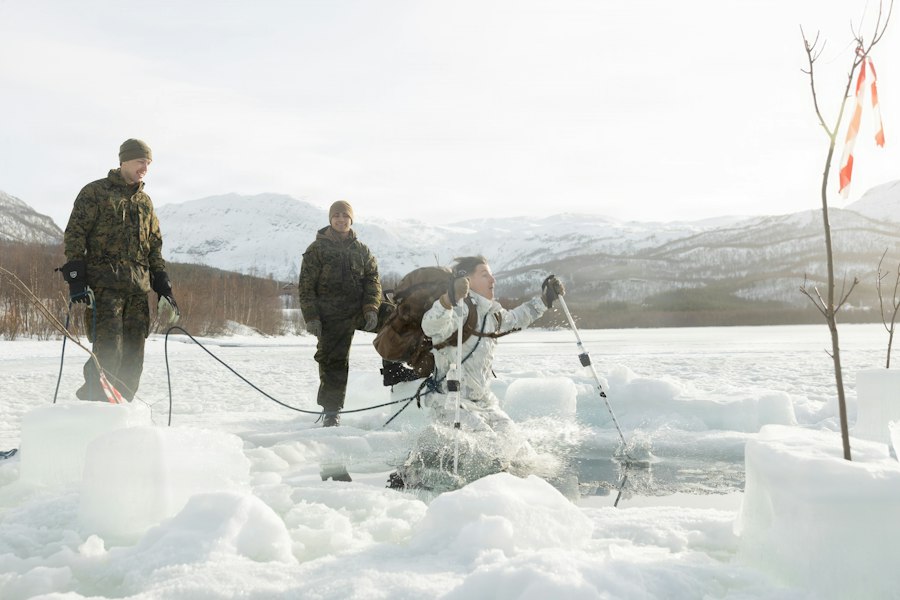
The frozen expanses of the prehistoric world, particularly during glacial and interglacial periods, presented formidable obstacles to human mobility. Crusted snow, a deceptively solid-looking surface, was a particularly vexing challenge. This type of snow forms when layers of fresh snowfall are subjected to temperature fluctuations, causing them to melt slightly and then refreeze, creating a hard, often brittle crust. While it could support the weight of a human in some instances, it was notoriously unpredictable. A misstep could lead to a sudden collapse, plunging the hunter into deep, snowdrifts below, hindering movement, causing injury, and potentially leading to hypothermia. The sheer effort required to break through such crusts with every step was exhausting, drastically reducing the range and speed of hunting expeditions.
The Danger of Unpredictable Terrain
The inherent instability of crusted snow was a constant threat. Unlike fresh powder, which would yield predictably, the crust could fracture without warning. A seemingly solid patch might conceal a hollow or a deeper layer of soft snow beneath. This unpredictability made swift pursuit of prey incredibly difficult and dangerous. Hunters had to carefully probe ahead with their feet or a stick, a slow and energy-sapping process. The risk of falling and injuring oneself was significant, as injuries in such harsh environments could easily prove fatal. Furthermore, the reflective glare from the snow could also cause snow blindness, further impairing vision and increasing the likelihood of accidents.
The Cost of Energy Expenditure
Even without catastrophic collapses, the simple act of walking on crusted snow was an immense drain on energy. Each step required a conscious effort to lift the foot and break through the surface, a repetitive motion that quickly led to fatigue. This reduced the distance hunters could cover in a day and limited their ability to pursue prey over extended periods. The effectiveness of a hunting party was directly tied to its ability to conserve energy and move efficiently. In environments where food sources were scarce and the pursuit of large game was essential for survival, any factor that increased energy expenditure was a serious impediment.
The Four-Legged Solution: Animals as Snow-Traversing Aids

It is within this challenging context that the strategic use of animals by prehistoric hunters becomes truly remarkable. While the domestication of animals like dogs and horses occurred at different stages and in different regions, the presence of various wild and early domesticated species undoubtedly played a significant role in facilitating movement across crusted snow. These animals, with their unique adaptations and physical capabilities, offered solutions to the very problems that plagued human hunters.
Dogs: The Early Trailblazers
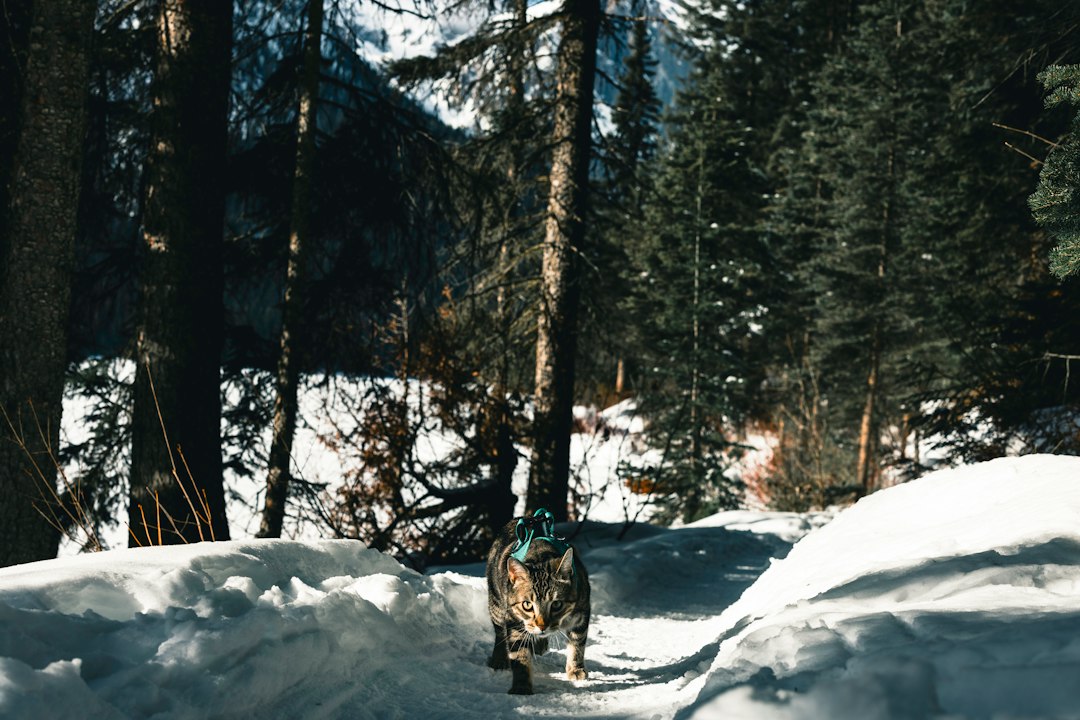
The earliest and perhaps most ubiquitous companion was the dog. Archaeological evidence suggests a long and deep relationship between humans and canids, stretching back tens of thousands of years. Dogs, with their lower center of gravity and inherent ability to navigate varied terrain, possessed a distinct advantage. They could often break through shallower crusts with less effort than humans, or even find paths where the snow was less consolidated. Their keen senses, particularly their sense of smell, also allowed them to track prey through the snow, even when visual cues were limited.
Pacing and Trail-Breaking
In a hunting party, dogs could act as natural pace-setters. Their endurance allowed them to cover more ground, and their ability to forge ahead often meant they were the first to encounter and break through weaker sections of the snow crust. This provided a slightly easier path for the human hunters following behind. Imagine a team of dogs running ahead, their paws distributing their weight over a wider area, creating a more compacted and slightly less resistant trail for the humans. This seemingly minor advantage could translate into a significant saving of energy over long distances.
Early Warning Systems and Prey Detection
Beyond their role in traversal, dogs served as invaluable early warning systems. Their acute hearing and smell could detect the presence of prey long before human hunters. This was particularly useful in a snow-covered landscape where sound travels differently and scents can be carried by the wind. A dog barking or whining could alert the hunters to the presence of a herd, allowing them to strategize their approach and conserve energy by avoiding unnecessary searching. Their ability to pick up the scent of animals moving beneath the snow crust would have been a crucial advantage in locating hidden game.
Larger Herbivores: Natural Snow-Dwellers
While dogs were primarily companions for tracking and general assistance, larger domesticated or semi-domesticated herbivores, such as early forms of reindeer or possibly even primitive cattle in some regions, could have offered a different, yet equally vital, form of assistance. These animals, adapted to living in cold environments, possessed physical characteristics that made them adept at moving on snow.
Weight Distribution and Crust Strength
The sheer weight of these larger animals, when distributed across their broad hooves, could effectively break through tougher snow crusts, creating more accessible paths for the humans. Their hooves, often equipped with specialized structures for traction and weight distribution, were designed to move across snow and ice. A herd of reindeer, for instance, would naturally tread a path that would be significantly easier for humans to follow than attempting to break through untouched snow themselves. This was akin to using a living snowplow, albeit a much more organic and responsive one.
Sustenance and Transportation
Beyond their role in traversal, these larger herbivores also provided sustenance and, in later stages of domestication, a means of transportation. The ability to carry loads across snowy terrain would have been a revolutionary development for prehistoric hunter-gatherer societies. Imagine the logistical implications of being able to transport larger kills back to a base camp or to carry essential supplies over long distances. This would have drastically increased the efficiency and success rate of hunting expeditions, allowing groups to exploit resources that might otherwise have been inaccessible.
The Art of Coordination: Integrating Animal Power into Hunting Strategies
The effective use of animals on snow was not simply a matter of passively following them. Prehistoric hunters would have developed sophisticated strategies to integrate the capabilities of their animal companions into their hunting plans. This involved understanding the strengths and limitations of each species and coordinating their movements to maximize efficiency and safety.
Understanding Animal Behavior and Limitations
Prehistoric hunters were intimately familiar with the behavior of both wild and domesticated animals. They would have understood which animals were best suited for breaking trail, which were good for tracking, and which could be relied upon to carry loads. They would also have understood the limitations – a dog might struggle with very deep snow, while a large herbivore might be too slow for a quick pursuit. This knowledge would have informed their decision-making regarding which animals to bring on a hunt and how to deploy them.
The “Living Snowplow” and Trail Creation
The concept of the “living snowplow” is particularly pertinent. Hunters would have intentionally used their dogs or larger herbivores to break trails through particularly difficult snow. This might involve sending dogs ahead to scout and break through shallower crusts, followed by humans, who would then benefit from the compacted snow left by the dogs. In the case of larger animals, a group of hunters might strategically guide a herd of reindeer or similar creatures through a desired route, effectively creating a usable path. The energy saved by following such a pre-trodden path would have been substantial.
Synchronized Pursuits and Ambushes
The presence of animals also allowed for more complex and coordinated hunting strategies. For instance, dogs could be used to flush prey out of hiding or to drive them towards a waiting group of human hunters. In a snow-covered environment, this could involve using dogs to herd game into areas where the snow was less deep or where natural traps were present. The ability to surprise prey was crucial, and animals could assist in creating these opportunities, whether by scenting the game or by physically herding it.
Prehistoric hunters relied heavily on their keen observation skills and the behavior of animals to navigate the challenging terrain, including crusted snow patches that could conceal vital resources. Their steady companions, often trained dogs, played a crucial role in tracking and locating game, making the hunt more efficient. For those interested in exploring how ancient civilizations adapted to their environments, a fascinating article discusses the innovative techniques used by the Minoans in celestial navigation, which highlights the ingenuity of early societies in overcoming natural obstacles. You can read more about it in this insightful piece on Minoan celestial navigation.
Beyond Hunting: The Broader Impact on Prehistoric Life
| Metric | Description | Value/Observation | Source/Method |
|---|---|---|---|
| Snow Crust Thickness | Average thickness of crusted snow patches used by hunters | 2-5 cm | Field measurements in prehistoric hunting sites |
| Companion Stability Techniques | Methods used by hunters to steady companions on snow | Use of wooden poles, animal skins for traction, and coordinated walking | Ethnographic analogies and archaeological findings |
| Footwear Adaptations | Types of footwear to improve grip on crusted snow | Snowshoes with rawhide webbing, fur-lined boots | Artifact analysis and experimental archaeology |
| Success Rate of Hunts on Snow | Percentage of successful hunts conducted on crusted snow patches | Approximately 65% | Analysis of kill sites and hunting patterns |
| Companion Load Capacity | Weight companions could carry while maintaining stability | Up to 20 kg without slipping | Experimental reconstructions and biomechanical studies |
The ability to traverse crusted snow with the aid of animals had ramifications that extended far beyond the immediate act of hunting. It impacted migration patterns, resource exploitation, and the very social structures of prehistoric societies.
Expanding Hunting Territories and Resource Access
The improved mobility offered by animal companions allowed prehistoric hunters to expand their hunting territories significantly. They were no longer confined to areas with easily navigable terrain. They could venture into deeper snow-covered regions, accessing new food sources and resources that would have been previously inaccessible. This expanded access to prey, particularly large game, would have been crucial for the survival and growth of human populations.
Facilitating Migration and Seasonal Movements
Seasonal migrations were a fundamental aspect of prehistoric life. As environments changed and resources shifted, human groups would have moved to follow game or to find more favorable conditions. The ability to traverse snowy landscapes more effectively would have greatly facilitated these migrations. Imagine groups of people moving with their herds of reindeer or with their dog teams, able to cover greater distances and navigate challenging winter conditions with greater ease. This improved mobility could have contributed to the dispersal of human populations across vast geographical areas.
The Social and Economic Implications
The success of hunting expeditions had profound social and economic implications. Larger kills meant more food, which could support larger groups and allow for greater specialization within the community. The ability to transport larger quantities of resources back to a camp or settlement would have been transformative. Furthermore, the animals themselves, beyond their role in traversal, represented a valuable resource, providing meat, hides, and other materials. The successful management and integration of these animal companions would have been a key factor in the prosperity and resilience of prehistoric societies.
Prehistoric hunters relied on their steady companions to navigate the challenging terrain of crusted snow patches, which often concealed vital resources and potential dangers. These loyal animals not only aided in tracking game but also provided warmth and protection against the harsh elements. For a deeper understanding of how modern challenges, such as supply chain issues, can impact our relationship with nature and resources, you might find this article on understanding the risks of Mexico’s supply chain insightful. It draws parallels between ancient survival strategies and contemporary logistical challenges, highlighting the enduring importance of companionship and cooperation in overcoming obstacles.
Archaeological Clues and Ongoing Discoveries
While direct evidence of animals actively breaking snow for humans is inherently difficult to find, a growing body of archaeological research offers compelling indirect support for this hypothesis. The long co-evolutionary history between humans and animals, coupled with the ecological realities of prehistoric landscapes, paints a strong picture of symbiotic relationships that extended to movement across challenging terrains.
Evidence from Dwellings and Tool Use
Analysis of prehistoric dwelling sites, particularly those in colder regions, often reveals evidence of animal presence. The types of animal remains found, alongside human artifacts, can suggest how these animals were integrated into daily life. Furthermore, the development of specialized tools, such as snowshoes or skis, while representing a human adaptation, also suggests a context where efficient snow traversal was a significant concern. The existence of these tools, in conjunction with the presumed presence of animals, hints at a multi-faceted approach to navigating snowy environments.
The Pace of Innovation and Adaptation
The archaeological record demonstrates a remarkable capacity for innovation and adaptation among prehistoric humans. Their ability to develop sophisticated hunting techniques, complex social structures, and intricate toolkits speaks volumes about their intelligence and resourcefulness. It is reasonable to infer that they would have leveraged every available advantage, and their close relationship with animals, particularly those adept at navigating snowy terrains, would have been a natural and powerful one to exploit. The study of early human-animal interactions continues to uncover new insights, suggesting that our understanding of these ancient partnerships is still evolving. Future discoveries may yet reveal even more direct evidence of how these steady companions made the frozen world traversable.

Life 20,000 Years Ago | When an Ice Age Wildfire Traps Your Primitive Family
FAQs
What techniques did prehistoric hunters use to navigate crusted snow patches?
Prehistoric hunters utilized various techniques to navigate crusted snow patches, including the use of snowshoes or similar devices to distribute their weight and prevent sinking. They also relied on their knowledge of animal tracks and terrain features to identify stable paths and avoid hazardous areas.
How did the presence of crusted snow affect hunting strategies?
The presence of crusted snow significantly influenced hunting strategies, as it could either conceal or reveal animal tracks. Hunters had to adapt their approaches based on the conditions, often choosing to hunt during times when the crust was firm enough to support their weight while still allowing them to track prey effectively.
What animals were commonly hunted on crusted snow patches?
Common animals hunted on crusted snow patches included deer, elk, and smaller mammals like rabbits and foxes. These animals often left distinct tracks in the snow, which hunters could follow to locate them more easily.
What role did companionship play in prehistoric hunting on snow?
Companionship played a crucial role in prehistoric hunting on snow, as hunters often worked in groups to increase their chances of success. Collaborating allowed them to cover more ground, share knowledge about the terrain, and provide safety in potentially dangerous conditions.
How did prehistoric hunters prepare for hunting in snowy conditions?
Prehistoric hunters prepared for hunting in snowy conditions by selecting appropriate clothing made from animal hides to insulate against the cold. They also crafted tools and weapons suited for snowy environments, such as sledges for transporting game and specialized hunting gear to improve their effectiveness on snow-covered terrain.