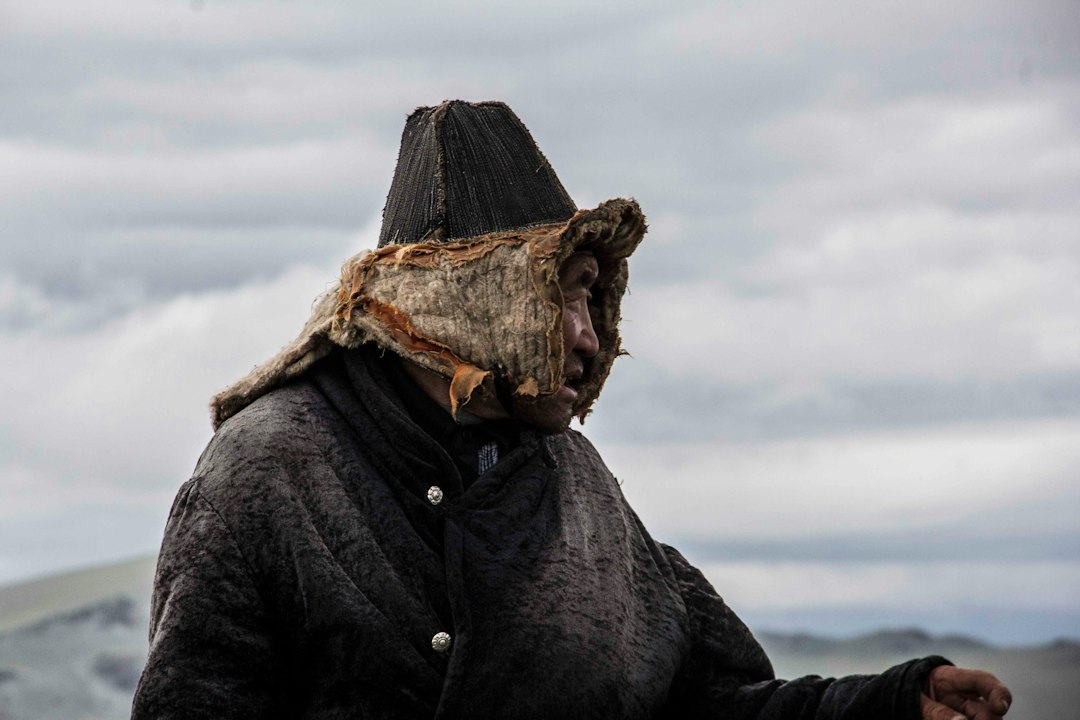
The use of animal sinew by primitive humans for binding hides over their shoulders represents a fundamental leap in their ability to adapt and survive in diverse environments. This practice, born out of necessity and ingenuity, unlocked the potential of animal resources for clothing, shelter, and tool construction. Before the advent of woven fibers or sophisticated tanning methods, sinew offered a readily available, durable, and remarkably versatile binding material. Its strength, flexibility, and ability to shrink and tighten when dried made it an ideal candidate for securing animal skins, transforming them from cumbersome pelts into functional garments that provided crucial protection against the elements. The process of collecting, preparing, and utilizing sinew was not merely a practical undertaking; it was an intricate dance with the natural world, demonstrating a deep understanding of animal anatomy and the properties of its constituent parts. This article will delve into the multifaceted world of primitive human sinew usage, exploring its origins, the methods of its preparation, its application in crafting shoulder-worn hides, and the broader implications of this transformative technology.
The Anatomy of Survival: Understanding Animal Sinew
To appreciate the significance of sinew in primitive human life, it is essential to understand what it is and where it comes from. Sinew, also known as tendon, is a tough band of fibrous connective tissue that connects muscle to bone. These powerful cords are designed to withstand immense tensile forces, enabling animals to move, run, and exert significant strength. For early humans, these same properties made sinew an invaluable resource. The strength of sinew meant it could withstand the stresses of daily wear and tear, while its fibrous nature allowed it to be split into thinner strands for more delicate tasks.
Locating and Harvesting the Essential Fibers
Primitive humans would have relied on their keen observational skills and extensive knowledge of animal anatomy to locate the most useful sources of sinew. Larger animals, such as deer, bison, elk, and even mammoth, would have provided the most substantial quantities. The primary sinews of interest would have been those located in the limbs, particularly the leg tendons, which are heavily utilized for locomotion and therefore are exceptionally robust. The Achilles tendon, a particularly thick and strong tendon found in the hind legs of many ungulates, would have been a prime target. Other significant sinews could be found along the spine and in the neck, offering a variety of lengths and thicknesses suitable for different applications.
The process of harvesting sinew would have been a coordinated effort, often undertaken after a successful hunt. Once the animal was brought down, careful butchering was paramount. Rather than simply tearing away the meat, early humans would have meticulously separated the muscle from the bone, exposing the sinewy structures. This would have required sharp tools, likely made from stone, to cleanly slice through the surrounding tissues. Patience and precision were key; damaging the sinew during extraction would have rendered it less useful. The goal was to remove the entire tendon or significant portions of it intact, preserving its length and integrity for subsequent processing.
Distinguishing Sinew from Other Connective Tissues
It is important to differentiate sinew from other related connective tissues. While sinew (tendon) connects muscle to bone, ligaments connect bone to bone, providing joint stability. Ligaments are also strong and fibrous, and were likely utilized by primitive peoples, but tendons, particularly the large leg tendons, often offered greater length and were more easily processed into usable binding material. Fascia, a broader sheet of connective tissue that envelops muscles and organs, is also fibrous but generally less dense and strong than tendons, making it less ideal for the primary purpose of tying hides securely. Primitive humans, through generations of experience, would have developed an intuitive understanding of these distinctions, recognizing the superior tensile strength of tendons for their binding needs.
Primitive humans often used various materials to tie hides against their shoulders, including strips of leather, plant fibers, or even sinew. These methods not only provided warmth and protection but also showcased the ingenuity of early human societies in utilizing available resources. For a deeper understanding of ancient human practices and their adaptations to different environments, you can explore the article on pre-Ice Age secrets in Antarctica at this link.
The Art of Preparation: Transforming Raw Sinew into Usable Cordage
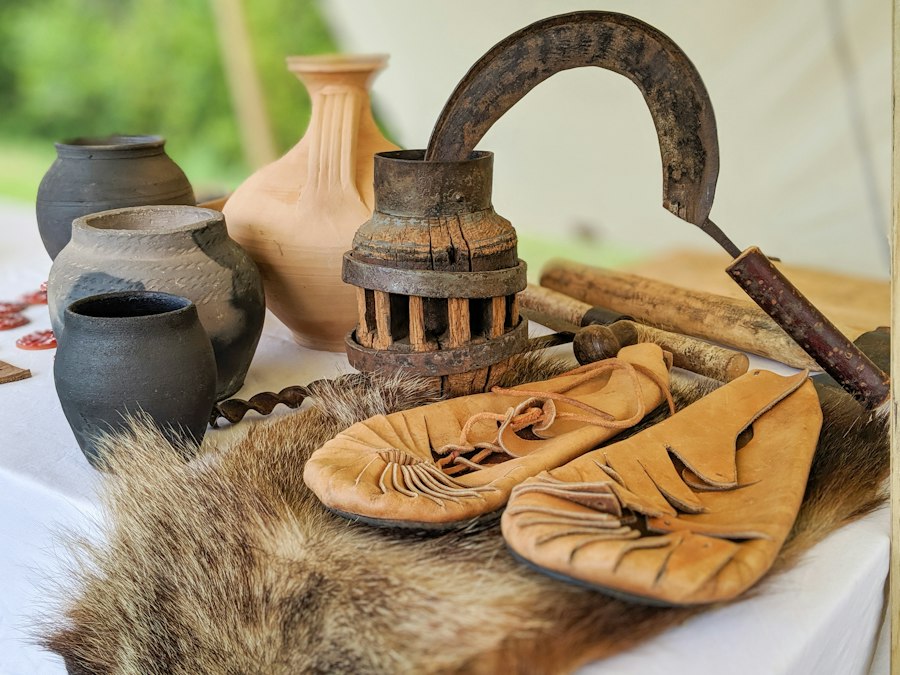
Raw sinew, in its unprocessed state, is stiff, brittle, and not readily amenable to being tied or woven. A series of labor-intensive but crucial preparation steps were necessary to transform these tough fibers into flexible and durable cordage. This transformative process was a testament to their resourcefulness and understanding of material science, albeit in its most basic form.
Stripping and Cleaning the Fibers
The first step after harvesting was to strip the sinew free of any remaining muscle or fat. This would have been achieved through a combination of scraping with sharp stone tools and manual manipulation. Any residual fatty tissue would have hindered the drying process and could lead to rot. The sinew would then be rinsed, likely in water, to remove any blood or debris. This cleaning process was essential for ensuring the longevity and integrity of the final cordage.
The Crucial Process of Drying and Softening
Once cleaned, the sinew needed to be dried. This was typically done by hanging it in a dry, airy location, away from direct sunlight which could make it brittle. As it dried, the sinew would shrink and harden. However, to make it pliable enough for use, further processing was required. This often involved a technique known as “retting,” though not in the same way as plant fibers. For sinew, it would involve beating and working the dried tendon.
Splitting and Twisting: The Genesis of Cordage
The real magic of sinew preparation lay in its ability to be split into progressively finer strands. Once dried and somewhat softened, a thick sinew could be carefully worked and teased apart. This would have been a painstaking process, likely involving fingernails, sharp stones, or perhaps even specialized bone tools. By splitting the sinew into thinner fibers, primitive humans could create cords of varying thicknesses, from coarse ropes to finer threads.
The process of creating cordage from these individual strands involved twisting. The fibers would be gathered together and then twisted, either by hand or using a simple spindle-like tool. Twisting the fibers in opposite directions (a process known as plying) would create a much stronger and more cohesive cord than individual strands alone. The tighter the twist, the stronger the cord. This method of cordage production is ancient and universal, and sinew provided an excellent material for its application. The inherent properties of sinew meant that as it dried further, the twisted strands would tighten, creating an even more robust binding.
Crafting the Shoulder-Worn Hide: Practical Applications of Sinew Cordage
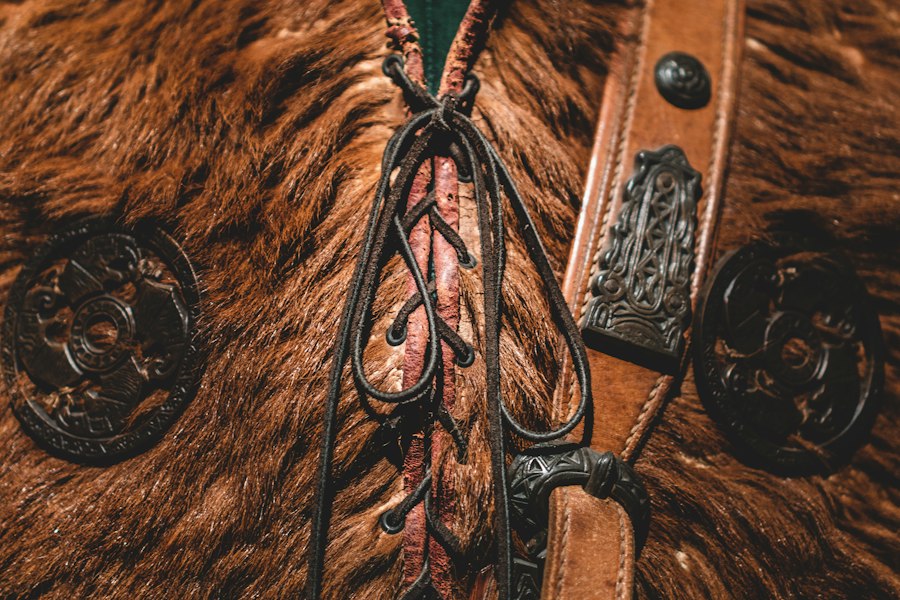
The primary function of sinew cordage for primitive humans was its use in securing animal hides. These hides, often massive and unwieldy, were the essential protective coverings against harsh weather. Transforming them into functional garments that could be worn comfortably and effectively over the shoulders was a critical skill, and sinew played a pivotal role in this transformation.
Transforming Pelts into Garments
An untanned animal hide, still bearing its fur, would have been the raw material. The process of preparing the hide itself for wear would have involved scraping away any remaining flesh or fat from the inner side, a process often facilitated by sharp stone tools. The hide would then be stretched and dried, sometimes over a frame. This would have shrunk and toughened the hide, making it more durable.
Sinew cordage was then employed to create a rudimentary garment. This would often involve folding the hide in half and then using the sinew to stitch or tie the edges together, creating a basic tunic or cloak. Holes would be punched or cut into the edges of the hide, and the sinew would be threaded through these, much like a needle and thread, to create seams. For garments worn over the shoulders, a larger piece of hide would be used, with the sinew employed to fashion straps or to tie the hide securely around the body, allowing it to hang or drape effectively. The natural shape of the hide itself often dictated the initial design, with the animal’s natural form influencing the resulting garment.
Securing the Drape: The Importance of Strategic Tying
The way the sinew was used to tie the hide was crucial for its functionality. Primitive humans would have understood the importance of distributing the weight evenly and ensuring the garment remained in place during strenuous activity. This would have involved strategically placed tie-points, often reinforced with extra layers of sinew. The natural openings of the animal’s skin, such as the leg holes or neck opening, could be adapted and utilized to aid in the garment’s construction.
For shoulder-worn hides, the sinew would have been used to create shoulder straps, often by punching holes near the top edges of the hide and then lacing sinew through them. Alternatively, the sinew could be used to tie the hide around the upper arms or chest, allowing it to drape over the shoulders and provide full coverage. The elasticity and strength of the sinew allowed for a snug fit that could accommodate movement without tearing. When wet, sinew would soften and become more pliable, allowing for adjustments, and as it dried, it would tighten, providing a secure hold.
Beyond Simple Garments: Adapting for Weather and Activity
The versatility of sinew cordage extended beyond basic cloaks. It was also used to create hoods, mittens, and leggings that could be attached to the main hide garment, offering more comprehensive protection. The ability to adjust the tightness of the ties meant that the garment could be adapted to different weather conditions – looser for warmer periods, tighter for colder ones. This practical application of sinew transformed raw animal hides into truly functional and adaptable clothing, essential for survival in diverse and often unforgiving environments.
The Wider Impact: Sinew as a Cornerstone of Primitive Technology
The use of sinew for tying hides was not an isolated practice; it was part of a broader technological revolution that empowered primitive humans to interact with their environment in more sophisticated ways. Sinew cordage became a foundational element in their toolkit, enabling advancements in various aspects of their lives.
Beyond Clothing: Tools, Weapons, and Shelters
The strong and durable nature of sinew cordage made it ideal for more than just clothing. It was extensively used in the construction of weapons, such as binding arrowheads to shafts or attaching spearheads to wooden poles. The flexibility of sinew also made it suitable for creating bowstrings. In toolmaking, sinew was used to lash stone axe heads to handles, creating effective chopping tools. It also played a role in the construction of shelters, where it could be used to bind together branches, poles, and animal hides to form rudimentary dwellings. The ability to create reliable bindings was crucial for building structures that could withstand the elements and provide refuge.
A Foundation for Future Innovations
The mastery of sinew preparation and usage laid the groundwork for future technological advancements. The understanding of fiber manipulation, twisting techniques, and material properties gained from working with sinew would have been transferable to other materials as they became available, such as plant fibers. The principles of cordage making, developed through the meticulous preparation of animal sinew, were fundamental to the later development of weaving and more complex textile production. Sinew represented a critical stepping stone in humanity’s journey from basic survival to more complex societal structures and technological sophistication.
Cultural and Symbolic Significance
Beyond its practical applications, the extensive use of animal parts, including sinew, likely held cultural and symbolic significance for primitive peoples. The respect and gratitude for the animal that provided sustenance and materials would have been deeply ingrained. The process of transforming a dead animal into useful items could have been imbued with ritualistic meaning, reinforcing the interconnectedness of life and the cyclical nature of existence. The skills associated with sinew preparation and utilization would have been passed down through generations, forming an integral part of their cultural heritage and identity.
Primitive humans often used natural materials such as sinew or plant fibers to tie hides against their shoulders, creating functional garments that provided warmth and protection. This practice highlights the ingenuity of early humans in utilizing available resources for survival. For a deeper understanding of how ancient technologies have shaped human development, you can explore this fascinating article on lost ancient technology.
The Enduring Legacy: Lessons from Primitive Sinew Use
| Material Used | Description | Source | Durability | Ease of Use |
|---|---|---|---|---|
| Animal sinew | Tough fibrous tissue from muscles, used as natural cordage | Archaeological findings, ethnographic studies | High | Moderate |
| Plant fibers (e.g., grasses, bark) | Stripped and twisted fibers from plants to create ropes or cords | Ethnographic records, experimental archaeology | Medium | High |
| Rawhide strips | Strips cut from untanned hide, flexible and strong when wet | Historical accounts, primitive tool reconstructions | High | Moderate |
| Vines | Flexible climbing plants used as natural binding material | Ethnographic observations | Medium | Moderate |
While modern materials and technologies have largely superseded the need for sinew in many applications, the legacy of its use by primitive humans remains profound. It stands as a powerful testament to human ingenuity, resourcefulness, and the ability to harness the natural world for survival and advancement. The careful observation, meticulous preparation, and practical application of sinew demonstrate a deep understanding of natural materials and a remarkable capacity for problem-solving.
A Microcosm of Early Human Innovation
The story of sinew is a microcosm of the broader narrative of early human innovation. It highlights a reliance on observation, experimentation, and the gradual refinement of techniques over vast periods. Each successful application, each improvement in cordage strength or garment durability, represented a step forward in their ability to thrive. The development of sinew technology was not a singular event but a continuous process of learning and adaptation, driven by the fundamental need to survive and improve their quality of life.
Lessons in Sustainability and Resourcefulness
In an era often characterized by material abundance and disposability, the primitive use of sinew offers valuable lessons in sustainability and resourcefulness. Every part of the animal was utilized, minimizing waste and maximizing the benefit derived from a successful hunt. This integrated approach to resource management underscores a profound respect for the natural world and a commitment to making the most of what was available. It encourages us to consider the full lifecycle of materials and the potential for extracting value from every component.
The Foundations of Modern Technology
The fundamental principles of binding and construction, perfected through the use of sinew, are still evident in modern technologies, albeit in more sophisticated forms. From the ropes that secure ships to the threads that stitch our clothing, the concept of creating strong and reliable connections remains central to human engineering. The early mastery of sinew cordage provided the foundational understanding of tensile strength, friction, and material manipulation that underpins much of our modern material science and engineering. The humble sinew, tied over the shoulders of our ancestors, represents a vital link in the long chain of human technological progress.

Life 20,000 Years Ago | When an Ice Age Wildfire Traps Your Primitive Family
FAQs
What materials did primitive humans use to tie hides?
Primitive humans commonly used natural materials such as plant fibers, animal sinew, and leather strips to tie hides against their shoulders. These materials were readily available in their environment and provided the necessary strength and flexibility for securing the hides.
How did primitive humans prepare the hides for use?
To prepare hides for use, primitive humans would typically clean and tan the animal skins. This process involved removing hair, fat, and flesh, followed by treating the skin with natural substances like animal brains, smoke, or plant tannins to preserve and soften the hide.
What techniques were used to tie the hides?
Primitive humans employed various knotting techniques to secure hides. Common methods included simple knots, such as the square knot or bowline, which allowed for easy adjustments and secure fastening. They also used loops and toggles made from wood or bone to enhance the effectiveness of the ties.
Why did primitive humans wear hides?
Primitive humans wore hides primarily for protection against the elements, such as cold weather and rain. Hides provided insulation and durability, making them suitable for clothing and gear. Additionally, wearing hides helped in camouflage while hunting and offered a degree of status within their communities.
Did different cultures use different methods for tying hides?
Yes, different cultures developed unique methods for tying hides based on their specific environments and available resources. For example, some cultures might have favored intricate knotting techniques, while others used simpler methods or additional materials like wooden fasteners or decorative elements to enhance functionality and aesthetics.