The deep past, a realm often shrouded in mystery, offers tantalizing glimpses into the ingenuity of our ancestors. Among the most enduring and fundamental of human endeavors was the acquisition of food, a task that demanded not only physical prowess but also keen intellect and strategic foresight. For the Paleolithic hunter, the successful procurement of game was merely the first step; the subsequent process of utilizing this precious resource was equally critical. This article delves into the sophisticated methods employed by these early humans to separate and manage fatty meat portions, a practice that, while seemingly mundane, held profound implications for survival, nutrition, and even potentially, the development of early tracking and resource management strategies.
The Nutritional Imperative of Fat
The caloric density and nutritional richness of animal fat made it an indispensable component of the Paleolithic diet. In an environment characterized by unpredictable food availability and the constant demands of a physically strenuous lifestyle, fat provided a vital energy reserve. It was a concentrated source of calories, essential fatty acids, and fat-soluble vitamins (A, D, E, and K), all of which played a crucial role in maintaining health, supporting growth, and enabling the demanding activities of hunting and gathering. The ability to identify, harvest, and store these fatty portions was thus a matter of survival. Beyond mere sustenance, the strategic utilization of fat also influenced social dynamics, representing a valuable commodity that could be shared, bartered, or saved for leaner times. Understanding the importance of fat in the Paleolithic diet is the bedrock upon which the subsequent methods of separation and utilization are built.
Energy Storage and Insulation
Fat deposits within an animal are not randomly distributed; they serve specific physiological purposes. Subcutaneous fat, for instance, provides insulation against the cold, a crucial adaptation for hominins living in diverse and often harsh climates. Internal fat, such as the mesenteric fat surrounding organs and the fat within muscle tissue (marbling), is a highly efficient energy store. For a hunter returning from a successful expedition, these fat reserves represented a significant caloric windfall, capable of sustaining the group for extended periods, especially during periods of scarcity. The ability to distinguish between lean muscle and these energy-rich fat deposits was a learned skill, honed through generations of observation and experience.
Essential Nutrients and Bioavailability
Fat is not just a source of calories; it is a critical medium for the absorption and transport of vital nutrients. Fat-soluble vitamins, which are abundant in animal fats, are essential for a wide range of bodily functions, including vision, bone health, immune function, and reproduction. The Paleolithic diet, likely rich in animal products, relied heavily on fat to ensure adequate intake and absorption of these micronutrients. Furthermore, the presence of fat can enhance the bioavailability of other nutrients in the diet, making the overall consumption of animal matter more effective for survival and thriving.
Paleolithic hunters developed various techniques to separate fatty meat portions, which were crucial for their survival in harsh environments. By understanding the anatomy of their prey, these early humans could identify and extract the most nutrient-dense parts, ensuring they had enough energy for their demanding lifestyle. For more insights into how ancient practices have evolved and influenced modern strategies, you might find it interesting to read about contemporary competitive tactics in different fields, such as those discussed in the article on the new space race. You can check it out here: The New Space Race: Nations’ Moon Grab Tactics.
Identifying and Extracting Fatty Meat
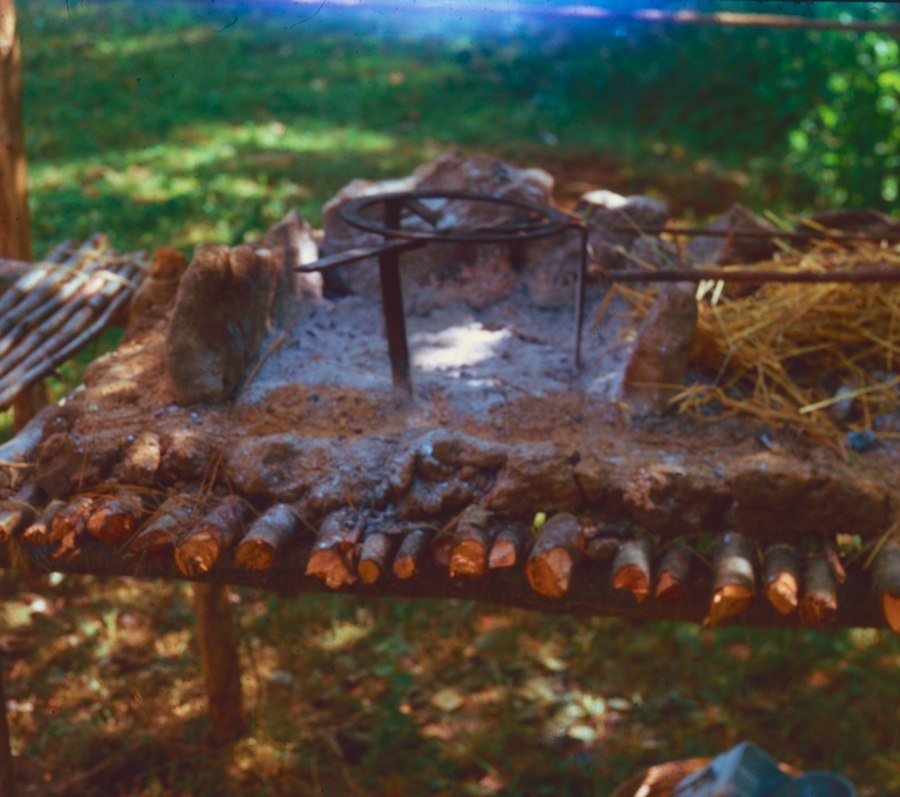
The process of separating fatty meat portions began with the immediate aftermath of a successful hunt. It was an intricate dance of observation, anatomy, and practiced technique. The hunter’s intimate knowledge of animal anatomy, gained through countless kills and butchering sessions, was paramount. This knowledge allowed them to efficiently locate and isolate the most desirable fatty tissues, ensuring that no valuable caloric resource went to waste. This section explores the sensory cues and manual dexterity involved in this crucial stage.
Anatomical Landmarks and Sensory Cues
Paleolithic hunters possessed an encyclopedic understanding of animal anatomy, far beyond what modern butchery might emphasize. They would have recognized specific anatomical locations where fat accumulated most densely. This included the subcutaneous fat layer, the fat surrounding internal organs like the kidneys and intestines, and the intramuscular fat that marbled the muscle tissue. Sensory cues played a vital role. The feel of the tissue, its texture, and its resistance to the touch would have signaled the presence and abundance of fat. Visual inspection of the cut surfaces would reveal the characteristic pearly white or yellowish hue of fat, contrasting with the darker red of muscle. The smell of rendered fat, even when raw, might have also been a subtle indicator. The ability to differentiate between various types of fat – for example, the firmer, more solid fat around the kidneys versus the softer, more oily fat from the belly – would have informed their decisions on how best to utilize each portion. This deep, embodied knowledge was passed down through observation and direct instruction, forming a cornerstone of their survival toolkit.
Tools and Techniques for Separation
The tools available to Paleolithic hunters were rudimentary by today’s standards, typically consisting of sharpened stone flakes, hand axes, and bone implements. Despite these limitations, they were remarkably effective in the hands of skilled individuals. The sharp edges of stone tools were used to meticulously slice through connective tissues and separate muscle bundles, allowing for the precise isolation of fatty deposits. Techniques likely involved a combination of cutting, scraping, and leveraging. For larger animals, the weight and structure of the carcass would have been exploited. For instance, the carcass might have been suspended, allowing gravity to assist in the separation process. The removal of hides, a process that often involved separating the subcutaneous fat layer attached to the skin, would have been a primary opportunity to harvest significant quantities of fat. The careful manipulation of the carcass, often with the assistance of multiple individuals, would have ensured that the most valuable fatty portions were extracted with minimal damage and maximum efficiency.
Differentiating Fat Types and Quality
Not all fat is created equal, and Paleolithic hunters would have been acutely aware of this. Different types of fat offered varying nutritional profiles and storage properties. For example, the fat around the kidneys, often referred to as suet, is a firmer, higher-melting-point fat that stores well and can be rendered into a stable cooking medium or used for preserving meat. The mesenteric fat, surrounding the intestines, is softer and richer in certain nutrients. The marbling within muscle tissue, while contributing to flavor and tenderness, might have been consumed directly with the meat or rendered separately. Hunters would have also recognized indicators of fat quality, such as the color and texture, which could signal the animal’s health and diet. A young, well-fed animal would likely yield richer, more palatable fat than an older, emaciated one. This nuanced understanding of fat quality further informed their decisions about which portions to prioritize for immediate consumption, storage, or other uses.
Implications for Tracking and Resource Management
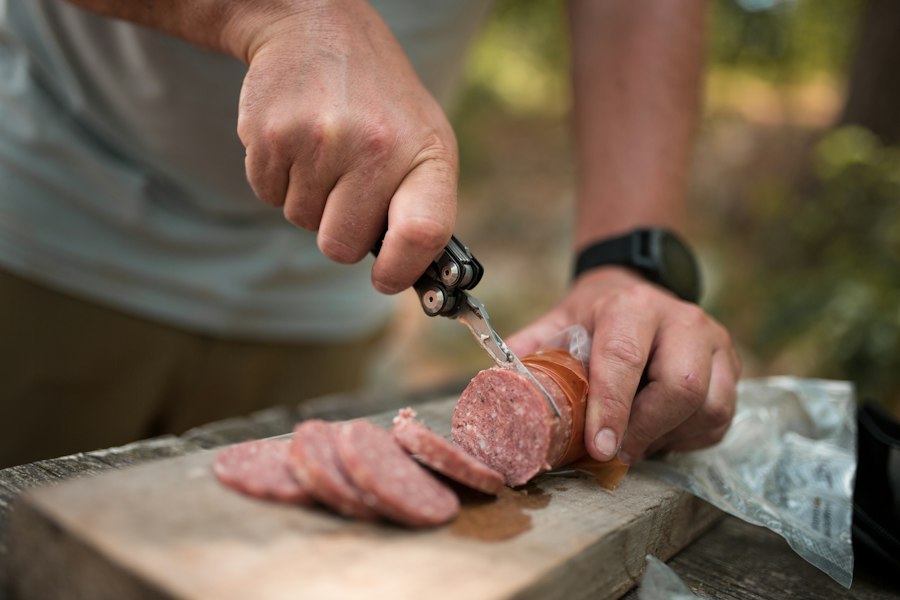
The systematic separation of fatty meat portions was not solely an act of dietary optimization; it also had significant implications for tracking and resource management. The discarded remnants, the types of fat left behind, and the manner in which portions were transported could all provide valuable information for subsequent hunting expeditions or for understanding the distribution and success of other groups. This section explores the subtle, yet significant, ways in which meat separation could have contributed to early forms of tracking and territorial awareness.
Forensic Clues in the Landscape
The act of butchering and transporting meat would inevitably leave traces in the environment. The specific types of bone fragments, the presence of animal hair, and the distribution of discarded fat scraps could all serve as indicators of past activity. For experienced hunters, these “forensic” clues would have been highly informative. The presence of fatty remnants, for example, might have indicated a successful kill, suggesting that this area was a productive hunting ground. The specific anatomical location of the discarded fat could even offer clues about the size and species of the animal. Furthermore, the way in which meat was transported – perhaps in large chunks or smaller, manageable portions – could have provided information about the size of the hunting party and their journey. This subtle “reading” of the landscape, informed by the remnants of food processing, would have contributed to a sophisticated understanding of their territory and its resources.
Informing Future Hunting Strategies
The knowledge gained from the butchering process directly informed future hunting strategies. If a particular animal consistently yielded a high proportion of desirable fatty meat, hunters would have learned to target that species or age group more frequently. Conversely, if certain regions or seasons produced leaner animals, hunters might have adjusted their migration patterns or hunting grounds accordingly. The successful identification and extraction of fatty portions would have reinforced certain hunting techniques and anatomical knowledge, creating a feedback loop of learning and adaptation. This empirical knowledge, accumulated over generations, allowed Paleolithic groups to develop highly effective and sustainable hunting practices. The systematic analysis of where and how fatty meat was acquired would have become an integral part of their collective knowledge base, guiding their movements and decision-making.
Understanding Territorial Use and Social Networks
The remnants of butchery could also offer insights into territorial use and the presence of other social groups. If a hunting party consistently processed their kills in a specific area, it would mark that territory as actively utilized. The discovery of butchery sites associated with different tool technologies or processing styles could indicate the presence of other groups, prompting caution or even interaction. The sharing of particularly fatty or desirable portions, a practice that likely occurred within and between groups, would also leave traces. Understanding the distribution of these valuable resources and the sites where they were processed could have contributed to a rudimentary understanding of social networks and territorial boundaries, a critical element for survival in a complex prehistoric world. The systematic analysis of fat distribution, or the lack thereof, could have been a silent language spoken across the landscape, conveying vital information about who was where and what had been accomplished.
The Role of Fat in Preservation and Storage
Beyond immediate consumption, the strategic separation and management of fatty meat portions played a critical role in extending the usability of scarce resources. In an era without refrigeration, fat offered a natural method of preservation, protecting lean meat from spoilage and allowing for longer-term storage. This section explores the ingenious ways Paleolithic peoples leveraged fat to ensure food security.
Rendering and Fat Storage
Fat, particularly suet and other rendered fats, could be stored for extended periods. Rendering involves gently heating fat to separate it from the connective tissues, resulting in a liquid oil that solidifies upon cooling. This rendered fat could be stored in animal bladders, stomachs, or other makeshift containers. It served multiple purposes: as a cooking medium, adding flavor and calories to lean meats or foraged plants, and as a protective coating. By coating lean meat portions with rendered fat, hunters could create a barrier against air and moisture, significantly slowing down the process of spoilage. This technique would have been particularly valuable for preserving meat from large kills, allowing the group to benefit from their successful hunt long after the immediate butchering. The controlled application of rendered fat was a sophisticated method of food preservation, extending the nutritional bounty of a kill far beyond what would have been possible with lean meat alone.
Pemmican and Dried Meat
While the exact composition of Paleolithic “pemmican” remains a subject of speculation, the principles of combining dried meat with fat are ancient. Drying lean meat in the sun or by smoke removed moisture, making it resistant to spoilage. However, dried meat can be tough and unpalatable. By incorporating rendered fat or fatty meat into the dried meat mixture, often pounded together, the resulting product would have been far more nutritious, calorically dense, and easier to consume. This combination would have created a portable, energy-rich food source ideal for long journeys, extended hunting expeditions, or as a vital reserve during periods of scarcity. The careful separation of fatty portions was thus directly linked to the ability to create these energy-dense preserved foods, a testament to the foresight and ingenuity of Paleolithic peoples in managing their resources.
Fat as a Binding and Flavoring Agent
Even when not explicitly for preservation, fat played a crucial role in enhancing the palatability and nutritional value of meals. Fatty meat portions, when cooked alongside leaner cuts, would render their fat, basting the lean meat and imparting flavor and moisture. This process would have made tougher cuts more tender and enjoyable. Furthermore, the inclusion of fat in stews or broths would have enriched them calorically and nutritionally. The fat would act as a carrier for fat-soluble vitamins and enhance the overall flavor profile of the meal. The ability to strategically separate and combine fatty and lean portions allowed for a more diverse and appealing culinary experience, transforming simple sustenance into a more satisfying and nourishing endeavor. The subtle inclusion of fat, not just as a separate ingredient but as an integrated component of cooking, demonstrated a sophisticated understanding of food preparation.
Paleolithic hunters developed various techniques to separate fatty meat portions, which were crucial for tracking and sustaining their groups during hunts. Understanding how these early humans utilized their environment can provide insights into their survival strategies. For a deeper exploration of how resource management is essential in modern contexts, you can read this informative article on preparing for economic challenges, which highlights the importance of strategic planning in uncertain times. Check it out here.
The Enduring Legacy of Fatty Meat Management
| Metric | Description | Relevance to Paleolithic Hunters |
|---|---|---|
| Fat Content Percentage | Estimated proportion of fat in different meat portions | Hunters likely identified fattier cuts by texture and appearance for energy-rich food |
| Visual Markers | Color and marbling patterns used to distinguish fatty meat | Visual cues helped in separating fatty portions for tracking and consumption |
| Smell and Texture | Olfactory and tactile senses to detect fat presence | Fatty meat has distinct smell and softer texture aiding in identification |
| Tracking Method | Techniques used to mark or remember fatty portions | Possibly used natural markers or spatial memory to track fatty meat locations |
| Energy Yield | Caloric value derived from fatty vs lean meat | Fatty meat provided higher energy, influencing selection and tracking priorities |
The methods employed by Paleolithic hunters for separating and managing fatty meat portions were not simply survival tactics; they represent a foundational element of human innovation and adaptation. This intricate knowledge, passed down through generations, demonstrates a profound understanding of nutrition, resource management, and the subtle cues of the natural world. The legacy of these practices continues to resonate, not only in the dietary habits of modern humans but also in the enduring principles of butchery and food preservation.
A Testament to Early Anthropological Knowledge
The sophisticated understanding of animal anatomy, fat distribution, and nutritional requirements displayed by Paleolithic hunters is a remarkable testament to their intellectual capabilities. It underscores that these early humans were not merely driven by instinct but were active observers and experimenters, developing complex knowledge systems to thrive in their environment. Their ability to meticulously separate fatty portions, understand their preservation properties, and integrate them into their diet speaks volumes about their cognitive abilities and their capacity for nuanced understanding of the natural world. This knowledge was not innate; it was learned, refined, and transmitted, forming a crucial part of their cultural heritage.
Precursors to Modern Butchery and Food Science
The fundamental principles behind Paleolithic fat separation – identifying desirable cuts, understanding tissue types, and utilizing fat for preservation and palatability – are directly echoed in modern butchery and food science. While our tools and techniques have evolved dramatically, the underlying understanding of how to best utilize the entire animal, maximizing nutritional yield and minimizing waste, remains a constant. The recognition of marbling for tenderness, the rendering of fats for cooking, and the drying and preservation of meat all have deep roots in the practices of our Paleolithic ancestors. Their empirical discoveries laid the groundwork for much of what we understand about food today.
The Evolutionary Advantage of Fat Management
The ability to efficiently harvest, process, and store fatty meat provided a significant evolutionary advantage to Paleolithic hominins. It allowed for greater resilience in the face of environmental challenges, supported the energy demands of increasingly complex lifestyles, and likely contributed to the development of larger brains and more sophisticated social structures. Those groups that excelled in managing their fat resources would have been better nourished, healthier, and more likely to survive and reproduce. Therefore, the seemingly simple act of separating fatty meat portions was a critical factor in the successful trajectory of human evolution, a silent but powerful force shaping our species. The very survival and success of early humans can be intrinsically linked to their ability to extract and utilize every valuable component of their kills, with fat being a particularly prized commodity.

Life 20,000 Years Ago | When an Ice Age Wildfire Traps Your Primitive Family
FAQs
What techniques did Paleolithic hunters use to identify fatty meat portions?
Paleolithic hunters likely used visual inspection and tactile methods to identify fatty meat portions. They would examine the animal’s body for areas with visible fat deposits, such as around the organs and under the skin, and feel for the texture of the meat to determine its fat content.
How did the separation of fatty meat portions benefit Paleolithic hunters?
Separating fatty meat portions provided essential energy and nutrients, which were crucial for survival in harsh environments. Fat is a dense source of calories, helping hunters sustain their energy levels during long hunts and periods of food scarcity.
Did Paleolithic hunters have specific tools for separating fatty meat?
Yes, Paleolithic hunters used stone tools, such as knives and scrapers, to help separate fatty meat from lean portions. These tools allowed them to efficiently cut through muscle and fat, making it easier to access the desired portions of meat.
What role did knowledge of animal anatomy play in separating fatty meat?
Knowledge of animal anatomy was vital for Paleolithic hunters, as it helped them locate and separate fatty meat portions effectively. Understanding where fat is typically stored in different animals allowed hunters to maximize their yield from each hunt.
How did the practice of separating fatty meat portions evolve over time?
Over time, as hunting techniques and tools improved, the methods for separating fatty meat portions became more refined. This evolution included the development of more specialized tools and techniques, leading to greater efficiency in processing game and optimizing food resources.