The Hearth and the Hunt: Sustaining Prehistoric Families Through Scarcity
Life in prehistoric times was a relentless dance with the seasons and the availability of sustenance. For early human families, the specter of hunger was a constant companion. Unlike modern societies with their complex supply chains and advanced technology, these ancestors relied on their keen observation, ingenuity, and deep understanding of their environment to survive. When the bounty of the hunt or the harvest waned, their ability to preserve what little they had became paramount. This was not a matter of convenience, but of life and death, a testament to their resilience and the fundamental drive to ensure the survival of their kin. The methods employed were rudimentary, born of necessity and refined through generations of trial and error, yet they formed the bedrock of early human civilization, allowing families to weather lean times and persist through the long ages.
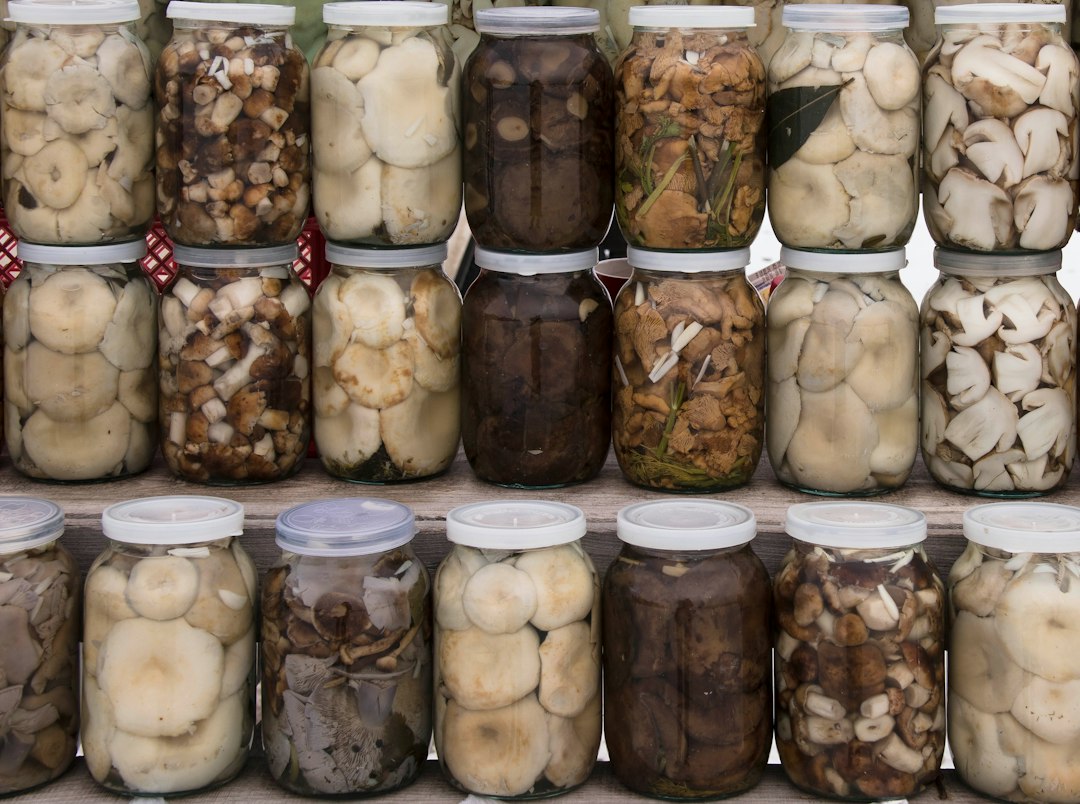
Prehistoric families faced significant challenges in managing scarce food resources, often relying on innovative preservation techniques to ensure their survival. An insightful article that delves into the complexities of food preservation in ancient times can be found at this link. It explores how early humans utilized methods such as drying, smoking, and fermentation to extend the shelf life of their food, which was crucial for enduring harsh seasons and food shortages. Understanding these techniques not only sheds light on the resilience of prehistoric communities but also highlights the importance of resource management in human history.
Foraging Fundamentals and the Art of Stockpiling

The foundation of prehistoric survival lay in the careful management of readily available resources. Foraging, the act of gathering wild plants, fruits, nuts, and roots, was a crucial component of the diet for many prehistoric groups. This was not a haphazard endeavor; it required intimate knowledge of plant cycles, identifying edible species from poisonous ones, and understanding the best times and places to find them. Families would work together, with different members specializing in various aspects of the gathering process. Children might be tasked with collecting berries and smaller edibles, while adults focused on roots, tubers, and more substantial plant matter. The seasonal nature of many of these resources presented a significant challenge. Fruits ripened and fell, nuts matured and dropped, and certain roots were only palatable or accessible during specific times of the year. This inherent seasonality demanded foresight and the development of strategies to bridge the gaps between abundant periods.
The Seasonal Imperative: Adapting to Nature’s Rhythm
The rhythm of life for prehistoric families was dictated by the shifting seasons. Summer and autumn often brought periods of relative plenty, with abundant berries, ripe fruits, and mature nuts ready for collection. During these times, a significant portion of the family’s effort was dedicated not just to immediate consumption but to the vital task of stockpiling. Winter, on the other hand, was a time of stark scarcity. Snow covered the ground, making hunting more difficult and foraging nearly impossible. This is where the foresight of the warmer months became critical. Families would meticulously gather as much as they could during the periods of abundance, understanding that these stores would be their lifeline when the natural world offered little. This seasonal imperative shaped their daily routines, their migratory patterns (if they were nomadic), and their overall survival strategies. The ability to predict and prepare for these cyclical shortages was a hallmark of successful prehistoric communities.
Harnessing the Harvest: Gathering and Storage Techniques
The actual gathering of wild foods was a labor-intensive process. Women and children often played a significant role in foraging, their smaller hands and detailed knowledge of plant life proving invaluable. They would carefully select the ripest fruits, dig up nutritious roots and tubers, and collect nuts and seeds. The sheer volume of food that needed to be collected to sustain a family through lean times was immense. Once gathered, the challenge shifted to preservation. While sophisticated methods were absent, prehistoric peoples developed surprisingly effective techniques. For many plant-based foods, drying was a primary method. Fruits, berries, and even some herbs were spread out in the sun or near the warmth of a fire to remove moisture, inhibiting the growth of spoilage-causing microorganisms. Root vegetables, once dug, could be stored in cool, dry places, often in pits dug into the ground, to slow down decay. Nuts, with their tough shells and high fat content, were naturally more resistant to spoilage and could be stored for extended periods in dry locations. Seeds, carefully collected, could be kept for planting the following season or for consumption. The communal effort extended to the storage of these precious resources, with families often designating specific areas or structures for their gathered provisions.
The Hunter’s Bounty: Preserving Meat and Fish
For many prehistoric groups, particularly those inhabiting regions with abundant wildlife, hunting was a vital source of protein and fat. The successful pursuit and killing of large game could provide a significant food surplus, but the perishability of meat presented a formidable challenge. Unlike plant matter, meat spoils quickly, especially in warmer climates. Prehistoric families had to be ingenious in their methods of preserving this valuable resource, ensuring that the fruits of the hunt could sustain them for days, weeks, or even months. These preservation techniques were often intertwined with the practicalities of processing the animal itself, making every part of the kill useful.
Smoking and Drying: Extending the Shelf Life of Protein
Two of the most fundamental and widely used methods for preserving meat were smoking and drying. Smoking involved exposing meat to the smoke of a smoldering fire, typically from hardwoods. The smoke not only imparted a distinctive flavor but, more importantly, contained antimicrobial compounds that slowed down the spoilage process. Thin strips of meat, often referred to as jerky, would be hung over slow-burning fires for extended periods. This process not only preserved the meat but also reduced its water content, making it lighter and easier to store and transport. Drying, a similar principle, involved dehydrating the meat by exposing it to dry air and sunlight, or by carefully controlled heat. This was particularly effective for smaller game or portions of larger animals. The complete removal of moisture was key to preventing bacterial growth. These methods, while seemingly simple, were highly effective in transforming a highly perishable commodity into a long-lasting food source, a critical buffer against periods of hunting failure.
Salting and Fermentation: Ancient Techniques for Preservation
While the widespread availability of salt was not universal in prehistoric times, some groups likely had access to salt licks or the ability to extract salt from seawater or salt deposits. Salt, acting as a desiccant and antimicrobial agent, was an incredibly effective preservative. Meat could be rubbed with salt, drawing out moisture and inhibiting bacterial growth. This process, known as curing, could significantly extend the shelf life of meat. Furthermore, fermentation, a process where microorganisms break down organic matter, was also likely employed, albeit perhaps less consciously understood. Certain types of preserved meats, particularly those consumed by nomadic groups, may have undergone controlled fermentation, which not only preserved the meat but also enhanced its digestibility and flavor. While the precise understanding of the microbiology involved was absent, the practical application of these methods, passed down through generations, proved crucial for survival in environments where fresh food was not always guaranteed.
Utilizing Every Part: Fat Rendering and Bone Broth
Prehistoric families were masters of resourcefulness, and this extended to their food preservation. The fat of animals was a highly prized commodity, not only for its caloric density but also for its preservation properties. Fat could be rendered down by slow heating, separating the pure fat from the solid tissues. This rendered fat, often stored in animal bladders or pottery vessels, could be used for cooking, as a fuel source for lamps, and, crucially, as a way to preserve other foods. Small pieces of meat or fish could be submerged in rendered fat, creating an airtight seal that prevented oxidation and spoilage. This method, akin to confit, provided a long-lasting source of protein. Additionally, animal bones, rich in marrow and collagen, were not discarded. Boiling bones for extended periods created nutrient-rich broths. While primarily a source of sustenance, the process of boiling and concentrating these broths may have also offered a degree of preservation, making them a valuable resource to draw upon during lean times. The complete utilization of every part of a hunted animal underscores the deep respect and understanding prehistoric peoples had for the resources they depended upon.
Early Innovations in Food Storage
Beyond the immediate preservation of meat and plant matter, prehistoric families developed rudimentary but effective methods for storing larger quantities of food over longer periods. These innovations were often tied to their dwelling structures and their understanding of the local environment. The ability to protect stored food from pests, moisture, and temperature fluctuations was vital for ensuring a consistent food supply throughout the year. These early storage solutions were the precursors to more complex food storage systems seen in later civilizations.
Underground Storage: The Cool, Stable Pit
One of the most common and effective prehistoric food storage methods involved utilizing the earth itself. Digging pits into the ground offered several significant advantages. The earth provided natural insulation, keeping stored goods at a relatively cool and stable temperature, which slowed down spoilage. The depth of the pit also helped to protect the contents from fluctuating air temperatures and from scavenging animals. Families would often line these pits with stones or dried grasses to create a more stable environment. Root vegetables, nuts, seeds, and even dried meats could be placed in these pits, sometimes in woven baskets or animal hides, to protect them from direct contact with the soil. In colder climates, these pits would be covered with heavy stones or logs to prevent them from freezing over completely, while still allowing for access. The success of this method relied on understanding the local soil composition and ensuring adequate drainage to prevent moisture buildup, which could lead to rot.
Elevated Structures and Natural Shelters: Protecting from the Elements and Pests
For communities living in areas with abundant natural shelters, such as caves or rock overhangs, these locations often served as natural food storage sites. The constant temperature and protection from rain and wind made them ideal for storing dried goods, nuts, and seeds. In more exposed environments, families might construct simple elevated platforms or small, enclosed structures. These could be made from branches, mud, or woven reeds, and were designed to keep food off the ground, protecting it from moisture and ground-dwelling pests like insects and rodents. In some cases, these structures might be built within or near the family’s dwelling, providing both security and easy access. The ingenuity lay in using readily available materials and leveraging the natural properties of their surroundings to create safe havens for their precious food reserves.
The Role of Pottery and Containers: Early Vessels for Preservation
The development of pottery was a significant technological advancement for prehistoric peoples, and it played a crucial role in food storage. Early ceramic vessels, once fired, provided durable and relatively impermeable containers. These could be used to store grains, seeds, dried fruits, and even rendered fats or preserved meats. The ability to seal these vessels, perhaps with clay stoppers or tightly woven lids, offered an added layer of protection against moisture and pests. The form and size of these pottery containers would have varied depending on their intended use and the materials available. Larger vessels might be used for storing bulk quantities of grains or dried goods, while smaller ones could be used for storing more valuable or easily spoiled items. The creation and use of such containers represent an important step towards more organized and systematic food management.
Prehistoric families faced significant challenges in managing scarce food resources, often relying on innovative preservation techniques to ensure their survival. These early humans utilized methods such as drying, smoking, and fermenting to extend the shelf life of their food. Understanding the natural cycles, including the phases of the moon, played a crucial role in their agricultural practices and food storage strategies. For a deeper insight into how lunar cycles influenced early human activities, you can explore this fascinating article on the strategic importance of the moon.
The Social Fabric of Survival: Cooperation and Knowledge Transfer
| Aspect | Technique | Description | Effectiveness | Impact on Family Survival |
|---|---|---|---|---|
| Food Storage | Drying and Smoking | Meat and fish were dried or smoked to reduce moisture and prevent spoilage. | Moderate – extended shelf life by weeks to months. | Allowed families to store surplus food for lean periods. |
| Food Storage | Cold Storage | Using natural cold environments like caves or snow pits to keep food fresh. | Moderate – slowed down spoilage temporarily. | Helped preserve perishable items during colder seasons. |
| Food Preparation | Fermentation | Fermenting fruits, vegetables, or dairy to create edible and longer-lasting food. | Variable – could preserve food for weeks and improve nutrition. | Provided nutritional diversity and preserved food beyond fresh state. |
| Food Management | Small Portion Consumption | Eating smaller amounts to ration scarce food supplies. | High – conserved food resources effectively. | Increased chances of survival during food shortages. |
| Food Management | Sharing and Cooperation | Families shared food resources within groups to ensure collective survival. | High – pooled resources reduced individual risk. | Strengthened social bonds and improved overall survival rates. |
The ability of prehistoric families to manage scarce food resources was not solely a matter of individual ingenuity; it was deeply embedded within their social structures and the collective knowledge of their communities. Cooperation, shared labor, and the intergenerational transfer of vital skills were indispensable for survival. The challenges of obtaining and preserving food fostered a sense of interdependence, where the success of one family often relied on the support and collaboration of others.
Communal Efforts in Hunting and Gathering: Strength in Numbers
The act of hunting large game, in particular, was rarely a solitary endeavor. It often required the coordinated efforts of multiple individuals, employing strategies and tactics honed through generations of experience. This communal hunting not only increased the chances of success but also ensured that the bounty of a large kill could be distributed among the families involved, providing sustenance for many. Similarly, gathering expeditions, especially for difficult-to-access resources like honey or certain types of tubers, could also benefit from group participation. The sharing of labor meant that more ground could be covered, and more food could be collected in a shorter amount of time. This cooperative spirit was a cornerstone of prehistoric survival, transforming individual efforts into a collective force capable of overcoming significant challenges.
The Wisdom of Elders: Passing Down Essential Skills
The transmission of knowledge was a critical element in the survival of prehistoric communities. Elders, with their accumulated experience and deep understanding of the environment, were living libraries of essential information. They held the knowledge of which plants were edible, which were poisonous, the best times and places to find them, and the most effective methods for their preservation. They knew the migration patterns of animals, the signs of approaching weather changes, and the secrets of successful hunting techniques. This wisdom was passed down through oral traditions, storytelling, and direct mentorship. Younger generations learned by observing, imitating, and practicing under the guidance of their elders. This intergenerational transfer of knowledge ensured that the skills necessary for survival were not lost, but rather continually reinforced and refined, allowing each new generation to face the challenges of their time with the accumulated wisdom of their ancestors.
Resource Sharing and Reciprocity: Building a Safety Net
In a world where unpredictable events, such as drought, disease, or hunting failures, could lead to severe food shortages, resource sharing and reciprocity were vital for building a social safety net. Families would often share their surplus food with those who were less fortunate, understanding that this act of generosity would likely be reciprocated in times of need. This system of mutual aid helped to prevent widespread starvation and ensured the resilience of the community as a whole. The social bonds forged through these acts of sharing and reciprocity were essential for maintaining social cohesion and fostering a sense of collective responsibility for the well-being of all members. The success of a prehistoric family was not just a measure of their individual prowess but of their ability to be an integral and contributing part of a supportive community.
Prehistoric families faced significant challenges in managing scarce food resources, often relying on innovative preservation techniques to ensure their survival. These early humans utilized methods such as drying, smoking, and fermenting to extend the shelf life of their food, which was crucial during harsh seasons when fresh resources were limited. Understanding how these ancient practices laid the groundwork for modern food preservation can provide valuable insights into current supply chain issues. For a deeper exploration of how contemporary methods are evolving, you can read more in this article on revolutionizing the North American supply chain.
The Legacy of Ingenuity: Foundations for Future Civilizations
The methods employed by prehistoric families to manage scarce food resources, though seemingly primitive by modern standards, represent a remarkable testament to human ingenuity and adaptability. Their deep understanding of the natural world, their practical problem-solving skills, and their capacity for cooperation laid the groundwork for the development of more sophisticated agricultural practices and societal structures that would emerge in later epochs. The lessons learned in the struggle for survival, the meticulous observation of nature, and the patient refinement of techniques for food acquisition and preservation were not mere survival tactics; they were the seeds from which future civilizations would grow.
From Foraging to Farming: The Evolution of Food Security
The techniques of gathering, stockpiling, and preserving were the essential precursors to the development of agriculture. The understanding of plant cycles and the desire to control food availability led eventually to the domestication of crops. The careful selection and saving of seeds by prehistoric gatherers provided the raw material for early farmers. Similarly, the practices of animal husbandry likely evolved from observations made during hunting and the desire to have more readily available sources of protein. The long periods of relying on the unpredictable bounty of nature instilled a profound appreciation for the concept of food security, a drive that would ultimately lead to the establishment of settled agricultural communities. These communities, with their more stable food supplies, could support larger populations, leading to the development of specialized labor, trade, and the complex social organizations that characterize civilization.
The Enduring Influence on Culinary Traditions
The preservation methods developed by prehistoric peoples have had a lasting impact on culinary traditions around the world. Smoking, drying, curing, and fermentation are techniques that are still widely used today, albeit often with more sophisticated tools and understanding. The flavors and textures achieved through these ancient methods continue to be cherished. Many traditional foods, from jerky and dried fruits to fermented vegetables and smoked meats, owe their existence to the resourceful practices of our prehistoric ancestors. Their ingenuity in extending the shelf life of food not only ensured their survival but also created a culinary heritage that continues to enrich our diets and connect us to our ancient past. The simple act of preserving food was a fundamental step in the evolution of human cuisine.
A Testament to Human Resilience and Innovation
Ultimately, the story of prehistoric families managing scarce food with primitive preservation methods is a profound narrative of human resilience and innovation. Facing immense challenges, they did not succumb to despair but instead drew upon their innate intelligence and their deep connection to the natural world to find solutions. Their ability to observe, adapt, and collaborate allowed them to not only survive but to thrive, laying the essential foundations for the progress of humankind. Their legacy is a powerful reminder that even in the face of extreme scarcity, human ingenuity and the drive to sustain life can lead to extraordinary achievements. The echoes of their efforts can be seen and tasted in the very fabric of our modern world.

Life 20,000 Years Ago | When an Ice Age Wildfire Traps Your Primitive Family
FAQs
What food preservation techniques did prehistoric families use?
Prehistoric families employed various food preservation techniques such as drying, smoking, fermenting, and salting. These methods helped to extend the shelf life of food, allowing families to store surplus food for times of scarcity.
How did drying help in food preservation?
Drying was a common technique where food items, such as fruits and meats, were exposed to sunlight or air to remove moisture. This process inhibited the growth of bacteria and mold, making the food less perishable and easier to store for long periods.
What role did fermentation play in food preservation?
Fermentation was another important method used by prehistoric families. By allowing natural bacteria to convert sugars into acids or alcohol, foods like vegetables and dairy products could be preserved. This not only extended their shelf life but also enhanced their nutritional value and flavor.
Why was smoking an effective preservation method?
Smoking involved exposing food, particularly meats and fish, to smoke from burning wood. This process not only dried the food but also added chemicals from the smoke that acted as preservatives, preventing spoilage and imparting a distinct flavor.
How did prehistoric families adapt to food scarcity?
Prehistoric families adapted to food scarcity by utilizing a combination of preservation techniques, foraging for wild foods, and practicing seasonal hunting and gathering. They also developed communal storage practices to share resources and ensure survival during lean times.