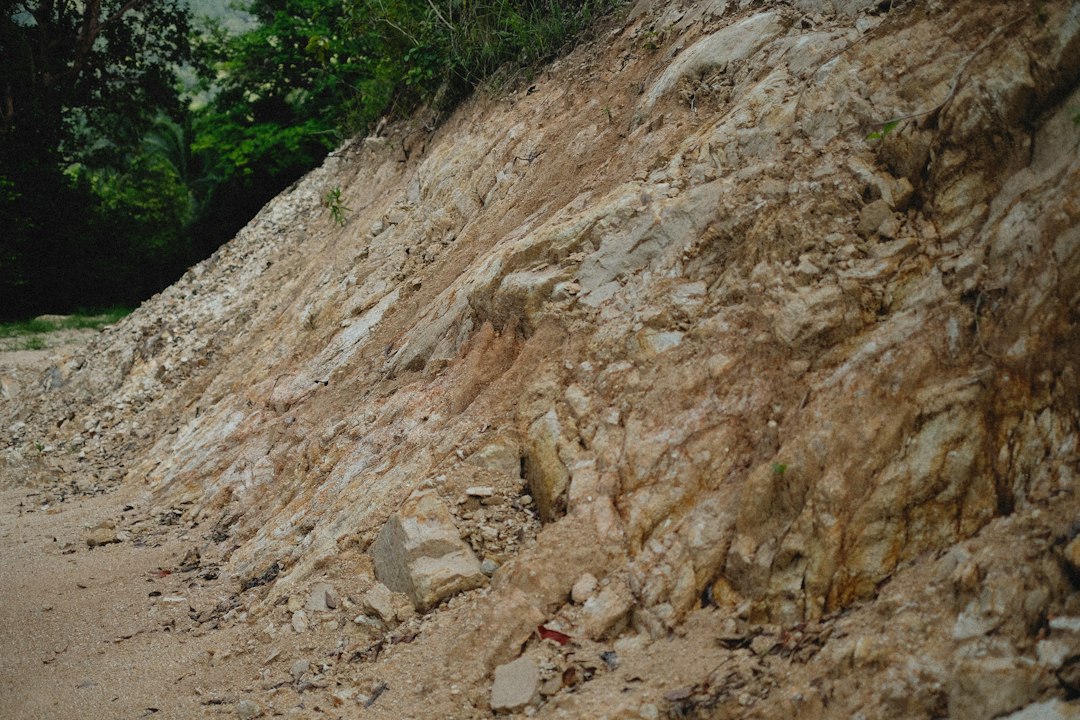
The world of early humans was a symphony of sensory experiences, a constant interplay between instinct and observation. When the earth itself shifted, releasing fresh gravel from its banks, this was not merely a geological event; it was a potent stimulus that triggered a complex cascade of reactions, woven into the fabric of their daily lives and survival strategies. These ancient hominids, with minds still developing but acutely attuned to their environment, would have responded to such occurrences with a blend of immediate, instinctive alarm, followed by a more deliberate, often communal, assessment and adaptation. The sound, the visual disruption, and the altered landscape would have collectively shaped their perception and subsequent actions.
The Sound of Disruption: An Immediate Auditory Alert
The initial sensation of fresh gravel slipping from riverbanks would have been primarily auditory. The distinct, percussive sound of countless small stones cascading down would have been a jarring interruption to the otherwise natural soundscape of their world. This would have been amplified by the echoes off surrounding cliffs or the open expanse of the plains, making it impossible to ignore. Early humans, whose hearing was undoubtedly honed for the detection of predators and prey, would have instantly registered this anomaly. Their auditory processing would have been geared towards distinguishing between natural, predictable sounds and sudden, potentially dangerous ones.
The Primal Jolt of Alarm
The immediate reaction would have been a surge of adrenaline. This ancient physiological response, honed over millennia of evolution, would have prepared their bodies for flight or fight. Their senses would have sharpened, their attention focused solely on the source of the disturbance. Children, if present, would likely have been instinctively drawn closer to adults, their cries or whines a clear indication of unease. The sound itself, a chaotic symphony of friction and impact, would have conveyed a sense of instability and unpredictability, triggering an innate caution.
Differentiating from Familiar Noises
It is crucial to understand that early humans lived in a world rich with natural sounds. The rustling of leaves, the call of birds, the distant roar of a large cat, the gurgle of water – these were all part of their everyday auditory tapestry. The sound of falling gravel, however, would have stood out due to its distinct texture and suddenness. Unlike the predictable rhythm of wind or the sustained roar of a predator, this was a transient but forceful outburst. Their brains would have been adept at categorizing these sounds, and the gravel slide would have quickly been filed under “unusual and potentially threatening.” This rapid classification was essential for swift decision-making in a world where misjudgment could have dire consequences.
Early humans faced numerous challenges in their environment, including the dangers posed by shifting landscapes and natural disasters. When fresh gravel slipped from failed banks, they likely had to adapt quickly to avoid potential hazards and find new resources. This adaptability is a key theme in understanding how early societies developed survival strategies. For a deeper exploration of how modern societies manage risks and protect assets in the face of financial uncertainties, you can read the article on emergency asset seizure legislation at this link.
Visual Cues: The Shifting Landscape and Its Implications
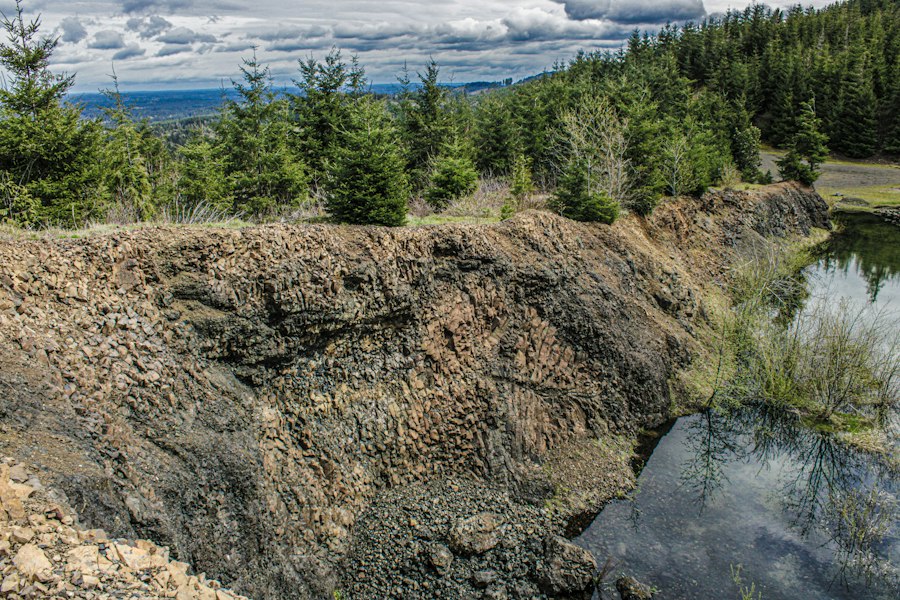
Following the auditory alarm, the visual aspect of the event would have become paramount. The sight of the earth giving way, the churning of soil and stone, and the resulting change in the topography of the riverbank would have presented a stark visual reality. This visual stimulus would have reinforced the initial sense of unease and provided crucial information for understanding the nature and extent of the disturbance.
The Spectacle of Instability
Early humans would have observed the visual manifestation of the slide. The fresh scar on the landscape, the exposed soil, and the new deposit of rocks would have been a clear indication that the ground was not as stable as it appeared. This would have been particularly impactful if the slide occurred near their temporary or permanent dwelling sites. The visual evidence of earth movement would have served as a powerful reminder of the dynamic and sometimes unpredictable nature of their physical surroundings. The visual contrast between the stable, familiar bank and the freshly disturbed area would have been striking.
Assessing the Immediate Danger
Beyond the sheer visual impact, early humans would have been assessing the immediate danger posed by the slide. Was it large enough to threaten their shelter? Were there any large boulders that could roll further and cause harm? Was the area now unstable and prone to further collapse? Their observational skills, honed by generations of survival, would have been engaged in a rapid, albeit non-verbal, risk assessment. They would have noted the angle of the slope, the size of the dislodged material, and the proximity to their immediate living space or foraging grounds.
Understanding Water Flow Alterations
Riverbanks are integral to the lives of many early human groups, providing water, a source of food, and a pathway for travel. A significant gravel slide could alter the natural flow of the river. The visual observation of how the dislodged material interacted with the water – whether it created a temporary dam, changed the current, or made crossing more difficult – would have been a critical piece of information. This understanding would directly impact their ability to access resources or move to new locations, influencing their immediate plans and potentially their long-term settlement patterns.
Instinctive Reactions: Fear, Caution, and Territoriality
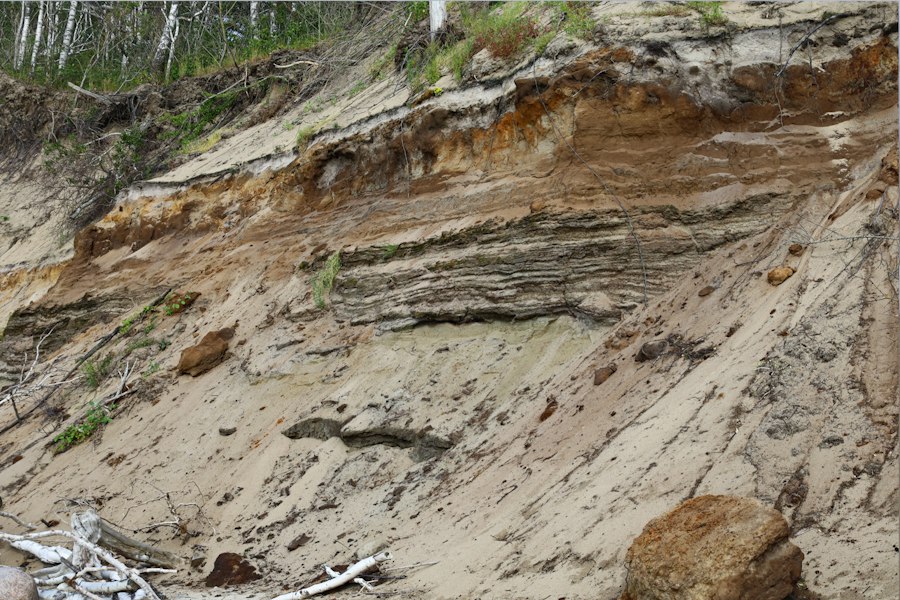
The primary drivers behind early human reactions to such events would have been deeply ingrained instincts. Fear, caution, and a strong sense of territoriality would have played significant roles in how they processed and responded to the disruption. These instincts, honed by the harsh realities of their environment, were essential for survival.
The Power of Fear and the Fight-or-Flight Response
Fear is a fundamental survival mechanism. The sudden, unexpected event of a gravel slide would have immediately triggered a fear response. This would manifest as a heightened state of alertness, increased heart rate, and a readiness to react. For early humans, this fear would have been a signal to assess their surroundings for immediate threats. The instinct to flee from perceived danger, or to defend themselves if cornered, would have been strongly activated. The adrenaline rush would have prepared their bodies for immediate action, whether it was to retreat to a safer distance or to scan for any lurking predators attracted by the noise.
The Primacy of Caution in an Unpredictable World
In a world where a single mistake could lead to death, caution was a virtue. The gravel slide, an event demonstrating the earth’s inherent instability, would have reinforced this cautious outlook. Early humans would have learned to be wary of such areas, avoiding them until they were deemed safe. This ingrained caution would have extended to their interactions with the altered landscape. They would not have rushed back into the affected area without careful observation and a degree of reassurance that the immediate danger had passed. This was not timidity, but a strategic understanding of risk.
Protecting Their Territory and Resources
Early humans, like many animals, were territorial. Their living spaces, hunting grounds, and water sources were crucial for their survival and the survival of their group. A gravel slide could represent a disruption to this territory. Their reaction would have included a defensive posture, ensuring that the disturbance did not pose a threat to their established territory or their access to vital resources. If the slide occurred near their encampment, the concern would be immediate and focused on protecting their home. If it occurred in a foraging area, the concern would be about potential disruption to food sources or the emergence of new dangers.
Communal Assessment and Knowledge Transfer
While individual instincts would have been the first responders, the social nature of early humans meant that communal assessment and the transfer of knowledge would have quickly followed. These events, particularly if they recurred or had significant impact, would have become subjects of shared observation and discussion, contributing to the collective understanding and survival strategies of the group.
Shared Observation and Collective Vigilance
The natural inclination for early humans would have been to gather together, or at least to observe the event as a group. This shared experience allowed for a more comprehensive assessment of the situation. Individuals could have pointed out different aspects of the slide, shared their observations, and collectively decided on the best course of action. This collective vigilance was a crucial element of their survival, ensuring that no critical detail was missed and that the group as a whole remained safe. The vocalizations and gestures exchanged would have served as a form of non-verbal communication, conveying information about the perceived danger and the necessary precautions.
Learning from the Landscape’s Instability
Over time, recurring gravel slides would have taught early humans valuable lessons about the geology of their environment. They would have learned to recognize the signs of potential instability – certain types of soil, steep slopes, or areas that had previously experienced slides. This knowledge would have been passed down through generations, becoming an ingrained part of their understanding of the landscape and influencing their choice of settlement locations, travel routes, and areas to avoid. This embodied knowledge was a crucial form of environmental intelligence.
Oral Traditions and the Transmission of Experience
As early human societies developed more complex forms of communication, the experience of such events would have been incorporated into their oral traditions. Stories, myths, and cautionary tales would have emerged, recounting the dangers of unstable terrain and the importance of vigilance. These narratives served as a vital mechanism for transmitting accumulated knowledge and ensuring that younger generations understood and respected the potential hazards of their environment. The shared memory of such events would have solidified their understanding and shaped their behavior.
Early humans faced numerous challenges in their environment, particularly when fresh gravel slipped from failed banks, which could lead to landslides and alter the landscape dramatically. These events likely prompted early communities to adapt their strategies for survival, including relocating their settlements and modifying their hunting and gathering practices. For a deeper understanding of how early humans adapted to environmental changes, you can explore this insightful article on the topic of adaptation and resilience in challenging conditions. Check it out here.
Long-Term Implications: Adapting to a Dynamic World
| Activity | Description | Purpose | Evidence |
|---|---|---|---|
| Relocation of Campsites | Early humans moved their living areas away from unstable gravel banks to avoid hazards. | Safety from landslides and unstable ground. | Archaeological site distribution patterns showing shifts away from gravel banks. |
| Use of Gravel for Tool Making | Collected fresh gravel to create stone tools and weapons. | Utilizing newly exposed materials for tool production. | Stone tools found near gravel slip zones with matching material composition. |
| Modification of Terrain | Clearing or stabilizing gravel deposits to create safer pathways or work areas. | Improving mobility and reducing risk of further slips. | Signs of gravel rearrangement and compacted surfaces in archaeological layers. |
| Observation and Learning | Monitoring gravel slips to understand environmental changes and hazards. | Developing knowledge for future settlement planning. | Indirect evidence from settlement patterns and tool use timing. |
The reaction to a fresh gravel slip from riverbanks was not merely a fleeting moment of alarm. It represented an ongoing process of adaptation, influencing where early humans lived, how they traveled, and their overall understanding of the natural world. These events, seemingly minor in the grand scheme of geological time, played a role in shaping the trajectory of human settlement and survival.
Influences on Settlement Patterns
The frequency and severity of gravel slides would have significantly influenced where early humans chose to establish their settlements. Areas prone to such instability would have been avoided, especially for long-term encampments. Conversely, areas that were perceived as stable and offered reliable access to resources would have been favored. This choice of location was a direct consequence of their understanding of the land’s behavior, a knowledge gained through observation and experience of events like gravel slips.
Shaping Travel Routes and Resource Acquisition
Similarly, travel routes would have been adapted to avoid unstable riverbanks or areas prone to landslides. Early humans would have learned to navigate around these hazards, seeking safer paths for migration, hunting, or gathering. The accessibility of resources, such as water and food, could also have been affected by altered river flows or the creation of new barriers, requiring them to develop new strategies for resource acquisition.
A Deeper Understanding of Natural Cycles
Ultimately, repeated encounters with events like gravel slips would have fostered a deeper understanding of the dynamic nature of their environment. They would have learned that the earth was not static but subject to constant change. This understanding, however rudimentary, would have contributed to their broader appreciation of natural cycles, weather patterns, and the interconnectedness of geological processes. This growing awareness was a fundamental step in their long journey of learning to live in harmony with, and indeed to thrive within, the ever-evolving natural world. The small stones tumbling down the bank were, in their own way, lessons etched into the very earth.

Life 20,000 Years Ago | When an Ice Age Wildfire Traps Your Primitive Family
FAQs
What were the primary activities of early humans when fresh gravel slipped from failed banks?
Early humans often utilized fresh gravel from failed banks for various purposes, including tool-making, construction, and as a resource for hunting and gathering. The gravel provided materials for creating sharp tools and weapons, which were essential for their survival.
How did early humans identify suitable gravel deposits?
Early humans likely identified suitable gravel deposits by observing natural erosion patterns and changes in the landscape. They would have looked for areas where water flow had exposed fresh gravel, indicating that it was newly available for use.
What tools did early humans create from gravel?
From gravel, early humans crafted a variety of tools, including hand axes, scrapers, and projectile points. These tools were essential for hunting, processing food, and performing daily tasks, significantly enhancing their ability to survive in their environments.
Did early humans have any specific techniques for collecting gravel?
Yes, early humans likely employed techniques such as digging, sifting, and washing to collect gravel. They would have used their hands or rudimentary tools to gather the gravel, ensuring they selected the best pieces for their needs.
What impact did the availability of fresh gravel have on early human settlements?
The availability of fresh gravel influenced early human settlements by providing essential resources that encouraged the establishment of communities near riverbanks and other erosion-prone areas. This access to materials facilitated tool-making and construction, contributing to the development of more complex social structures.