
The Dawn of Ingenuity: Tracing the Roots of Early Human Tool Use
The story of human evolution is inextricably linked to the development and refinement of tools. From the simplest chipped stones to increasingly sophisticated implements, the ability to manipulate and shape the environment through manufactured objects marks a pivotal turning point in our lineage’s journey. This exploration delves into the ancient history of human evolution, focusing on the emergence of primitive tool use, and examines the profound impact these early innovations had on the survival, adaptation, and ultimate trajectory of our ancestors. The transition from purely biological adaptations to technological solutions was not a sudden leap, but a gradual process, woven into the very fabric of hominin development over millions of years. Understanding this intricate relationship is crucial to comprehending what makes us uniquely human.
Ancient human evolution played a crucial role in shaping the development and usage of primitive tools, as early hominins adapted their skills to meet the demands of their environment. This evolution not only influenced the physical capabilities of early humans but also their cognitive functions, leading to more sophisticated tool-making techniques. For further insights into the archaeological discoveries that shed light on ancient civilizations and their technological advancements, you can read about a recent find in a sealed chamber of an ancient city in this article: Archaeologists Uncover Sealed Chamber in Ancient City.
The Hominin Lineage and the Predisposition for Tool Use
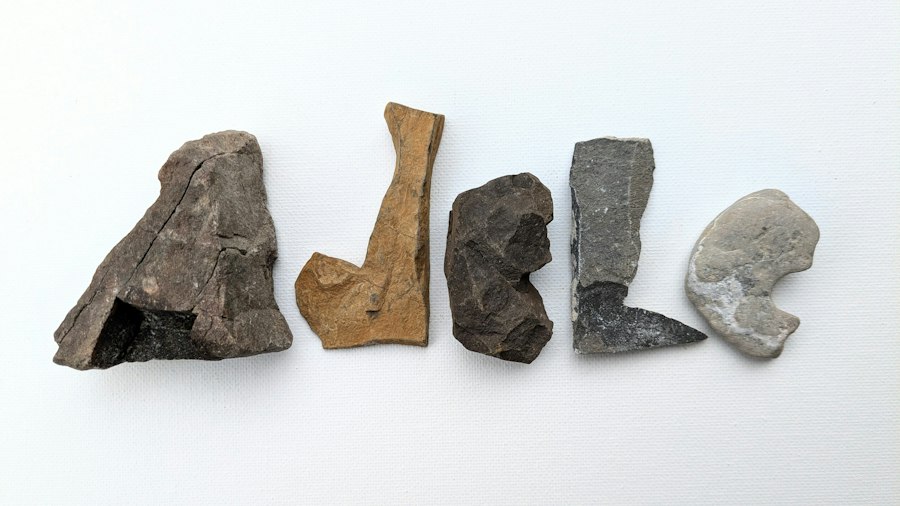
The evolutionary path leading to Homo sapiens is a complex branching tree, populated by various hominin species, each with its own suite of adaptations and behaviors. While the exact origins of tool use remain shrouded in the mists of deep time, fossil and archaeological evidence points to its deep roots within this lineage. The earliest hominins, diverging from a common ancestor with chimpanzees, likely inherited a predisposition for using simple tools, a behavior observed even in our closest living primate relatives. This inherent capacity, coupled with environmental pressures and changing ecological niches, provided the fertile ground for the systematic creation and application of stone tools.
Early Hominin Ancestors and Their Environment
The African continent, the cradle of humanity, provided the stage for these early evolutionary dramas. During the Pliocene epoch, the environment was dynamic, characterized by a mosaic of woodland, savanna, and grassland environments. This fluctuating landscape likely exerted selective pressures that favored hominins capable of adapting to new challenges. Bipedalism, the ability to walk upright, emerged as an early defining trait, freeing the hands for tasks beyond locomotion. This liberated appendage became the primary instrument for interaction with the environment, setting the stage for tool manipulation. The diet of these early hominins also played a significant role. As they explored new food sources, including scavenging for carcasses and accessing tougher plant materials, the need for tools to process these resources would have become increasingly apparent.
The Significance of Opposable Thumbs and Dexterous Hands
The evolution of the hominin hand is a testament to the power of natural selection in shaping specialized anatomy for particular functions. The development of an opposable thumb, allowing for precision grip and the manipulation of small objects, was a critical prerequisite for tool manufacture and use. Unlike the more generalized grasping hands of apes, hominin hands evolved to possess greater dexterity, enabling the delicate movements required to flake stone, grip tools effectively, and carry objects with purpose. This anatomical advantage, combined with the cognitive capacity to conceptualize and execute tool-making tasks, represents a profound evolutionary divergence.
Primate Tool Use as a Precursor
Observations of chimpanzees and other primates in their natural habitats reveal a sophisticated, albeit rudimentary, level of tool use. Chimpanzees have been documented using sticks to extract termites from mounds, stones to crack nuts, and leaves as sponges. These behaviors, while lacking the systematic manufacture seen in early hominins, demonstrate an understanding of cause and effect and the ability to adapt objects from the environment for specific purposes. This natural propensity suggests that the capacity for tool use was not an entirely novel invention of early hominins, but rather an elaborated and enhanced version of pre-existing behavioral patterns.
The Lomekwian Tradition: The Earliest Evidence of Stone Tool Manufacture

The discovery of stone tools at the Lomekwi 3 site in Kenya has dramatically pushed back the timeline for hominin tool manufacture. These ancient artifacts, dating to approximately 3.3 million years ago, predate the earliest known Homo species, challenging previous assumptions about which hominin group was responsible for this groundbreaking innovation. The Lomekwian tools represent a significant milestone, marking the first tangible evidence of hominins intentionally shaping stone for practical purposes.
The Lomekwi 3 Site and its Significance
Located in West Turkana, Kenya, the Lomekwi 3 site has yielded a remarkable collection of stone tools, including anvils, hammerstones, and large flakes. The geological context of the site, with its volcanic ash layers, has allowed for precise radiometric dating, firmly placing these artifacts at 3.3 million years ago. This date is crucial because it predates the earliest known fossils of the genus Homo, which typically appear around 2.8 million years ago. The implications are profound: it suggests that tool manufacture may have originated in pre-Homo hominin species, such as Australopithecus or even earlier, more enigmatic ancestors. The sheer age of these tools underscores the deep evolutionary history of technological behavior.
Characteristics of Lomekwian Tools
The stone tools from Lomekwi 3 are characterized by their large size and their manufacturing technique. They were made using a direct percussion method, where one stone (the hammerstone) was used to strike another (the core) to detach flakes. The resulting artifacts are relatively crude compared to later tool industries, with less deliberate shaping and standardization. However, their significance lies not in their refinement, but in their intentionality. These were not naturally broken stones; they were deliberately modified to create sharp edges or pointed surfaces for various tasks. The presence of anvils indicates a more sophisticated processing method, where the core was likely placed on a stable surface and struck by a hammerstone, allowing for more controlled fracturing.
Reconsidering the Architects of Early Stone Tools
The existence of Lomekwian tools forces a re-evaluation of the cognitive and anatomical capabilities of early hominins. If these tools were indeed made by pre-Homo species, it implies that the capacity for abstract thought, planning, and fine motor control necessary for stone knapping evolved earlier than previously believed. This raises exciting questions about the diversity of hominin species that existed during this period and their respective contributions to the development of our technological heritage. It suggests that the pressure to innovate and adapt through tool use may have been a driving force in the diversification of the hominin lineage.
The Oldowan Industry: The Rise of Systematic Tool Use
Following the Lomekwian tradition, the Oldowan industry, appearing around 2.6 million years ago, represents a significant leap forward in stone tool technology. Characterized by more standardized forms and a greater understanding of fracture mechanics, the Oldowan tools provided early hominins with a more versatile toolkit for a wider range of subsistence activities. This industry is primarily associated with the early Homo species, such as Homo habilis.
The Emergence of Homo habilis and the “Handy Man”
The genus Homo is traditionally linked with more advanced cognitive abilities and tool-making prowess. Homo habilis, meaning “handy man,” was named precisely because of the association of its fossil remains with Oldowan tools. While the debate continues regarding whether Homo habilis was the sole creator of these tools or if other hominin species also contributed, the evidence strongly suggests a close correlation. Homo habilis possessed a larger brain size relative to its body mass compared to australopithecines, and its dental and skeletal anatomy also shows adaptations for a more generalized diet, which would have benefited from the use of tools for processing food.
Core Tools, Flakes, and Scrapers: The Oldowan Toolkit
The Oldowan toolkit is remarkably consistent across different sites, indicating a shared understanding of how to produce functional tools. The primary components include:
- Core Tools: These are the original stones from which flakes were struck. Some cores were deliberately shaped to create chopping or pounding surfaces.
- Flakes: Detached from the core, these pieces possess sharp edges that were ideal for cutting meat, scraping hides, and other tasks requiring slicing. The production of sharp flakes was a hallmark of the Oldowan.
- Scrapers: These tools were made by retouching flakes to create a steeper, more abrasive edge, suitable for scraping flesh from bones or preparing hides.
- Hammerstones: These were used to strike cores and detach flakes. They often show signs of battering from repeated use.
The systematic production of these tool types suggests a level of foresight and planning, as hominins would have selected suitable raw materials and understood how to strike them to achieve desired results.
Subsistence Strategies and the Impact of Oldowan Tools
The Oldowan tools played a crucial role in expanding the subsistence strategies of early hominins. They facilitated the efficient processing of carcasses, allowing hominins to access nutrient-rich meat and marrow. This would have been particularly important in environments where plant-based foods were seasonal or scarce. By scavenging more effectively, early hominins could have gained a competitive advantage. Furthermore, tools may have been used to process tough plant materials, such as roots and tubers, making them more digestible. The ability to butcher animals, scrape hides for clothing or shelter, and potentially even for early forms of hafting (attaching a stone tool to a handle), revolutionized their interaction with the environment.
The study of ancient human evolution reveals fascinating insights into how early primitive tool usage was shaped by our ancestors’ cognitive and physical development. As early hominins adapted to their environments, the creation and utilization of tools became essential for survival, marking a significant milestone in human history. For a deeper understanding of the complexities surrounding human adaptation and innovation, you might find this article on the implications of modern exploitation in various contexts insightful. It discusses how contemporary practices can reflect historical patterns of adaptation and resource use, which can be explored further in this related article.
The Cognitive and Social Dimensions of Early Tool Use
| Evolutionary Stage | Time Period (Years Ago) | Key Anatomical Changes | Tool Usage Characteristics | Impact on Early Human Behavior |
|---|---|---|---|---|
| Australopithecus | 4,000,000 – 2,000,000 | Bipedalism, smaller brain (~400-500 cc) | Use of simple stone flakes and sticks | Basic tool use for food gathering and processing |
| Homo habilis | 2,400,000 – 1,400,000 | Increased brain size (~600-700 cc), precision grip | Oldowan tools: crude stone flakes and choppers | Improved ability to cut meat and break bones |
| Homo erectus | 1,900,000 – 110,000 | Larger brain (~900-1100 cc), body proportions similar to modern humans | Acheulean tools: hand axes, cleavers | More efficient hunting and food processing, use of fire |
| Neanderthals (Homo neanderthalensis) | 400,000 – 40,000 | Robust build, brain size (~1200-1750 cc) | Mousterian tools: flake tools, scrapers, points | Advanced hunting strategies, symbolic behavior |
| Early Homo sapiens | 300,000 – 50,000 | Modern brain size (~1300-1500 cc), complex language | Blade tools, bone and antler tools, composite tools | Complex social structures, art, and cultural transmission |
The development of tool use was not merely a matter of anatomical capacity and technological innovation; it was deeply intertwined with the evolution of hominin cognition and social behavior. The ability to plan, learn, teach, and cooperate would have been essential for the consistent and successful use of tools. These factors, in turn, likely drove further cognitive and social development, creating a powerful feedback loop.
The Evolution of Cognitive Abilities: Planning and Problem-Solving
The creation of even the simplest stone tools requires a degree of cognitive sophistication. Hominins needed to understand the properties of stone, how it fractures, and how to strike it to produce the desired sharp edges. This involves a form of foresight and planning, imagining the outcome before the action. The ability to remember successful techniques and to adapt them to new situations suggests a growing capacity for learning and problem-solving. The systematic selection of specific types of stone for tool manufacture further indicates an understanding of material properties and the ability to plan for future needs.
The Role of Social Learning and Transmission of Knowledge
Tool-making and use are skills that are often learned through observation and practice. It is highly probable that early hominins transmitted this knowledge from one generation to the next through social learning. This transmission would have been crucial for maintaining and refining tool technologies. The development of more complex tools would have necessitated even more effective methods of teaching and learning, potentially involving vocalizations, gestures, and direct demonstration. This social aspect of tool use is a significant differentiator from purely individualistic technological endeavors.
The Impact on Diet and Energy Acquisition
The ability to process food more efficiently with tools had a profound impact on the hominin diet and energy acquisition. Access to a wider range of food sources, particularly protein-rich meat and marrow, could have provided the necessary energy to support larger brains. The increased efficiency in obtaining nutrients may have also contributed to changes in digestive anatomy and reduced the need for constant foraging, freeing up time for other activities, including social interaction and further technological development. This dietary shift is considered a cornerstone of human evolution.
The study of ancient human evolution reveals fascinating insights into how early hominins developed primitive tool usage, which played a crucial role in their survival and adaptation. This evolution not only highlights the cognitive advancements of our ancestors but also reflects their ability to manipulate their environment effectively. For a deeper understanding of how societal structures and behaviors have evolved over time, you might find it interesting to explore this related article on elite corruption in ancient societies, which sheds light on the complexities of human interactions and their impact on development.
The Path Forward: From Primitive Tools to Complex Technologies
The journey from the earliest chipped stones of Lomekwi to the sophisticated technologies of modern humans is a testament to the enduring power of innovation. The primitive tool use of our ancient ancestors laid the foundation for a cascade of advancements, fundamentally reshaping our species and our planet. Each technological innovation built upon the successes of the past, driven by the perpetual need to adapt, survive, and thrive in an ever-changing world.
The Acheulean Revolution: Bifacial Tools and Standardization
Following the Oldowan, the Acheulean industry, emerging around 1.7 million years ago and lasting for over a million years, represents a significant advancement. The hallmark of the Acheulean is the bifacial handaxe, a carefully shaped stone tool worked on both sides to create a symmetrical, pointed, and sharp edge. The standardized nature of handaxes across vast geographical areas suggests a high degree of cognitive control, planning, and potentially even aesthetic considerations. The production of such sophisticated tools is often associated with later Homo species, including Homo erectus. The Acheulean period saw a wider array of tool types, including cleavers and picks, further expanding the hominin toolkit.
The Diffusion of Technology and Migration
The spread of Oldowan and Acheulean technologies across Africa, and eventually out of Africa with hominin migrations, demonstrates the adaptability and mobility of our ancestors. As hominins dispersed into new environments, they took their technological knowledge with them, adapting it to local resources and challenges. This diffusion of technology is a key indicator of early hominin movements and their ability to colonize diverse ecological niches. The presence of similar tool assemblages in different regions provides invaluable insights into ancient trade routes, migration patterns, and the interconnectedness of early hominin populations.
The Unfolding Legacy of Human Ingenuity
The story of ancient human evolution and primitive tool use is a narrative of increasing complexity, intelligence, and adaptability. From the first deliberate strike of stone on stone to the intricate craftsmanship of the Acheulean, these early innovations were not mere utilitarian objects; they were tangible expressions of burgeoning cognitive abilities, social cooperation, and a profound drive to shape the world. This legacy of ingenuity continues to define us, driving our relentless pursuit of knowledge and our capacity to create, innovate, and transform, a journey that began with the simplest of tools in the ancient landscapes of Africa. The very act of making and using tools has been a fundamental engine of human evolution, shaping our bodies, our minds, and our destiny.

Life 20,000 Years Ago | When an Ice Age Wildfire Traps Your Primitive Family
FAQs
What is the significance of tool usage in ancient human evolution?
Tool usage is significant in ancient human evolution as it marks a critical development in cognitive abilities and problem-solving skills. The ability to create and use tools allowed early humans to manipulate their environment, improve their chances of survival, and adapt to various ecological niches.
When did early humans begin using tools?
Early humans began using tools approximately 2.6 million years ago, during the Lower Paleolithic period. The oldest known stone tools, associated with the Oldowan culture, were discovered in East Africa and indicate that early hominins were capable of creating simple tools for cutting and processing food.
What types of tools did early humans create?
Early humans created a variety of tools, primarily made from stone, wood, and bone. The most common types included hand axes, choppers, and flakes used for cutting. As tool-making techniques evolved, more specialized tools emerged, such as spear points and scrapers, which were designed for specific tasks like hunting and skinning animals.
How did the development of tools influence social structures among early humans?
The development of tools likely influenced social structures by promoting cooperation and communication among early humans. As tool-making and usage became more complex, individuals may have specialized in certain tasks, leading to the formation of social groups and the sharing of knowledge, which fostered community bonds and collective survival strategies.
What role did environmental factors play in the evolution of tool usage?
Environmental factors played a crucial role in the evolution of tool usage, as early humans adapted their tools to meet the demands of their surroundings. Changes in climate, availability of resources, and the types of prey influenced the design and functionality of tools, driving innovation and the development of more sophisticated technologies over time.