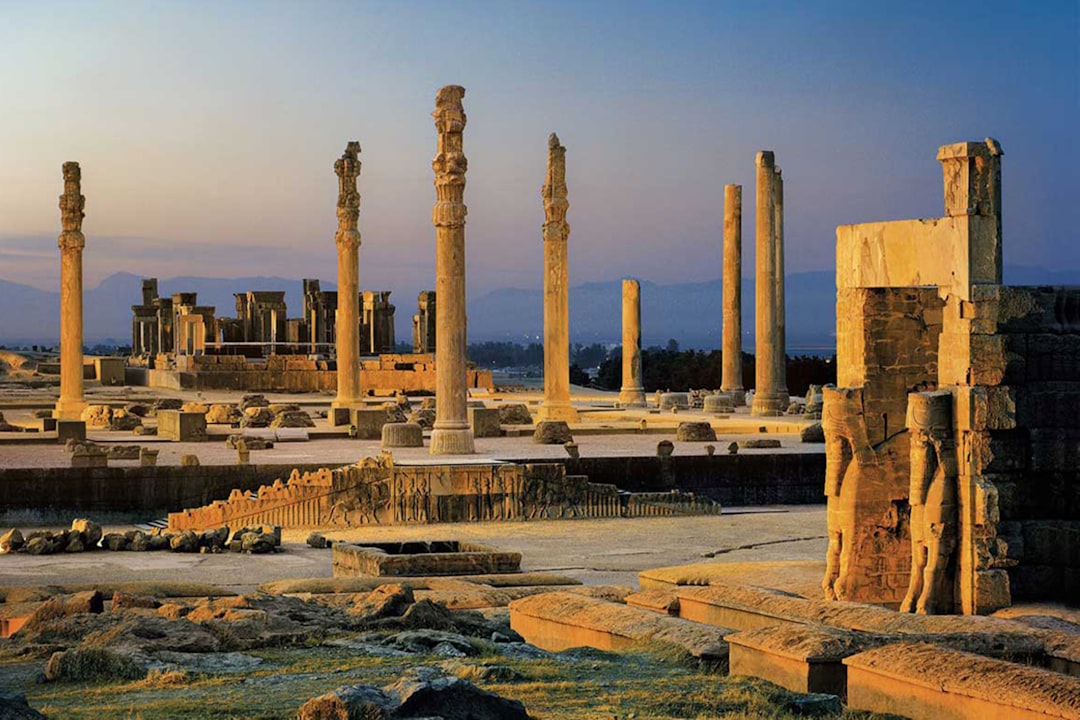
Imagine standing on the edge of an ancient site, the air thick with anticipation as you prepare to unearth secrets long buried beneath layers of earth and time. The thrill of discovery is palpable, igniting a sense of adventure that few experiences can match. Each shovel of dirt you remove could potentially reveal artifacts that tell stories of civilizations long gone, offering a glimpse into their lives, beliefs, and cultures.
The excitement builds as you uncover pottery shards, tools, or even remnants of structures that once stood proudly in their time. This moment is not just about finding objects; it’s about connecting with history in a way that few others can. As you delve deeper into the excavation, the thrill intensifies.
You may find yourself imagining the people who once inhabited this space, pondering their daily routines, their struggles, and their triumphs. Each artifact serves as a tangible link to the past, allowing you to piece together narratives that have been lost to time. The joy of discovery is not merely in the physical finds but in the stories they tell and the knowledge they impart.
It’s a journey that transforms you from a mere observer into an active participant in history, igniting a passion for archaeology that can last a lifetime.
Key Takeaways
- Discovering hidden archaeological treasures offers thrilling insights into ancient civilizations and cultures.
- Preserving and protecting archaeological sites is crucial for maintaining historical integrity and knowledge.
- Advanced technology plays a vital role in locating and excavating buried artifacts and lost settlements.
- Unearthing rare and unique finds helps reveal mysteries of past traditions and ways of life.
- Overcoming excavation challenges ensures future opportunities for new discoveries and deeper understanding of history.
The Importance of Preserving and Protecting Archaeological Sites
As you embark on your journey through the world of archaeology, it becomes increasingly clear that preserving and protecting archaeological sites is paramount. These sites are not just remnants of the past; they are invaluable resources that provide insight into human history and cultural evolution. Each site holds unique information that can help us understand how societies functioned, interacted, and evolved over time.
Without proper preservation efforts, these treasures risk being lost forever to natural decay, urban development, or even looting. You may find yourself reflecting on the responsibility that comes with uncovering these sites. It’s not enough to simply excavate; you must also advocate for their protection.
This involves working with local communities, governments, and organizations to ensure that archaeological sites are safeguarded for future generations. By raising awareness about the significance of these locations, you contribute to a broader understanding of our shared heritage. The preservation of archaeological sites is not just an academic pursuit; it’s a moral obligation to honor those who came before us and to ensure that their stories continue to be told.
Unearthing Ancient Civilizations: Exploring Lost Cities and Settlements

The allure of lost cities and ancient settlements is undeniable. As you explore these forgotten places, you are transported back in time, walking in the footsteps of those who once thrived there. Each excavation site offers a unique opportunity to uncover the remnants of civilizations that have shaped our world in profound ways.
From the grand temples of the Maya to the intricate streets of Pompeii, these sites reveal the ingenuity and creativity of human beings throughout history. As you sift through the remains of these ancient cities, you may discover evidence of complex social structures, trade networks, and cultural practices. The artifacts you unearth can provide insights into daily life, religious beliefs, and even technological advancements.
The thrill of piecing together these fragments of history is exhilarating, as you begin to understand how these civilizations interacted with their environment and each other. Unearthing ancient cities is not just about finding relics; it’s about rediscovering the narratives that have shaped human civilization.
Revealing the Mysteries of Buried Artifacts and Relics
Every artifact has a story to tell, and as you delve into the world of archaeology, you become a storyteller in your own right. The process of revealing the mysteries behind buried artifacts is both challenging and rewarding. Each item you uncover—be it a simple tool or an ornate piece of jewelry—holds clues about its origin, purpose, and significance within its cultural context.
You may find yourself captivated by the craftsmanship of ancient artisans or intrigued by the materials used in their creation. As you analyze these relics, you begin to understand the broader implications of your findings. What do these artifacts reveal about trade routes?
How do they reflect social hierarchies or religious practices? The mysteries surrounding each item invite you to think critically and creatively, piecing together information from various disciplines such as anthropology, history, and art history.
The Role of Technology in Uncovering Hidden Archaeological Treasures
| Discovery Name | Location | Estimated Age | Type of Artifact | Reason for Secrecy | Year Discovered |
|---|---|---|---|---|---|
| The Baghdad Battery | Near Baghdad, Iraq | Approx. 2000 years | Clay jar with copper cylinder | Potentially advanced ancient technology | 1936 |
| The Piri Reis Map | Turkey | Early 16th century | World map showing Antarctica | Controversial cartographic knowledge | 1929 |
| The Dropa Stones | Baian-Kara-Ula Mountains, China | Approx. 12,000 years | Stone discs with inscriptions | Unverified extraterrestrial theories | 1938 |
| The Saqqara Bird | Saqqara, Egypt | Approx. 2000 years | Wooden bird model | Possible ancient flight technology | 1898 |
| The Antikythera Mechanism | Antikythera, Greece | Approx. 2100 years | Ancient analog computer | Advanced ancient technology | 1901 |
In today’s world, technology plays an increasingly vital role in archaeology, revolutionizing how you uncover hidden treasures from the past. Advanced tools such as ground-penetrating radar (GPR), drones, and 3D modeling software allow archaeologists to survey sites with unprecedented precision. These technologies enable you to visualize what lies beneath the surface without disturbing the soil, making it possible to identify potential excavation sites more efficiently.
Moreover, technology enhances your ability to document and analyze findings. Digital databases allow for better organization and sharing of information among researchers worldwide. As you engage with these tools, you may find yourself at the forefront of a new era in archaeology—one where collaboration and innovation drive discoveries.
The integration of technology not only streamlines the excavation process but also opens up new avenues for understanding ancient cultures in ways that were previously unimaginable.
Uncovering Clues to Ancient Cultures and Traditions

As you dig deeper into archaeological sites, you become a detective piecing together clues about ancient cultures and traditions. Each layer of soil tells a story; each artifact provides insight into the beliefs and practices of those who lived there. You may uncover ceremonial objects that hint at religious rituals or everyday items that reveal social customs.
The thrill lies in connecting these dots to form a comprehensive picture of how people lived, loved, and interacted with their environment. Your exploration may lead you to discover unique cultural practices that have persisted through generations or even those that have vanished entirely. By studying these clues, you gain a deeper appreciation for the diversity of human experience across time and space.
This understanding fosters a sense of empathy for those who came before us, reminding you that while cultures may differ, the fundamental human experiences—joy, sorrow, love—remain universal.
The Excitement of Unearthing Rare and Unique Archaeological Finds
There’s an undeniable rush that comes with unearthing rare and unique archaeological finds. Imagine brushing away dirt to reveal an artifact so extraordinary that it changes our understanding of history. Whether it’s a beautifully preserved mummy or an intricately designed piece of pottery, these discoveries captivate not only archaeologists but also the public at large.
The excitement surrounding such finds often leads to renewed interest in archaeology as a whole.
Rare finds can challenge existing theories or shed light on previously unknown aspects of ancient cultures.
They serve as reminders that history is not static; it is constantly evolving as new evidence comes to light. The thrill of discovery is amplified by the knowledge that each unique find contributes to our collective understanding of humanity’s past.
The Challenges of Excavating and Preserving Hidden Archaeological Treasures
While the excitement of discovery is exhilarating, it is essential to acknowledge the challenges that come with excavating and preserving hidden archaeological treasures. The process can be labor-intensive and requires meticulous planning and execution. You may encounter obstacles such as adverse weather conditions, limited funding, or even political instability in regions where significant sites are located.
These challenges can complicate excavation efforts and hinder preservation initiatives. Moreover, ethical considerations play a crucial role in archaeology. As you navigate these challenges, you must grapple with questions about ownership, cultural sensitivity, and the impact of excavation on local communities.
Striking a balance between uncovering history and respecting cultural heritage is paramount. This responsibility weighs heavily on your shoulders as an archaeologist; it requires not only skill but also integrity and respect for those whose stories you seek to tell.
Unearthing Hidden Archaeological Treasures: A Window into the Past
Unearthing hidden archaeological treasures offers a unique window into the past—a chance to glimpse lives lived centuries or even millennia ago. Each excavation site serves as a portal through which you can explore different eras and cultures, gaining insights into human behavior and societal development over time. This connection to history enriches your understanding of contemporary issues by providing context for how societies evolve.
As you sift through layers of soil and time, you may find yourself reflecting on the lessons learned from past civilizations. What can we glean from their successes and failures? How do their experiences resonate with our own?
This exploration fosters a deeper appreciation for the complexities of human existence while reminding you that history is not merely a collection of dates and events; it is a tapestry woven from countless individual stories.
The Significance of Uncovering Forgotten and Overlooked Archaeological Sites
In your journey through archaeology, you may come across forgotten or overlooked sites that hold immense significance for understanding our shared heritage. These locations often lack the attention they deserve due to their remote locations or limited historical documentation. However, as you delve into these sites, you uncover narratives that challenge mainstream historical accounts and highlight diverse perspectives.
The significance of uncovering such sites lies in their ability to broaden our understanding of human history. They remind us that history is not solely defined by grand empires or famous figures; it encompasses countless voices and experiences waiting to be heard. By bringing attention to these overlooked treasures, you contribute to a more inclusive narrative that honors all aspects of our collective past.
The Future of Unearthing Hidden Archaeological Treasures: New Discoveries and Opportunities
As you look toward the future of archaeology, excitement builds around the potential for new discoveries and opportunities on the horizon. Advances in technology continue to revolutionize how we approach excavation and analysis, opening doors to previously inaccessible sites or methods for studying artifacts. You may find yourself at the forefront of this evolution—embracing innovative techniques while remaining grounded in traditional practices.
The future also holds promise for collaboration across disciplines and borders. As global awareness grows regarding the importance of preserving cultural heritage, opportunities arise for partnerships between archaeologists, local communities, governments, and organizations dedicated to safeguarding our shared history. Together, you can work toward ensuring that hidden archaeological treasures are not only uncovered but also protected for generations to come.
In conclusion, your journey through archaeology is one filled with discovery, responsibility, excitement, and challenges. Each excavation offers a chance to connect with humanity’s past while advocating for its preservation in the present and future. As you continue this path—unearthing hidden treasures—you contribute not only to academic knowledge but also to a deeper understanding of what it means to be human across time and space.
Recent archaeological discoveries often remain hidden from the public eye, sparking curiosity and debate among enthusiasts and scholars alike. One such article that delves into this topic is available at this link, where it explores the reasons behind the secrecy surrounding certain findings and the implications for our understanding of history.
WATCH THIS! 🔍 Archaeologists REFUSE to Explain This Ancient Machine
FAQs
What are archaeological discoveries hidden from the public?
Archaeological discoveries hidden from the public refer to artifacts, sites, or findings that have been kept secret or undisclosed by governments, organizations, or researchers. These may be withheld due to political, cultural, religious, or security reasons.
Why are some archaeological discoveries kept hidden?
Some discoveries are kept hidden to protect sensitive cultural heritage, prevent looting or vandalism, avoid political controversy, or because the findings challenge established historical narratives. In some cases, the information is withheld until proper preservation or study can be ensured.
Who decides whether an archaeological discovery is made public or kept secret?
Decisions are typically made by government authorities, cultural heritage organizations, or the lead archaeologists involved in the excavation. These decisions may also involve international bodies depending on the location and significance of the find.
Are there famous examples of archaeological discoveries that were hidden from the public?
Yes, there have been instances such as the Dead Sea Scrolls, which were partially withheld for years, or certain ancient artifacts found in politically sensitive regions that were not immediately disclosed. However, many such cases remain speculative or controversial.
How can hidden archaeological discoveries impact our understanding of history?
Hidden discoveries can significantly alter historical narratives by providing new evidence about ancient civilizations, technologies, or cultural practices. When revealed, they can lead to revised interpretations of human history and heritage.
Is it ethical to keep archaeological discoveries hidden from the public?
The ethics of withholding archaeological information is debated. While protecting sites and artifacts is important, transparency and public access to knowledge are also valued. Ethical considerations often balance preservation needs with the public’s right to information.
How can the public learn about hidden or undisclosed archaeological findings?
Information may eventually be released through academic publications, museum exhibits, documentaries, or official announcements. Researchers and journalists sometimes uncover or report on hidden discoveries, contributing to public awareness.
What measures are taken to protect sensitive archaeological sites?
Protection measures include restricting access, legal protections, surveillance, and controlled excavation. These efforts aim to prevent damage, theft, or unauthorized disclosure of sensitive archaeological information.
Can hidden archaeological discoveries be accessed by researchers?
Access is often limited to authorized researchers who follow strict protocols to ensure preservation and confidentiality. Collaborative international research projects may also gain access under agreed terms.
Do hidden archaeological discoveries exist in all parts of the world?
Yes, hidden or undisclosed archaeological findings can be found globally, especially in regions with rich historical backgrounds or ongoing political sensitivities. The extent and nature of secrecy vary depending on local circumstances.