The deep chill of the Pleistocene epoch’s later stages painted a stark and formidable world. These were winters of a magnitude far removed from the seasonal fluctuations of today. The term “late Ice Age” conjures images of immense, relentless cold, of landscapes sculpted by forces of unimaginable power, and of a terrestrial canvas dominated by ice and snow. These were not merely cold spells; they were periods of profound climatic intensification, where the very character of the planet was redefined by the persistent grip of glacial conditions. The Earth, during these eras, was a testament to frozen majesty, a place of extreme temperatures, limited life, and the slow, inexorable movement of continental ice sheets.
The Unrelenting Grip of Extreme Cold
The defining characteristic of these late Ice Age winters was their sheer, unyielding cold. Average global temperatures plummeted significantly, creating an environment where ice, rather than liquid water, was the dominant form. This was not a matter of a few extra degrees Celsius below zero; these were shifts of dramatic proportions that reshaped ecosystems and influenced the very geology of the planet. The influence of this extreme cold permeated every aspect of the terrestrial environment, from the atmosphere to the soil, dictating the rhythms of life and the processes of landscape formation. The polar regions, already frigid, expanded their dominion, pushing southward with an inexorable force. Even temperate zones experienced conditions that would be considered arctic by modern standards, transforming familiar landscapes into alien, frozen expanses.
The Scale of Temperature Depression
Scientific reconstructions, drawing from proxies like ice cores, sediment layers, and fossilized pollen, paint a picture of global average temperatures that were several degrees Celsius lower than pre-industrial levels. In regions directly beneath or adjacent to glacial ice, the temperatures were far more extreme, often remaining well below freezing for extended periods, even during what would have been considered summer months. These prolonged periods of frigid temperatures meant that snow, once fallen, had a much higher probability of remaining on the ground, accumulating year after year, century after century. This persistent frigidity was the engine that drove glacial expansion, creating a feedback loop where ice itself reflected solar radiation, further lowering temperatures and expanding the frozen domain. The concept of “winter” as a transient season began to blur, replaced by a perpetual state of frozen dormancy in many areas.
Atmospheric Dynamics Under Glacial Influence
The presence of vast ice sheets exerted a profound influence on atmospheric circulation patterns. These enormous masses of ice acted as massive thermal sinks, drawing heat from the surrounding atmosphere. This resulted in the formation of persistent high-pressure systems over the ice sheets, characterized by dry, frigid air. These systems would then drive powerful, cold winds, known as katabatic winds, down the glacial slopes. These winds could carry snow and ice particles for great distances, further contributing to the harshness of the environment. The jet stream, a key component of mid-latitude weather, was also likely shifted southward during these periods, leading to more frequent and intense cold outbreaks in regions that are now relatively mild. The scarcity of open water meant less evaporation, leading to drier conditions in many areas, except for those directly impacted by glacial meltwater.
The landscape during the late Ice Age winter seasons was characterized by vast expanses of ice and snow, with glacial formations dominating the terrain. This frigid environment supported a unique ecosystem, where megafauna such as mammoths and saber-toothed cats roamed the land, adapting to the harsh conditions. Understanding these ancient landscapes not only sheds light on the climatic changes that have occurred over millennia but also informs current discussions about how ancient technologies can inspire modern solutions. For a deeper exploration of how ancient innovations can be applied today, you can read more in this article: Unlocking the Power of Ancient Tech for Modern Solutions.
Landscapes Sculpted by Ice: The Glacial Terrain
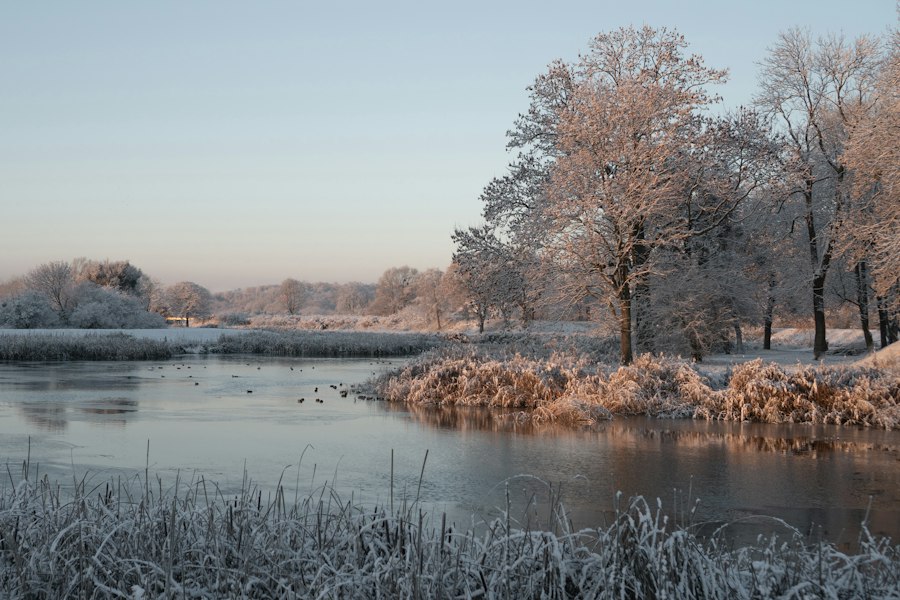
The most dramatic and enduring legacy of these late Ice Age winters was the transformation of the Earth’s surface into a glacial terrain. The sheer weight and slow, persistent movement of ice sheets acted as colossal sculpting tools, carving out valleys, grinding down mountains, and depositing vast quantities of sediment. These were not ephemeral changes; the features carved by glaciers during the Pleistocene persist to this day, serving as tangible reminders of the immense power of ice. The scale of this geological work is staggering, and understanding the processes involved is crucial to comprehending the landscapes we inhabit.
The Mechanics of Glacial Erosion
Glaciers are not passive rivers of ice; they are dynamic agents of erosion and deposition. As they move, even at speeds of a few meters per year, they exert immense pressure on the underlying bedrock. This pressure, combined with the abrasive action of embedded rocks and debris, leads to a process known as glacial abrasion. The ice plucks rocks from the bedrock and grinds them against the surface, effectively sandblasting the landscape. This process is responsible for smoothing and deepening valleys, creating characteristic U-shaped valleys, cirques (bowl-shaped depressions at the head of a valley), and arêtes (sharp, knife-edge ridges). The immense weight of the ice also causes deformation and fracturing of the underlying rock, further facilitating its removal.
Deposition and Landforms of Retreat
As glaciers advance and then retreat, they leave behind a distinctive array of landforms composed of the material they have transported. This deposited material is collectively known as glacial till. When glaciers melt, they drop their load of sediment, forming features such as moraines, which are ridges of till marking the former edges of the ice. Terminal moraines, formed at the furthest extent of glacial advance, and lateral moraines, found along the sides of valleys, are common examples. Outwash plains, formed by meltwater streams carrying sediment away from the glacier, are also characteristic. Kettle lakes, formed when blocks of ice become buried in till and then melt, creating depressions that fill with water, are another common feature of formerly glaciated landscapes. Eskers, sinuous ridges of sand and gravel deposited by meltwater streams flowing within or beneath the ice, are also distinctive glacial features.
The Sparse and Hardy Inhabitants
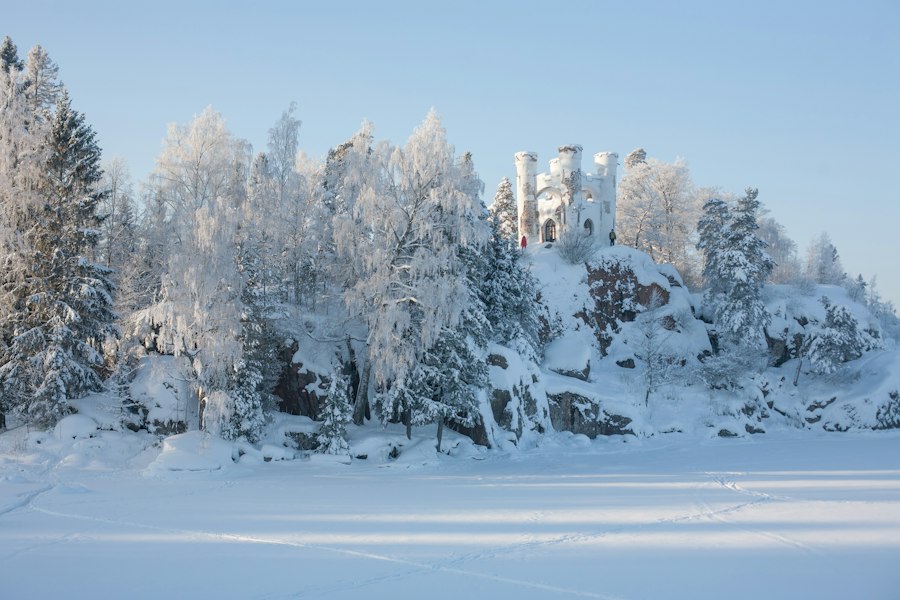
The extreme cold and drastically altered landscapes of the late Ice Age winters presented formidable challenges for life. The diversity and abundance of flora and fauna were significantly reduced compared to interglacial periods. Only the most resilient and adaptable species could survive, and their distribution was heavily influenced by the availability of resources and the presence of shelter. The world was a more austere place, with life clinging to existence in pockets of relative warmth or in environments where it had evolved specific adaptations for survival.
Vegetation Under Siege
Plant life suffered immensely from the prolonged, deep freezes and the dominance of ice. Vast swathes of land that are now forests were transformed into treeless tundras or even barren ice fields. Trees, with their high water requirements and vulnerability to frost damage, were largely confined to more southerly latitudes or sheltered valleys where temperatures were slightly less severe and water was available as liquid. The dominant vegetation in many areas would have been hardy grasses, sedges, mosses, and lichens, adapted to survive short growing seasons and harsh winter conditions. Permafrost, the permanently frozen ground, would have been widespread, further limiting the types of plants that could establish themselves. The limited plant life, in turn, dictated the types of herbivores that could survive.
The Fauna of Frozen Realms
The animal kingdom, too, faced immense pressure. Large herbivores, adapted to grazing on grasses and sedges, such as mammoths, woolly rhinoceroses, and certain species of bison, were characteristic of these environments. Their thick fur coats and specialized physiological adaptations allowed them to withstand the extreme cold. Predators, such as cave lions, dire wolves, and saber-toothed cats, followed these herbivores, forming a predator-prey dynamic within this challenging ecosystem. Smaller mammals, like lemmings and arctic foxes, also thrived in these cold conditions, utilizing burrows and their dense fur for insulation. Birds were often migratory, retreating to warmer climes during the harshest periods, while others, like ptarmigans and snow owls, were year-round residents, equipped with exceptional camouflage and insulation.
Human Adaptations and Survival Strategies
For early humans, the late Ice Age winters represented a critical period of adaptation and innovation. Survival demanded a deep understanding of the environment, the development of specialized tools and technologies, and a remarkable resilience. These were not simply individuals enduring hardship; they were pioneers navigating a world defined by ice and extreme cold. Their ability to thrive in such conditions is a testament to human ingenuity and the capacity for cultural evolution.
Technological Innovations for Cold Climates
The harshness of the Ice Age winters spurred significant technological advancements. The development of more sophisticated tools made from bone, antler, and stone allowed for the creation of more effective hunting implements and processing tools. Sewing needles, crafted from bone, were crucial for the creation of warm, fitted clothing from animal hides, a vital defense against the cold. The construction of shelters evolved from simple windbreaks to more elaborate structures, often semi-subterranean and insulated with animal skins and vegetation, providing crucial protection from the elements. The mastery of fire was paramount, offering warmth, light, and the ability to cook food, making it more digestible and safer.
Social Structures and Hunter-Gatherer Lifestyles
The challenges of survival in these frozen landscapes likely fostered strong social bonds and cooperative behaviors. Small, mobile groups of hunter-gatherers would have relied on each other for hunting large game, sharing resources, and providing mutual defense. The seasonal availability of resources would have dictated nomadic patterns, with groups following migrating herds or moving to areas where plant life was more abundant during warmer periods. The transmission of knowledge, particularly regarding hunting techniques, environmental signs, and the processing of resources, would have been critical for the survival of subsequent generations. The archaeological record, with its evidence of specialized tools, hearths, and shelter sites, provides a glimpse into the lives of these resilient ancestors.
The landscape during the late Ice Age winter seasons was characterized by vast expanses of ice and snow, creating a stark and inhospitable environment for both flora and fauna. As temperatures plummeted, large ice sheets covered much of North America and Eurasia, shaping the geography and influencing the migration patterns of prehistoric humans and animals. For a deeper understanding of how environmental changes can impact societies, you might find it interesting to read about contemporary geopolitical crises in this related article, which explores how nations navigate tensions amidst shifting landscapes.
The Lingering Echoes of Frozen Eras
| Aspect | Description | Typical Conditions | Impact on Flora and Fauna |
|---|---|---|---|
| Temperature | Significantly colder than present-day | Average winter temperatures often below -20°C (-4°F) | Limited plant growth; animals adapted to cold, such as woolly mammoths and reindeer |
| Ice Coverage | Extensive ice sheets covering large parts of North America, Europe, and Asia | Ice sheets up to several kilometers thick; glaciers advancing | Habitat loss in glaciated areas; migration to ice-free refugia |
| Vegetation | Tundra and steppe-like environments dominated by grasses, shrubs, and mosses | Low biodiversity; permafrost present | Supported cold-adapted herbivores; limited tree growth |
| Snow Cover | Persistent and deep snow cover during winter months | Snow depths often exceeding 1 meter in many regions | Influenced animal migration and hibernation patterns |
| Sea Levels | Lower due to large volumes of water trapped in ice sheets | Sea levels approximately 120 meters lower than today | Exposed land bridges, such as Beringia, facilitating animal and human migration |
The impact of these late Ice Age winters extends far beyond the direct experience of the Pleistocene. The landscapes they shaped, the geological formations they created, and the very trajectory of evolutionary history bear their indelible mark. The retreat of the ice sheets was not an immediate return to warmth; it was a gradual process, leaving behind a world forever altered. Understanding these periods is not merely an academic pursuit; it is essential for comprehending the planet’s past, its present dynamics, and the potential future implications of climatic change.
Geomorphological Legacies Today
The landforms sculpted by the ice sheets of the late Ice Age are a ubiquitous feature of many modern landscapes. The rolling hills of moraines, the U-shaped valleys carved by glaciers, the crystal-clear kettle lakes, and the smooth, polished bedrock are all enduring testaments to the power of past glaciation. These features influence drainage patterns, soil types, and the distribution of ecosystems. For example, the Great Lakes of North America are themselves a product of glacial erosion and deposition. The fertile soils found in many formerly glaciated regions are derived from the rich till deposited by retreating ice sheets.
The Long Road to Interglacial Warmth
The end of the last glacial period was not a sudden thaw. The retreat of the massive ice sheets was a slow, complex process, spanning thousands of years. As the ice melted, sea levels rose dramatically, inundating coastal areas and reshaping continents. The climate gradually warmed, allowing for the expansion of forests and the diversification of life. However, the memory of these frozen winters persisted in the climate system, influencing atmospheric and oceanic circulation for millennia. The study of these transitions provides valuable insights into the sensitivity of the Earth’s climate to changes in ice cover and greenhouse gas concentrations, offering crucial context for our understanding of contemporary climate change.

Life 20,000 Years Ago | When an Ice Age Wildfire Traps Your Primitive Family
FAQs
What were the primary features of the landscape during the late Ice Age winter seasons?
During the late Ice Age, the landscape was characterized by vast expanses of ice sheets, glaciers, and tundra. Large areas of North America, Europe, and Asia were covered by thick ice, while regions further south experienced cold, dry conditions. The vegetation was sparse, primarily consisting of hardy grasses, mosses, and lichens, with some areas supporting coniferous forests in milder zones.
How did the climate during the late Ice Age affect animal life?
The cold climate of the late Ice Age winter seasons led to the adaptation of various megafauna, such as woolly mammoths, saber-toothed cats, and giant ground sloths. These animals developed thick fur, fat layers, and other adaptations to survive the harsh conditions. Many species migrated to find food and warmer climates, while others became extinct due to the extreme environment and changing ecosystems.
What types of human activity occurred during the late Ice Age winter seasons?
Humans during the late Ice Age were primarily hunter-gatherers, relying on the megafauna for food, clothing, and tools. They developed strategies for survival, such as seasonal migration to follow animal herds and the use of fire for warmth and cooking. Evidence of their presence includes cave paintings, stone tools, and remnants of campsites found in various archaeological sites.
How did the landscape change as the Ice Age progressed?
As the Ice Age progressed, the landscape underwent significant changes due to warming temperatures. Glaciers began to retreat, leading to the formation of new landforms such as lakes and river valleys. This transition allowed for the gradual expansion of forests and other vegetation types, which in turn supported a wider variety of animal species and human populations as the climate became more temperate.
What role did glacial activity play in shaping the landscape during the late Ice Age?
Glacial activity was a major force in shaping the landscape during the late Ice Age. The movement of glaciers carved out valleys, created fjords, and deposited sediments that formed moraines and other geological features. This glacial erosion and deposition significantly altered the topography, leading to the diverse landscapes we see today in many regions that were once covered by ice.