
The rustle of dry leaves underfoot, the scent of pine needles warmed by the sun, the familiar glint of a river bend – these were the navigational cues that guided prehistoric humans for millennia. Their lives were intimately woven into the landscapes they inhabited, with well-trodden paths connecting hunting grounds, water sources, and sheltered caves. These routes were not merely trails; they were arteries of survival, repositories of knowledge passed down through generations. However, the earth is a dynamic canvas, and the seemingly immutable routes of the past could, without warning, become impassable or perilous. When these familiar pathways turned treacherous, prehistoric humans were not paralyzed by fear; instead, they exhibited remarkable ingenuity and adaptability, forging new routes and altering their very existence to navigate these unexpected adversities.
## Shifting Landscapes, Shifting Lives
The environments frequented by early humans were subject to constant, albeit sometimes slow, change. These changes, however, could profoundly disrupt established lifeways. Understanding the nature of these disruptions is crucial to appreciating the adaptive strategies that followed.
### Geological Upheavals and Their Impact
Volcanic eruptions, earthquakes, and landslides were potent forces that could instantaneously render a familiar route impassable. A volcanic eruption might bury a vital hunting territory under ash, alter river courses with molten rock, or create impassable lava flows. Earthquakes could trigger massive rockfalls, closing off canyon routes or destabilizing cliff faces used for shelter. Landslides, often a consequence of heavy rainfall or seismic activity, could obliterate entire valleys or block crucial passes. The impact of such events was not limited to the immediate disruption of travel. The loss of a hunting ground meant a potential food shortage. The blockage of a river could disrupt access to water and fish. The destruction of a recognized landmark could lead to disorientation and increased vulnerability. Prehistoric communities, heavily reliant on their immediate surroundings, would face immediate survival challenges. The loss of a well-established route was not simply an inconvenience; it was a threat to their sustenance and safety.
### Climatic Fluctuations and Their Evolutionary Reach
Beyond sudden geological events, slower, more pervasive climatic shifts also played a significant role in altering migratory patterns and access to resources. Periods of glaciation would extend ice sheets, closing off northern routes and pushing human populations southward or to higher elevations. Conversely, warming periods could melt glaciers, opening up new territories but also potentially flooding existing ones or drying up vital water sources. Changes in rainfall patterns could lead to desertification, rendering formerly fertile lands barren, or to increased flooding, making established settlements and routes unsustainable. The long-term consequences of climatic shifts were profound. They could force entire populations to relocate, leading to competition for resources in new areas and potentially the extinction of those unable to adapt. These shifts also influenced the distribution of flora and fauna, necessitating adjustments in hunting and gathering strategies. The very ecosystem upon which prehistoric humans depended was in constant flux, requiring a deep understanding and a flexible response.
### The Bio-Geographical Transformation of Territories
Beyond the physical landscape, the biological inhabitants of these territories also contributed to the dynamic nature of prehistoric routes. The migration patterns of large game, the proliferation of dangerous predators, or the emergence of new diseases could all render formerly safe routes hazardous. The movement of herds of mammoths, for instance, might create new, albeit temporary, pathways across frozen tundra, but their disappearance from a region would necessitate the discovery of new food sources and the routes to find them. An increase in the population of sabre-toothed cats or cave bears along a favored corridor could make passage extremely risky, forcing hunters to find alternative, safer paths. The spread of epidemic diseases, though difficult to pinpoint in the prehistoric record, could also lead to the abandonment of certain areas, thus rendering established routes obsolete and potentially dangerous due to lingering contagions. These biological pressures added another layer of complexity to the navigational challenges faced by early humans.
Prehistoric humans faced numerous challenges as their environments changed, particularly when familiar routes became dangerous due to factors such as natural disasters or the presence of predators. To adapt, they developed new strategies for navigation and survival, often relying on their understanding of the landscape and the behavior of animals. An insightful article that delves into this topic is “Navigating Conflict: Topography’s Role,” which explores how ancient humans utilized geographical features to avoid dangers and enhance their survival. You can read more about this fascinating subject by visiting the article here: Navigating Conflict: Topography’s Role.
## Navigational Innovations in the Face of Obstacles
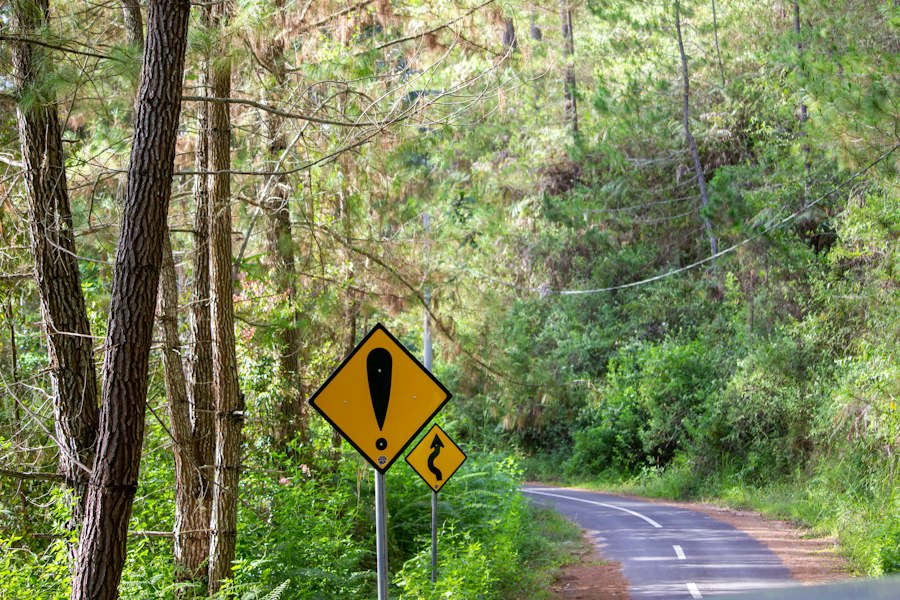
When the familiar became dangerous, prehistoric humans did not simply wait for conditions to improve. They actively sought and developed new ways to navigate their world, demonstrating a remarkable capacity for problem-solving and spatial reasoning.
### Developing Alternative Pathways and Landmarks
The most direct response to a blocked or dangerous route was the search for a new one. This involved extensive exploration and a keen understanding of the surrounding topography. Early humans would likely have engaged in systematic scouting missions, venturing beyond the immediate vicinity of their known territories. They would have observed the lay of the land, identifying potential crossings for rivers, passes through mountain ranges, and sheltered valleys. The development of new landmarks was also critical. Familiar rock formations, unique trees, or distinct geological features would have served as navigational markers in these new territories. This process was iterative; a scout might find a promising route, report back to the group, and then a larger expedition would undertake the journey, solidifying the new pathway. This required a sophisticated form of mental mapping and the ability to generalize spatial knowledge from known to unknown areas. The cumulative knowledge of these new routes would then be passed down, becoming the new “traditional” pathways for subsequent generations.
### The Art of Diversion and Detour
When a direct route was impassable, prehistoric humans became adept at employing detours. This involved understanding the broader geographical context and calculating the most efficient alternative. For example, if a river crossing became too dangerous due to flooding, they would travel upstream or downstream to find a safer, shallower point or a natural bridge. If a mountain pass was blocked by snow or rockfall, they would seek out alternative, perhaps longer but ultimately safer, routes around the obstruction. This required a deeper understanding of cartography, not in a literal sense of drawn maps, but in their mental comprehension of the interconnectedness of landscapes. They would have understood that a detour around one obstacle might lead to another, and thus would have planned for multiple contingencies. This art of diversion also extended to their resource procurement strategies. If a primary hunting ground was cut off, they would need to identify and access secondary or tertiary grounds, necessitating knowledge of the routes to these alternative locations.
### Leveraging Natural Features for Safe Passage
Prehistoric humans possessed an intimate knowledge of their environment, which they skillfully leveraged to overcome obstacles. They understood the properties of water and would seek out calmer sections of rivers or areas where submerged rocks offered stable footing. They would utilize natural formations like canyons as sheltered corridors, especially during inclement weather or when avoiding predators. Caves and overhangs, once discovered, could serve as temporary shelters during difficult traverses. They would also have observed animal behavior, noting how certain species navigated treacherous terrain and following in their footsteps, so to speak. For instance, if a herd of deer consistently found a way around a dense thicket, early humans might learn from their example. This intuitive understanding of ecological niches and animal migration patterns was a vital tool in their navigational repertoire, allowing them to find paths that were not obvious to the untrained eye.
## Adapting Subsistence Strategies to New Terrains
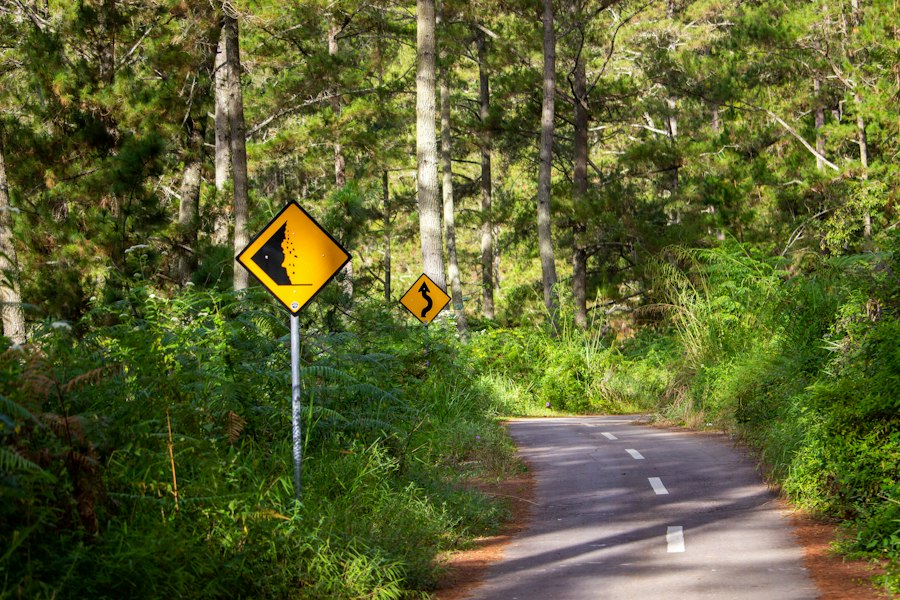
The disruption of familiar routes often meant the disruption of established food sources. Prehistoric humans had to adapt their hunting, gathering, and fishing techniques to suit the resources available in their newly accessible or altered territories.
### Foraging for New Edibles and Resources
When traditional foraging grounds became inaccessible, or when the flora and fauna changed due to environmental shifts, early humans had to become adept at identifying and utilizing new plant and animal resources. This involved extensive trial and error, with successful discoveries being meticulously remembered and passed on. They would have learned to distinguish edible roots, berries, and nuts from poisonous varieties, often through careful observation of which plants were consumed by animals. The introduction of new geographical areas would have presented novel ecosystems with unique flora. For instance, moving into a new forest might reveal different types of fungi or medicinal plants previously unknown. The ability to adapt their diet was a critical factor in their long-term survival, preventing starvation and ensuring the nutritional needs of the group were met, even when their familiar larder was closed off.
### Shifting Hunting Grounds and Prey
The closure of established hunting routes often meant the loss of access to preferred prey. This necessitated the exploration of new hunting grounds and the development of strategies to hunt different species. If a migration route of large herbivores was blocked, they might have to focus on smaller game, or learn new techniques for hunting animals adapted to different environments. This could involve the development of new hunting tools or refining existing ones. For example, the transition from hunting large, slow-moving megafauna to smaller, faster animals might have spurred innovation in projectile weapons like spears or eventually bows and arrows. Understanding the behavior and habitats of new prey was paramount. This required keen observation skills, patience, and the willingness to experiment with different tactics to successfully bring down their quarry. The knowledge of animal tracks, signs, and breeding patterns would have been re-evaluated and expanded upon as they moved into unfamiliar territories.
### The Ingenuity of Aquatic Resource Utilization
Waterways, while sometimes posing navigational challenges, also represented vital sources of sustenance. When land routes were disrupted, increased reliance on aquatic resources could become a crucial adaptive strategy. This could involve developing more sophisticated fishing techniques, such as the construction of rudimentary nets, traps, or weirs. They might have learned to exploit different aquatic environments, from riverbanks to shallow coastal areas. The knowledge of fish spawning seasons and migration patterns would have been re-emphasized. Furthermore, waterways often served as corridors themselves, offering a means of travel when overland routes were impassable. Navigating by raft or other buoyant means, while perhaps less documented than terrestrial travel, would have been a vital skill in certain circumstances, allowing access to resources and connecting communities when land-based travel was severely limited.
## Social and Cultural Ramifications of Route Diversification
The necessity of finding new paths and adapting subsistence strategies had profound implications for the social structures, cultural practices, and technological development of prehistoric human groups.
### Enhanced Communication and Knowledge Exchange
When established routes were disrupted, communities were often forced to interact with previously unknown groups. This necessity for contact fostered new avenues of communication and knowledge exchange. Discovering new routes would often involve encountering other human populations, leading to the sharing of information about resources, dangers, and successful navigational strategies. This could have facilitated the spread of new technologies, such as improved tool-making techniques or more efficient hunting methods. Oral traditions would have played a crucial role in disseminating this newly acquired knowledge, with stories and songs recounting the discoveries of new pathways and the challenges overcome. This cross-cultural exchange could have been a significant driver of innovation and cultural diffusion, enriching the adaptive capacity of the human species as a whole. The ability to learn from others, even those with whom they had limited contact, was a powerful survival mechanism.
### The Evolution of Storytelling and Mythologies
The experiences of navigating dangerous or unfamiliar landscapes would have become deeply ingrained in the collective memory of prehistoric societies. These experiences would have been immortalized through storytelling, myths, and legends. Tales of perilous journeys, encounters with formidable creatures, and the discovery of life-saving routes would have served to educate younger generations about the world and its challenges. These narratives would have also reinforced social cohesion, binding the group together through shared experiences and collective wisdom. The figures of wise elders, brave scouts, and resourceful ancestors would have emerged as cultural heroes, embodying the adaptive spirit of their people. The landscape itself, imbued with the narratives of these journeys, would have become a living testament to their resilience and ingenuity. The stars and natural phenomena might have been incorporated into these stories as navigational aids and divine guides during difficult expeditions.
### Technological Advancements Driven by Necessity
The need to overcome new obstacles spurred technological innovation. The development of more durable and specialized tools became essential. For instance, if new terrains presented different types of wood or stone, toolmakers would have to adapt their techniques for quarrying and shaping these materials. The need to cross larger bodies of water might have led to the development of more effective rafts or early forms of boat construction. The pursuit of new prey species could have driven the refinement of projectile weapons, leading to the creation of more accurate and powerful spears, or the eventual invention of the bow and arrow. The challenges of navigating in unfamiliar or difficult conditions could also have fostered the development of basic shelters and techniques for fire maintenance in adverse weather. These innovations were not abstract theoretical pursuits; they were direct responses to the pressing needs of survival in a constantly changing world.
Prehistoric humans faced numerous challenges as they navigated their environments, particularly when familiar routes became perilous due to natural disasters or the presence of predators. Adaptation was key to their survival, and they often developed new strategies for foraging and migration. For instance, they might have shifted their travel patterns or sought alternative paths that offered greater safety. This theme of adaptation is explored in depth in a fascinating article that discusses how ancient societies responded to changing landscapes and threats. To learn more about the resilience of early humans, you can read the article here.
## The Enduring Legacy of Adaptability
| Adaptation Strategy | Description | Example Metrics | Impact on Survival |
|---|---|---|---|
| Route Diversification | Developing alternative paths to avoid danger zones | Number of new routes created: 3-5 per generation | Increased safety and resource access |
| Enhanced Environmental Awareness | Improved observation skills to detect threats early | Detection time of predators increased by 20% | Reduced risk of ambush and injury |
| Group Coordination | Traveling in larger groups for protection | Group size increased from 5 to 12 individuals | Higher defense capability and shared knowledge |
| Use of Tools and Weapons | Employing weapons to defend or clear dangerous paths | Frequency of tool use in travel increased by 30% | Improved ability to neutralize threats |
| Temporal Adjustment | Changing travel times to avoid peak danger periods | Travel shifted from daytime to dawn/dusk | Lowered encounters with predators |
The prehistoric human capacity to adapt when familiar routes turned dangerous is not merely a historical curiosity; it is a fundamental aspect of our species’ success and a testament to our inherent resilience.
### The Genetic and Cognitive Foundations of Adaptability
The ability of prehistoric humans to adapt to changing environments is rooted in both their genetic makeup and their cognitive capabilities. Evolutionary pressures favored individuals and groups who were more flexible in their behaviors, more innovative in their problem-solving, and more adept at learning and transmitting knowledge. These adaptive traits, honed over millennia, are likely encoded in our genetic heritage. Cognitively, early humans possessed the capacity for abstract thought, spatial reasoning, and sophisticated memory. They could envision alternative routes, predict potential consequences of their actions, and learn from both successes and failures. This combination of biological predisposition and cognitive prowess allowed them to overcome seemingly insurmountable challenges, transforming potential extinction events into opportunities for growth and expansion.
### Lessons for Modern Human Societies
The story of prehistoric human adaptation holds valuable lessons for modern societies grappling with their own set of environmental and societal challenges. Climate change, resource depletion, and rapid technological shifts all present new forms of “dangerous routes.” The prehistoric experience underscores the importance of flexibility, innovation, and a willingness to embrace change. It highlights the power of collective knowledge and the necessity of intergroup cooperation. Furthermore, it reminds us that our connection to the natural world, and our understanding of its complex systems, is paramount for our long-term survival. Just as our ancestors learned to read the subtle signs of the earth to find their way, we too must cultivate a deep understanding of our planet and our place within it, fostering the same spirit of ingenuity and resilience that guided humanity through its earliest epochs. The ability to adapt is not just a chapter in our past; it is a vital skill for our future.

Life 20,000 Years Ago | When an Ice Age Wildfire Traps Your Primitive Family
FAQs
What strategies did prehistoric humans use to adapt to dangerous routes?
Prehistoric humans employed various strategies to adapt to dangerous routes, including altering their travel patterns, seeking alternative paths, and traveling in groups for safety. They also developed tools and weapons for protection against potential threats, such as predators or hostile groups.
How did environmental changes influence prehistoric human adaptations?
Environmental changes, such as shifts in climate or the availability of resources, often forced prehistoric humans to adapt their routes. They learned to recognize signs of danger, such as animal migrations or natural disasters, and adjusted their movements accordingly to ensure survival.
What role did social structures play in the adaptation of prehistoric humans?
Social structures were crucial for adaptation, as they allowed for the sharing of knowledge and experiences among group members. Cooperation and communication within groups enabled prehistoric humans to devise strategies for navigating dangerous routes, enhancing their chances of survival.
Did prehistoric humans use any specific tools to help them navigate dangerous areas?
Yes, prehistoric humans developed various tools to aid in navigation and protection. These included sharpened stones for defense, fire for signaling and deterring predators, and rudimentary maps or mental maps based on landmarks to help them find safer routes.
How did the adaptation strategies of prehistoric humans differ across regions?
Adaptation strategies varied significantly across regions due to differences in geography, climate, and available resources. For instance, coastal groups might have relied more on fishing and foraging, while those in mountainous areas developed skills for climbing and navigating rugged terrain, each adapting their routes based on local dangers.