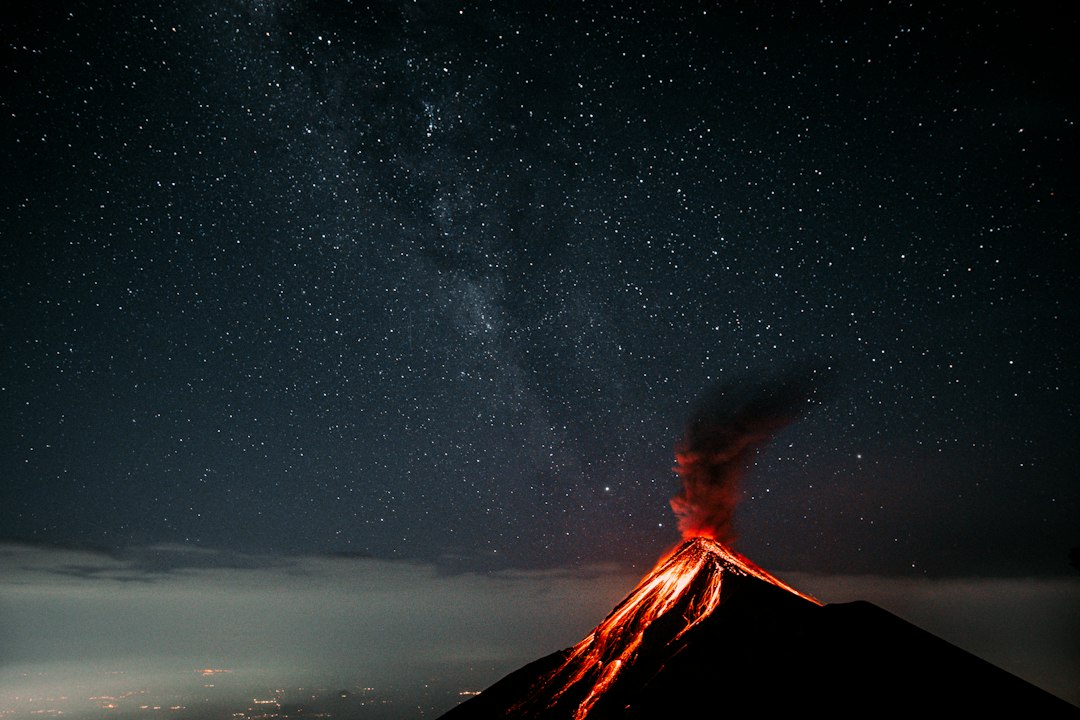
The sudden, violent eruption of a volcano, cloaked in plumes of ash and toxic gases, is a cataclysmic event that has shaped Earth’s history and, by extension, the history of human evolution. For our Paleolithic ancestors, hunter-gatherers navigating a world devoid of modern infrastructure and scientific understanding, such an event represented an immediate and profound threat. Surviving a sudden volcanic ash fall was not a matter of scientific prediction or technological intervention, but rather a testament to ingrained instincts, adaptive behaviors, and the accumulation of hard-won knowledge passed down through generations. This article delves into the likely survival strategies employed by Paleolithic peoples when confronted with the devastating impact of volcanic ash.
The Imminent Threat of Ash Fall
The sheer destructive potential of a volcanic ash fall is immense. It’s not merely a visual spectacle; it’s a multifaceted environmental assault. The immediate aftermath of an eruption can involve pyroclastic flows, searing currents of superheated gas and volcanic debris that incinerate everything in their path. While these are the most dramatic and instantly lethal phenomena, the lingering ash fall presents a persistent and insidious danger. The ash itself, composed of pulverized rock, glass, and minerals, is incredibly fine and abrasive. When suspended in the air, it drastically reduces visibility, creating an eerie, suffocating twilight that can last for days or even weeks. Beyond the immediate atmospheric disruption, the ash settles, blanketing the landscape in a layer that can range from a dusting to many meters thick. This deposition has profound and cascading ecological consequences.
Diminished Visibility and Navigation
The most immediate and visceral challenge posed by a volcanic ash fall is the obliteration of the sky. Imagine a world plunged into perpetual twilight, where familiar landmarks vanish under a pall of grey. For hunter-gatherers, who relied heavily on visual cues for navigation – the sun’s position, the patterns of stars, the contours of the land, the flight of birds – this sudden loss of visibility was disorienting and terrifying. The ability to find one’s way back to a known shelter, to track prey, or to locate water sources would be severely compromised. The psychological impact of such pervasive darkness, devoid of the comforting light of day, would also be significant, potentially inducing panic and further hindering rational decision-making. Without the ability to see clearly, even short distances could become impassable barriers, isolating groups and making movement perilous.
Respiratory Hazards and Health Impacts
The fine particulate matter of volcanic ash is not just an irritant; it is a significant respiratory hazard. Inhaled ash can lodge in the lungs, causing a condition known as ash lung, a form of pneumoconiosis characterized by inflammation, coughing, and shortness of breath. For individuals with pre-existing respiratory conditions, this would be a death sentence. Children and the elderly would be particularly vulnerable. The abrasive nature of the ash can also irritate the eyes, leading to conjunctivitis and potential blindness if not adequately protected. Furthermore, volcanic ash can contain toxic elements like fluorine, which can contaminate water sources and vegetation, leading to poisoning if ingested. The long-term health consequences of prolonged exposure, even at lower levels, could have weakened communities and reduced their overall resilience.
Contamination of Water and Food Sources
Perhaps the most critical long-term threat posed by volcanic ash falls is the contamination of vital resources. Water sources, be they rivers, lakes, or springs, would quickly become choked with ash. This would not only render the water undrinkable due to turbidity but also introduce harmful minerals and potentially toxic elements. Even if the water appeared clear, it could be contaminated with dissolved substances from the ash. Similarly, vegetation, the primary food source for many Paleolithic herbivores and thus a critical element in the hunter’s diet, would be blanketed and potentially poisoned. Grazing animals would ingest ash, making them unhealthy or even toxic to consume. Crops, if any were cultivated (though less common in the deep Paleolithic), would be buried and ruined. The disruption to the food chain would be catastrophic, leading to widespread starvation.
Paleolithic communities faced numerous challenges, including unexpected volcanic ash falls, which could disrupt their way of life. These communities likely developed various strategies to cope with such environmental changes, including altering their hunting and gathering practices and seeking alternative shelter. For a deeper understanding of how ancient societies adapted to catastrophic events and the innovations they lost over time, you can explore the article on the catastrophic effects of lost innovations at this link.
Immediate Responses: Seeking Shelter and Safety
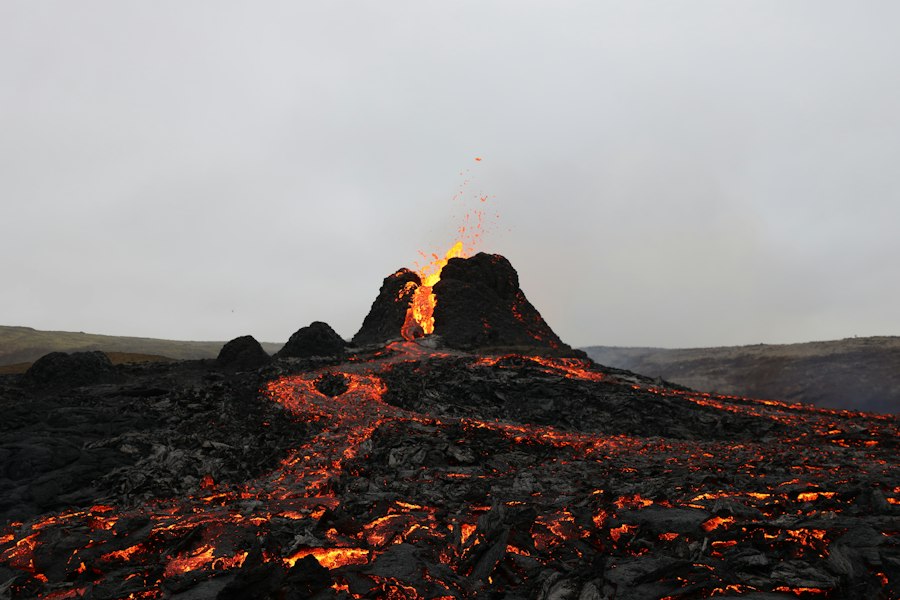
Faced with the immediate onslaught of ash, the primary survival imperative for Paleolithic humans would be to find and secure shelter. This would not be a passive waiting game but an active, instinct-driven response focused on minimizing exposure to the most immediate dangers. The knowledge of suitable refuges, often acquired through generations of experience with the local environment, would be invaluable.
Caves and Overhangs as Natural Sanctuaries
Natural geological formations such as caves and rock overhangs would have been the most sought-after refuges during an ash fall. These formations offer a degree of protection from the falling ash, reducing the amount that accumulates inside. The solid rock roof would also provide a barrier against the immediate impact of volcanic debris and, to some extent, insulate against the extreme temperatures that can accompany eruptions. Moreover, caves often offer a more stable environment, shielding inhabitants from strong winds that can whip up ash into even more dangerous clouds. The enclosed nature of a cave would also facilitate a sense of communal security, important for morale in the face of such overwhelming environmental forces. Prior knowledge of these shelters, their accessibility, and their capacity would have been a critical factor in survival.
Temporary Shelters and Evacuation Strategies
In the absence of suitable caves, Paleolithic groups would have had to improvise. The construction of temporary shelters, using materials readily available in their environment, would have been a crucial skill. This could involve using branches, hides, and leaf litter to create rudimentary windbreaks and roofs. However, the effectiveness of such structures against a heavy ash fall would be limited. More significantly, survival might have depended on the ability to evacuate the immediate vicinity of the volcano. This would require a keen understanding of wind patterns and the direction of the prevailing ash fall. Groups would likely have attempted to move upwind or perpendicular to the ash plume, seeking clearer air and less contaminated territory. This necessitates a deep, almost intuitive, knowledge of atmospheric dynamics and the local geography. The success of such evacuations would depend on the speed of the eruption, the density of the ash fall, and the ability to travel under severely reduced visibility.
Minimizing Exposure to Airborne Ash
Even within a shelter, minimizing exposure to airborne ash would be paramount. This would likely involve sealing entrances and any openings as effectively as possible. The use of damp cloths or animal hides, if available, could be employed to cover mouths and noses, providing a rudimentary filtration system. Huddling together in the deepest parts of a cave or shelter would also help reduce the amount of ash that settles on individuals. The practice of keeping fires burning, even if it meant consuming precious fuel, might have served a dual purpose. The heat would offer some comfort and could potentially deter airborne ash from settling as readily in the immediate vicinity of the fire. However, the smoke itself could also be a hazard in enclosed spaces, creating a delicate balance.
Long-Term Survival: Resource Management and Adaptation
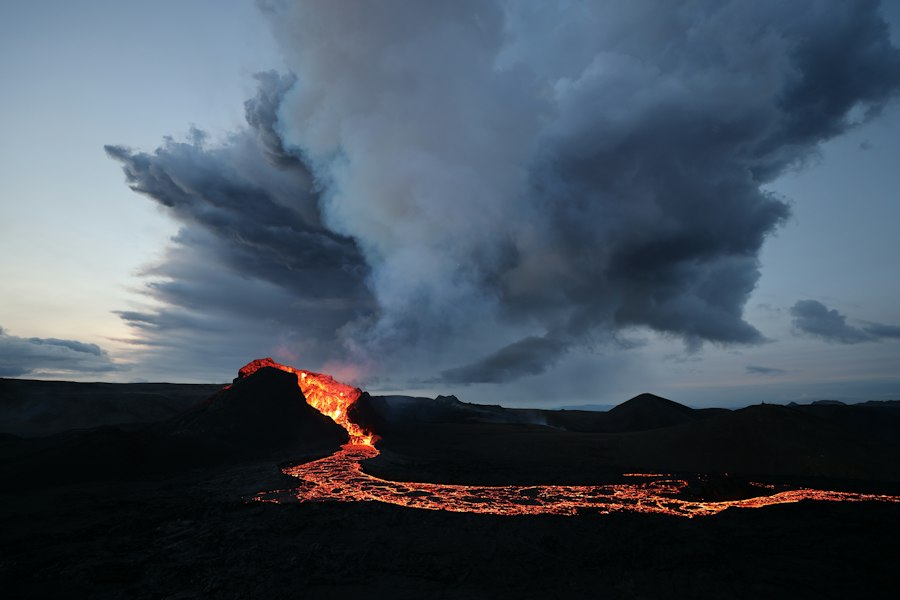
The immediate crisis of an ash fall would eventually subside, but the consequences would linger for an extended period. Rebuilding a stable existence would require careful management of dwindling resources and the adaptation of existing survival strategies to a radically altered landscape.
Foraging and Hunting in an Ash-Dominated Environment
The ash-covered landscape would present a severely degraded ecosystem. Foragers would face the challenge of finding edible plants buried under layers of ash or poisoned by its deposition. This would necessitate a shift in foraging strategies, focusing on plants that grow on higher ground, are more resilient to ash, or can be found in sheltered microclimates. Hunting would also become more challenging. Large herbivores might have been killed by the ash fall or moved to unaffected areas. Tracking prey would be more difficult due to the altered terrain and reduced visibility. Predators would also be affected, potentially leading to shifts in their behavior and distribution, further complicating hunting endeavors. Paleolithic hunters might have had to adapt by targeting smaller, more opportunistic prey, or developing new hunting techniques suited to the altered environment.
Water Procurement and Purification
Access to clean drinking water would be a critical bottleneck. Rivers and lakes would be heavily contaminated, making them unusable without significant purification. While boiling water would kill pathogens, it would not remove the dissolved minerals or particulate matter from the ash. Paleolithic people might have relied on finding uncontaminated springs or collecting rainwater that had not been exposed to heavy ash fall. The practice of digging for water in alluvial deposits, where groundwater might be filtered by layers of earth, could have become more important. The ability to identify and access these cleaner sources would have been a vital skill. Dehydration would have been a constant threat, pushing communities to be incredibly resourceful in their water management.
Social Cohesion and Knowledge Transmission
In the face of such overwhelming adversity, social cohesion would be paramount. Communities that could maintain strong bonds, share resources equitably, and cooperate effectively would have a higher chance of survival. The elderly, with their accumulated knowledge of the land and its resources, would become even more valuable, despite their potential physical vulnerability. The transmission of survival knowledge – identifying safe water sources, edible plants, and effective shelter locations – would be crucial for the younger generations. Storytelling and oral traditions would likely have played a vital role in embedding this knowledge, ensuring that the lessons learned from catastrophic events were not forgotten. Conversely, social breakdown, conflict over scarce resources, or the loss of key individuals with critical knowledge could lead to the demise of a group.
Paleo-environmental Clues and Archaeological Evidence
Understanding how our Paleolithic ancestors coped with volcanic ash falls relies heavily on interpreting the archaeological record and correlating it with paleo-environmental data. While direct evidence of survival strategies can be elusive, certain patterns and artifacts offer tantalizing clues.
Volcanic Ash Layers as Temporal Markers
The distinctive layers of volcanic ash, known as tephra, act as invaluable chronological markers in the archaeological record. When these layers are found in association with human occupation sites, they provide a precise temporal bracket for that occupation. By dating the ash layer itself, archaeologists can establish a minimum age for the artifacts and human remains found beneath or within it. This allows for the reconstruction of human activity immediately before, during, and after volcanic events. The presence or absence of human occupation in relation to ash layers can indicate whether populations abandoned areas due to eruptions or managed to persist through them. Examining the thickness and distribution of ash deposits at archaeological sites can also provide insights into the intensity of the eruptions and their localized impact.
Evidence of Site Abandonment and Relocation
Archaeological sites exhibiting evidence of sudden abandonment coinciding with known volcanic eruption periods suggest that populations may have temporarily or permanently relocated. This could manifest as unfinished tools, hearths with unburned fuel, or scattered personal belongings left behind. The discovery of new, smaller, or more temporary settlements established in areas seemingly unaffected by ash fall, or in locations with better access to resources post-eruption, would further support the idea of adaptive migration. The analysis of faunal and floral remains found at these sites can reveal shifts in diet and resource utilization, indicating how communities adapted their subsistence strategies to the altered environment.
Tool Use and Material Modification
The modification of tools and materials by Paleolithic humans in response to ash fall can offer direct evidence of their survival efforts. For instance, the deliberate modification of animal hides or plant fibers to create more effective respiratory filters or protective coverings would be significant. The wear patterns on tools might reveal new methods of processing ash-contaminated food sources or extracting water from difficult locations. The use of specific stone types for tools might shift if certain raw material sources became inaccessible due to ash deposition. While direct evidence of respiratory protection is difficult to preserve, indirect indicators within the archaeological assemblage can provide insights into the challenges posed by ash and the ingenuity of our ancestors in overcoming them.
Paleolithic communities faced significant challenges when unexpected volcanic ash falls occurred, impacting their environment and resources. Research indicates that these early humans developed various adaptive strategies to cope with such natural disasters, including altering their foraging patterns and seeking alternative food sources. For a deeper understanding of how communities adapt to sudden changes, you might find it interesting to explore the article on economic stabilization measures for recovery, which discusses how societies respond to unexpected disruptions. You can read more about it here.
Enduring Lessons from the Ashy Past
| Aspect | Details | Evidence | Impact on Paleolithic Communities |
|---|---|---|---|
| Immediate Response | Seeking shelter in caves or natural formations to avoid ash inhalation and fallout | Archaeological sites showing habitation layers with volcanic ash deposits | Temporary displacement or reduced outdoor activity |
| Health Effects | Respiratory issues due to ash inhalation; eye irritation | Possible skeletal evidence of respiratory stress in remains | Increased mortality or morbidity in affected groups |
| Food and Water | Contamination of water sources and vegetation; reliance on stored or unaffected resources | Changes in faunal remains and plant residues in archaeological layers | Temporary food scarcity and dietary shifts |
| Long-term Adaptations | Migration to less affected areas; development of new toolkits and strategies | Evidence of site abandonment and new settlements post-eruption | Population redistribution and cultural changes |
| Use of Volcanic Ash | Possible use of ash in tool-making or as a preservative | Artifacts with ash residues or ash layers integrated in tool production | Resourcefulness in utilizing volcanic materials |
The study of Paleolithic responses to sudden volcanic ash falls offers more than just an academic glimpse into the deep past. It provides enduring lessons about human resilience, adaptability, and the fundamental importance of knowledge and community in the face of existential threats. Our ancestors, stripped of modern conveniences, relied on innate instincts, observational learning, and the power of collective action. They navigated a world where natural disasters were frequent and unpredictable, honing survival strategies that allowed them to persist and evolve.
The Primacy of Instinct and Learned Behavior
The immediate reaction to a volcanic ash fall would undoubtedly have been driven by primal instincts of fear and self-preservation. However, these instincts would have been shaped and refined by generations of learned behavior. The knowledge of which shelters were safe, which plants were edible, and how to move through a darkened landscape would have been passed down through oral traditions and direct mentorship. This combination of innate drive and accumulated wisdom allowed Paleolithic populations to respond effectively to immediate dangers, minimizing casualties and increasing the likelihood of long-term survival. The ability to learn from experience, both individual and collective, was a cornerstone of their success.
The Critical Role of Social Cooperation
The challenges posed by volcanic ash falls were too immense for individuals to overcome alone. The success of Paleolithic survival was deeply intertwined with the strength and cooperation of their social groups. Sharing resources, protecting vulnerable members, and pooling knowledge were essential for navigating the difficult periods following an eruption. Communities that fractured under pressure would have been far more susceptible to collapse. The very act of huddling together for warmth and protection in a cave, or cooperating on a communal hunt for scarce game, highlights the indispensable nature of social bonds in the face of environmental catastrophe.
Resilience as a Driving Force of Human Evolution
The repeated encounters with powerful natural forces like volcanic eruptions undoubtedly played a significant role in shaping human resilience. Those who possessed the traits and behaviors that facilitated survival in these challenging environments were more likely to reproduce and pass on their genes. This can be seen as a form of natural selection, favoring adaptability, foresight, and cooperation. The ability to recover from and adapt to catastrophic events, rather than succumbing to them, is a defining characteristic of the human story and a testament to our species’ enduring capacity to thrive even in the most hostile of circumstances. The lessons etched in the geological record, telling of ancient disasters and human survival, continue to inform our understanding of what it means to be human.

Life 20,000 Years Ago | When an Ice Age Wildfire Traps Your Primitive Family
FAQs
What were the primary effects of volcanic ash falls on Paleolithic communities?
Volcanic ash falls could severely impact Paleolithic communities by covering landscapes, contaminating water sources, and affecting air quality. The ash could destroy crops, disrupt hunting grounds, and lead to food shortages, forcing communities to adapt their survival strategies.
How did Paleolithic communities adapt their hunting and gathering practices in response to volcanic ash?
In response to volcanic ash falls, Paleolithic communities often shifted their hunting and gathering practices. They might have relocated to areas less affected by ash, sought alternative food sources, or relied more heavily on stored food supplies until conditions improved.
What strategies did Paleolithic communities use to cope with the health effects of volcanic ash?
Paleolithic communities likely employed various strategies to cope with the health effects of volcanic ash, such as moving to cleaner air locations, using natural barriers to shield themselves from ash, and possibly utilizing herbal remedies to alleviate respiratory issues caused by inhaling ash particles.
Did volcanic ash falls influence the social structures of Paleolithic communities?
Yes, volcanic ash falls could influence the social structures of Paleolithic communities by necessitating cooperation and resource sharing. Communities may have formed alliances to pool resources and support each other during times of scarcity, leading to stronger social bonds and collaborative survival strategies.
What archaeological evidence exists regarding Paleolithic responses to volcanic ash falls?
Archaeological evidence, such as changes in settlement patterns, tool use, and dietary remains, indicates how Paleolithic communities responded to volcanic ash falls. Sites with layers of volcanic ash often show shifts in habitation, indicating relocation, and changes in the types of tools and food sources utilized during and after ash events.