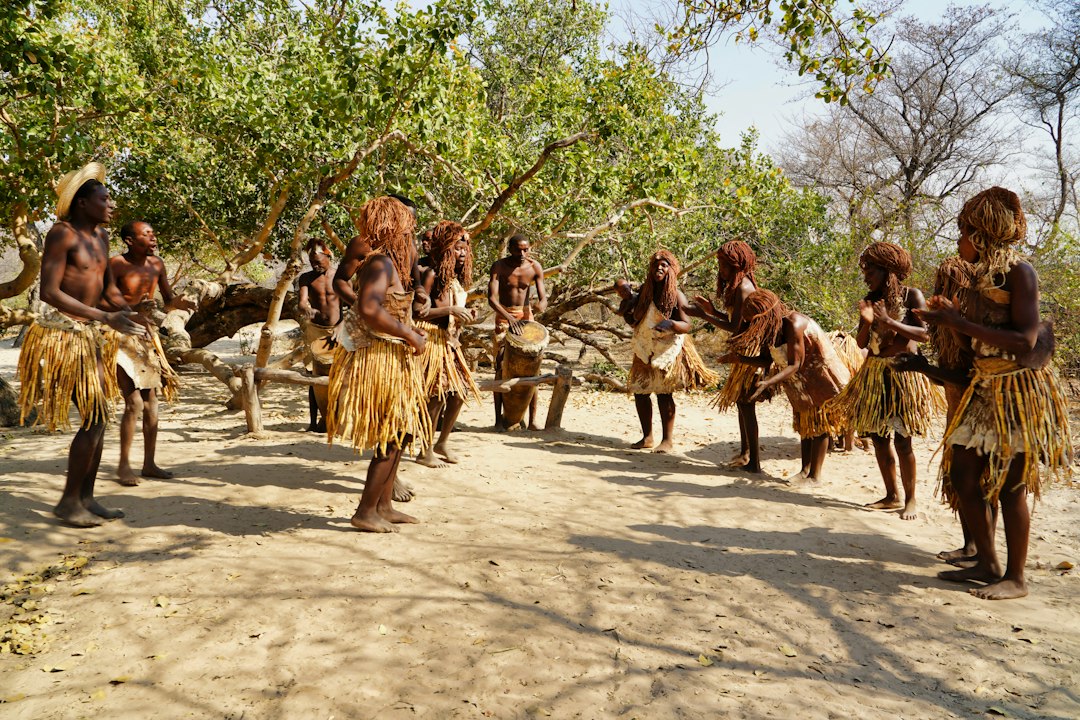
The flickering light of a fire cast dancing shadows across the rough-hewn walls of the cave, a familiar, comforting sight to the small band of early humans gathered within. Outside, the wind howled a mournful tune, a stark reminder of the harsh realities of their existence. This night, however, was not just another struggle against the elements; it was a moment of shared anxiety, a collective breath held in anticipation. A prolonged drought had parched the land, dwindling the water sources and scattering the game herds upon which their survival depended. This was a crisis, and like countless others before and after, it demanded more than individual resilience; it demanded coordination.
Echoes of Cooperation: The Foundations of Prehistoric Collaboration
The survival of prehistoric communities was not a testament to lone wolf prowess but to the intricate dance of cooperation that wove the fabric of their societies. Faced with the omnipresent threats of a unforgiving environment, resource scarcity, and dangerous predators, individuals who could effectively work together possessed a significant evolutionary advantage. This inherent drive for collective action, honed over millennia, laid the groundwork for complex social structures capable of navigating even the most dire of circumstances. Understanding these fundamental principles of cooperation is crucial to grasping how these ancient peoples managed to not only endure but to thrive.
The Unspoken Language of Mutual Reliance
At its core, prehistoric coordination was built upon a deep-seated understanding of mutual reliance. Each member of the group, from the most skilled hunter to the youngest child, had a role to play. The elderly, though perhaps less physically capable of strenuous tasks, possessed invaluable knowledge of medicinal plants, weather patterns, and ancestral lore, knowledge passed down through generations. Children, while dependent, could be trained in essential skills from a young age, gradually contributing to the group’s overall productivity. This recognition of interconnectedness fostered a sense of shared responsibility, where the well-being of the individual was inextricably linked to the well-being of the collective. In times of crisis, this interwoven dependency became even more pronounced, transforming individual needs into a shared imperative.
The Power of Shared Knowledge and Experience
Knowledge was a precious commodity in prehistoric times, and its communal sharing was a cornerstone of survival. When facing a new or recurring threat, such as a particularly harsh winter or a sudden outbreak of disease, the accumulated wisdom of the group was the first and most potent weapon. Elders recounted past experiences with similar events, offering strategies that had proven effective or warnings about pitfalls to avoid. Skilled hunters would share techniques for tracking elusive prey or for devising more efficient hunting strategies. The observation of animal behavior, the understanding of edible versus poisonous plants, and the knowledge of safe water sources were all disseminated through observation, imitation, and storytelling. This shared repository of information allowed communities to react more swiftly and effectively to emerging dangers, minimizing trial and error and maximizing the chances of a successful outcome.
Prehistoric communities faced numerous challenges that required coordinated efforts during crises, such as natural disasters or resource shortages. Understanding how these early societies managed to come together in times of need can provide valuable insights into human resilience and cooperation. For a fascinating exploration of how ancient communities might have responded to environmental changes, you can read the article on evidence of a pole shift in Antarctica, which discusses the implications of such events on prehistoric human behavior. You can find the article here: Antarctica: Evidence of a Pole Shift.
Navigating the Landscape of Scarcity: Resource Management in Times of Want
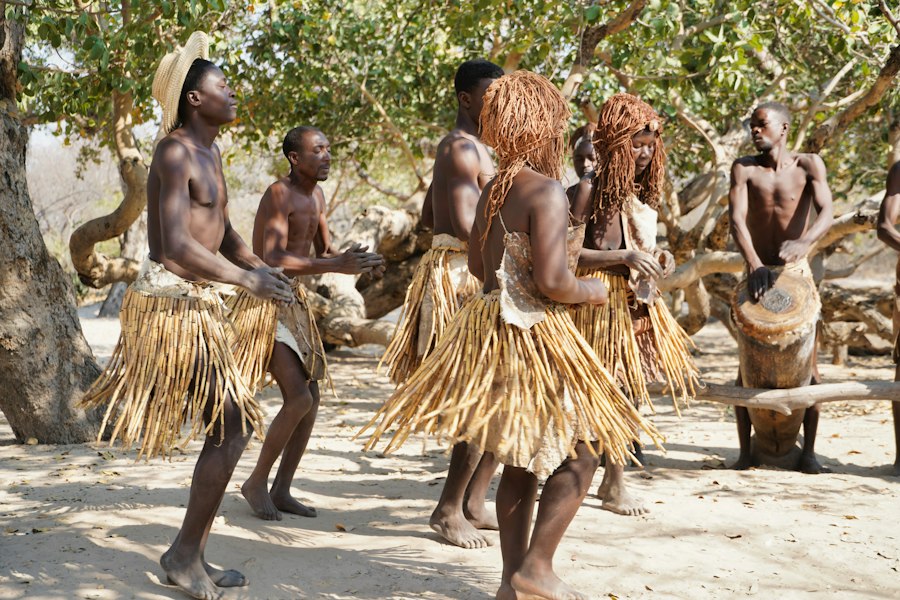
When the bounty of the land dwindled, prehistoric communities did not simply succumb to despair. Instead, they mobilized their collective intelligence and labor to manage resources with an unprecedented level of cooperation. The very survival of the group hinged on their ability to adapt their foraging and hunting strategies, to share what little they had, and to explore new avenues for sustenance. This period of scarcity often served as a crucible, forging stronger bonds and more innovative approaches to resource acquisition.
Strategic Foraging and Hunting Syndicates
During periods of drought or exceptionally harsh weather, game herds would disperse, and edible plants would become scarce. This necessitated a shift from opportunistic foraging to more strategic, coordinated efforts. Hunting parties would likely have been organized with specific objectives: to track down dwindling herds, to scout for new hunting grounds, or to focus on smaller, more readily available prey. These hunting syndicates would have employed a variety of tactics, from coordinated drives to corner prey into natural traps, to the use of specialized tools and techniques developed through collective experimentation. Similarly, foraging expeditions would have been undertaken by groups, dividing the territory to maximize coverage and identify any remaining pockets of sustenance. The sharing of information about successful foraging locations or the capture of prey was vital, ensuring that the entire community benefited from the efforts of a few.
The Barter and the Bond: Internal Distribution Systems
The equitable distribution of scarce resources was paramount to preventing internal conflict and ensuring the survival of all members. While the exact mechanisms remain largely speculative, it is reasonable to assume the existence of rudimentary internal distribution systems. These could have involved direct sharing, where successful hunters or foragers brought their bounty back to the camp for communal consumption. Alternatively, a form of reciprocal sharing, or early barter, might have existed, where individuals with surplus of one resource could exchange it for a different resource that another possessed. This ensured that even those less physically able to contribute directly to food acquisition, such as the very young, the elderly, or those recovering from injury, were still provided for. This communal responsibility for sustenance fostered a powerful sense of solidarity and interdependence.
Expeditionary Ventures: The Quest for New Territories
When local resources were depleted beyond recovery, prehistoric communities were not bound by their immediate surroundings. The courage and collective will to undertake expeditions into unknown territories were essential for long-term survival. These ventures would have been meticulously planned, with scouting parties sent ahead to assess the safety and resource potential of new areas. The decision to relocate the entire community would have been a monumental one, requiring consensus and the mobilization of all members for the arduous journey. The success of such expeditions depended on shared knowledge of navigation, the ability to identify suitable new campsites, and the collective effort to establish a new base of operations. These were not acts of individual exploration but grand, communal undertakings born out of necessity.
The Citadel of Safety: Collective Defense Against External Threats
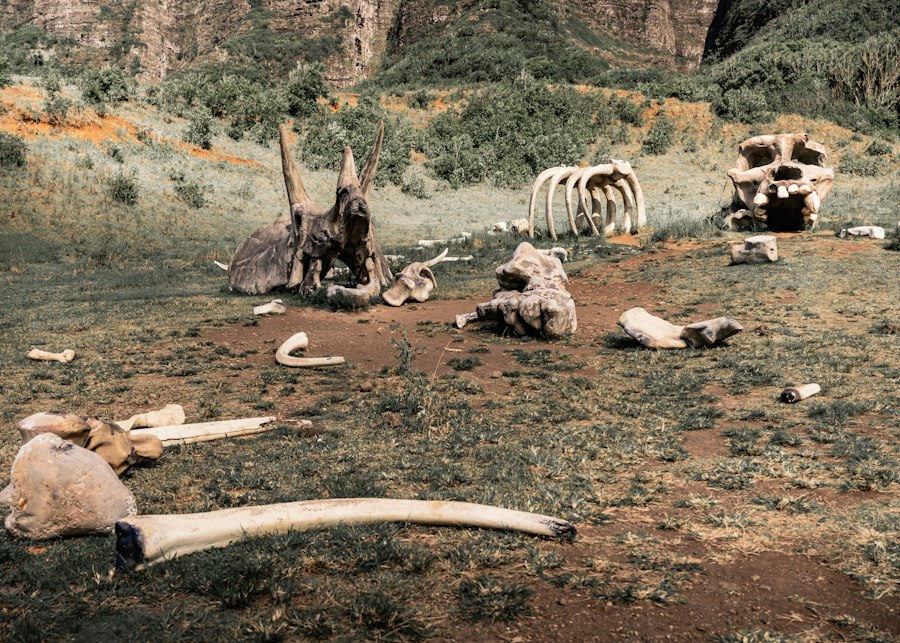
The prehistoric world was fraught with peril, not only from environmental forces but from other human groups and formidable predators. The coordination of efforts for defense was a vital aspect of community life, ensuring the safety of their dwellings, their resources, and their most vulnerable members. The threat of attack or predation spurred the development of sophisticated communal defense strategies, transforming individuals into a unified shield.
The Watchful Eyes: Establishing Early Warning Systems
The rudimentary beginnings of early warning systems likely played a crucial role in prehistoric defense. Sentinels, positioned at vantage points around the settlement or within its immediate vicinity, would have been tasked with observing for approaching dangers. The understanding of alarm calls, whether vocalizations, the banging of objects, or the lighting of signal fires, would have been universally understood within the community. These systems allowed for a rapid and coordinated response, giving the group precious time to prepare for an attack or to seek refuge. The effectiveness of such systems relied on the discipline of the sentinels and the shared understanding of the signals, demonstrating a high level of trust and communication.
Fortifying the Hearth: Communal Construction and Vigilance
Prehistoric communities understood the power of fortification, even if their methods were basic. The construction of defensive structures, such as palisades, ditches, or strategically placed rock formations, would have been a communal effort. This required the coordinated labor of many individuals, clearing land, gathering materials, and assembling defenses. Furthermore, the maintenance of these defenses would have been an ongoing task, ensuring their integrity against the elements and potential attackers. Beyond physical barriers, the collective vigilance of the community served as a powerful deterrent. The mere presence of a cohesive, watchful group could discourage opportunistic raids from smaller, less organized groups or solitary predators.
United Against the Predator: Coordinated Hunts and Diversions
The threat of large predators, such as saber-toothed cats or cave bears, posed a significant danger to individuals venturing outside the safety of the settlement. Prehistoric communities likely developed coordinated strategies to deal with these threats. This might have involved organized hunting parties designed to systematically eliminate dangerous predators from their territory, employing a variety of traps and coordinated attacks. Alternatively, in the event of a predator encroaching on the settlement, diversionary tactics, such as the use of noise or fire, might have been employed to drive the animal away without engaging in a direct, high-risk confrontation. These coordinated efforts not only protected individuals but also secured vital hunting grounds and foraging areas.
The Fabric of Society: Ritual, Information Exchange, and Conflict Resolution
Beyond immediate survival needs, prehistoric communities engaged in a complex web of social interactions that strengthened their bonds and facilitated coordinated action. Rituals, the sharing of information beyond practical concerns, and the mechanisms for resolving internal disputes all contributed to a cohesive society capable of facing collective challenges. These social structures, though often invisible to modern eyes, were the invisible glue that held them together.
The Power of Shared Experience: Rituals and Celebrations
Rituals, whether related to hunts, harvests, births, or deaths, played a profound role in reinforcing social cohesion and a sense of shared identity. These communal ceremonies provided opportunities for members of the community to come together, to reaffirm their collective values, and to experience a sense of belonging. The rhythmic chanting, the shared meals, and the symbolic actions all served to strengthen emotional bonds and create a unified group consciousness. In times of crisis, these established rituals could provide a sense of continuity and reassurance, reminding individuals that they were part of something larger than themselves and that they were not facing their trials alone. These shared experiences fostered trust and mutual understanding, making coordinated action during times of need more likely.
The Whispers and the Tales: Oral Traditions and Information Networks
The transmission of information was not limited to practical survival advice. Oral traditions, myths, legends, and stories served as a vital means of transmitting cultural knowledge, historical accounts, and moral teachings. These narratives, passed down from generation to generation, helped to shape the worldview of the community and to reinforce shared beliefs and values. Furthermore, these informal information networks likely extended beyond the immediate settlement. Intergroup communication, though perhaps infrequent, would have allowed for the exchange of news, warnings, and opportunities, fostering a broader network of awareness and potential cooperation. The ability to share information, even through rudimentary means, was a powerful tool for collective understanding and decision-making.
Mending the Threads: Mechanisms for Dispute Resolution
Even within the most cooperative of societies, disagreements and conflicts are inevitable. Prehistoric communities, like all social groups, would have developed mechanisms for resolving these disputes. While the exact methods are unknown, it is plausible that elders or respected individuals within the group played a role in mediating conflicts. The emphasis would likely have been on maintaining group harmony and preventing divisions that could weaken the community’s ability to face external threats. Restorative justice, or systems that focused on repairing harm and reintegrating individuals back into the social fabric, may have been prioritized over punitive measures. The ability to effectively resolve internal conflicts was crucial for maintaining the cohesion and coordinated effort necessary for collective survival.
Prehistoric communities faced numerous challenges, and their ability to coordinate efforts during crises was crucial for survival. Research suggests that these groups utilized various forms of communication and social structures to mobilize resources and support each other in times of need. For a deeper understanding of how ancient societies managed their knowledge and adapted to changing circumstances, you can explore the article on the deliberate erasure of ancient wisdom, which sheds light on the complexities of their social dynamics. This perspective can enhance our appreciation of how interconnected these early communities were, as seen in the link here: deliberate erasure of ancient wisdom.
The Legacy of Collaboration: Lessons from the Distant Past
| Aspect | Description | Evidence/Metric | Impact on Crisis Coordination |
|---|---|---|---|
| Communication Methods | Use of vocal calls, gestures, and symbolic markings | Archaeological findings of cave paintings and bone carvings | Enabled sharing of information quickly within groups |
| Social Structure | Hierarchical or egalitarian leadership roles | Burial sites indicating status differences; ethnographic analogies | Facilitated decision-making and task delegation during crises |
| Resource Sharing | Collective hunting and food distribution | Wear patterns on tools; remains of communal feasts | Ensured survival by pooling resources in times of scarcity |
| Group Size | Small bands of 20-50 individuals | Settlement size estimates from archaeological sites | Allowed efficient coordination and rapid response |
| Rituals and Social Bonds | Shared rituals to strengthen group cohesion | Artifacts related to ceremonial practices | Enhanced trust and cooperation during emergencies |
| Mobility | Nomadic or semi-nomadic lifestyle | Seasonal migration patterns inferred from site locations | Enabled avoidance of environmental hazards and resource depletion |
The study of prehistoric communities reveals a profound and enduring truth: human resilience is amplified through cooperation. The challenges faced by our ancient ancestors were immense, and their survival was a testament to their ability to set aside individual interests for the greater good of the group. The coordination of efforts during crises, whether driven by scarcity, external threats, or social imperatives, was not merely an opportunistic strategy; it was an ingrained aspect of their social fabric, honed by the relentless pressure of natural selection.
The Adaptive Advantage of Collective Action
The clear adaptive advantage of collaborative behavior in prehistoric environments cannot be overstated. Individuals who could effectively work together were more likely to secure food, to defend themselves against predators and hostile groups, and to pass on their genes to future generations. This selective pressure favored the development of social intelligence, communication skills, and a predisposition towards empathy and altruism. The ability to coordinate efforts meant that even in the face of overwhelming odds, the group as a whole possessed a greater capacity to adapt and to overcome adversity. This fundamental principle of collective action continues to shape human societies today, albeit in more complex and nuanced forms.
Enduring Principles for Modern Societies
The lessons learned from how prehistoric communities coordinated their efforts during crises hold surprising relevance for our modern world. While our challenges may differ in scale and complexity, the underlying human need for cooperation remains. The importance of shared knowledge, equitable resource distribution, collective defense (whether physical or against misinformation), and robust social bonds are all principles that resonate across millennia. In an era increasingly marked by global challenges, from climate change to pandemics, understanding and fostering the spirit of collaborative action, so evident in our distant ancestors, is not just an academic pursuit; it is a vital necessity for our collective future. The echoes of their coordinated efforts serve as a powerful reminder that when we work together, our capacity for resilience and innovation is boundless.

Life 20,000 Years Ago | When an Ice Age Wildfire Traps Your Primitive Family
FAQs
What types of crises did prehistoric communities face?
Prehistoric communities faced various crises, including natural disasters such as floods, droughts, and wildfires, as well as social crises like conflicts with neighboring groups or resource shortages. These challenges required coordinated responses to ensure survival and stability.
How did prehistoric communities communicate during crises?
Communication in prehistoric communities likely relied on verbal language, gestures, and visual signals. They may have used smoke signals, drum beats, or other forms of sound to convey messages over distances, facilitating coordination during emergencies.
What roles did leaders play in coordinating efforts during a crisis?
Leaders in prehistoric communities often took on the role of decision-makers and coordinators during crises. They would assess the situation, organize group efforts, and delegate tasks to ensure that resources were allocated effectively and that the community worked together to address the crisis.
Did prehistoric communities have any strategies for resource management during crises?
Yes, prehistoric communities likely developed strategies for resource management, such as rationing food and water, creating stockpiles, or migrating to areas with more abundant resources. These strategies helped them to endure difficult times and maintain group cohesion.
How did social bonds influence crisis coordination in prehistoric communities?
Social bonds played a crucial role in crisis coordination, as strong relationships fostered trust and cooperation among community members. Kinship ties and shared cultural practices likely encouraged individuals to work together, enhancing the community’s ability to respond effectively to crises.