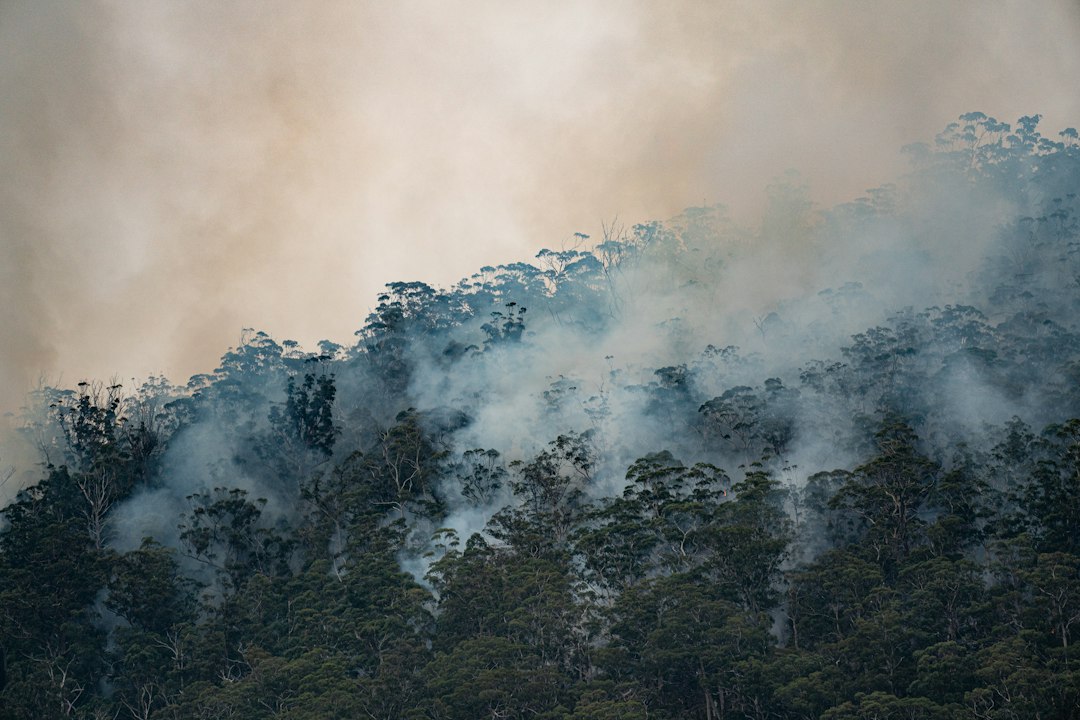
The air, once alive with the rustle of ancient leaves and the calls of unseen creatures, choked on a miasma of smoke and ash. A conflagration of unprecedented scale ripped through the primeval forests, a fiery tempest that reshaped landscapes and extinguished countless lives. This catastrophic event, a prehistoric forest fire of immense proportions, was not merely a localized tragedy but a profound turning point, a crucible that tested the resilience of prehistoric ecosystems and irrevocably altered the trajectory of life on Earth. Understanding the scope of this devastation, the immediate impacts on wildlife, and the long-term consequences of survival and extinction offers a chilling glimpse into the raw power of nature and the delicate balance of life in deep time.
The Inferno’s Reach: Scale and Ignition
The genesis of such a colossal fire remains a subject of scientific conjecture, but several factors likely converged to ignite and sustain such an inferno. The prevailing climatic conditions of the era, perhaps characterized by prolonged droughts and periods of intense heat, would have created a tinderbox of epic proportions. Dominant plant species, often with high resin content or dense, dry foliage, provided ample fuel. The geological record hints at volcanic activity in some regions, and a lightning strike, though a seemingly minor spark, could have been the catalyst for an unimaginable blaze when met with such flammable conditions. The sheer scale of these prehistoric forests, vast and largely unbroken, meant that once ignited, the fire had an unimpeded path to consume everything in its wake. Evidence from fossilized charcoal deposits and ash layers within geological strata paint a stark picture of widespread burning, indicating that the fire likely spanned hundreds, if not thousands, of square kilometers, transforming entire biomes into smoking ruins. The intensity of the blaze, driven by relentless winds and the abundance of fuel, would have generated temperatures capable of vaporizing water, incinerating entire trees in moments, and making escape for many creatures an impossible feat. The visual spectacle, if any witness had survived to observe it, would have been one of terrifying beauty and utter destruction, a wall of flame consuming the horizon and plunging the world into a smoky twilight. The long-term impact of such an event would extend far beyond the immediate flames, influencing soil composition, plant regeneration, and the very evolution of life itself.
Igniting the Tinders: Probable Causes
The exact trigger for such a catastrophic fire is difficult to pinpoint with absolute certainty due to the vast temporal distances involved. However, scientific investigations into paleo-climates and geological activity provide strong indicators. Prolonged periods of drought, often exacerbated by global warming events, would have desiccated vegetation to an extreme degree. This desiccation is a critical precursor, transforming otherwise pliable plant matter into highly combustible material. The presence of specific flora, such as certain coniferous species or thick, dry grasses, would have contributed significantly to the fuel load. These plants often possess resins or oils that burn intensely, acting as accelerants. Furthermore, the frequency and intensity of lightning strikes are known to fluctuate. In certain prehistoric epochs, increased atmospheric electrical activity could have dramatically raised the probability of ignition. The sheer volume of combustible material combined with a potent ignition source would have created a recipe for disaster. Theories also include localized volcanic activity, where incandescent ash falls or lava flows could have initiated fires over large areas, especially in regions with extensive forests. The confluence of these factors – a hot, dry climate, abundant fuel, and a powerful ignition source – would have set the stage for the inferno that swept across the ancient world.
The Unstoppable Advance: Fire’s Unhindered Spread
Once ignited, the prehistoric fire’s propagation would have been dictated by a confluence of environmental factors. The vast, unbroken expanses of ancient forests provided a continuous fuel source, allowing the fire to spread unimpeded for immense distances. The absence of natural firebreaks, such as vast bodies of water or significant geological barriers, further facilitated its relentless advance. Wind patterns played a crucial role; strong prevailing winds could have pushed the fire front forward at astonishing speeds, carrying embers and igniting new areas ahead of the main blaze. The topography of the land also influenced the fire’s behavior. Fires tend to spread more rapidly uphill, as flames preheat the fuel above them, leading to quicker ignition. Steep slopes would have amplified the fire’s destructive potential. The density of the vegetation also contributed; dense forests offered a continuous canopy and undergrowth, allowing the fire to move from the ground layer upwards into the crowns of trees, creating a devastating crown fire that consumed entire swathes of forest with terrifying speed. The sheer scale meant that escaping the path of such a fire would have been a monumental challenge, requiring swift and decisive action, or sheer luck, for any creature to survive.
The impact of prehistoric forest fire disasters on wildlife has been a topic of significant interest among researchers, as it sheds light on the resilience and adaptation of various species in the face of catastrophic events. A related article that explores the broader implications of ancient environmental changes and their effects on civilizations can be found at Unearthing Pre-Flood Civilization Clues. This article delves into how such disasters may have influenced not only the flora and fauna of the time but also the development of early human societies in response to shifting ecosystems.
Life Under Siege: Immediate Wildlife Impacts
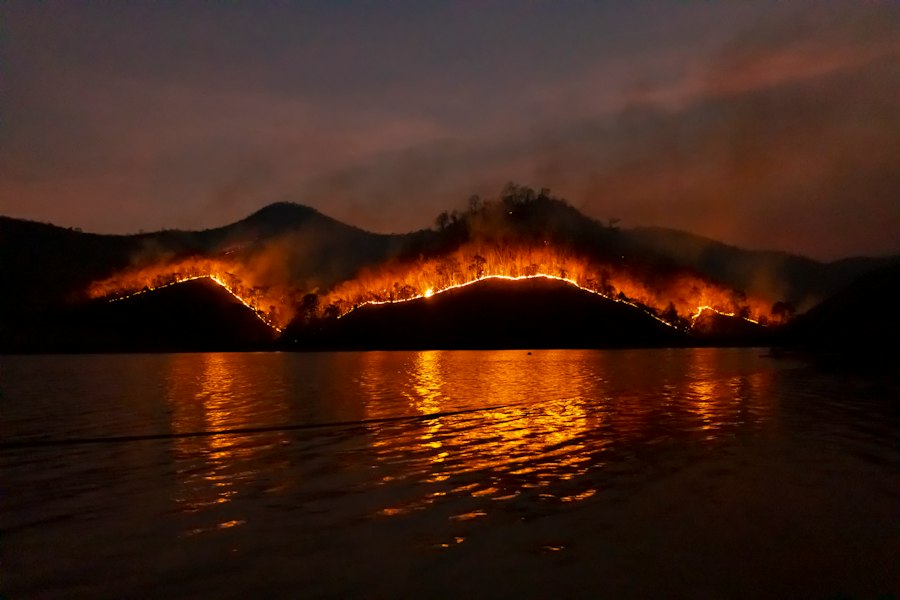
The immediate aftermath of the prehistoric forest fire was a scene of unimaginable carnage. For the myriad of creatures that inhabited these ancient woodlands, the fire represented an existential threat, a sudden and brutal disruption to their lives. Survival became a desperate, often futile, struggle against an overwhelming force. Many species, ill-equipped to escape the rapidly advancing flames, perished instantly. Others, caught in the periphery or attempting to flee, suffered severe burns, smoke inhalation, and starvation as their habitats were reduced to ash. The intricate web of life, so carefully woven over millennia, was torn asunder, leaving behind a stark landscape of destruction and loss. The immediate impacts were not just individual deaths but a systemic collapse of ecological communities, with cascading effects that would ripple through the food chain for generations.
The Unseen Victims: Creatures Unable to Escape
The majority of prehistoric fauna, bound by their physiology and behavior to the forest floor or canopy, were tragically vulnerable. Small mammals, ground-dwelling birds, reptiles, and amphibians, accustomed to the protective embrace of the forest, possessed limited means of escape. Their speed, agility, and ability to seek refuge were often outmatched by the fire’s ferocity and rapid spread. Burrowing animals, while offering some initial protection, could be overcome by heat and smoke filling their underground refuges. Arboreal creatures, such as ancient primates or gliding mammals, faced the terrifying prospect of their arboreal highways being consumed. The flames would have devoured the trees, forcing them to leap into a fiery abyss or descend to a burning ground. Insects, forming the base of many food chains, were also decimated. The sheer heat would have vaporized countless individuals, and the subsequent lack of vegetation meant a catastrophic loss of food sources for the survivors. The silence that followed the fire, broken only by the crackling of dying embers, was a stark testament to the silent suffering and mass extinction that had just occurred.
Burned Habitats and Starving Survivors
Beyond the immediate incineration, the fire left behind a landscape stripped bare, devoid of the resources that sustained life. The charred remains of trees offered no shelter, the once-lush undergrowth was reduced to blackened stalks, and water sources were often contaminated by ash and debris. For those creatures that managed to survive the initial onslaught, the struggle for survival had just begun. Food scarcity became a pressing issue. Herbivores found their food sources obliterated, leading to widespread starvation. Carnivores, in turn, faced a dwindling prey population, forcing them to embark on desperate hunts across the devastated terrain, often competing for scarce resources. The psychological impact on surviving animal populations is immeasurable. The constant threat of secondary fires, the disorientation of a familiar landscape rendered alien, and the loss of social structures would have inflicted immense stress and trauma. The lack of vegetation also impacted the reproductive cycles of many species, further jeopardizing their long-term survival.
Ecological Collapse: A Food Web Unraveled
The devastation of the prehistoric forest fire had a profound and immediate impact on the intricate food webs that characterized these ancient ecosystems. The loss of primary producers – the plants that formed the base of the food chain – sent shockwaves upwards. Herbivores, deprived of their sustenance, experienced mass starvation, leading to a sharp decline in their populations. This, in turn, affected the carnivores that preyed upon them. The reduced availability of prey meant that predators also faced hardship, leading to increased competition, decreased reproductive success, and a higher mortality rate among their own kind. Scavengers, while initially benefiting from the carcasses of the fallen, would have faced a diminishing supply as the season progressed. The intricate balance of predator and prey, herbivore and plant, was violently disrupted. The extinction of certain species, unable to adapt or find alternative resources, further simplified the ecosystem, leaving it more vulnerable to future disturbances. The fire acted as a brutal reset button, eliminating many of the specialized niches that had developed over eons, paving the way for a drastically altered ecological landscape.
The Long Road to Recovery: Regeneration and Adaptation
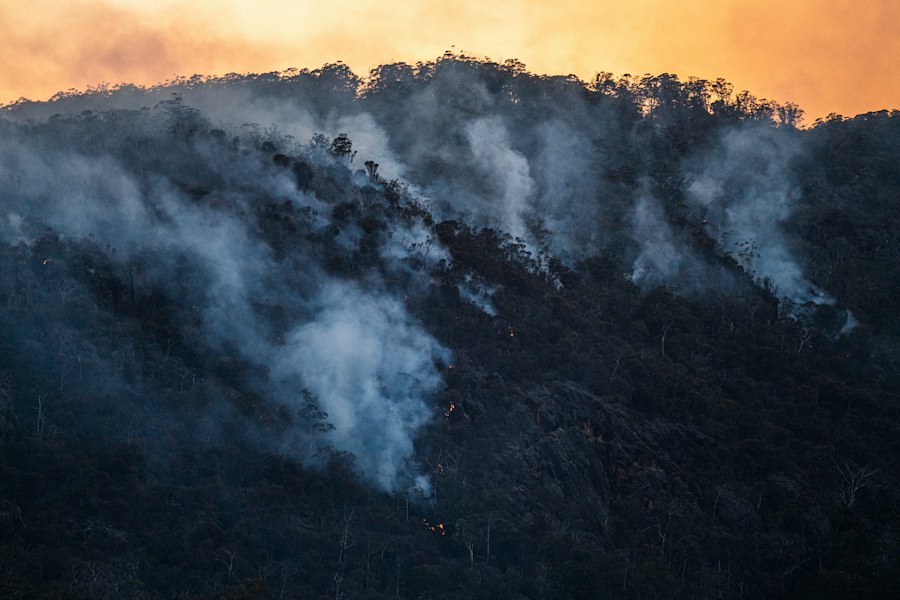
The immediate devastation, however, was not the end of the story. The resilient forces of nature, though temporarily overwhelmed, began the slow and arduous process of regeneration and adaptation. Life, in its myriad forms, sought to reclaim the scorched earth. This phase of recovery was characterized by ecological succession, where pioneer species, often hardy and fast-growing, began to colonize the denuded landscape. For the surviving wildlife, this period presented new challenges and opportunities, forcing them to adapt to a drastically altered environment and capitalize on newly emerging niches. The long-term consequences of the fire were not solely about loss but also about the transformative power of survival and the evolutionary pressures that shaped the future of life.
Pioneer Species: The First Colonizers
In the wake of the inferno, the landscape, though scarred, was not entirely barren. Certain hardy plants, often with fire-resistant seeds or rhizomes, were among the first to colonize the ashes. These “pioneer species” were crucial in stabilizing the soil, preventing erosion, and gradually reintroducing vegetation. Ferns, grasses, and certain fast-growing shrubs would have thrived in the nutrient-rich ash, drawing sustenance from the remnants of the burned forest. Their rapid growth provided a nascent food source and shelter for the animals that managed to survive. The presence of these resilient plants was a beacon of hope, signaling the potential for the ecosystem to rebuild itself. The spores of fungi, often dormant and resistant to heat, also played a vital role in breaking down the charred organic matter, further enriching the soil and facilitating the return of more complex plant life. This initial stage of colonization was a testament to the persistence of life and its inherent drive to persist against overwhelming odds.
Adapting to the Ashes: New Niches and Behaviors
For the surviving wildlife, the post-fire environment demanded significant adaptations. Species that could tolerate open landscapes or utilize the new vegetation found opportunities to flourish. Some animals, previously relegated to the forest interior, might have found new foraging grounds in the recovering clearings. Birds that nested in open areas, or ground-dwelling species that fed on new grasses and seeds, could have experienced population booms. Conversely, specialists that depended on the dense canopy or specific understory plants faced immense challenges and potential extinction. The fire likely created new selection pressures, favoring individuals with traits that allowed them to cope with the altered conditions. This could have included changes in diet, foraging strategies, or even social behaviors. For example, predators might have become more opportunistic, while prey animals might have developed new anti-predator strategies suited to open terrains. The evolutionary dance of adaptation continued, driven by the crucible of the post-fire world.
The Slow March of Succession: Rebuilding Ecosystems
The process of ecological succession is a gradual one, taking centuries, even millennia, to fully restore a complex forest ecosystem. Following the prehistoric fire, the landscape would have transitioned through various stages. From the initial dominance of pioneer species, it would eventually give way to shrubs, then young trees, and finally, over vast stretches of time, mature forests would begin to re-establish themselves. Each stage offered different habitats and food sources, influencing the composition of the animal communities present. The types of trees that eventually dominated would have been influenced by factors such as seed dispersal, competition, and the prevailing climate conditions. The entire process was a slow, organic rebuilding, with the resilient forces of nature gradually reclaiming the land. The scars of the fire might have remained etched in the landscape for millennia, but the process of life’s return was an enduring testament to its tenacity.
Extinction’s Shadow: The Permanence of Loss
While adaptation and regeneration are powerful forces, the prehistoric forest fire also cast a long and permanent shadow of extinction. For many species, the scale of devastation and the speed of environmental change were simply too great. The fire served as a stark reminder of the fragility of life and the unforgiving nature of extinction events. Understanding which species were lost, and why, provides crucial insights into evolutionary bottlenecks and the susceptibility of different life forms to environmental catastrophes. The void left by these lost lineages shaped the future biodiversity of the planet, influencing the evolutionary paths of those that survived. The extinction event, a direct consequence of the inferno, was as significant as the fire itself, leaving an indelible mark on the tapestry of prehistoric life.
Species Gone Forever: Identifying the Lost
Determining precisely which species were driven to extinction by this specific prehistoric fire is a formidable task, reliant on piecing together incomplete fossil records and paleontological evidence. However, the general principles of extinction events provide a framework. Species with specialized ecological niches, limited geographic ranges, or slow reproductive rates would have been particularly vulnerable. Creatures that were highly dependent on specific plant species that were annihilated by the fire, or those that required the microhabitats found only within dense, mature forests, would have faced insurmountable challenges. The fossil record often shows abrupt disappearances of certain lineages following periods of significant environmental upheaval. These disappearances represent the permanent loss of unique genetic blueprints, evolutionary experiments that were cut short before their potential could be fully realized. The silence in the fossil record where certain species once thrived is a somber testament to the finality of extinction.
Vulnerabilities Exposed: What Made Them Susceptible
The fire’s impact highlighted inherent vulnerabilities within prehistoric ecosystems. Species that lacked mobility or were slow to reproduce would have struggled to escape or repopulate affected areas. Those with narrow dietary requirements, dependent on a single or a few food sources that were destroyed, would have starved. Animals that relied on specific nesting sites or shelter provided by certain tree species would have lost their essential habitat. The fire’s intensity and rapid spread meant that even creatures with some degree of mobility might have been caught unaware or unable to find safe havens. The lack of a pre-existing “fire ecology,” where some ecosystems have evolved mechanisms to cope with and even benefit from fire, would have made these prehistoric forests exceptionally vulnerable. The event underscored that survival is not merely about strength but also about adaptability, mobility, and the ability to weather profound environmental shifts.
The Legacy of Absence: Shaping Future Evolution
The extinction of species due to the prehistoric fire had a profound and lasting impact on the trajectory of evolution. The absence of certain predators could have allowed previously suppressed prey populations to flourish or diversify. The removal of specific herbivores might have led to changes in plant communities. Entire ecological roles, once filled by extinct lineages, were left vacant, creating opportunities for new adaptations and the diversification of surviving groups. The evolutionary pathways that were once open to the lost species were now closed forever, while new pathways opened for those that inherited the Earth. This process of extinction and subsequent diversification is a fundamental engine of evolution. The prehistoric fire, therefore, was not just a devastating event but a powerful selective force that sculpted the biodiversity of the planet for millennia to come, influencing the very types of life that would eventually evolve.
During the prehistoric era, wildlife faced devastating consequences due to catastrophic forest fires that swept through their habitats, leading to significant changes in ecosystems and animal populations. A fascinating exploration of how such disasters can reshape environments and influence species survival can be found in a related article. For a deeper understanding of the broader implications of environmental changes, you can read more about it here.
Lessons from the Flames: Insights for Today and Tomorrow
| Metric | Data/Observation | Impact on Wildlife |
|---|---|---|
| Fire Intensity | High temperature, widespread flames | Massive destruction of habitat, direct mortality of many species |
| Species Affected | Large herbivores, small mammals, insects, birds | Population decline due to loss of food and shelter |
| Mortality Rate | Estimated 40-70% of local fauna | Significant reduction in biodiversity |
| Post-Fire Vegetation Recovery | New growth within 5-10 years | Gradual return of herbivores and dependent species |
| Long-Term Ecological Impact | Altered species composition and forest structure | Shift in dominant species and ecosystem dynamics |
| Fossil Evidence | Charcoal layers, burnt bones, ash deposits | Indicates occurrence and severity of prehistoric fires |
The catastrophic prehistoric forest fire, a distant echo of nature’s raw power, offers profound lessons that resonate even in our modern, human-dominated world. While the scale and specific causes may differ, the fundamental principles of ecological vulnerability, the importance of adaptation, and the devastating consequences of unchecked environmental change remain timeless. By studying these ancient infernos, scientists gain invaluable insights into the resilience of ecosystems, the mechanisms of extinction, and the long-term impacts of natural disasters. These lessons are not merely academic; they hold critical relevance for understanding and mitigating the risks posed by contemporary environmental challenges, including climate change and increasing wildfire frequency. The ashes of the past hold the seeds of knowledge for safeguarding the future of life on Earth.
Understanding Ecosystem Resilience: Natural Cycles and Limits
The study of prehistoric fires provides a crucial understanding of ecosystem resilience – the ability of an ecosystem to withstand disturbance and return to its original state, or adapt to a new one. It highlights that while natural disturbances like fires are part of many ecosystems’ cycles, there are limits to this resilience. The sheer scale of the prehistoric inferno suggests that some events can overwhelm an ecosystem’s capacity to recover naturally, leading to profound and long-lasting changes. Scientists can analyze the geological record to identify the frequency and intensity of past fires and correlate these with periods of significant faunal turnover or ecosystem shifts. This helps in understanding the thresholds beyond which ecosystems become irrevocably altered. It underscores the importance of natural processes, but also the potential for human activities to exacerbate the impacts of such events by altering climate patterns or fragmenting habitats, thereby reducing an ecosystem’s inherent resilience.
Contemporary Parallels: Climate Change and Fire Regimes
The devastating prehistoric forest fires serve as a stark warning for the current era, particularly in the context of climate change. Rising global temperatures are leading to hotter, drier conditions in many regions, creating environments ripe for large-scale wildfires. Human activities, such as deforestation and the introduction of invasive species, can also alter fuel loads and fire behavior, making contemporary fires more intense and destructive. Understanding the ecological impacts of past megafires helps scientists to predict and prepare for future fire events. It emphasizes the need for proactive management strategies, including controlled burns, forest thinning, and the development of more fire-resilient landscapes. The lessons learned from ancient infernos can inform policy decisions and conservation efforts, aiming to mitigate the escalating threat of wildfires in a warming world and protect the biodiversity that remains.
A Call for Stewardship: Protecting Our Living Planet
Ultimately, the story of the prehistoric forest fire is a profound call for stewardship of our planet. It underscores the interconnectedness of all living things and the delicate balance of ecosystems. The loss of species and the destruction of habitats, whether through ancient cataclysms or modern environmental pressures, represent an irreplaceable diminishment of Earth’s biological heritage. By learning from the past, we are better equipped to make informed decisions for the future. This involves embracing sustainable practices, reducing our carbon footprint, protecting natural habitats, and fostering a deeper respect for the natural world. The echoes of those ancient flames remind us that we are not separate from nature but an integral part of it, and our actions have far-reaching consequences for the survival and flourishing of all life. The responsibility to protect our living planet rests on our collective shoulders, a solemn duty inherited from the resilience and the losses of ages past.

Life 20,000 Years Ago | When an Ice Age Wildfire Traps Your Primitive Family
FAQs
What types of wildlife were affected by prehistoric forest fires?
Prehistoric forest fires impacted a wide range of wildlife, including mammals, birds, reptiles, and insects. Species that relied on forest habitats for food and shelter were particularly vulnerable, as the fires destroyed their living environments and food sources.
How did prehistoric wildlife adapt to the aftermath of forest fires?
Many prehistoric species exhibited adaptive behaviors following forest fires, such as migrating to unaffected areas in search of food and shelter. Some species may have developed fire-resistant traits over generations, while others adapted their foraging strategies to exploit newly available resources in the post-fire landscape.
What role did fire play in the evolution of certain species?
Fire played a significant role in shaping ecosystems and influencing the evolution of certain species. Some plants and animals evolved traits that allowed them to thrive in fire-prone environments, such as thick bark in trees or seeds that require fire to germinate, promoting biodiversity and ecological resilience.
Did prehistoric forest fires lead to extinction events for any wildlife?
Yes, prehistoric forest fires contributed to extinction events for some wildlife species. The rapid loss of habitat and food sources, combined with the inability of certain species to adapt to the changing environment, led to declines and, in some cases, extinction.
What evidence do scientists use to study prehistoric wildlife and forest fires?
Scientists study fossil records, sediment cores, and charcoal deposits to understand the impact of prehistoric forest fires on wildlife. These methods provide insights into past ecosystems, species diversity, and the frequency and intensity of fire events, helping to reconstruct the ecological history of affected areas.