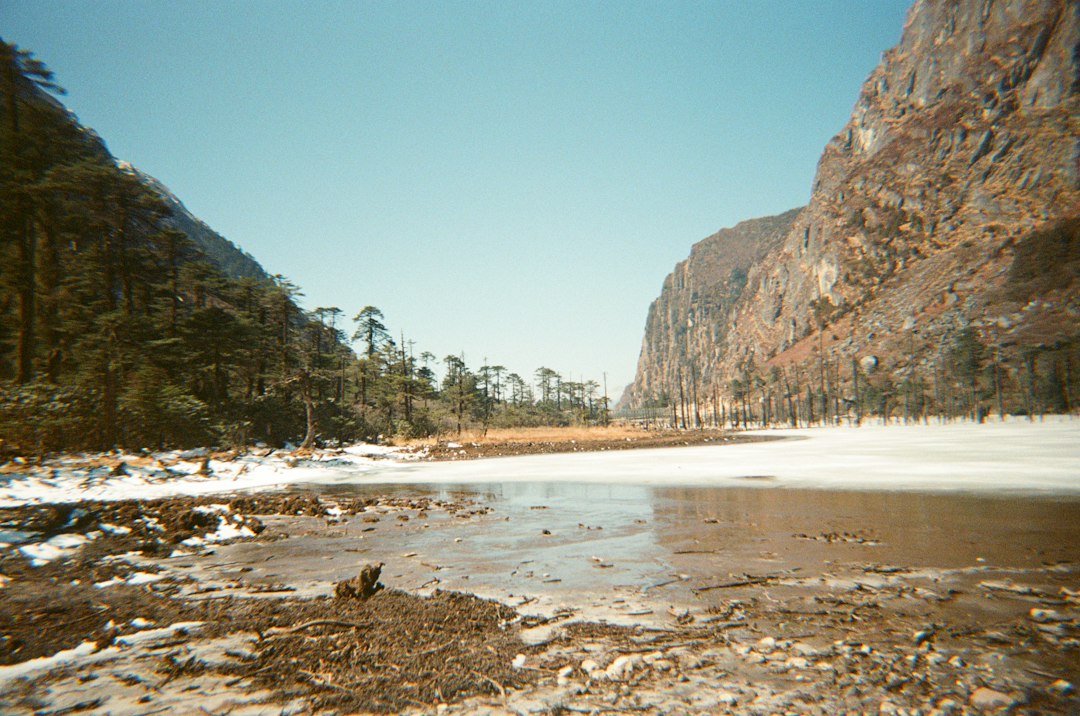
The icy winds howled, a constant companion to the stark beauty of a Pleistocene world. For early humans, survival in these frozen wildernesses was not a matter of chance, but of profound knowledge and ingenious adaptation. The vast expanses of ice and snow that characterized glacial periods presented formidable barriers, yet prehistoric peoples not only navigated these challenging terrains but thrived within them, developing sophisticated strategies for safe passage. Understanding how they achieved this mastery offers a fascinating glimpse into the resilience and resourcefulness of our ancient ancestors.
Understanding the Perils of the Frozen Frontier
The dangers inherent in crossing frozen wilderness were multifaceted. Open water, often hidden beneath deceptively solid-looking ice, posed a constant threat of drowning. Deep snowdrifts could disorient and trap the unwary, leading to exhaustion and hypothermia. Navigating by day offered visibility, but the biting cold remained an ever-present menace. At night, the darkness amplified these risks, turning the familiar landscape into an alien and perilous realm. The sheer scale of these frozen expanses meant that a misstep could have fatal consequences, underscoring the critical importance of careful planning and execution. Prehistoric peoples, lacking modern navigational tools or protective gear, relied on a deep, intuitive understanding of their environment, honed through generations of observation and experience. Their survival depended on an acute awareness of ice thickness, snow conditions, and the subtle cues of the natural world.
The Silent Threat of Thin Ice
The most immediate and deadly peril on a frozen path was undoubtedly thin ice. Prehistoric hunters and travelers faced vast lakes, rivers, and even shallow seas that froze over during colder periods. The ability to discern safe passage across these frozen surfaces was a life-or-death skill. Unlike modern individuals who might rely on ice augers or sonar, early humans had to employ keen observational skills and a nuanced understanding of ice formation and its properties. They understood that ice thickness varied dramatically depending on water depth, currents, and temperature fluctuations. A frozen body of water was not a monolithic entity but a dynamic surface with hidden weaknesses.
Predicting Ice Strength Through Visual Cues
Prehistoric peoples learned to read the visual indicators of ice strength. New ice, forming in colder temperatures, tended to be clearer and harder than older, warmer ice, which might appear opaque and milky. Cracks, even small ones, were a clear warning sign. They would observe the presence of bubbles within the ice; larger bubbles often indicated areas where the ice was thinner or had refrozen after melting. The color of the ice was another crucial factor. Darker patches often signified areas of thinner ice, perhaps where unfrozen water was still visible beneath the surface, or where melting had begun. The presence of snow on the ice also presented a dual challenge: it could insulate the ice, slowing down further freezing, and it could obscure subtle changes in the ice’s surface that might indicate weakness.
The Sound of Safety and Danger
Beyond visual cues, sound played a vital role in assessing ice safety. When walking on ice, a cracking or popping sound was a definitive signal of imminent danger. Prehistoric individuals would have listened intently to the subtle groans and creaks of the ice beneath their feet. A solid, stable ice surface would produce a dull thud or no sound at all when stepped upon. They likely developed a rhythmic gait, spreading their weight as much as possible, and moving with a measured pace rather than a hurried stride. In areas where the ice was suspected to be weaker, such as near inlets or where rivers entered a lake, they might have used long sticks to probe the ice ahead of them, testing its stability before committing their full weight. This careful, systematic approach, relying on both sight and sound, was essential for safe passage over these treacherous frozen waterways.
The Deceptive Embrace of Deep Snow
While ice posed a direct threat of submersion, deep snow presented a more insidious danger: entrapment, exhaustion, and exposure. Prehistoric peoples encountered landscapes blanketed in snow for extended periods, transforming familiar terrain into an alien and disorienting environment. Navigating these snow-laden expanses required a different set of skills and knowledge, focusing on energy conservation and route optimization. The sheer depth of the snow could make movement incredibly difficult, and the lack of visual landmarks could lead to getting lost, especially during blizzards or periods of low visibility.
Mastering Movement Through Snow
Efficient movement through deep snow was paramount. Prehistoric peoples likely developed specific walking techniques to conserve energy. This might have involved a shuffling or gliding motion, rather than lifting their feet high with each step, which would be more energy-intensive. They would also have sought out existing tracks or paths left by animals, recognizing that these animals had already identified the most traversable routes. The use of snowshoes, crafted from materials like animal hides stretched over bone or wooden frames, would have been a significant advantage, distributing their weight over a larger surface area and preventing them from sinking too deeply into the snow. While direct archaeological evidence for prehistoric snowshoes is scarce, the logical necessity for such tools in deep snow environments makes their existence highly probable.
Recognizing and Avoiding Snow Drifts
Snowdrifts, formed by wind accumulation, presented particularly dangerous obstacles. These irregular mounds of compacted snow could be deceptively deep and unstable, capable of engulfing a person entirely. Prehistoric travelers would have learned to identify the signs of drift formation, such as patterns in the snow surface or the way wind sculpted the landscape. They would have actively avoided areas known for heavy drift accumulation, opting for more open or sheltered routes. If forced to cross a drifted area, they would have proceeded with extreme caution, probing ahead with a staff or a similar tool to gauge the depth and stability of the snow. The ability to read the subtle contours and textures of the snow surface was crucial in distinguishing safe passage from a potentially fatal entrapment.
Prehistoric people faced immense challenges when crossing dangerous frozen wilderness paths, relying on their ingenuity and adaptability to navigate the treacherous terrain. Their survival strategies were crucial for migration and trade, as they sought resources in harsh environments. For a deeper understanding of how climate and environmental changes influenced human movement in these icy landscapes, you can explore the article on Greenland’s climate history through ice cores, which sheds light on the conditions that prehistoric peoples encountered. You can read more about it here: Uncovering Greenland’s Climate History Through Ice Cores.
Innate Navigation: Reading the Frozen Landscape
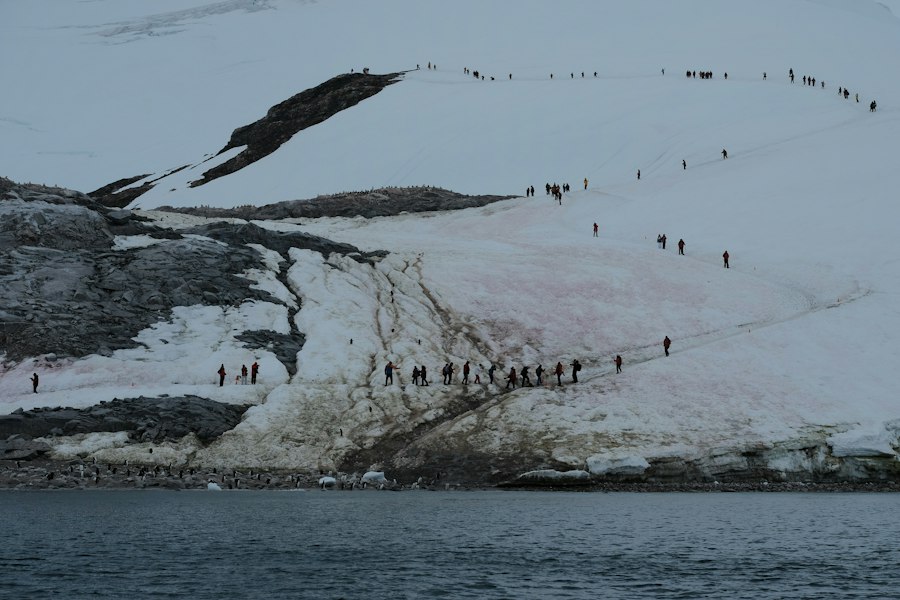
In the absence of compasses or GPS, prehistoric peoples possessed an astonishing capacity for navigation, drawing on a deep and intuitive understanding of the natural world. Their ability to orient themselves across vast, featureless frozen expanses relied on a complex interplay of environmental cues, sensory perception, and learned knowledge. This was not a passive observation but an active engagement with the landscape, interpreting subtle shifts in wind, light, and terrain to chart a course.
The Sun, Stars, and Shadowy Guides
Celestial bodies provided crucial navigational aids, particularly during extended journeys. The sun, during the day, offered a consistent, albeit shifting, directional reference. Prehistoric individuals would have understood the sun’s arc across the sky, correlating its position with cardinal directions. They likely used the length and direction of shadows cast by prominent features – trees, rocks, or even their own bodies – to maintain their bearing.
As night fell, the stars became indispensable guides. They understood the patterns of constellations and the predictable movement of celestial bodies. The Pole Star (Polaris) in the Northern Hemisphere, remaining relatively stationary in the sky, would have been a vital anchor point for orientation. Observing the rising and setting points of other stars offered further directional information. They might have used prominent mountain peaks or other distant landmarks visible in the starlight, remembering their relative positions and using them as waypoints. This intimate knowledge of the night sky, passed down through generations, allowed them to traverse even the darkest nights with a degree of confidence.
The Whispers of Wind and Water
The wind was a constant force shaping the frozen wilderness, and prehistoric peoples learned to interpret its subtle language. Prevailing wind directions, identifiable by snow deposition patterns and the sculpting of ice formations, offered a consistent directional cue. They would have noted how snow accumulated on the leeward side of obstacles and how ice formations often reflected the dominant wind patterns. This understanding allowed them to orient themselves even in the absence of other visual references.
Water sources, even when frozen, also provided navigational clues. Rivers and streams, with their predictable flow patterns, often carved distinct valleys or channels through the landscape. While crossing them was hazardous, the presence of a frozen river indicated a linear feature that could be followed, either upstream or downstream, towards known settlements or hunting grounds. The direction of ice floes, if present, could also provide hints about water currents and thus directional flow. Even the subtle differences in the landscape associated with water bodies, such as variations in vegetation or terrain, could serve as navigational markers.
The Language of Landforms and Life
Beyond the celestial and atmospheric, the very contours of the land provided a rich tapestry of navigational information. Prominent geological features – mountain ranges, distinctive rock formations, valleys, and even the outlines of coastlines – served as large-scale landmarks. Prehistoric travelers would have memorized these features, recognizing their relative positions and distances, and using them to orient themselves over long distances. They would have developed mental maps of their territories, incorporating these visual cues.
Furthermore, the distribution of flora and fauna offered crucial clues. Certain plant species thrived in specific microclimates or soil conditions, providing indicators of direction or proximity to sheltered areas. The migratory patterns of animals, themselves adapting to the frozen environment, also offered navigational insights. Following game trails, for instance, often led to water sources or provided access to easier terrain. Observing the behavior of animals, such as their tendency to seek shelter from prevailing winds, could also offer directional guidance. This holistic approach, integrating an understanding of geology, botany, and zoology, was fundamental to their ability to navigate the vast and often unforgiving frozen wilderness.
Essential Tools and Improvised Gear
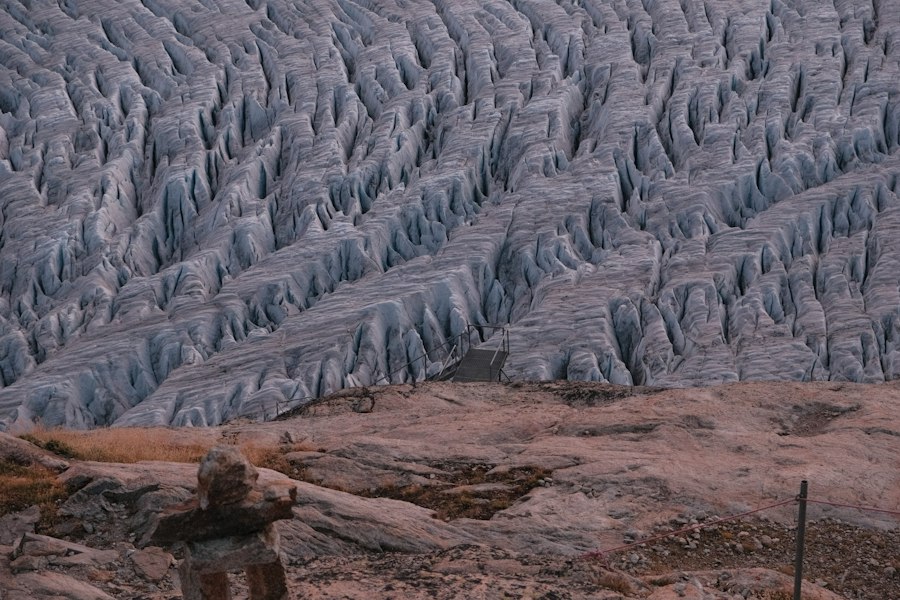
The successful crossing of frozen wildernesses by prehistoric peoples was not solely dependent on their innate skills; it was also facilitated by a range of practical tools and ingenious adaptations of natural materials. While they lacked the sophisticated equipment of modern explorers, their resourcefulness in crafting and utilizing tools was remarkable. These were not mere conveniences but essential aids that significantly enhanced their safety and efficiency in harsh environments.
Footwear for the Frozen Terrain
The most crucial piece of equipment for traversing snowy and icy landscapes was appropriate footwear. Ordinary footwear, if any, would have been entirely inadequate for preventing the feet from freezing and sinking into deep snow. The development of specialized footwear was a critical innovation. While direct archaeological evidence is scarce, logical deduction points towards the widespread use of some form of snowshoe. These likely consisted of a frame, possibly made from flexible wood or bone, strung with animal hides or sinew. The broad surface area of these “snowshoes” would have distributed the wearer’s weight, allowing them to walk on top of the snow rather than sinking into it.
Beyond snowshoes, other forms of foot protection were vital. Animal hides, particularly those from large mammals like mammoths or reindeer, would have been tanned and shaped into warm, waterproof boots or moccasins. These would have been insulated with layers of fur or dried grasses to provide warmth and wick away moisture. The precise construction would have varied depending on local resources and traditions, but the underlying principle remained the same: to create a barrier against the extreme cold and to provide secure footing on slippery or uneven surfaces. The ability to maintain warm, dry feet was paramount in preventing frostbite and hypothermia, making footwear a cornerstone of survival.
The Staff: A Versatile Companion
A simple yet incredibly versatile tool for navigating frozen environments was the staff. Carried by many prehistoric individuals, this long, sturdy pole served multiple crucial functions. Primarily, it was used as a probing device to test the thickness and stability of ice before crossing. By repeatedly tapping the ice ahead, they could detect weak spots or hidden cracks, avoiding dangerous falls.
The staff also provided an essential source of balance and support when walking on uneven or slippery surfaces, whether that be icy ground, treacherous snow drifts, or steep inclines. It allowed travelers to maintain their equilibrium, reducing the risk of falls and injuries. In deep snow, the staff could be used to push down and clear a path, or to help propel oneself forward, acting as a sort of primitive snowshoe in its own right, albeit less effective than a dedicated device. For those who might have stumbled, the staff could be used to catch themselves or to lever themselves back to their feet. Its presence on expeditions into frozen wildernesses would have been as indispensable as any other specialized equipment.
Clothing: The Protective Embrace of Nature
The clothing worn by prehistoric peoples was not merely decorative; it was a sophisticated system of protection against the elements, meticulously crafted from the available natural resources. Animal hides and furs formed the primary building blocks of their apparel. The layered nature of their clothing was particularly important. Multiple layers of fur and hide trapped air, creating an insulating barrier against the biting cold.
Mammoth hides, with their thick, shaggy fur, would have been particularly prized for outer garments, providing excellent protection against wind and snow. Smaller animals like reindeer, arctic fox, and rabbit provided dense, warm furs for inner linings and smaller accessories. The natural water-repellent properties of many furs also helped to keep wearers dry in damp or snowy conditions.
Beyond furs, plant fibers, though less common in extremely cold regions, might have been incorporated into clothing for their insulating or binding properties. The design of their garments would have focused on functionality: loose-fitting to allow for movement and trapping insulating air, with hoods and often mittens or gloves to protect extremities, which are most vulnerable to frostbite. The ability to repair and maintain this clothing would have been a critical survival skill, ensuring that their protective layer remained intact throughout their journeys.
Collaborative Efforts and Social Strategies
Survival in harsh environments often hinges on more than individual prowess; it relies on effective cooperation and well-established social structures. Prehistoric peoples understood the power of numbers and the benefits of shared knowledge and resources when venturing into frozen wildernesses. Their crossings were likely often communal efforts, where collective strength and coordinated strategies significantly increased their chances of success and survival.
The Power of the Group in Navigating Danger
When undertaking journeys across frozen terrains, the benefits of traveling in groups were manifold. A group could share the burden of carrying supplies and equipment, allowing individuals to travel lighter and conserve energy. The collective vigilance of a group was far more effective than that of a lone individual in spotting potential dangers like thin ice or approaching blizzards. If one member faltered, others were present to offer assistance, preventing a potentially fatal accident.
Furthermore, group travel provided a crucial psychological advantage. The isolation and vastness of frozen landscapes could be daunting. Traveling with others offered companionship, shared purpose, and a sense of security. In the event of an emergency, a group could pool their knowledge and skills to find a solution. For example, if someone became injured, others could help transport them or devise a plan for their care. The shared experience of overcoming challenges forged stronger social bonds and reinforced the importance of community for survival.
Sharing Knowledge and Experience
The transmission of knowledge about safe crossing techniques was a vital aspect of prehistoric social strategy. Elders and experienced hunters would have passed down their accumulated wisdom to younger generations through observation, demonstration, and storytelling. This informal education ensured that critical survival skills were not lost. Knowledge about the best times of year to travel, the most reliable routes, the locations of safe resting places, and the signs of impending danger would have been meticulously preserved and shared within the community.
This shared knowledge extended beyond mere survival techniques to include an understanding of the broader ecosystem. Knowledge of animal behavior, plant life, and seasonal changes provided a contextual framework for safe travel. For instance, understanding when certain waterways were most likely to be frozen solid, or when migratory animals would be present along particular routes, was invaluable information for planning expeditions. This collective wisdom, cultivated and disseminated within the group, represented a powerful form of adaptive intelligence that was essential for navigating the unpredictable frozen wilderness.
Establishing Networks and Trade Routes
The frozen wildernesses were not always perceived as insurmountable barriers, but rather as pathways that connected different communities. Over time, prehistoric peoples established established routes and networks for trade and communication. These were not formal, marked roads, but rather well-trodden paths, often following natural features like river valleys or mountain passes, that were known and utilized by multiple groups.
These established routes facilitated the exchange of goods, ideas, and genetic material between communities. The existence of these networks meant that travelers were not venturing into entirely unknown territory. They could rely on the knowledge of local groups at different points along the route, finding shelter, food, and guidance. The development of these inter-community connections, built upon generations of safe passage and mutual reliance, transformed the seemingly impenetrable frozen wilderness into a traversable landscape, enabling the spread of human populations and the development of complex social and economic systems.
Prehistoric people faced immense challenges as they navigated dangerous frozen wilderness paths, relying on their ingenuity and resilience to survive harsh conditions. Their ability to adapt to the environment is a fascinating topic that sheds light on early human migration and survival strategies. For a deeper understanding of how climate influenced these ancient journeys, you can explore this insightful article on uncovering ancient climate steering secrets. This resource provides valuable information on the environmental factors that shaped the paths taken by our ancestors.
The Legacy of Frozen Pathfinders
| Method | Description | Materials Used | Advantages | Challenges |
|---|---|---|---|---|
| Snowshoeing | Using large, flat footwear to distribute weight over snow | Wooden frames, animal sinew, rawhide, and leather | Prevents sinking into deep snow, improves mobility | Requires skill to make and use effectively |
| Sleds and Toboggans | Dragging loads or people over snow and ice | Wood, bone, animal hides | Efficient transport of goods and people over long distances | Needs smooth surfaces and sometimes animal or human power |
| Ice Walking Techniques | Careful foot placement and use of natural terrain features | Natural terrain, sometimes sharpened sticks for balance | Allows safe crossing of slippery ice without specialized tools | High risk of slipping and falling through thin ice |
| Use of Animal Companions | Riding or leading animals adapted to cold environments | Reindeer, dogs, horses | Increased speed and carrying capacity | Requires domestication and care of animals |
| Route Planning and Seasonal Timing | Choosing safer paths and traveling during stable weather | Knowledge of environment and seasonal patterns | Reduces risk of accidents and exposure | Limited travel windows and requires experience |
The ability of prehistoric peoples to safely navigate frozen wildernesses stands as a testament to the extraordinary adaptability and ingenuity of humankind. Their mastery of these challenging environments was not a product of luck or advanced technology, but of deep knowledge, keen observation, practical innovation, and effective social organization. They understood the subtle language of ice and snow, the silent guidance of celestial bodies, and the practical utility of the natural materials at their disposal.
Their success in traversing these frozen frontiers laid the groundwork for the expansion of human populations into some of the most challenging environments on Earth. The routes they pioneered, often invisible to us today, represent the earliest forms of long-distance travel and connection between human communities. The knowledge they accumulated, passed down through generations, formed the bedrock of survival strategies that enabled our ancestors to not only endure but to thrive in a world shaped by ice. Studying their methods offers profound insights into the resilience of the human spirit and our enduring capacity to overcome even the most formidable natural obstacles, leaving an indelible legacy as the original pathfinders of the frozen world.

Life 20,000 Years Ago | When an Ice Age Wildfire Traps Your Primitive Family
FAQs
What methods did prehistoric people use to navigate frozen wilderness paths?
Prehistoric people likely used a combination of natural landmarks, celestial navigation, and oral traditions to navigate frozen wilderness paths. They would have relied on their knowledge of the terrain, seasonal changes, and the positions of the sun and stars to find their way.
What tools did prehistoric people have for crossing dangerous frozen terrains?
Prehistoric people utilized tools such as wooden sleds, snowshoes, and ice picks to traverse dangerous frozen terrains. These tools helped them move more efficiently over snow and ice, reducing the risk of injury and increasing their chances of survival.
How did prehistoric people protect themselves from the cold while traveling?
To protect themselves from the cold, prehistoric people wore layered clothing made from animal hides and furs, which provided insulation. They also built temporary shelters using available materials like snow, ice, and wood to shield themselves from harsh weather conditions during their travels.
What role did animals play in helping prehistoric people cross frozen landscapes?
Animals such as dogs were crucial for prehistoric people as they provided companionship, assistance in hunting, and helped pull sleds across snow and ice. Additionally, larger animals like reindeer or horses could be used for transportation, making it easier to navigate challenging terrains.
How did prehistoric people find food while crossing frozen wilderness?
Prehistoric people relied on their hunting and gathering skills to find food while crossing frozen wilderness. They hunted animals adapted to cold climates, such as seals and caribou, and gathered edible plants that were available during warmer months, often preserving food for winter travel.