
The Dawn of Dwellings: Tools Shaping Paleolithic Shelters
Early humans, faced with the relentless forces of nature, were compelled to seek and construct rudimentary shelters for survival. These shelters were not mere passive refuges but active constructions, born from an ingenuity that leveraged the available natural resources. The success of these early architects lay in their developing understanding of materials and their ability to fashion tools to manipulate them. The Paleolithic era, a vast expanse of time stretching from roughly 2.5 million to 10,000 years ago, witnessed the gradual evolution of both human intelligence and technological capability, directly influencing the complexity and effectiveness of their dwelling places. From the simplest of natural formations to more elaborate constructed environments, the tools and techniques employed by our ancestors paint a fascinating picture of their resourcefulness and adaptability. This article delves into the fundamental aspects of Paleolithic shelter building, exploring the crucial role of tools and the innovative techniques that allowed early humans to carve out havens in a challenging world.
Paleolithic communities utilized a variety of tools and techniques for shelter building, adapting to their environment to create safe havens from the elements and predators. They primarily relied on natural materials such as wood, stone, and animal hides, often using rudimentary tools like hand axes and scrapers to shape and assemble their shelters. For a deeper understanding of how early human strategies can inform modern practices, you might find it interesting to explore the article on safeguarding wealth against hyperinflation, which discusses the importance of building resilience in uncertain times. You can read it here: Strategies for Safeguarding Wealth Against Hyperinflation.
Materials of the First Architects
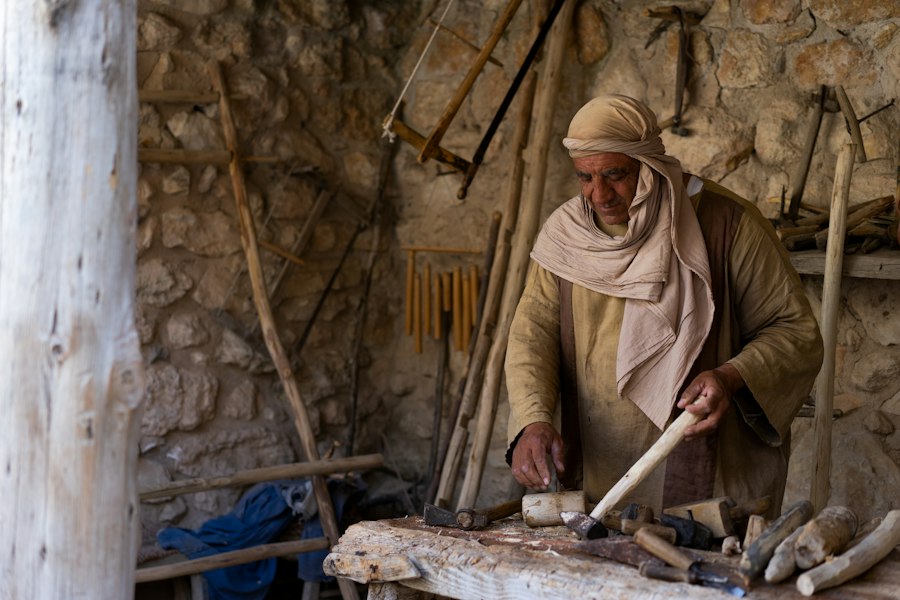
The selection of materials was paramount to the success of any Paleolithic shelter. Early humans were acutely aware of their surroundings, identifying resources that offered protection from the elements, predators, and temperature fluctuations. Their choices were dictated by geography, climate, and the specific needs of the group. The very act of observing and understanding these natural properties was a form of primitive engineering.
Utilizing Natural Formations: Caves and Rock Overhangs
Perhaps the most accessible and readily available form of shelter for early humans were natural geological features. Caves, with their inherent structural integrity, provided immediate protection from wind, rain, and snow. Rock overhangs offered a similar, albeit less enclosed, sanctuary. These were not simply occupied but often modified and improved to enhance their suitability.
The selection of a suitable cave involved an assessment of several factors. Proximity to water sources and game trails was crucial for sustenance. The orientation of the cave entrance also played a role; a south-facing entrance, for instance, would maximize solar gain in colder climates, providing passive heating. The presence of natural ventilation was important to prevent the buildup of smoke from fires and to maintain air quality. Furthermore, the cave needed to be defensible, offering a clear line of sight and limited entry points for potential threats.
While caves and overhangs provided a substantial starting point, early humans did not passively inhabit them. Evidence suggests that they actively modified these natural shelters. This could involve clearing debris, reinforcing entrances with stones or branches, and even creating distinct areas for sleeping, cooking, and tool making. The accumulation of archaeological material within these sites often reflects this ongoing occupation and modification process, with layers of ash, discarded tools, and animal remains attesting to their use over extended periods. The inherent stability of rock offered a significant advantage, requiring minimal technological intervention for basic shelter, thus allowing for a focus on other survival needs.
Gathering and Arranging Organic Materials: Wood and Vegetation
Beyond pre-existing structures, early humans learned to harness the abundant organic materials provided by their environment. Trees, bushes, and grasses became essential building blocks for shelters. The ability to gather, transport, and arrange these materials was a testament to their growing organizational skills and the development of techniques for manipulation.
Wood, in its various forms, was a cornerstone of many constructed shelters. Branches, fallen logs, and even saplings could be used to form structural frameworks. These might be leaned against rock faces, interwoven to create walls, or used as upright supports for roofing. The strength and flexibility of different types of wood would have been understood through trial and error, with successful applications passed down through generations. The sheer quantity of wooden elements required for even a simple structure suggests a significant expenditure of energy and coordination in their collection.
Vegetation, including grasses, leaves, and reeds, served a vital purpose in insulation and weatherproofing. These materials could be packed densely into gaps in wooden frameworks to create windbreaks and retain heat. They were also used to thatch roofs, providing a barrier against rain and snow. The understanding of which plants offered the best insulation properties, or which ones were most resistant to decay, would have been a valuable form of ecological knowledge. The layering and packing of these organic materials would have been a painstaking process, requiring patience and a degree of skill to achieve effective protection.
Utilizing Stones and Earth: Foundation and Fortification
Stones and earth, while often part of natural shelters, were also actively employed by early humans to construct or augment their dwellings. The manipulation of these dense materials, however, required specific tools and techniques, marking a significant step in their construction capabilities.
Stones served multiple roles. They could be used to reinforce the base of shelters, providing stability and preventing erosion. Larger stones might form part of a wall structure, particularly in combination with wood or earth. The selection of appropriate stones, considering their size, shape, and weight, was crucial for building stable structures. The ability to move and position these stones, especially larger ones, would have necessitated coordinated effort and possibly the use of rudimentary levers or rollers.
Earth, in the form of mud, clay, or packed soil, was another versatile building material. When mixed with water and organic binders like straw or animal hair, it could form a durable and insulating material for walls and floors. This technique, akin to early adobe construction, would have provided excellent thermal mass, helping to regulate internal temperatures. The application of mud plaster to reinforce walls and seal gaps would have been a time-consuming but effective method of weatherproofing. Excavating into the earth to create pit dwellings also utilized the properties of soil for insulation and protection.
The Crafting of Tools: Enabling Construction
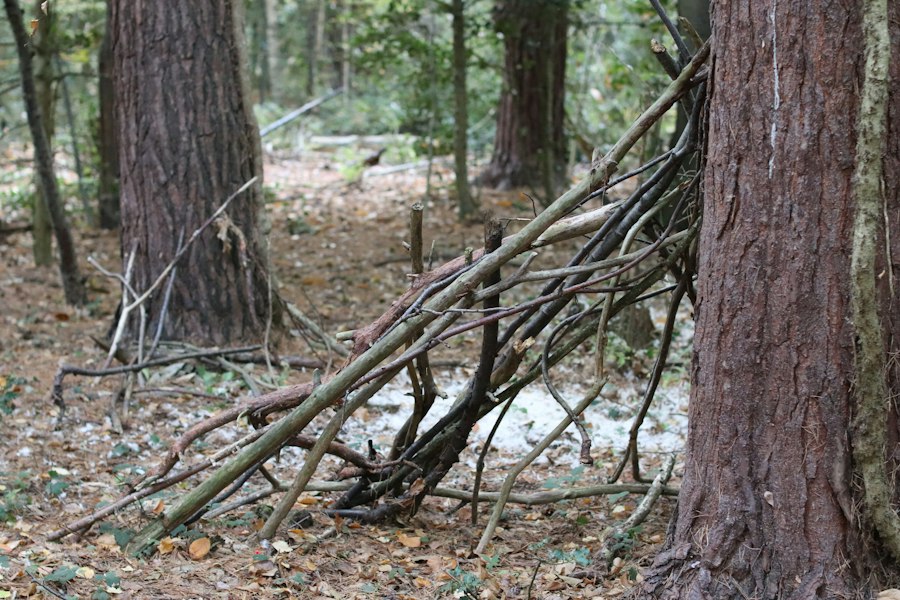
The construction of shelters, even rudimentary ones, was inextricably linked to the development of tools. The ability to chip stone, shape wood, and process other materials allowed early humans to overcome the limitations of their unaided hands. The evolution of toolkits mirrors the increasing complexity of their shelters, demonstrating a direct correlation between technological advancement and architectural innovation.
Lithic Technology: The Foundation of Early Toolmaking
Stone tools, or lithics, formed the backbone of the Paleolithic toolkit. The process of knapping, the art of striking one stone against another to create sharp edges and pointed forms, was a fundamental skill. These tools were not only used for hunting and processing food but were indispensable for shelter construction.
Percussion Flaking: This was the primary method for shaping stone tools. By striking a core stone (the piece from which flakes are removed) with a hammerstone (a harder stone), controlled fractures could be induced. This allowed for the creation of sharp-edged flakes that could be used as knives for cutting wood, stripping bark, or scraping hides. The precision required to achieve a desired shape and edge was learned through years of practice and observation. Different types of hammerstones – soft (like wood or bone) and hard (like other stone) – were used to control the nature of the fracture, allowing for finer retouching and shaping.
Pressure Flaking: A more refined technique, pressure flaking involved using a pointed tool (often made of bone or antler) to exert localized pressure on the edge of a stone tool, detaching small, precise flakes. This was used to sharpen edges, create serrations, or refine the overall form of a tool. This advanced technique indicates a sophisticated understanding of fracture mechanics and tool design.
Types of Stone Tools and Their Shelter Applications:
- Handaxes: Large, bifacially worked tools with a pointed tip and an oval or pointed base. These were versatile implements, capable of chopping, scraping, and digging. For shelter building, handaxes would have been used to clear ground, shape wooden poles by hacking and scraping, and potentially excavate small pits.
- Scrapers: Tools with a convex, sharp edge, designed for scraping. These would have been crucial for stripping bark from branches, smoothing wooden surfaces, and preparing hides that might have been used for roofing or insulation.
- Choppers: Tools with a sharpened edge on one side of a core, used for heavy-duty chopping and breaking. These would have been effective for breaking larger branches or splitting smaller logs.
- Awls and Drills: Although more finely made, pointed tools, often made from bone or antler, were likely developed to create holes in materials. These could have been used to join wooden elements together with lashing, or to pierce hides for fastening.
The creation of stone tools was a resource-intensive process, requiring the identification of suitable lithic materials, often transported from considerable distances. The wear patterns on these tools provide archaeologists with invaluable insights into their specific uses, including evidence of woodworking, scraping of animal hides, and even digging into the earth.
Woodworking and Bone Tools: Shaping and Binding
While stone tools were essential for initial shaping, woodworking tools made from organic materials played a critical role in the finer aspects of shelter construction and modification. Bone, antler, and wood itself were fashioned into implements that allowed for more delicate manipulation of materials.
Bone and Antler Tools: These materials, often byproducts of hunting, were readily available and possessed properties that made them suitable for toolmaking.
- Awls: Sharpened bone or antler points were used to pierce holes in hides, wood, or other materials. This would have been essential for joining different parts of a shelter, perhaps by lashing them together with plant fibers or sinew.
- Beams and Gouges: Flattened or hollowed bone and antler tools could have been used for scraping, carving, and hollowing out wood. This might have been employed to create smoother surfaces, joinery, or to shape wooden components for more intricate constructions.
- Needles: The development of bone needles, with their characteristic eye, would have allowed for more sophisticated sewing and the creation of tightly woven mats or reinforced coverings for shelters.
Wooden Tools: While less likely to survive archaeologically due to their perishable nature, it is highly probable that early humans also fashioned tools from wood.
- Digging Sticks: Simple sharpened sticks, perhaps fire-hardened at the tip, would have been invaluable for excavating the earth for pit dwellings or for digging out foundations.
- Levers and Rollers: Longer, sturdy branches could have been used as levers to move heavy stones or logs, and rounder branches as rollers to facilitate the transport of larger materials.
- Mallets and Pounders: Fire-hardened wooden implements could have served as hammers for driving stakes into the ground or for pounding earth into a compacted surface.
The combination of lithic tools for rough shaping and organic tools for finer manipulation and joining enabled early humans to move beyond simple shelters and begin constructing more complex and durable dwellings. The ingenuity lay not only in the design of the tools but also in the understanding of how to use them in concert with natural materials.
Fire as a Tool: Hardening and Shaping
The control of fire was one of the most significant technological advancements of the Paleolithic era, and its application extended beyond cooking and warmth to encompass shelter construction. Fire could be used to modify materials in ways that were impossible with stone or bone tools alone.
Hardening Wood: By exposing wooden implements, such as digging sticks or spear points, to fire, their tips could be hardened. This process made them more durable and effective for tasks like digging into harder soils or piercing tougher materials. The deliberate charring of wooden stakes would have increased their longevity when used as structural supports.
Shaping by Burning: In some instances, fire might have been used to shape wood through controlled burning. This could have involved carefully burning away unwanted material to create specific forms or to weaken structures for easier dismantling. While less common, the ability to char and weaken materials demonstrates a nuanced understanding of fire’s destructive and constructive potential.
Clearing Land: The controlled use of fire could also have been employed to clear vegetation, making it easier to access building materials or to create a more open space for a settlement. This practice, however, would have required careful management to prevent uncontrolled fires.
The integration of fire into the construction process highlights the holistic approach of early humans, utilizing all available resources and knowledge to create a habitable environment. The mastery of fire not only provided comfort and safety but also served as a powerful tool for shaping the very structures that protected them.
Ingenuity in Assembly: Building Techniques
The tools were only one part of the equation; the techniques employed by early humans to assemble their shelters were equally crucial. These techniques, developed through observation, experimentation, and cultural transmission, allowed them to transform raw materials into functional dwellings. The principles of structural integrity, insulation, and protection from the elements guided their building practices.
Interlocking and Lashing: Creating Structural Frameworks
The creation of stable frameworks was fundamental to constructing more complex shelters. Early humans developed methods for joining wooden elements together securely, ensuring the longevity and resilience of their constructions.
Interlocking Joints: While perhaps not as sophisticated as later joinery, evidence suggests that early humans understood basic principles of interlocking. Branches might have been notched or fitted together in ways that provided a degree of stability. For instance, upright poles could have been slotted into carefully placed stones, or horizontal beams might have been secured into pre-cut grooves. The emphasis was on creating a stable base and a strong skeleton upon which walls and roofs could be built.
Lashing with Natural Fibers: The development of techniques for binding materials together was a critical step. Plant fibers, such as bark strips, grasses, or vines, were likely twisted or braided to create cords and ropes. Sinew from animals, once dried and processed, would have also provided strong binding material. These lashings would have been used to secure joints in wooden frameworks, attach roofing materials, and reinforce walls. The strength and durability of the lashings would have been a key factor in the overall stability of the shelter. Archaeological finds of preserved cordage, though rare, offer direct evidence of these practices.
Thatching and Sealing: Weatherproofing the Dwelling
Once a structural framework was established, the next challenge was to make the shelter resistant to the elements. Thatching and sealing techniques were employed to create barriers against wind, rain, and snow.
Layering of Vegetation: Grasses, reeds, and leaves were gathered in large quantities and layered onto the framework to create a waterproof and insulating roof. The angle of the roof was important; a steeper pitch would allow water to run off more effectively. The density of the thatch also played a role in its effectiveness. Multiple layers, packed tightly, would have provided better protection.
Mud Plaster and Insulation: For shelters with more solid walls, mud plaster was a common technique. A mixture of clay, water, and organic binders like straw or animal hair was applied to the walls, filling gaps and creating a smooth, weather-resistant surface. This not only provided protection from the wind but also offered significant thermal insulation, helping to keep the interior warm in winter and cool in summer. The process of creating and applying mud plaster would have been labor-intensive, requiring a consistent supply of suitable clay and water.
Animal Hides and Mats: In some instances, animal hides, carefully prepared and tanned, might have been stretched over frameworks or used to cover openings, providing an additional layer of protection. Woven mats, made from grasses or reeds, could also have been used as roofing, wall coverings, or floor insulation. The specific materials used would have been dictated by local availability and the climate.
Pit Dwellings and Earth Shelters: Harnessing the Ground
An ingenious method of shelter construction involved utilizing the insulating properties of the earth itself. Pit dwellings, excavated into the ground, offered natural protection from extreme temperatures and strong winds.
Excavation and Lining: Pit dwellings involved excavating a hole in the ground, often with a somewhat rectangular or circular shape. The excavated earth could then be used to build up walls around the rim of the pit, creating a more substantial structure. The floor of the pit would be leveled and compacted, perhaps lined with packed earth or animal skins for comfort and insulation.
Roofing and Entrance: The roofing of pit dwellings varied. Some might have been covered with a simple framework of branches and thatch, while others might have incorporated more substantial wooden beams. An opening would be left for an entrance, which could be covered with a hide or a woven mat to retain heat. The underground nature of these dwellings provided excellent thermal stability, keeping them relatively warm in winter and cool in summer with minimal reliance on fire for heating.
The construction of pit dwellings required tools for excavation, such as digging sticks and potentially stone picks. The ability to plan and execute the excavation, as well as to construct a stable roof, demonstrates a sophisticated understanding of structural principles and material properties.
Paleolithic communities utilized various tools and techniques for shelter building, often relying on natural materials such as wood, stone, and animal hides. These early humans crafted simple structures that provided protection from the elements and predators, showcasing their adaptability and resourcefulness. For a deeper understanding of how environmental factors influenced these communities, you might find the article on geological evidence in Antarctica particularly insightful, as it explores how climate and geography shaped human development. You can read more about it here.
Evolutionary Adaptations: Shelter in Diverse Environments
| Tool | Material | Purpose | Usage | Notes |
|---|---|---|---|---|
| Stone Hand Axes | Flint, chert, obsidian | Cutting wood and shaping materials | Used to cut branches and shape wooden supports | Essential for preparing structural elements |
| Bone Needles | Animal bones | Sewing hides and binding materials | Used to stitch animal skins for coverings | Helped create waterproof shelter coverings |
| Wooden Spears and Poles | Wood | Framework construction | Used as structural supports for shelters | Often combined with other materials for stability |
| Fire | Wood, stones | Hardening tools and warmth | Used to harden wooden tools and provide heat | Also used to clear areas for building |
| Animal Skins | Hides from hunted animals | Covering and insulation | Used as walls or roofing material | Provided protection from weather |
The Paleolithic era spanned vast geographical regions with incredibly diverse climates. The shelters constructed by early humans were not static but evolved to suit the specific environmental challenges of their surroundings. This adaptability is a hallmark of human ingenuity and underscores the practical application of their developing technologies and building techniques.
Cold Climates: Insulation and Heat Retention
In regions experiencing prolonged periods of cold, the primary concern for shelter was heat retention. Early humans developed sophisticated strategies to minimize heat loss and maximize the warmth generated by fires.
Thick Insulation: The extensive use of natural insulation materials was paramount. This included packing large quantities of dried grasses, leaves, and moss into the walls and roofs of shelters. The creation of multiple layers of these materials provided a buffer against the cold.
Reduced Surface Area: The design of shelters in cold climates often focused on minimizing the exterior surface area relative to the interior volume. This helped to reduce the rate at which heat could escape. Smaller, more compact shelters were therefore advantageous.
Windbreaks and Entrances: Strategic placement of shelters to take advantage of natural windbreaks, such as rock formations or dense vegetation, was crucial. Entrances were often designed to be small and could be easily sealed with hides or mats to prevent cold drafts from entering. The use of a vestibule or an antechamber could also help to trap heat.
Pit Dwellings: As mentioned previously, pit dwellings were particularly effective in cold climates due to the insulating properties of the earth. Their subterranean nature provided a consistent and stable internal temperature, significantly reducing the need for active heating.
Fire Management: The central role of fire in cold climates cannot be overstated. Shelters were designed to accommodate and safely utilize fires for heating. This often involved creating dedicated hearth areas and ensuring adequate ventilation to prevent smoke inhalation, while still retaining as much warmth as possible.
Warm Climates: Ventilation and Cooling
In contrast, shelters in warmer climates focused on providing shade, promoting airflow, and dissipating heat. The challenges were different, but the ingenuity in addressing them remained consistent.
Open Structures and Ventilation: Shelters in warm climates often featured more open designs, allowing for maximum air circulation. This could include simple lean-tos, open-sided huts, or shelters with large openings. The use of permeable roofing materials, such as thatched branches, would also allow heat to escape.
Shade and Sun Protection: Protection from direct sunlight was essential. Overhanging roofs, constructed from branches and leaves, provided crucial shade. Shelters might also be strategically located under the canopy of large trees to further enhance cooling.
Evaporative Cooling: While not consciously understood as such, the use of water in conjunction with shelters could have provided a rudimentary form of evaporative cooling. Dampening the ground around a shelter or using water-based building materials like mud could have helped to lower the ambient temperature through evaporation.
Relocation and Nomadism: In some very hot and arid environments, permanent shelters might have been less practical. Early humans may have relied more on temporary shelters, such as windbreaks made from branches or hides, and on the mobility to relocate to cooler areas during the hottest parts of the day or year.
The ability of Paleolithic humans to adapt their building strategies to vastly different environmental conditions highlights their deep understanding of their surroundings and their capacity for innovation. Their shelters were not just static structures but dynamic responses to the challenges and opportunities presented by their world.

Life 20,000 Years Ago | When an Ice Age Wildfire Traps Your Primitive Family
FAQs
What materials did Paleolithic communities use for building shelters?
Paleolithic communities primarily used natural materials available in their environment for building shelters. Common materials included wood, stone, animal hides, and grasses. They often utilized branches and logs to create frameworks and covered them with leaves or animal skins for insulation and protection from the elements.
What tools did Paleolithic people use to gather materials for shelters?
Paleolithic people used a variety of stone tools to gather materials for their shelters. These included hand axes, chisels, and scrapers made from flint or other hard stones. These tools were essential for cutting wood, shaping materials, and processing animal hides.
How did Paleolithic communities construct their shelters?
Paleolithic communities constructed their shelters by first selecting a suitable location, often near water sources or in caves. They would then create a framework using sturdy branches or logs, which were secured in place. The framework was then covered with available materials like leaves, grass, or animal skins to provide insulation and protection from weather conditions.
What types of shelters did Paleolithic communities build?
Paleolithic communities built various types of shelters, including temporary structures like tents made from animal hides and more permanent dwellings such as huts made from wood and stone. Some groups also utilized natural formations like caves for shelter, which provided additional protection from predators and harsh weather.
Did Paleolithic shelters vary by region?
Yes, Paleolithic shelters varied significantly by region due to differences in climate, available materials, and lifestyle. For example, communities in colder regions might build more insulated structures using thicker materials, while those in warmer climates might opt for lighter, more open shelters. This adaptability allowed them to thrive in diverse environments.