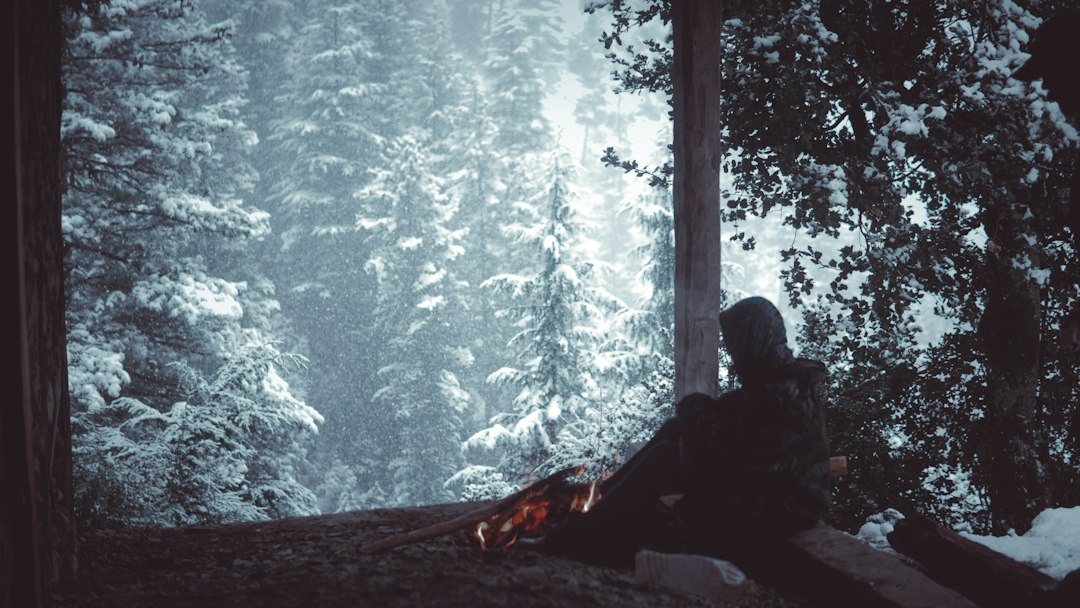
The biting winds howled, carrying with them the sting of ice and snow. Inside the rudimentary shelter, huddled figures watched the flickering flames of their precious fire. This was no ordinary campfire; it was a lifeline, a beacon against the relentless onslaught of winter. For our ancient ancestors, the ability to maintain a fire through the harsh realities of a winter storm was not merely a matter of comfort, but a testament to their ingenuity, their deep understanding of the natural world, and their sheer will to survive.
The Essential Role of Fire in Prehistoric Winters
Fire was far more than a source of warmth. It was a multifaceted tool that allowed early humans to thrive in environments where survival would otherwise have been impossible. During the long, dark winters, its importance was magnified exponentially. Without fire, the chilling embrace of sub-zero temperatures would have quickly sapped the life force from even the most resilient individuals.
Beyond Mere Warmth: The Multifaceted Benefits of Fire
The immediate and most obvious benefit of fire was its capacity to generate heat. This was crucial for preventing hypothermia, especially during prolonged periods of extreme cold. Imagine a small band of humans, inadequately clothed in animal skins, facing a blizzard that entombed their world in white. The hearth was their sanctuary, a small pocket of life against the encroaching frost. Beyond personal warmth, fire played a vital role in making shelters habitable. By heating stones and radiating warmth, it could transform a drafty cave or a simple lean-to into a more comfortable and survivable space. This allowed for longer periods of rest and recovery, essential for maintaining energy levels in challenging conditions.
However, the utility of fire extended far beyond its thermal properties. It was a powerful tool for defense. Predators, whether lions, bears, or wolves, were often deterred by the sight and sound of a roaring fire. The flickering light, the crackling wood, and the smoke would signal human presence and create a barrier that most animals would wisely avoid, especially in the desolate quiet of a winter night. This protection was paramount, freeing communities from the constant threat of predation and allowing for a more secure existence.
Furthermore, fire revolutionized their diet. Raw meat and plants offered limited nutritional value and could carry dangerous pathogens. Cooking, made possible by fire, broke down tough fibers, killed harmful bacteria and parasites, and made nutrients more digestible and accessible. This dietary improvement was a significant factor in human evolution, contributing to brain development and overall health. During winter, when fresh food sources were scarce, preserved and cooked food became even more critical. Smoking and drying meats over a fire extended their shelf life, providing vital sustenance throughout the lean months.
The Psychological and Social Impact of Fire
The psychological impact of fire cannot be overstated. In the oppressive darkness of winter, the glow of a fire offered a profound sense of hope and security. It was a focal point, a gathering place around which stories were shared, knowledge was passed down, and social bonds were strengthened. This shared experience fostered a sense of community and belonging, crucial for collective survival. The rituals and routines surrounding fire maintenance would have been ingrained in their daily lives, creating a sense of order and predictability in an otherwise chaotic world. The very presence of the fire, a controlled element in a wild and untamed environment, offered a profound psychological comfort.
Ancient humans faced numerous challenges during winter storms, one of which was the need to keep fire alive for warmth and cooking. They developed various techniques to maintain their flames, such as using dry kindling, creating windbreaks, and employing specific fire-starting methods that ensured their fires would endure harsh conditions. For a deeper understanding of how ancient technologies influenced not only survival but also societal structures, you can read more in this related article: The Influence of Ancient Technology on Political Control.
The Art of Fire Creation and Maintenance
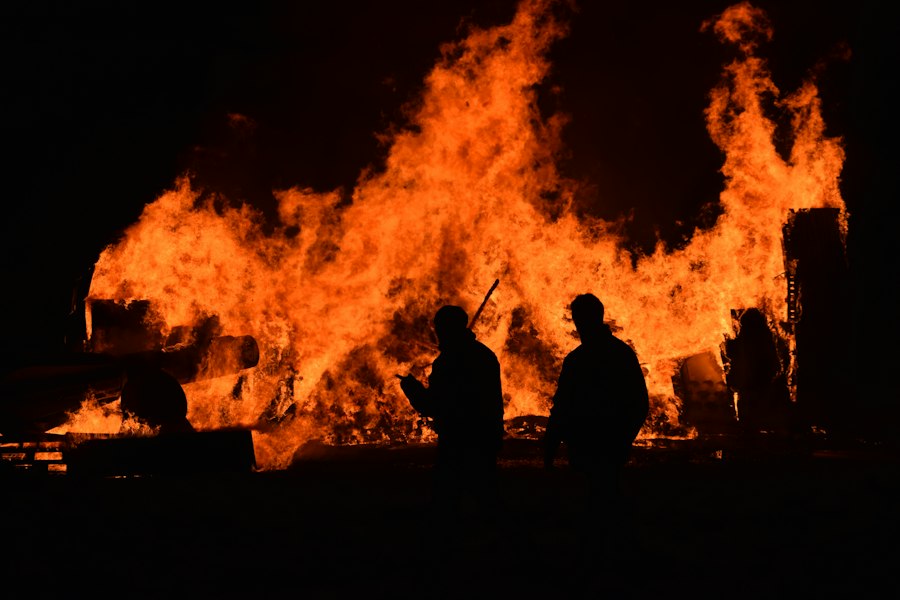
Establishing and sustaining a fire was a complex skill, honed through generations of observation and experimentation. It was an ongoing endeavor, demanding constant vigilance and a deep understanding of the available resources. The ability to successfully ignite and maintain a fire, especially in adverse weather, was a hallmark of a skilled individual or group.
Early Ignition Techniques: From Friction to Sparks
The earliest methods of fire ignition likely involved friction. Techniques such as the hand drill, where a spindle was rapidly rotated against a hearth board, or the bow drill, which utilized a bow to spin the spindle with greater force, were developed. These methods required specific types of wood, chosen for their dry, porous nature and their ability to generate enough heat through friction to ignite tinder. The process was labor-intensive and required considerable skill and practice. Success was not guaranteed, and in damp or windy conditions, it could be an agonizingly slow and frustrating undertaking.
Another significant advancement was the discovery and utilization of spark-generating materials. Certain stones, like flint and pyrite, when struck together, could produce sparks. These sparks, directed onto a highly combustible material, could initiate a flame. This method offered a potentially faster and more reliable way to start a fire, especially compared to friction methods alone. The careful selection of tinder was paramount. Charred cloth, finely shredded bark, or dried moss were excellent choices, capable of catching a spark and slowly nursing it into a flame. The process of “catching” the spark and gently blowing on the nascent ember to coax it into a visible flame was a delicate and critical step.
Strategic Fuel Gathering and Preservation
The availability of fuel was a constant concern, especially during winter when access to dry wood was severely limited. Our ancestors understood the importance of foresight and conservation. They would have meticulously gathered and stored wood throughout the warmer months, ensuring a substantial supply before the onset of winter. This stored wood needed to be kept dry, often in specially constructed shelters or elevated platforms to prevent it from becoming saturated by rain and snow.
The type of fuel was also critical. Different woods burned at different rates and produced varying amounts of heat. Softwoods like pine and fir, rich in resin, would burn quickly and intensely, providing a rapid burst of heat, while hardwoods like oak and maple would burn longer and more steadily, offering sustained warmth. A skilled fire keeper would have known how to manage these different fuel types, using fast-burning woods to get the fire going and then transitioning to slower-burning woods for endurance.
Tending the Flame: The Constant Vigilance
Maintaining a fire through a winter storm required continuous attention. The fire was never truly “left alone.” Someone was always on watch, monitoring its intensity, feeding it with fuel, and shielding it from the elements. This was a communal responsibility, with individuals taking turns to ensure the fire never died. A dying ember was a serious threat, potentially leading to a lost opportunity to reignite and a cold, dark night.
This constant tending involved more than just adding wood. It meant understanding the fire’s needs, recognizing when it was becoming too low or too high, and adjusting accordingly. It involved carefully arranging the fuel to optimize airflow and heat distribution. In the face of a blizzard, this vigilance became even more critical. If the wind threatened to extinguish the flames, shelters or windbreaks would be constructed around the hearth. If snow began to fall heavily, measures would be taken to prevent it from smothering the fire.
Adapting Shelters for Winter Fire Survival
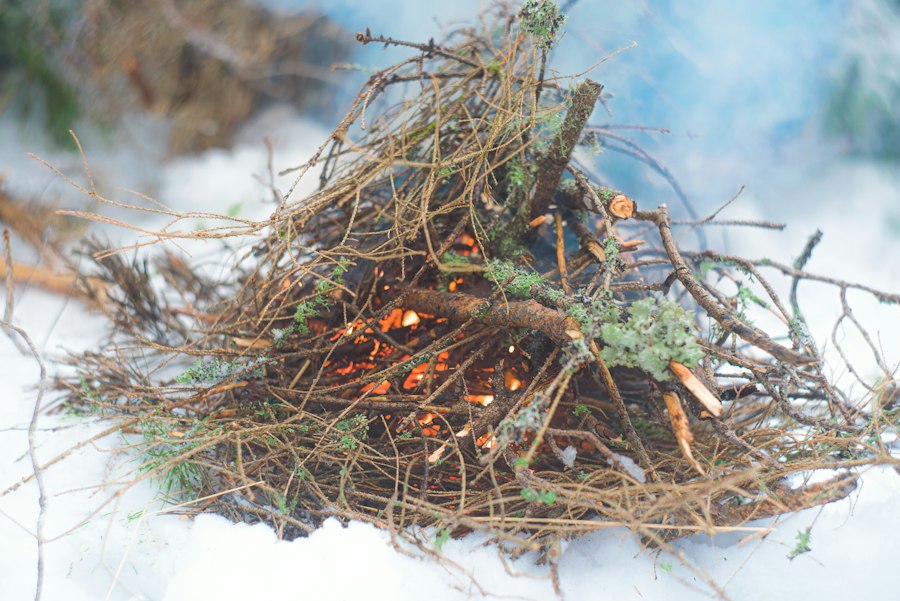
The design and location of shelters were intrinsically linked to the effective use and preservation of fire during winter. Our ancestors were not just building structures; they were engineering living spaces that maximized the benefits of their precious flames while mitigating the risks associated with them.
Cave Dwellings and Fireplace Construction
Caves provided a natural advantage. Their existing structures offered shelter from the wind and snow, and their inherent thermal mass could help retain heat. However, even in caves, improvements were made to accommodate fire. Chimneys or ventilation shafts were often created or enhanced to allow smoke to escape while minimizing the ingress of cold air. These were not sophisticated constructions by modern standards, but carefully chosen openings or enlarged natural fissures that served a vital purpose.
In open-air settlements, more elaborate measures were taken. Hearths were often built in protected areas, perhaps within a natural depression or surrounded by strategically placed stones. These stones would absorb and radiate heat, creating a warmer zone around the fire. Some shelters might have featured central hearths with a rudimentary roof structure designed to funnel smoke upwards. The materials used for building these shelters were often chosen for their insulating properties, such as packed earth, animal hides, and vegetation, all designed to work in conjunction with the fire to create a more comfortable microclimate.
Windbreaks and Protective Enclosures
The most direct threat to a fire during a winter storm was the wind. Ancient communities developed ingenious methods to create windbreaks. These could be simple walls constructed from stones, logs, or packed snow. In more permanent settlements, these windbreaks might have been integrated into the overall structure of the dwelling. The purpose was to disrupt the airflow that could rapidly cool embers and extinguish flames.
In some cases, more elaborate enclosures were built specifically to protect the fire. These could be small, stone-lined pits or even temporary structures erected during periods of extreme weather. The idea was to create a contained environment where the fire could burn more efficiently and be shielded from the damaging effects of strong winds and blowing snow. The careful placement of these windbreaks and enclosures demonstrated a deep understanding of how wind currents behaved and how to manipulate them to their advantage.
Managing Smoke and Airflow
While smoke was a necessary byproduct of fire, its accumulation within a shelter could be dangerous, leading to carbon monoxide poisoning. Therefore, effective ventilation was crucial. As mentioned, the creation of rudimentary chimneys or ventilation shafts was a key adaptation. These openings allowed for the continuous exchange of air, expelling smoke and drawing in fresh oxygen to fuel the fire.
The skilled management of airflow was also essential for efficient burning. Too much airflow could fan the flames to an uncontrollable degree or cause them to die down too quickly, while too little could lead to smoldering and incomplete combustion. Ancient peoples likely learned to adjust the placement of fuel and the size of openings to regulate the fire’s intensity, ensuring it burned effectively without becoming a hazard. This involved a constant interplay between the human-made structure and the natural forces of wind and fire.
Adapting Behaviors for Winter Fire Survival
Beyond the physical structures and tools, the survival of ancient communities during winter storms hinged on a profound shift in their daily behaviors and social dynamics. The presence of fire necessitated a communal approach to its care and a heightened awareness of its vulnerabilities.
Communal Fire Tending and Watch Schedules
The responsibility for maintaining the fire was rarely a solitary affair. During winter storms, it became a collective duty. Individuals would be assigned to “watch” duties, taking turns tending the fire throughout the night and day. This ensured that the fire never went unattended, especially during the most critical periods. These watch schedules fostered a strong sense of interdependence and reinforced the understanding that everyone’s survival depended on the continuous burning of the fire.
The communal nature of fire tending also provided opportunities for social interaction and skill-sharing. Younger members of the community would learn the intricacies of fire management from their elders, observing and participating in the careful process of adding fuel, clearing ashes, and shielding the flames. These moments around the hearth would have been invaluable for passing down knowledge and strengthening social bonds.
Resource Management and Conservation
The scarcity of resources during winter demanded a strict approach to conservation. This extended beyond fuel. Food and water also became precious commodities. The fire played a role in extending the shelf life of preserved foods and in purifying water through boiling. Every action was carefully considered to maximize efficiency and minimize waste.
The careful rationing of fuel was also a vital strategy. During periods of extreme cold or prolonged storms, the amount of fuel available might have been limited. This required thoughtful management, ensuring that the fire was kept at an optimal level to provide sufficient warmth without burning through precious reserves too quickly. This meant understanding the heat output of different fuels and the insulating properties of their shelters, making informed decisions about when and how much fuel to add.
Rituals and Symbolic Meanings of Fire
Fire held deep symbolic and perhaps spiritual significance for ancient peoples. It represented life, warmth, and protection. During the darkest and coldest months, these symbolic meanings would have been amplified. The rituals surrounding the lighting and tending of the fire likely reinforced its importance, transforming it from a mere tool into a revered entity.
The act of collectively tending the fire might have been accompanied by chants, songs, or storytelling, further solidifying its central role in their lives. The fire was not just a practical necessity; it was a cultural anchor, a source of comfort and reassurance in the face of overwhelming natural forces. The shared rituals would have fostered a sense of unity and resilience, helping communities to endure the hardships of winter with a shared sense of purpose.
Ancient humans faced numerous challenges during winter storms, one of which was the critical task of keeping fire alive to provide warmth and protection. They developed various techniques to ensure their flames did not extinguish, such as using dry materials and creating windbreaks. For a deeper understanding of how environmental factors influenced ancient survival strategies, you might find it interesting to read about the impact of famine on early societies in this related article. This exploration sheds light on the resilience of our ancestors in the face of harsh conditions.
Lessons Learned from Prehistoric Fire Keepers
| Method | Description | Effectiveness | Materials Used | Challenges Addressed |
|---|---|---|---|---|
| Fire Pit Construction | Digging pits or building stone rings to shield fire from wind and retain heat | High | Stones, earth, wood | Wind protection, heat retention |
| Use of Dry Kindling and Tinder | Gathering dry leaves, bark, and small twigs from sheltered areas to start and maintain fire | Medium to High | Dry leaves, bark, twigs | Ignition in wet conditions |
| Fire Maintenance by Adding Fuel Regularly | Consistent addition of wood to keep fire burning steadily | High | Wood logs, branches | Preventing fire from dying out |
| Use of Shelter Structures | Building shelters or windbreaks around fire to protect from snow and wind | High | Wood, animal hides, earth | Protection from elements |
| Fire Carrying Techniques | Transporting embers in insulated containers to restart fires quickly | Medium | Wooden containers, bark, moss | Fire preservation during travel |
| Use of Fat or Resin as Accelerants | Applying animal fat or tree resin to wood to help sustain flames | Medium | Animal fat, tree resin | Enhancing burn time and flame intensity |
The strategies employed by our ancient ancestors to keep fire alive during winter storms offer valuable insights into human ingenuity, resourcefulness, and the fundamental importance of community. Their understanding of the natural world, their meticulous planning, and their unwavering commitment to cooperation laid the groundwork for countless subsequent human achievements.
The Enduring Legacy of Foresight and Planning
The success of prehistoric communities in surviving winter storms was not a matter of chance; it was a testament to their ability to anticipate future needs and plan accordingly. The foresight required to gather and store fuel throughout the warmer months, to construct robust shelters, and to establish clear social protocols for fire maintenance is a fundamental lesson that resonates even today. This emphasis on long-term planning and preparation is a cornerstone of successful adaptation to environmental challenges.
The Power of Communal Effort and Interdependence
Perhaps the most profound lesson is the indispensable role of community. No single individual could have ensured the survival of the group during a severe winter storm. It was the collective effort, the shared responsibility, and the unwavering interdependence that made survival possible. This highlights the power of social cohesion and cooperation as essential elements for overcoming adversity. The fire, as a central communal resource, acted as a catalyst for this interdependence, demanding that individuals work together for their mutual benefit.
Innovation Driven by Necessity
The challenges posed by harsh winter environments undoubtedly spurred innovation. The development of more efficient fire-starting techniques, the refinement of shelter construction, and the creation of sophisticated methods for fuel management were all driven by the urgent necessity to survive. This demonstrates how environmental pressures can act as powerful catalysts for human creativity and technological advancement. The fires that flickered in ancient shelters were not just sources of warmth; they were beacons of human ingenuity, a testament to our species’ remarkable capacity to adapt and thrive against all odds.

Life 20,000 Years Ago | When an Ice Age Wildfire Traps Your Primitive Family
FAQs
How did ancient humans start fires during winter storms?
Ancient humans used various methods to start fires, including striking flint stones to create sparks, using friction techniques like the hand drill or bow drill, and utilizing natural fire sources such as lightning strikes. They often prepared dry tinder and kindling in advance to ensure they could ignite a fire even in adverse weather conditions.
What materials did ancient humans use to keep fires burning during storms?
To keep fires burning during winter storms, ancient humans relied on a variety of materials, including dry wood, animal fat, and resinous plants. They often gathered and stored these materials in sheltered locations to protect them from moisture, ensuring they remained usable even in wet conditions.
How did ancient humans protect their fires from snow and wind?
Ancient humans built windbreaks using natural materials like branches, stones, or earth to shield their fires from strong winds and falling snow. They also constructed fire pits or enclosed hearths to contain the flames and prevent them from being extinguished by the elements.
What role did fire play in the survival of ancient humans during winter storms?
Fire was crucial for the survival of ancient humans during winter storms as it provided warmth, protection from predators, and a means to cook food. It also served as a social gathering point, fostering community bonds during harsh weather conditions.
Did ancient humans have any techniques for maintaining a fire overnight during storms?
Yes, ancient humans employed techniques such as banking the fire, which involved covering the embers with ashes or soil to insulate them and keep them alive overnight. They would also add larger logs to the fire before sleeping to ensure it would last through the night, allowing them to easily rekindle it in the morning.