Whispers of Ash and Awakening
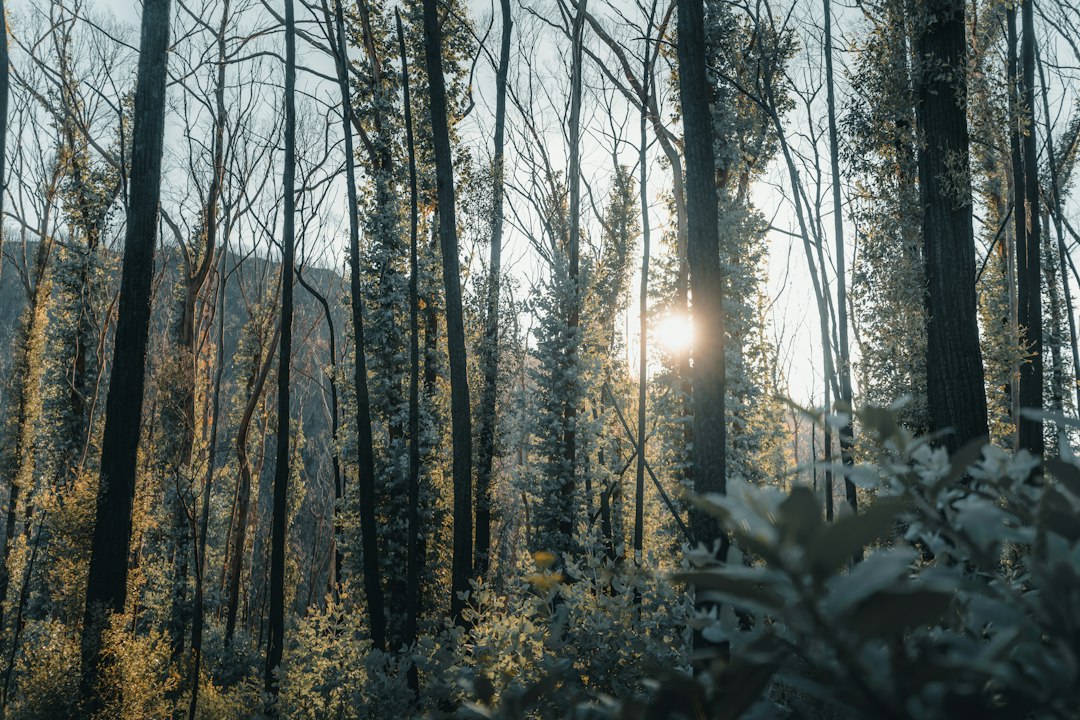
The inferno, a ravenous entity of crackling fury, had swept through the ancient heartwood. It painted the sky a sickly ochre for days, its roars a terrifying symphony that echoed through canyons once held sacred by the quietude of millennia. When the last embers finally surrendered to the encroaching dawn and the air, thick with the scent of char and despair, began to thin, a stark new reality emerged. The wildfire, a destructive force seemingly bent on annihilation, had instead become an unwitting architect of revelation. It had razed swathes of a forest that had stood, largely undisturbed, since the chill embrace of the last Ice Age, exposing secrets long held captive beneath its verdant canopy and dense undergrowth.
This was no ordinary woodland. This was a relic, a living museum of an era when colossal glaciers sculpted the land and mammoths roamed its now-vanished glades. The trees themselves, towering giants of pine, spruce, and fir, were ancient sentinels, their rings bearing witness to a planetary epoch now confined to geological records and the hushed stories of paleoclimatologists. Their gnarled roots, some as thick as a man’s torso, had anchored themselves in soil that had lain untouched for thousands of years, a pristine archive of past ecosystems. But the fire had stripped away the protective layers, the accumulated detritus of ages, leaving the raw, exposed earth vulnerable, and in that vulnerability, a startling new landscape began to unfold.
In a surprising turn of events, a recent wildfire swept through an ancient ice age forest, raising concerns about the ecological impact on this unique ecosystem. The blaze not only threatened the diverse flora and fauna that have survived for thousands of years but also highlighted the increasing frequency of wildfires in regions previously considered safe. For more insights into how environmental changes are affecting various industries, you can read about the Mexican auto industry’s projected growth in the face of evolving challenges in this related article: Mexican Auto Industry Set for Strong Growth by 2025.
The Unveiling of Primordial Earth
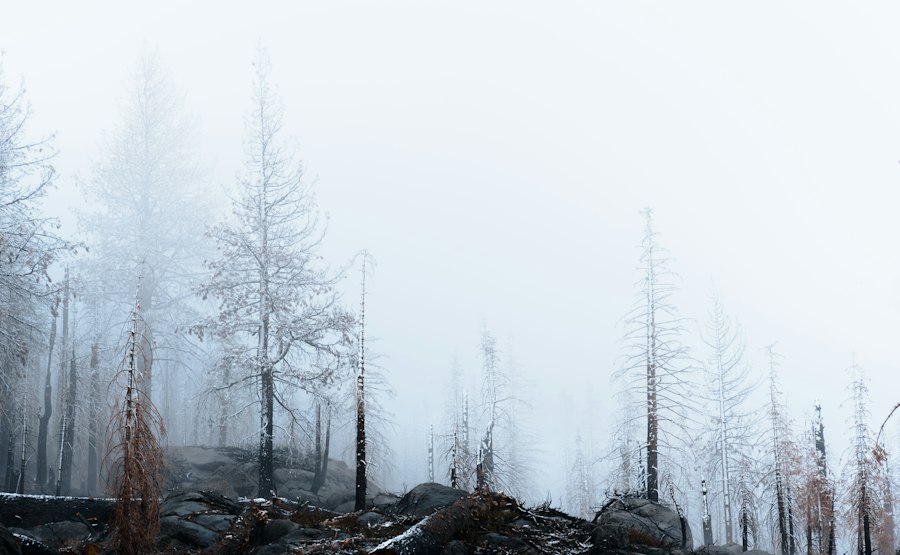
The immediate aftermath of the wildfire was a scene of desolation. Twisted, blackened skeletons of trees clawed at the sky, their once-vibrant green reduced to a uniform, somber black. The ground was a carpet of ash and smoldering debris, a testament to the fire’s voracious appetite. Yet, amidst this apparent devastation, a subtle yet profound transformation was underway. The intense heat, while deadly to much of the surface life, had also acted as a catalyst, breaking down dense organic matter and releasing nutrients that had been locked away for centuries.
Echoes of Glacial Legacy
Beneath the ash, the fire had scoured away the thick duff layer that had accumulated over countless seasons. This exposed a soil profile that was, in many ways, a direct imprint of the Ice Age. Geologists and soil scientists, drawn by the unique nature of the affected region, discovered ancient soil horizons, painstakingly preserved by the forest’s cover. These layers, distinct in color and composition, provided direct evidence of the soil-building processes that occurred in the post-glacial period. In some areas, the fire had even unearthed remnants of glacial till, the unsorted debris deposited by retreating ice sheets, offering tangible links to the landscape’s violent, formative past. The sheer depth and integrity of these preserved layers were remarkable, a testament to the forest’s long-standing stability. It was as if the fire had peeled back the skin of time, allowing scientists to peer into the very bedrock of the region’s geological history.
Dormant Seeds of the Past
One of the most significant discoveries was the widespread emergence of plant species that had not been seen in the region for decades, if not centuries. The intense heat of the wildfire, while destructive, had also triggered the germination of seeds that had lain dormant in the soil for generations. These were not the common understory plants of more recent eras, but rather species that were characteristic of earlier ecological successions, plants that thrived in open, disturbed landscapes. Botanists were astounded by the appearance of fire-adapted species, some of which were thought to be locally extinct. These plants, with their specialized adaptations to survive and even benefit from fire, began to colonize the newly cleared ground, signaling a radical shift in the local flora. It was a powerful demonstration of nature’s resilience and its ability to draw upon a deep wellspring of genetic diversity.
Revealing Mineral Richness
The intense heat of the wildfire also had a profound effect on the mineral content of the soil. Elements that were previously bound within organic matter were released, becoming more readily available to plants. This sudden influx of nutrients, particularly phosphorus and potassium, created a fertile ground for new growth. Soil analyses revealed significant increases in these essential minerals, explaining the rapid resurgence of vegetation in certain areas. The fire, in a paradoxical way, had enriched the soil, providing a burst of energy for the ecosystem to regenerate. This temporary surge of fertility was a critical factor in the subsequent ecological shifts, influencing which species would thrive and which would struggle in the post-fire environment.
A New Dawn for Biodiversity
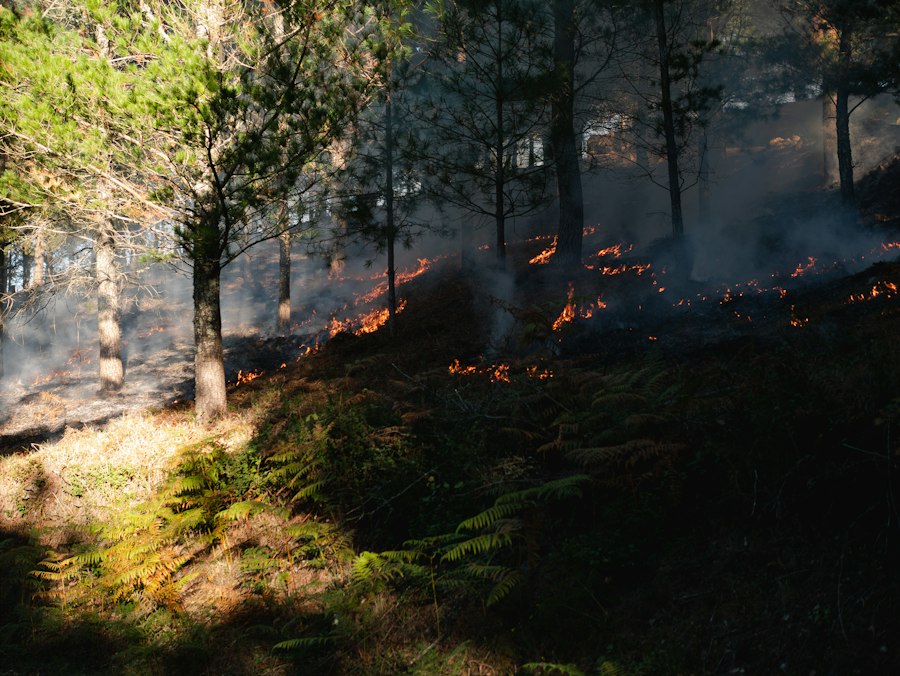
The destruction wrought by the wildfire was not a prelude to barrenness, but rather an intricate dance of death and rebirth that ushered in a new phase of biodiversity. The open spaces created by the fallen trees and cleared undergrowth allowed sunlight to penetrate to the forest floor, a condition that favored a different suite of organisms. This shift in light and habitat availability spurred the emergence of a novel ecosystem, one that was both surprising and ecologically significant.
Insect and Fungal Flourishing
Among the first to respond to the changed conditions were the insects. Many species, particularly those that feed on decaying wood and organic matter, found an abundant food source in the fire-killed trees. Beetles, ants, and various fly larvae, which had previously been limited by the competition in the dense forest, now experienced a population boom. Similarly, the fungal community underwent a dramatic transformation. Saprophytic fungi, those that decompose dead organic material, proliferated rapidly, breaking down the charred wood and returning nutrients to the soil. Mycorrhizal fungi, which form symbiotic relationships with plant roots, also experienced shifts, adapting to the new plant species colonizing the area. This increased activity at the insect and fungal levels formed the foundation of the new food web.
Avian Opportunities and Challenges
The avian population experienced a mixed response. While species that relied on dense canopy for nesting and foraging suffered immediate losses, the opening of the forest created new opportunities for others. Ground-nesting birds and those that forage in open habitats, such as certain species of sparrows and ground finches, found abundant food sources and nesting sites in the newly cleared areas. Birds of prey, like hawks and owls, also benefited from the increased visibility, allowing them to more easily spot prey in the open terrain. However, the loss of mature trees also meant a decline in species that relied on large, old trees for nesting cavities, posing a long-term challenge for some populations. Conservation efforts began to focus on creating artificial nesting sites and preserving pockets of unburned mature forest to mitigate these losses.
Mammalian Adaptations and Migrations
For larger mammals, the wildfire presented a complex challenge. Herbivores, such as deer and elk, initially found their food sources reduced, forcing them to travel further to forage. However, the regrowth of nutrient-rich grasses and shrubs in the burned areas soon provided a valuable food source. Predators that hunt in open spaces, like coyotes and foxes, also saw an increase in their prey base. Smaller mammals, such as rodents and rabbits, which often seek shelter in dense undergrowth, faced immediate dangers. Many were forced to flee or perished. However, the new vegetation that emerged in the post-fire environment offered new habitat and food opportunities for surviving populations. Some species that were less common in the dense forest, such as certain ground squirrels, began to thrive in the more open conditions.
Scientific Scrutiny and the Climate Connection
The wildfire’s impact on this ancient forest immediately attracted the attention of the scientific community. Researchers from various disciplines converged on the site, eager to study the immediate and long-term consequences of such a catastrophic event on a unique and scientifically valuable ecosystem. The data gathered from this event offered unprecedented insights into ecological resilience, the role of fire in ancient landscapes, and, perhaps most critically, the undeniable influence of a changing climate.
Ice Age Forests and Climate Proxies
The very existence of an Ice Age forest, preserved for millennia, made it a natural laboratory for understanding past climates. The tree rings, now laid bare and readily accessible, became invaluable archives of climatic conditions stretching back thousands of years. Paleoclimatologists began the meticulous work of analyzing these rings, looking for patterns of growth that correlate with temperature, precipitation, and atmospheric composition. By comparing these ancient records with modern data, they could gain a deeper understanding of natural climate variability and the long-term trends that have shaped the planet. The fire, by making these rings accessible without invasive coring, provided a unique opportunity to study these records in detail.
The Role of Fire in a Warming World
The intensity and scale of the wildfire also raised urgent questions about the role of fire in an era of accelerated climate change. Scientists observed that the increased fuel load, a consequence of decades of fire suppression in many regions, coupled with hotter, drier conditions, had created a tinderbox effect. This wildfire was not an isolated incident but rather a symptom of a larger, more complex problem. Researchers began to analyze the fire’s behavior, its spread patterns, and its ecological impact through the lens of global warming. The findings underscored the need for a re-evaluation of fire management strategies and a deeper understanding of how climate change is altering natural fire regimes, potentially transforming ecosystems that have historically relied on different fire frequencies and intensities.
Monitoring Ecosystem Recovery and Adaptation
Long-term monitoring of the burned area became a critical priority. Scientists established a network of research plots to track the recovery of the flora and fauna, documenting which species were returning, which were adapting, and which were struggling to survive. This ongoing research aimed to understand the resilience of Ice Age ecosystems and their capacity to adapt to disturbances. The data gathered from this site would be crucial for predicting the future trajectory of similar ecosystems worldwide and for informing conservation efforts in the face of ongoing environmental change. The hope was that by understanding this particular recovery, scientists could develop strategies to assist other vulnerable ecosystems.
When a wildfire unexpectedly swept through an ancient ice age forest, it not only devastated the unique ecosystem but also raised questions about the implications of such natural disasters on environmental policy. The aftermath of the fire highlighted the urgent need for effective disaster management strategies, prompting discussions about the government’s role in protecting natural resources. For a deeper understanding of how national emergencies can influence property rights and resource management, you can read more in this insightful article on the Defense Production Act and property seizure during crises at this link.
The Future Landscape: Renewal and Uncertainty
| Metric | Observation | Impact |
|---|---|---|
| Fire Intensity | Moderate to High | Burned large areas of dense coniferous forest |
| Forest Composition | Shift from dense conifers to fire-adapted species | Increased presence of pioneer species like birch and aspen |
| Soil Temperature | Increased by up to 200°C at surface | Altered soil microbial communities and nutrient cycling |
| Carbon Release | Significant release of stored carbon | Contributed to atmospheric CO2 levels |
| Regeneration Time | Several decades to centuries | Slow recovery due to cold climate and short growing seasons |
| Faunal Impact | Temporary displacement of large herbivores | Altered food availability and habitat structure |
The wildfire, a harbinger of destruction, has paradoxically paved the way for a new era of ecological renewal. While the scars of the inferno will undoubtedly persist for years to come, the exposed earth and the ensuing botanical explosion offer a compelling glimpse into the dynamic nature of ecosystems. The future of this ancient forest, however, is a tapestry woven with threads of hope and uncertainty, inextricably linked to the ongoing challenges of climate change and the evolving strategies for ecological stewardship.
A Shifting Ecological Balance
The immediate aftermath of the fire saw a dramatic shift in the ecological balance. The dominance of mature, old-growth trees has been replaced by a mosaic of open ground, regenerating saplings, and hardy pioneer species. This new landscape will favor a different set of flora and fauna, leading to a gradual re-establishment of biodiversity, albeit with a composition distinct from its pre-fire state. The long-term success of this regeneration will depend on a multitude of factors, including the availability of water, the persistence of seed banks, and the continued presence of a diverse array of pollinators and seed dispersers. The initial burst of life, fueled by released nutrients, is a powerful testament to nature’s regenerative capabilities, but the sustainability of this new ecosystem remains to be seen.
The Challenge of Climate Resilience
The wildfire serves as a stark reminder of the increasing vulnerability of even the most ancient and seemingly robust ecosystems to the impacts of climate change. The increased frequency and intensity of wildfires, driven by rising temperatures and prolonged droughts, pose a significant threat to the long-term survival of forests like this one. The challenge now is to foster climate resilience within these landscapes, developing strategies that can help them adapt to these new environmental realities. This may involve interventions such as managed thinning in unburned areas, the promotion of fire-resistant species, and a rethinking of traditional fire suppression policies to allow for more natural, less destructive fire regimes where appropriate. The goal is to create ecosystems that can withstand and even benefit from disturbances, rather than succumbing to them.
Redefining Conservation in a Changing World
The revelations from this Ice Age forest demand a redefinition of conservation strategies. It is no longer sufficient to simply protect existing landscapes; there is a growing need to understand and actively manage for ecological change. The discoveries made in the wake of the wildfire highlight the importance of preserving not only the current biodiversity but also the latent potential within seed banks and soil archives. Conservation efforts must become more dynamic, embracing the inevitability of change and focusing on building ecological resilience. This might involve restoring historical fire regimes, facilitating the migration of species to more suitable habitats, and supporting the natural adaptive processes that allow ecosystems to thrive in a constantly evolving world. The story of this ancient forest, unveiled by fire, is a powerful call to action, urging a more informed and adaptive approach to safeguarding our planet’s natural heritage for generations to come.

Life 20,000 Years Ago | When an Ice Age Wildfire Traps Your Primitive Family
FAQs
What is an ice age forest?
An ice age forest refers to the type of forest ecosystem that existed during the last Ice Age, characterized by a unique combination of flora and fauna adapted to cold climates. These forests often included species such as conifers, birches, and various shrubs that thrived in the cooler temperatures and were prevalent in regions that are now temperate or boreal forests.
How did the wildfire affect the ice age forest?
The wildfire had a devastating impact on the ice age forest, leading to the destruction of large areas of vegetation and habitat. The intense heat from the fire not only killed trees and plants but also altered the soil composition, making it difficult for the forest to regenerate. Additionally, the loss of biodiversity affected the entire ecosystem, disrupting food chains and habitats for various species.
What were the immediate ecological consequences of the wildfire?
Immediately following the wildfire, the ecological consequences included loss of plant life, soil erosion, and habitat destruction. The fire created a barren landscape, which led to increased runoff and potential flooding in the area. Furthermore, the smoke and ash released into the atmosphere could have affected air quality and contributed to climate changes in the region.
Did any species survive the wildfire?
Some species were able to survive the wildfire, particularly those that had adapted to withstand fire or had deep root systems that allowed them to regenerate after the flames subsided. Certain fire-resistant plants and seeds may have remained dormant in the soil, allowing them to sprout once conditions became favorable again. However, many species faced significant challenges in recovering due to the altered environment.
What restoration efforts were implemented after the wildfire?
After the wildfire, restoration efforts typically included reforestation initiatives, where native tree and plant species were replanted to help restore the ecosystem. Conservationists also focused on soil stabilization techniques to prevent erosion and promote healthy growth. Monitoring programs were established to track the recovery of wildlife populations and the overall health of the forest ecosystem over time.