
Echoes of Dawn: A Cinematic Journey into Early Human Survival
The Unseen Dawn: Crafting the Primal World
The film “Echoes of Dawn: A Cinematic Journey into Early Human Survival” is not merely a historical documentary; it is an ambitious attempt to breathe life into the unfathomably distant past, to transform skeletal remains and ancient tools into vibrant, visceral experiences. The filmmakers have undertaken a Herculean task: reconstructing the lives, struggles, and triumphs of our earliest ancestors, not through dry narration and static images, but through immersive cinematography that places the viewer directly into the heart of their world. This endeavor goes beyond academic reconstruction; it seeks to evoke an emotional resonance, to connect modern audiences with the fundamental drives that shaped humanity from its very inception.
The genesis of such a project lies in a profound curiosity about our origins. What did it truly feel like to be one of the first humans? What were the immediate, pressing concerns that dominated their waking hours? How did they perceive the vast, untamed landscapes they inhabited, and what did they make of the myriad creatures that shared their existence? “Echoes of Dawn” grapples with these fundamental questions by meticulously researching and interpreting the latest anthropological, archaeological, and paleontological findings. This scientific bedrock is then artfully translated onto the screen, aiming to create a narrative that is both scientifically plausible and deeply engaging.
The Palette of Prehistory: Visualizing the Unknown
One of the most striking aspects of “Echoes of Dawn” is its visual approach. Instead of relying on CGI to create fantastical versions of prehistoric life, the filmmakers have embraced a more grounded, almost vérité style. They have sought to depict the world as it might have appeared through the eyes of early humans, emphasizing the stark beauty and brutal realities of their environment. This involves careful attention to detail in recreating the flora and fauna, the geological formations, and even the quality of light. The cinematography often employs a handheld approach, mirroring the precariousness of life and the constant need for vigilance. Wide, sweeping shots capture the grandeur of the prehistoric wilderness, while intimate close-ups focus on the subtle expressions and actions of the human subjects, conveying their emotions and intentions without the need for dialogue.
The color palette is deliberately muted, reflecting the natural pigments and limited technological capabilities of the time. Earth tones, deep greens, and the stark blues of the sky dominate the frame. Sunlight filters through dense foliage, casting dappled shadows that can conceal both sustenance and danger. Night scenes are illuminated by the flickering glow of fire, a stark contrast to the impenetrable darkness beyond its reach. This visual strategy is not about creating a picturesque idyll, but about painting an authentic portrait of a world where survival was a constant negotiation with nature. The aim is to immerse the viewer, allowing them to feel the chill of the wind, the warmth of the sun, and the gnawing pangs of hunger alongside the film’s protagonists.
Reconstructing the Unseen: The Challenge of Authenticity
Achieving authenticity in a film about a period with no written records is a monumental undertaking. The filmmakers have collaborated with leading experts to ensure that every element, from the tools and shelters to the clothing and even the imagined social interactions, is as scientifically accurate as possible. This involves extensive fieldwork, studying the excavation sites where the earliest evidence of human activity has been found. Researchers have meticulously examined fossilized hominin remains to understand their physical capabilities, their diet, and their potential vulnerabilities. Archaeological finds, such as stone tools, hearths, and evidence of early settlements, provide crucial clues about their daily lives and technological advancements.
The process of reconstruction is iterative, constantly informed by new discoveries and evolving scientific theories. The filmmakers have had to make educated guesses, informed by the best available evidence, about aspects of early human life that remain shrouded in mystery. This includes their communication methods, their social structures, and their spiritual beliefs, if any. The film does not present these reconstructions as definitive truths, but rather as compelling possibilities, grounded in a rigorous scientific framework. The emphasis is on portraying the likely realities of their existence, the constant struggle for resources, the importance of cooperation, and the ever-present threat of predation and environmental challenges.
For those interested in the fascinating world of early humans and their survival tactics, a related article that explores the broader implications of human adaptation in various contexts can be found at this link. This article delves into how early human strategies for survival can be paralleled with modern economic practices, such as nearshoring, highlighting the timeless nature of adaptation and resource management.
The Rhythms of Survival: Daily Life in the Epoch of Early Humans
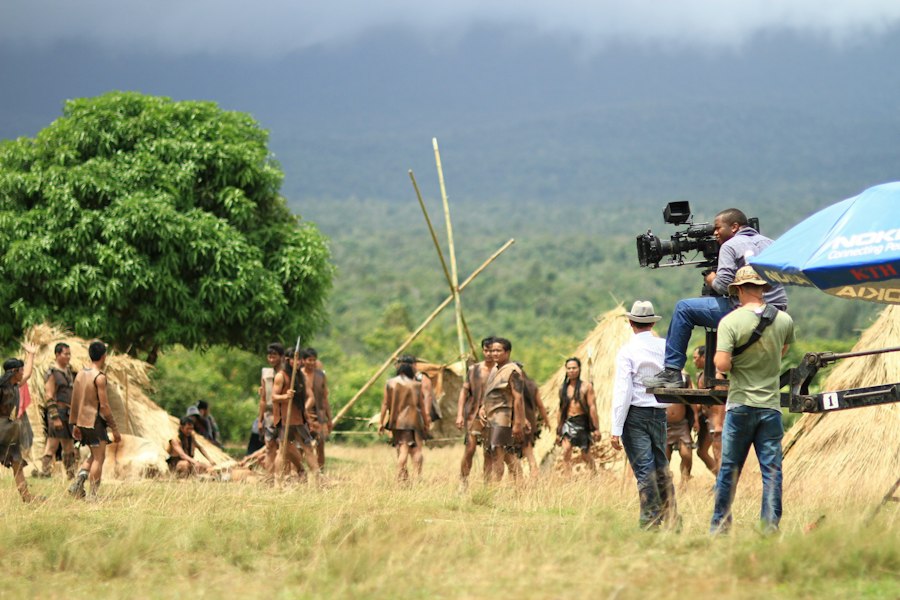
“Echoes of Dawn” delves into the minutiae of daily existence for our prehistoric ancestors, transforming abstract concepts of survival into tangible, relatable experiences. The film’s narrative is woven through the cyclical patterns of nature – the rising and setting of the sun, the changing seasons, the migratory patterns of prey animals. These rhythms dictate the rhythm of human life, shaping their movements, their activities, and their very existence. The focus is on the fundamental drives that would have occupied their minds: the relentless pursuit of food, the constant need for shelter, and the paramount importance of safety and community.
The film avoids anthropomorphizing its subjects too heavily, instead opting for a portrayal that emphasizes their animalistic instincts and their profound connection to the natural world. They are depicted as beings deeply attuned to their surroundings, their senses honed to detect the slightest shift in the wind, the faintest rustle in the undergrowth. Their lives are a testament to resilience, to an unyielding will to endure in a world that offered no guarantees. The narrative arc of the film often follows the struggles of a small group or family unit, showcasing their collective efforts and individual contributions to the survival of the whole.
The Hunt: A Dance with Danger
The hunt is a central theme in “Echoes of Dawn,” representing a pivotal aspect of early human life and a significant source of both sustenance and danger. The filmmakers have painstakingly recreated the techniques and strategies that early humans might have employed. This involves depicting the crafting of primitive weapons, such as sharpened spears and clubs, and showcasing the collaborative efforts required to bring down large game. The camera work during these sequences is dynamic and intense, conveying the adrenaline, the fear, and the sheer determination of the hunters.
The film emphasizes the precariousness of these expeditions. The terrain can be treacherous, the prey unpredictable and powerful. The audience witnesses the close calls, the near misses, and the devastating consequences of failure. It is not a romanticized portrayal of the chase, but a stark depiction of the risks involved. The success of a hunt is not just about acquiring food; it is about the survival of the entire group, and the implications of a failed hunt can be dire, leading to hunger, weakness, and increased vulnerability. The film also highlights the knowledge and understanding of animal behavior that these early humans would have possessed, the ability to read tracks, anticipate movements, and exploit environmental factors to their advantage.
Shelter and Sustenance: Building a Fragile Haven
Beyond the hunt, “Echoes of Dawn” explores the crucial aspects of securing shelter and finding reliable sources of sustenance. This involves depicting the construction of rudimentary shelters, from simple lean-tos offering protection from the elements to more elaborate structures that provided a degree of security against predators. The film showcases the ingenuity and resourcefulness of early humans in utilizing available materials, such as branches, leaves, hides, and stones, to create a semblance of a home.
The acquisition of food extends beyond hunting large game. The film illustrates the importance of foraging for edible plants, roots, and berries, and the knowledge required to distinguish between nourishing and poisonous flora. It depicts early forms of fishing and the gathering of insects, demonstrating a broad spectrum of survival strategies. The process of preparing and consuming food is also shown, highlighting the rudimentary cooking methods, such as roasting meat over open fires, and the communal aspect of sharing resources. This aspect of the film underscores the interconnectedness of these survival strategies, where the success of one activity often directly impacts the viability of another.
The Spark of Ingenuity: Tools, Fire, and Cognition
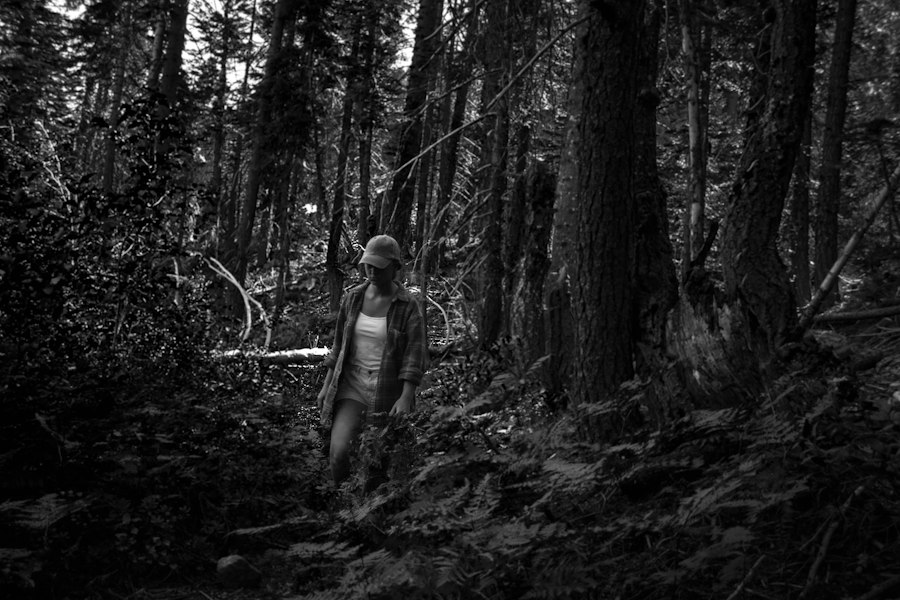
“Echoes of Dawn” recognizes that survival was not solely a matter of brute strength or instinct; it was also a testament to the dawning of human ingenuity and the development of cognitive abilities that set our ancestors apart. The film meticulously documents the evolution and use of tools, showcasing how simple modifications to natural objects enabled greater efficiency in hunting, processing food, and building shelters. The mastery of fire is presented as a transformative moment, a significant leap forward in human capability.
The development of more complex cognitive processes, such as abstract thought, problem-solving, and the ability to plan for the future, is subtly woven into the narrative. The film suggests that these evolving mental faculties were crucial for navigating an increasingly complex world and for fostering the social bonds that were essential for collective survival.
The Art of the Stone: Crafting Essential Tools
The creation and utilization of tools are central to the film’s depiction of early human ingenuity. “Echoes of Dawn” showcases the painstaking process of flintknapping, demonstrating how early humans transformed raw stone into essential implements. The film meticulously illustrates the different types of tools that emerged over time, from simple choppers and hand axes to more refined scrapers and projectile points. Each tool is presented not just as an object, but as a testament to a specific problem solved, a particular need met.
The visual storytelling highlights the skill and precision involved in toolmaking, often showing the intense focus of the craftsman as they strike, chip, and shape the stone. The film also emphasizes the shared knowledge of toolmaking, suggesting that these skills were passed down through generations, contributing to the cumulative advancement of human technology. The availability of effective tools directly impacted the ability to hunt, butcher carcasses, prepare hides, and construct shelters, demonstrating a direct causal link between technological innovation and survival success.
The Gift of Fire: Warmth, Light, and Transformation
The mastery of fire is presented as a watershed moment in human history, and “Echoes of Dawn” captures its profound significance. The film depicts the arduous process of initiating and maintaining fire, from the use of friction to the careful tending of embers. It illustrates the multiple benefits that fire provided: warmth against the biting cold, light to ward off the encroaching darkness, and a means to cook food, making it more digestible and safer to consume.
Beyond its practical applications, the film also hints at the social and psychological impact of fire. The hearth becomes a focal point for the group, a place of gathering, storytelling, and shared community. The controlled flames represent a dominion over a powerful natural force, a subtle assertion of human agency in a world that often felt overwhelming. The glow of the fire is depicted as a beacon of hope and security, a stark contrast to the primal fears that lurked beyond its reach.
The Threads of Society: Cooperation, Conflict, and Kinship
While “Echoes of Dawn” often focuses on individual struggles for survival, it also underscores the critical role of social structures and interactions in the lives of early humans. The film explores the inherent need for cooperation within a group, demonstrating how collective action was often the key to overcoming daunting challenges. However, it does not shy away from depicting the inevitable conflicts that could arise, both within and between groups, over resources, territory, or social dynamics.
The importance of kinship and the formation of bonds, whether familial or tribal, are subtly conveyed. The film suggests that these connections provided a vital support system, fostering a sense of belonging and shared responsibility that was crucial for long-term survival. The complex web of relationships, though alien to modern sensibilities, is portrayed as the bedrock upon which early human societies were built.
The Strength of the Collective: Working as One
The film emphasizes that survival was rarely a solitary endeavor. “Echoes of Dawn” showcases numerous instances where collective action was indispensable. This includes coordinated hunting expeditions, where a group working in unison could bring down prey that would be impossible for an individual to tackle. It depicts the cooperative effort required to build more substantial shelters, to gather and process large quantities of food, and to defend the group against predators or rival groups.
The visual language employed often highlights the synchronized movements and shared purpose of the individuals within a group. There is a palpable sense of unity and mutual reliance, where the success of one directly contributes to the well-being of all. The film suggests that the ability to cooperate, to share tasks, and to pool resources was a fundamental advantage that distinguished early humans and contributed significantly to their ability to thrive and expand.
Navigating the Tensions: Intra-Group and Inter-Group Dynamics
“Echoes of Dawn” offers a nuanced portrayal of the social landscape, acknowledging that even within the most cohesive groups, tensions and conflicts could arise. These could stem from competition for scarce resources, disagreements over leadership or decision-making, or the inevitable frictions that arise from close living conditions. The film depicts moments of discord, subtle but significant, that reveal the underlying complexities of early human social dynamics.
Furthermore, the film explores the interactions between different groups. These encounters could range from cautious observation and avoidance to territorial disputes and outright conflict. The depiction of inter-group dynamics is informed by anthropological theories about competition for territory, hunting grounds, and mates. The film suggests that the ability to navigate these external relationships, whether through diplomacy, deterrence, or aggressive assertion, was another critical factor in the survival and proliferation of early human populations.
In exploring the fascinating world of early humans and their survival strategies, a recent article delves into the intricate dynamics of ancient societies and their environments. This cinematic prehistoric survival story documentary not only highlights the resilience of early humans but also draws parallels with contemporary challenges faced by civilizations today. For a deeper understanding of how economic factors influence societal development, you can read more about it in this insightful piece on Mexico’s economy and its potential to surpass the US. Check it out here.
The Enduring Legacy: Echoes in the Modern Psyche
| Metric | Value | Description |
|---|---|---|
| Title | Echoes of the Ancients | Name of the documentary |
| Duration | 90 minutes | Total runtime of the film |
| Release Year | 2023 | Year the documentary was released |
| Primary Focus | Early Human Survival | Central theme of the documentary |
| Filming Locations | East Africa, Europe | Regions where footage was captured |
| Scientific Consultants | 5 | Number of experts involved in accuracy |
| Reconstruction Techniques | CGI, Practical Effects | Methods used to depict prehistoric life |
| Audience Rating | 8.7/10 | Average viewer rating on major platforms |
| Educational Impact | High | Effectiveness in teaching prehistoric survival |
| Languages Available | English, French, Spanish | Languages in which the documentary is available |
The ultimate aim of “Echoes of Dawn: A Cinematic Journey into Early Human Survival” is to bridge the vast chasm of time and connect modern audiences with the fundamental experiences of our ancestors. The film argues that the struggles, triumphs, and innovations of early humans are not merely footnotes in the history of our species, but are deeply embedded within our collective psyche. The instincts, the drives, and the very essence of what it means to be human were forged in the crucible of prehistoric survival.
By immersing viewers in the primal world, the filmmakers hope to foster a deeper understanding of our own evolutionary journey. They aim to provoke reflection on the enduring human capacity for resilience, ingenuity, and cooperation. The echoes of the dawn, the whispers of those who first walked the earth, continue to resonate within us, shaping our perceptions, our behaviors, and our enduring quest for survival and meaning.
The Primal Blueprint: Innate Drives and Instincts
The film implicitly argues that many of our modern behaviors and psychological traits can be traced back to the survival imperatives of our earliest ancestors. The innate drive for self-preservation, the deeply ingrained need for social connection, the capacity for both fear and empathy – these are all, the film suggests, products of evolutionary pressures faced by those who lived in the epoch of early humans. “Echoes of Dawn” presents scenarios where these primal drives are laid bare, showing how they dictated actions and shaped relationships in a world where survival was the ultimate currency.
The filmmakers hope that by witnessing these raw, unadulterated expressions of human nature, audiences will gain a greater appreciation for the biological and psychological foundations of their own existence. The film serves as a powerful reminder that beneath the veneer of modern civilization lie the echoes of an ancient, enduring blueprint for survival, a testament to the remarkable journey that brought us from the dawn of humanity to where we stand today.

Life 20,000 Years Ago | When an Ice Age Wildfire Traps Your Primitive Family
FAQs
What is the main focus of the documentary?
The documentary focuses on the survival strategies and daily lives of early humans during prehistoric times, showcasing their interactions with the environment, other species, and each other as they navigated challenges for survival.
What techniques are used to recreate the prehistoric setting?
The documentary employs a combination of CGI, practical effects, and expert interviews to recreate the prehistoric environment. It also utilizes archaeological findings and anthropological research to ensure accuracy in depicting the lifestyle and challenges faced by early humans.
Who are the experts featured in the documentary?
The documentary features a range of experts, including archaeologists, anthropologists, and paleontologists, who provide insights into the behaviors, tools, and social structures of early human societies, enhancing the narrative with scientific credibility.
What time period does the documentary cover?
The documentary covers a broad time span, primarily focusing on the Paleolithic era, which is characterized by the emergence of early Homo sapiens and their adaptation to various environments over tens of thousands of years.
How does the documentary engage viewers emotionally?
The documentary engages viewers emotionally by telling personal stories of early humans, highlighting their struggles, triumphs, and relationships. It uses dramatic reenactments and immersive storytelling techniques to create a connection between the audience and the prehistoric characters.