
The biting wind whipped across the vast, treeless plains, carrying with it the scent of snow and the distant bellow of mammoth. This was life during the Late Ice Age, a period characterized by immense glaciers, frigid temperatures, and a landscape sculpted by ice and wind. For the early humans who called this frozen world home, survival was a constant, precarious dance with the environment. Their existence was a testament to resilience, ingenuity, and an intimate understanding of the natural world. This was not a time of comfort or ease; it was a crucible that forged the very foundations of human adaptability.
The Relentless Grip of the Glacial Epoch
The Late Ice Age, also known as the Upper Paleolithic or the Last Glacial Maximum, spanned a period from roughly 20,000 to 10,000 years ago. During this time, continental ice sheets, some kilometers thick, dominated vast swathes of the Northern Hemisphere, pushing the boundaries of habitability southwards. Scandinavia, Britain, and much of northern Europe were buried under ice. North America bore the weight of the Laurentide and Cordilleran ice sheets. The planet’s climate was significantly colder and drier than today, leading to dramatic shifts in ecosystems. Sea levels were considerably lower, exposing land bridges that facilitated human migration, most famously the Bering Land Bridge connecting Siberia and Alaska.
Adapting to the Permafrost and Perilous Weather
The most defining characteristic of this era was the extreme cold. Temperatures in many regions plummeted far below freezing for extended periods. Permafrost, ground that remains frozen for two or more consecutive years, was widespread. This meant that the ground was often frozen solid, making agriculture impossible and limiting vegetation to hardy, low-lying plants. Glacial meltwater created powerful rivers, often carving deep valleys and contributing to a landscape that was both dynamic and dangerous. The weather was not merely cold; it was a brutal force. Blizzards could descend with little warning, creating whiteout conditions and burying everything in snow. Survival depended on anticipating these shifts and having the knowledge and resources to endure them. The lack of dense forests in many areas meant that shelter from these elements was a significant challenge.
The Unforgiving Landscape: Flora and Fauna
The flora of the Late Ice Age was sparse in many of the coldest regions. Tundra biomes dominated, characterized by mosses, lichens, grasses, sedges, and low-growing shrubs. In more southerly or sheltered areas, boreal forests of pine, spruce, and birch might be found, but these were not the vast, temperate forests of later periods. The scarcity of plant life meant that humans were heavily reliant on animal resources for sustenance.
The fauna, however, was remarkably rich and diverse, at least in terms of megafauna. These were the iconic giants of the Ice Age: woolly mammoths, woolly rhinoceroses, steppe bison, giant deer (Megaloceros), horses, and a variety of carnivores like cave lions, saber-toothed cats, and wolves. These animals were not only a source of food but also provided hides for clothing and shelter, bones for tools and art, and fat for fuel. Their migratory patterns were intimately linked to the seasonal availability of vegetation, and human hunters had to understand these movements to successfully hunt them. Smaller game, such as hares, reindeer, and various birds, also played a crucial role in the human diet, especially during times when large game was scarce. The presence of these large animals was both a boon and a significant danger. Encounters with predators or a stampeding herd could easily prove fatal.
Life during the late Ice Age epoch was characterized by dramatic climate changes and the adaptation of early human societies to their environments. As glaciers expanded and retreated, people relied on hunting and gathering for survival, developing tools and strategies to thrive in harsh conditions. The migration patterns of both humans and animals were influenced by the shifting landscapes, leading to the establishment of early settlements. For a fascinating exploration of how ancient maps, like the Piri Reis map, provide insights into human understanding of geography during this period, you can read more in this article: The Piri Reis Map Accuracy Debate.
The Ingenuity of Hunter-Gatherer Societies

Survival in such a challenging environment demanded an exceptional level of skill, knowledge, and social organization. Early humans were highly mobile hunter-gatherers, constantly following game and seeking out favorable conditions. Their lives were intimately tied to the rhythm of the seasons and the movements of the animals they depended upon.
Mastering the Hunt: Tools and Techniques
The hunter’s spear, often tipped with finely crafted stone points, was a primary weapon. These points were meticulously shaped through a process called knapping, where flakes of stone were struck off to create sharp edges. Different types of points were developed for different prey and hunting strategies. Atlatls, or spear-throwers, were a crucial innovation that significantly increased the range and power of a thrown spear, allowing hunters to strike prey from a safer distance. Bows and arrows, though their widespread use is debated for the earliest parts of the Late Ice Age, became increasingly common towards its end, offering even greater precision and range.
Hunting strategies were diverse and required immense cooperation. Group hunts were common for larger animals like mammoths. These hunts often involved driving herds towards cliffs, into natural traps, or into prepared pits. Smaller game was hunted using snares, traps, and specialized tools. The ability to track animals, understand their behavior, and predict their movements was paramount. Knowledge passed down through generations was vital for successful hunting. The process of butchering a large animal was also a communal activity, ensuring that every part of the animal was utilized, from the meat and fat to the bones and hide.
Hearth and Home: Shelter and Fire
Shelter was a critical component of survival. In some regions, caves and rock shelters provided natural refuges from the elements. However, these were not always abundant or conveniently located. Consequently, early humans became adept at constructing artificial shelters. These could range from simple lean-tos made of branches and animal hides to more elaborate structures. Mammoth bones and hides were often used as building materials for semi-permanent dwellings, particularly in the open plains where trees were scarce. These structures, often dome-shaped, provided insulation and protection from the wind and snow.
Fire was not merely a source of warmth; it was a transformative technology. It provided light, allowing activities to continue after sunset. It was used to cook food, making it more digestible and killing harmful pathogens. It also served to ward off predators and to harden wooden tools. Mastering fire control was a vital skill, and finding and maintaining sources of fuel, such as dried grasses, animal dung, and wood, was a constant necessity. The ability to create fire, whether through friction methods or by striking sparks from flint, was a significant achievement that dramatically improved human survival rates.
The Fabric of Social Life: Community and Cooperation
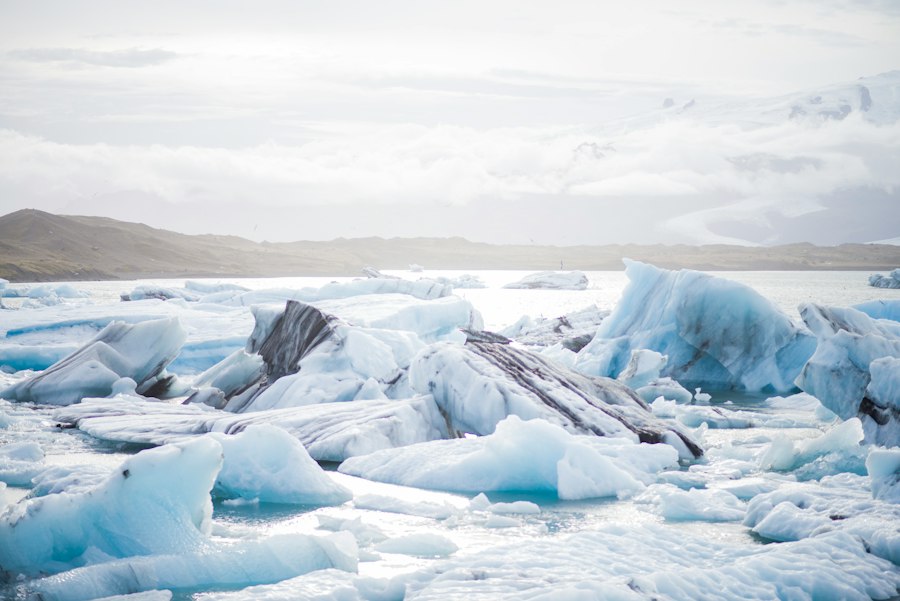
Life in the Late Ice Age was not solitary. Early humans lived in small, mobile bands, typically comprising extended family groups. Cooperation was not just beneficial; it was essential for survival. The challenges of hunting, gathering, and enduring the harsh climate necessitated a strong social fabric.
Kinship and Collaboration: Bonds of Survival
The core of social organization revolved around kinship. Bands were likely led by individuals who possessed knowledge, experience, and the ability to organize effectively. Decision-making, especially regarding migration routes and hunting strategies, was probably a collaborative process. Sharing resources was fundamental. A successful hunt by one group would benefit the entire band, and vice versa. This reciprocal sharing ensured that no one went hungry, even during periods of scarcity.
The care of children was also a communal responsibility. Young children were vulnerable to the elements and the dangers of the wild. Older children and adults would work together to protect and nurture them, ensuring the continuity of the group. Storytelling, song, and ritual likely played important roles in transmitting knowledge, reinforcing social bonds, and providing a sense of shared identity and purpose. These activities helped to maintain cohesion within the band and foster a collective understanding of their world.
Communication and Knowledge Transfer
While the exact nature of their language remains a mystery, early humans possessed sophisticated communication abilities. Vocalizations, gestures, and likely a developing spoken language enabled them to coordinate complex activities, share information about resources and dangers, and pass down crucial knowledge. The creation of art, such as cave paintings and portable figurines, suggests a capacity for abstract thought, symbolic representation, and the desire to communicate ideas and experiences beyond immediate practical needs. This art may have served educational, spiritual, or narrative purposes, preserving the stories and beliefs of their communities.
A World of Symbols: Art and Spirituality
The frozen world of the Late Ice Age was not just a place of relentless struggle for survival; it was also a realm where early humans expressed their inner lives through art, ritual, and a developing sense of spirituality. The astonishing cave paintings, found in sites like Lascaux and Chauvet in France, and Altamira in Spain, are powerful testaments to their creative and symbolic capacities.
The Unveiling of Artistic Expression
These magnificent artworks, often created deep within caves, depict animals with remarkable realism and vitality. Mammoths, horses, bison, and deer are rendered with a skill that continues to inspire awe. The colors, derived from natural pigments like ochre and charcoal, were meticulously applied. The purpose of these paintings remains a subject of debate among scholars. Some theories suggest they were part of hunting rituals, intended to ensure success in the chase or to honor the spirits of the animals. Others propose they were shamanistic visions, attempts to connect with the spirit world, or simply a form of storytelling and historical record-keeping. Regardless of their precise function, these artworks demonstrate a profound connection to the natural world and a rich inner life.
The Echoes of Belief: Ritual and Symbolism
Beyond the cave walls, archaeological evidence hints at a developing spiritual or religious life. The deliberate burial of the dead, often accompanied by grave goods such as tools, ornaments, or ochre, suggests a belief in an afterlife or a concern for the spiritual well-being of the deceased. Personal ornaments, made from shells, bone, or animal teeth, indicate a sense of aesthetic appreciation and perhaps a desire for personal adornment or symbolic meaning. The enigmatic Venus figurines, small female sculptures with exaggerated physical attributes, are found across a wide geographical area and are often interpreted as fertility symbols or representations of a mother goddess. These objects, along with evidence of ritualistic activities in certain sites, point to a complex belief system that helped early humans to make sense of their existence in a powerful and often unpredictable world.
Life during the late Ice Age epoch was characterized by dramatic climatic changes and the adaptation of early human societies to their harsh environments. As they navigated through frigid landscapes, these early peoples developed innovative survival strategies, including hunting megafauna and foraging for edible plants. For a deeper understanding of how ancient societies managed their resources and social structures during challenging times, you can explore this insightful article on ancient debt and peonage systems, which sheds light on the complexities of human relationships and economies in the face of adversity.
The Legacy of Resilience: Transition to a Warmer World
| Aspect | Description | Data / Metrics |
|---|---|---|
| Time Period | Late Ice Age Epoch (Last Glacial Maximum) | Approximately 26,500 to 19,000 years ago |
| Climate | Cold and dry with extensive ice sheets covering large parts of North America, Europe, and Asia | Global temperatures ~6°C lower than today; sea levels ~120 meters lower |
| Human Population | Small, nomadic hunter-gatherer groups | Estimated global population: 1-10 million |
| Flora and Fauna | Dominated by tundra and steppe vegetation; megafauna such as mammoths, saber-toothed cats, and giant deer | Megafauna extinction rate increased towards end of epoch |
| Human Technology | Use of stone tools, development of early art and symbolic behavior | Examples: Clovis points, cave paintings dated ~20,000 years ago |
| Geography | Lower sea levels exposed land bridges (e.g., Bering Land Bridge) | Allowed migration of humans and animals between continents |
| Diet | Primarily hunting large game, gathering plants and small animals | Evidence from isotopic analysis shows high protein intake from megafauna |
The Late Ice Age did not end abruptly. It was a gradual transition, a slow thawing that brought about profound changes in the environment and, consequently, in the lives of its human inhabitants. The retreat of the glaciers opened up new landscapes, altered vegetation patterns, and led to shifts in animal populations.
Adapting to a Changing Planet
As the ice receded, forests began to spread, and the vast herds of megafauna that had dominated the landscape dwindled and, in many cases, went extinct. This environmental shift presented new challenges and opportunities. Humans had to adapt their hunting strategies, perhaps focusing more on smaller game and developing new methods for harvesting the bounty of the burgeoning forests. The availability of new plant resources likely led to an increased emphasis on gathering and, eventually, to the development of early forms of agriculture in some regions.
The Dawn of New Eras
The end of the Ice Age marked the beginning of the Holocene epoch, the current geological period. This transition was not just an environmental one; it was a catalyst for significant cultural and technological developments. The increased stability of the climate and the availability of new resources allowed human populations to grow and to settle in more permanent locations. This laid the groundwork for the development of complex societies, the rise of agriculture, and the eventual emergence of civilization. The resilience and adaptability demonstrated by humans during the harsh conditions of the Late Ice Age were the essential qualities that enabled them to not only survive but to thrive and shape the future of the planet. Their journey from the frozen wilderness to the complexities of the modern world is a testament to the enduring power of the human spirit and our capacity for innovation in the face of adversity.

Life 20,000 Years Ago | When an Ice Age Wildfire Traps Your Primitive Family
FAQs
What time period does the late Ice Age epoch refer to?
The late Ice Age epoch, also known as the Last Glacial Maximum, occurred approximately between 26,500 and 19,000 years ago. This period is characterized by the peak of glacial expansion, where ice sheets covered significant portions of North America, Europe, and Asia.
What were the primary environmental conditions during the late Ice Age?
During the late Ice Age, the climate was significantly colder and drier than today, with large ice sheets dominating the landscape. This resulted in tundra and steppe environments, where vegetation was sparse, and large mammals adapted to the harsh conditions, such as woolly mammoths and saber-toothed cats, thrived.
How did humans adapt to life during the late Ice Age?
Humans during the late Ice Age were primarily hunter-gatherers, relying on the hunting of large game and foraging for edible plants. They developed tools made from stone and bone, created clothing from animal hides for warmth, and often lived in temporary shelters to adapt to the nomadic lifestyle necessitated by the search for food.
What types of animals were prevalent during the late Ice Age?
The late Ice Age was home to many megafauna, including woolly mammoths, mastodons, giant ground sloths, and saber-toothed cats. These animals were adapted to the cold climate and were often hunted by early humans, which contributed to their eventual extinction as the climate warmed and habitats changed.
What impact did the end of the late Ice Age have on human societies?
The end of the late Ice Age, around 11,700 years ago, marked the transition to the Holocene epoch, leading to significant environmental changes. As the climate warmed, many megafauna went extinct, and humans began to shift from a nomadic lifestyle to more settled agricultural practices, laying the groundwork for the development of civilizations.