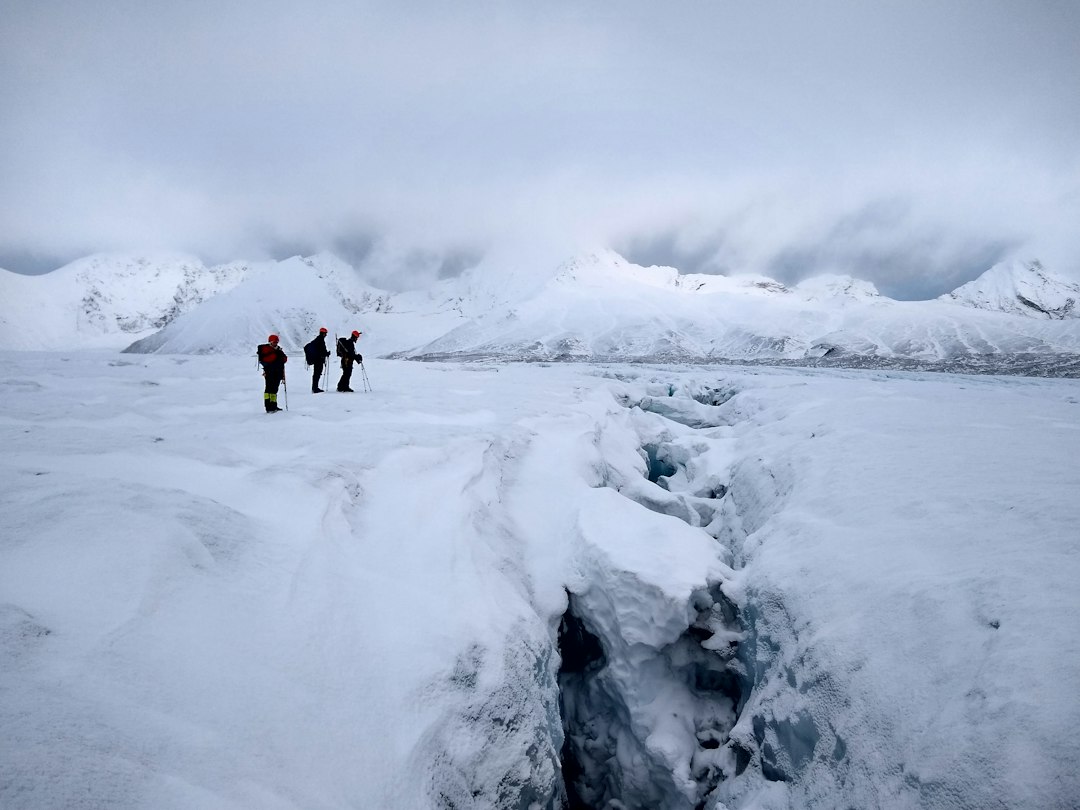
The Pleistocene epoch, a period characterized by its dramatic climatic swings and the omnipresent threat of glacial expansion, presented an unforgiving stage for early human survival. These ancestors, often referred to as Paleolithic humans or early Homo sapiens, were not merely passive observers of this harsh natural world; they were active participants, constantly adapting and innovating to overcome a gauntlet of environmental challenges. The ice ages, with their freezing temperatures, vast ice sheets, and the resulting ecological shifts, were not isolated events but recurring phases that sculpted the very nature of human resilience and ingenuity. From the threat of starvation due to dwindling food resources to the perpetual danger of extreme cold, early humans faced a landscape that demanded constant vigilance and a profound understanding of their surroundings. Their survival was a testament to a suite of biological, behavioral, and social adaptations that allowed them to not only persist but to thrive in the face of nature’s most formidable assaults.
The Great Chill: Understanding the Pleistocene Environment
The defining feature of the Pleistocene epoch, spanning roughly 2.6 million to 11,700 years ago, was the cyclical alternation between glacial periods (ice ages) and interglacial periods. During glacial maxima, immense ice sheets, kilometers thick in places, covered significant portions of North America, Europe, and Asia. These vast ice masses drastically altered landscapes, lowering sea levels as water was locked up in ice, exposing land bridges, and influencing global weather patterns. Temperatures plummeted, leading to widespread tundra, steppe, and boreal forest environments. The megafauna, such as mammoths, woolly rhinoceroses, and giant sloths, adapted to these cold conditions, becoming a vital, albeit challenging, food source for early humans. Interglacial periods, conversely, saw the retreat of glaciers, rising sea levels, and the expansion of more temperate habitats, but these were temporary respites, always shadowed by the looming threat of the next glacial advance.
Climate and Its Direct Impact
The immediate and most palpable threat during an ice age was the extreme cold. Daily survival hinged on an individual’s or group’s ability to maintain a stable body temperature. Without advanced clothing or shelter technology, exposure could lead to hypothermia and death within hours. The long, dark winters further exacerbated these challenges, limiting activity and reducing the availability of crucial resources.
Resource Scarcity and Ecological Shifts
The changing climate triggered profound shifts in ecosystems. As glaciers advanced, forests were replaced by grasslands and tundra, impacting the types of plants and animals available for sustenance. This forced early humans to adapt their hunting strategies and dietary compositions. Herbivores that thrived in colder climes became primary targets, requiring sophisticated hunting techniques to bring down large, powerful animals. Plant availability also fluctuated dramatically, with seasonal foraging becoming a critical skill for survival. The unpredictability of these ecological changes meant that a consistent food supply was never guaranteed, necessitating foresight and resource management.
Natural Hazards Beyond the Cold
While the cold was a constant antagonist, ice ages brought other natural hazards. Glacial meltwater could cause devastating floods. Avalanches were a perpetual danger in mountainous regions. The sheer scale of the ice sheets themselves could block migratory routes for both humans and their prey, leading to isolation and further resource stress. Unpredictable weather patterns, including blizzards and extreme temperature drops, could quickly turn a foraging expedition into a life-threatening ordeal.
Early humans faced numerous challenges during the Ice Age, including natural disasters that tested their survival skills. They developed various strategies to adapt to their harsh environment, such as creating temporary shelters and forming social groups for support. For a deeper understanding of how technological advancements have historically influenced human survival, you can explore the article on revolutionary tech breakthroughs that are changing history at this link. This article highlights how innovations have shaped human resilience throughout the ages, including during critical periods like the Ice Age.
Forging the Tools of Survival: Technological Innovations
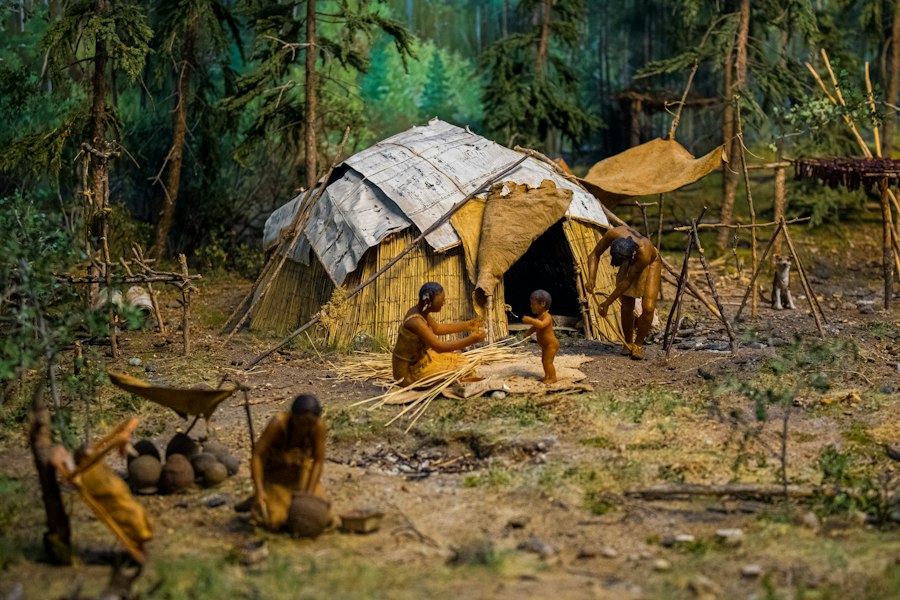
The ingenuity of early humans in developing and refining tools was paramount to their survival during the ice ages. These were not merely implements for daily tasks but sophisticated extensions of their physical capabilities, allowing them to exploit new resources, protect themselves from the elements, and overcome formidable challenges posed by the environment. The evolution of stone tool technology, in particular, played a crucial role in this narrative of adaptation and resilience.
Mastery of Fire: A Game Changer
The controlled use of fire was arguably one of the most significant technological breakthroughs for early humans. Fire provided warmth, a crucial defense against the biting cold. It allowed for the cooking of food, making it more digestible and unlocking vital nutrients. Cooked meat was safer to consume, reducing the risk of foodborne illnesses. Furthermore, fire served as a powerful deterrent against predators, offering a sense of security in an otherwise dangerous world. The ability to maintain fire through long winters was a defining characteristic of successful hominin groups.
Sophisticated Lithic Industries: The Stone Tool Revolution
The development of increasingly refined stone tools allowed early humans to process resources more effectively. From the simple choppers of the Oldowan tradition to the more complex bifacial handaxes of the Acheulean and the finely flaked blades of the Mousterian and Upper Paleolithic periods, each technological advancement represented a greater ability to interact with and manipulate the environment. These tools were used for butchering carcasses, scraping hides to make clothing, preparing plant foods, and crafting other essential items. The standardization and complexity of later toolkits also hint at the transmission of knowledge and learned behaviors within groups.
Clothing and Shelter: Building a Shield Against the Elements
The harsh climate necessitated the development of effective methods for insulation and protection. While direct evidence of early clothing is scarce due to its organic nature, the presence of specialized tools like scrapers and awls strongly suggests the widespread use of animal hides and furs for clothing. These garments provided a vital barrier against the cold. Similarly, evidence for constructed shelters, ranging from simple windbreaks to more elaborate structures utilizing animal bones and hides, demonstrates a growing understanding of how to manipulate the environment to create safe and warm living spaces. Caves and rock shelters provided natural refuge, but early humans also learned to adapt and improve upon these natural formations or construct their own.
The Hunter-Gatherer Lifeway: Adapting to a Mobile Existence
The survival strategies of early humans were intrinsically linked to their hunter-gatherer lifeways. This mode of existence, characterized by mobility and a reliance on wild resources, was perfectly suited to the dynamic and often unpredictable environments of the ice ages. The ability to move and adapt to seasonal changes and resource availability was a key to their success.
Tracking and Hunting the Megafauna
The large mammals that roamed the Pleistocene landscapes represented a significant food source, providing not only meat but also hides for clothing and bones for tools and construction. Hunting these animals, however, was a dangerous and complex undertaking. Early humans developed sophisticated tracking skills, learning the habits and migration patterns of their prey. They likely employed cooperative hunting strategies, using coordinated efforts to drive herds into advantageous positions, employ projectiles like spears, and ultimately bring down their quarry. The successful exploitation of megafauna required not only physical prowess but also acute observational skills and social cohesion.
The Art of Foraging: Exploiting Plant Resources
While hunting is often emphasized, foraging for plant resources was an equally vital component of the early human diet. This included roots, tubers, berries, nuts, and seeds, which provided essential carbohydrates and nutrients. The ability to identify edible plants, understand their seasonal availability, and process them for consumption was a learned and transmitted skill. During periods of scarcity or when hunting was unsuccessful, foraging provided a crucial fallback strategy, ensuring a more consistent food supply. The knowledge of medicinal plants likely also played a role in their overall health and well-being.
Mobility and Seasonal Cycles: Following the Resources
The hunter-gatherer lifestyle inherently involved mobility. Early human groups likely followed seasonal cycles, moving to areas where resources were most abundant at different times of the year. This could involve following migrating herds, seeking out areas with ripening berries, or accessing water sources during dry periods. This constant movement, dictated by the rhythms of nature, allowed them to exploit a wider range of resources and avoid depleting any single area. This mobility also fostered the development of a keen understanding of the landscape, including the location of water, shelter, and game.
The Strength of the Collective: Social Bonds and Cooperation
Human survival has always been deeply intertwined with social structures and cooperation. During the challenging conditions of the ice ages, these social bonds were not just advantageous; they were indispensable for overcoming the overwhelming challenges posed by nature. The ability to work together, share knowledge, and support one another was a defining characteristic of early human success.
Communal Living and Resource Sharing
Living in groups provided numerous benefits. Protection from predators was enhanced by numbers. The sharing of food, particularly the spoils of a successful hunt, ensured that the entire group benefited, mitigating the risks of individual failure. Knowledge about hunting grounds, edible plants, and safe shelter locations was passed down through generations, accumulating a collective wisdom that no single individual could possess. Communal living also facilitated the raising of young, providing a safety net for vulnerable children and allowing adults to focus on essential survival tasks.
The Transmission of Knowledge and Skills
The survival of early humans depended on the effective transmission of knowledge and skills from one generation to the next. This included the intricate craft of toolmaking, the subtle art of tracking game, the identification of edible and medicinal plants, and the understanding of weather patterns. This cultural transmission, likely occurring through observation, imitation, and oral instruction, allowed for the rapid adaptation and innovation within groups. Innovations that proved successful could be quickly disseminated, leading to widespread adoption and further enhancing the group’s survival prospects.
The Role of Cooperation in Hunting and Defense
Many survival tasks, particularly hunting large game and defending against predators, were inherently cooperative. The success of a hunt often depended on coordinated effort, with individuals playing specific roles. Similarly, a group could present a more formidable defense against dangerous animals than an isolated individual. This reliance on cooperation fostered strong social bonds and a sense of collective responsibility. The development of complex social dynamics, including leadership and conflict resolution, was likely a byproduct of these cooperative necessities.
Early humans faced numerous challenges during the Ice Age, including the threat of natural disasters that could devastate their communities and resources. To survive these harsh conditions, they developed innovative strategies such as creating temporary shelters, mastering fire for warmth and cooking, and forming cooperative social structures to share resources and knowledge. Understanding how these early societies adapted to their environment can provide valuable insights into human resilience. For a deeper exploration of how external factors, like political fragmentation, influenced early human survival strategies, you can read more in this related article.
Leaving a Mark: The Enduring Legacy of Ice Age Resilience
| Natural Disaster | Survival Strategy | Tools/Resources Used | Effectiveness | Additional Notes |
|---|---|---|---|---|
| Glacial Advances | Migration to warmer areas | Knowledge of terrain, animal tracking | High | Early humans followed animal herds to sustain food supply |
| Severe Cold | Use of animal hides and fire for warmth | Fire-making tools, animal skins | Moderate to High | Fire also used for cooking and protection |
| Flooding from Melting Ice | Settlement on higher ground | Observation skills, knowledge of landscape | Moderate | Temporary relocation to avoid flood zones |
| Volcanic Eruptions | Evacuation and seeking shelter | Cave shelters, natural formations | Variable | Limited understanding but instinctive avoidance |
| Storms and Harsh Weather | Building windbreaks and shelters | Wood, bones, animal hides | Moderate | Temporary shelters constructed from available materials |
The story of early humans surviving the ice ages is not merely a chronicle of struggle; it is a narrative of remarkable resilience, ingenuity, and the foundational development of human culture and technology. The adaptations and innovations forged in the crucible of glacial periods laid the groundwork for future human expansion and dominance across the globe. Their ability to overcome extreme environmental pressures shaped our evolutionary trajectory and continues to inform our understanding of what it means to be human.
The Evolutionary Advantage of Adaptation
The pressures of the ice ages acted as a powerful selective force, favoring individuals and groups with traits that enhanced their survival in cold, resource-scarce environments. These traits likely included increased cognitive abilities for problem-solving and innovation, greater physical endurance, and the capacity for complex social organization. The survival of these groups meant that these adaptive traits were passed on, shaping the future of our species. The very brains that allowed for the creation of sophisticated tools and the development of complex social structures were honed by the necessity of surviving these harsh epochs.
The Dawn of Cultural Complexity
The challenges of the ice ages likely spurred the development of early forms of cultural expression. The creation of art, such as the cave paintings of the Upper Paleolithic, may have served a variety of purposes, from ritualistic practices to the transmission of knowledge and stories. The development of symbolic language, though difficult to directly evidence from the archaeological record, would have been a crucial tool for coordinating complex social activities and transmitting abstract knowledge. These early expressions of culture represent a move beyond purely biological survival towards a more nuanced understanding of the world and humanity’s place within it.
A Foundation for Global Expansion
The adaptations developed during the ice ages provided early humans with the essential toolkit for eventual global dispersal. Their ability to create shelter, clothing, and tools, coupled with their sophisticated hunting and foraging strategies and strong social bonds, allowed them to venture out of their ancestral homelands and colonize new territories. As the ice ages waned and interglacial periods brought new opportunities, these already resilient populations were well-equipped to exploit them, ultimately spreading across continents and adapting to a vast array of new environments. The legacy of their ice age survival is, in fact, the story of humanity’s arrival on the world stage.

Life 20,000 Years Ago | When an Ice Age Wildfire Traps Your Primitive Family
FAQs
What types of natural disasters did early humans face during the Ice Age?
During the Ice Age, early humans faced various natural disasters, including extreme cold temperatures, glacial movements, volcanic eruptions, and flooding from melting ice. These events posed significant challenges to their survival, requiring adaptation and resilience.
How did early humans adapt their shelters to survive harsh conditions?
Early humans adapted their shelters by using available materials such as animal hides, wood, and stones to create insulated structures. They often built their homes in caves or dugouts to provide protection from the elements and to retain heat during frigid temperatures.
What strategies did early humans use for food sourcing during disasters?
Early humans employed various strategies for food sourcing, including hunting large game, gathering edible plants, and fishing. They developed tools and techniques for hunting and foraging, which allowed them to adapt to changing environments and food availability during disasters.
How did social structures help early humans survive during the Ice Age?
Social structures played a crucial role in survival, as early humans often lived in small groups or bands. This communal living facilitated cooperation in hunting, sharing resources, and providing mutual support during crises, enhancing their chances of survival during natural disasters.
What role did fire play in the survival of early humans during the Ice Age?
Fire was essential for early human survival during the Ice Age, providing warmth, protection from predators, and a means to cook food. It also served as a social gathering point, fostering community bonds and enabling the sharing of knowledge and skills necessary for survival.