The biting winds of a nascent ice age offered no quarter. For early human communities, surviving these new, unforgiving landscapes was a daily, elemental battle. Yet, paramount to their survival was the meticulous protection of their most vulnerable members: the children. The ultimate struggle of an ice age climate was not merely about individual endurance, but about the collective, unwavering commitment to safeguarding the future embodied by the young. This was a world where exposure meant death, where hunger gnawed at the very bones, and where the slightest lapse in vigilance could spell disaster for an entire lineage. The ingenuity and societal structures that emerged were a testament to the profound instinct to preserve life, especially the nascent life that would carry humanity forward.
The Perilous Environment: A World Reimagined by Ice
The arrival of an ice age was not a subtle shift. It was a cataclysmic transformation of the familiar world. Vast ice sheets advanced from the poles, grinding mountains into dust and reshaping continents with their immense weight. The resulting climate was characterized by drastically lowered temperatures, shorter growing seasons, and a dramatically altered distribution of flora and fauna. For the small, scattered bands of hunter-gatherers who populated these regions, this meant a constant negotiation with an environment that was perpetually hostile. The very fabric of daily life was dictated by the relentless pressure of the cold and the scarcity of resources. The struggle to maintain body heat, find adequate shelter, and secure enough calories to sustain life became the overriding imperatives.
Shrinking Resources and Nutritional Deficiencies
The ecological upheaval brought by glacial periods had a direct and devastating impact on food availability. Lush forests gave way to sparser tundra, and many familiar animal species migrated or perished. This forced a radical adaptation of hunting strategies, focusing on hardier prey adapted to the cold, such as mammoths, woolly rhinoceros, and reindeer. These were challenging animals to hunt, requiring sophisticated group coordination, specialized tools, and immense bravery. For the children, the implications of this dietary shift were profound. The availability of nutrient-rich foods, essential for growth and development, became precarious. Protein was often abundant after a successful hunt, but the intake of essential vitamins and minerals, particularly from fruits and vegetables which were scarce, could be critically low. This led to widespread nutritional deficiencies, stunting growth, weakening immune systems, and making children more susceptible to the myriad diseases that thrived in damp, cold conditions. The constant threat of famine was not an abstract concept but a tangible reality, looming over every decision made by the community.
The Constant Threat of Hypothermia and Exposure
Perhaps the most immediate and visceral threat to children in an ice age climate was the omnipresent danger of hypothermia and exposure. Without adequate clothing, shelter, and constant supervision, even a short period in the freezing temperatures could prove fatal. The bodies of young children are less efficient at regulating their temperature than those of adults, making them particularly vulnerable to the cold. Their thinner layer of subcutaneous fat offers less insulation, and their metabolic rate, while higher proportionally, may not be sufficient to counteract extreme cold without significant energy expenditure. This necessitated an extraordinary level of vigilance from caregivers. Children could not be left unattended, even for brief moments, especially during storms or when venturing outside the relative warmth of their dwellings. The construction of robust shelters became a top priority, designed to trap heat and protect inhabitants from the elements. Innovations in hide preparation and tanning, coupled with intricate sewing techniques using bone needles and sinew thread, allowed for the creation of multi-layered, insulated clothing. These garments were not merely functional; they were an extension of the protective embrace of the community, a vital shield against the lethal cold.
In the ongoing discourse about the ultimate struggle to protect children in ice age climates, an insightful article titled “The Militarization of the Moon’s South Pole” sheds light on the broader implications of resource allocation and environmental challenges. This piece explores how geopolitical interests can impact vulnerable populations, drawing parallels to the challenges faced by children in extreme climates. For a deeper understanding of these interconnected issues, you can read the article here: The Militarization of the Moon’s South Pole.
Strategies for Shelter: Fortresses Against the Frost
The development of effective shelter was a cornerstone of survival in ice age environments, and its ultimate purpose was the protection of the young. These were not simply places to rest; they were carefully engineered havens designed to combat the relentless onslaught of the cold and provide a secure space for the vital task of raising the next generation. The evolution of these structures reflects a deep understanding of thermodynamics and a commitment to preserving human life against overwhelming environmental odds.
Communal Dwellings and the Concentration of Warmth
The nomadic or semi-nomadic lifestyles of many ice age communities meant that shelters had to be adaptable and, in some cases, portable. However, the most enduring and effective shelters were often communal in nature. Mammoth bone huts, constructed from the massive skeletal remains of these iconic creatures, provided substantial and surprisingly well-insulated structures. These were often semi-subterranean, utilizing the insulating properties of the earth. Other communities fashioned dwellings from animal hides stretched over frames of wood or bone. The key to their effectiveness lay in the concentration of bodies. The warmth generated by a group of people, combined with the use of internal fires, created a microclimate within the shelter that was significantly warmer than the external environment. Children, with their smaller body mass, benefited immensely from this shared warmth. Being huddled together, both for body heat and emotional security, was a crucial survival strategy. These communal spaces also facilitated constant supervision, ensuring that no child was inadvertently exposed to the dangers outside.
Fire as the Heartbeat of Survival
The mastery of fire was arguably the single most significant technological advancement of the Paleolithic era, and its role in protecting children in ice age climates cannot be overstated. Fire was not just a source of light and a means of cooking food; it was the very heart of the shelter, providing essential warmth that kept the most vulnerable alive. Maintaining a fire required constant tending and a reliable supply of fuel, which in turn dictated the location of settlements. Proximity to firewood or dung was a critical factor in choosing a campsite. The heat emanating from a central hearth not only kept individuals warm but also helped to dry damp clothing and bedding, further preventing heat loss. For infants and young children, the proximity to the fire was a matter of life and death. They would be positioned closest to the flames, carefully shielded from direct exposure by adult bodies and woven mats. The psychological comfort derived from the flickering light and warmth of the fire, especially during long, dark winters, was also undoubtedly crucial for the well-being of children, providing a sense of safety and reassurance in a harsh world.
Innovations in Insulation and Breathability
The understanding of materials and their insulating properties evolved significantly. Beyond the basic construction of shelters, attention was paid to the details that maximized heat retention. Animal hides, meticulously prepared and tanned, were used not only for clothing but also as internal lining for dwellings, creating an extra layer of insulation. Woven mats, crafted from reeds or grasses, could be laid on floors and walls to further reduce heat transfer. The challenge, however, was not simply to trap heat but to do so without compromising air quality. Open fires, essential for warmth and cooking, produced smoke and carbon monoxide. Therefore, successful shelters incorporated rudimentary ventilation systems, often through carefully positioned openings or permeable roofing materials. This delicate balance between insulation and breathability was critical to prevent asphyxiation and maintain a healthy indoor environment for the children who spent the majority of their time within these protective structures. The ability to create these warm, yet breathable, living spaces was a testament to the growing sophistication of ice age societies.
Parental Vigilance: A 24/7 Duty of Care
In the unforgiving embrace of an ice age, child-rearing was an undertaking of relentless dedication. The concept of “free play” as understood today was an unimaginable luxury. Every moment, every decision, was filtered through the lens of ensuring the survival and well-being of the young. This era demanded an unparalleled level of parental and communal vigilance, a continuous watchfulness that was woven into the very fabric of daily life.
The Immersive Childhood: Learning Through Proximity
Children in ice age societies did not experience a distinct separation between childhood and adulthood in the way modern societies do. Instead, their development was characterized by immersion. From the earliest stages of life, they were in constant contact with their caregivers and the wider community. Infants were carried, often in specially designed pouches or cradles, ensuring they were always close to the warmth and protection of an adult. As they grew, they would closely observe and participate in the activities of their elders. This meant learning essential survival skills – fire-making, tool repair, food processing, and hunting techniques – not through formal instruction, but through direct observation and hands-on experience within the safety of the communal camp. This immersive approach meant that children were seldom out of sight, reducing the risk of accidental exposure or getting lost in the vast, often featureless, icy landscapes. Their world was small, circumscribed by the immediate needs of survival and the protective radius of their family and community.
The Communal Child-Rearing Network
While parents bore the primary responsibility for their children, the survival of any ice age community depended on a robust, communal child-rearing network. The harshness of the environment meant that the burden of care could not rest solely on a few individuals. Grandparents, older siblings, aunts, and uncles all played crucial roles. This division of labor allowed for constant oversight. While one adult might be engaged in essential tasks like foraging or tool maintenance, another could be actively supervising the children. The presence of multiple adults also provided a safety net. If a parent was injured or fell ill, other members of the community would step in to ensure the child’s continued care. This extended family structure was not merely a social construct; it was a vital survival mechanism, ensuring that the youngest and most vulnerable were never left without adequate protection and attention, a collective responsibility for the continuity of the group.
The Art of the Portable Nursery
The mobility required by many ice age hunter-gatherer groups necessitated the development of portable solutions for child care. These were not just simple carriers; they were designed to provide warmth, security, and even a degree of protection from the elements while on the move. Animal skins, carefully prepared and sewn, formed the basis of these early “nurseries.” They were often padded with soft moss or dried grasses to provide comfort and insulation. Some designs may have incorporated hoods or closable flaps to shield infants from wind and snow. The constant physical contact provided by these carriers also offered significant benefits. It helped to regulate the infant’s body temperature, provided a sense of security, and allowed the caregiver to be acutely aware of the child’s needs. This constant proximity was fundamental to ensuring that young children were never far from a warm body, a watchful eye, and the safety of their social group, even when traversing challenging terrain.
Rituals and Beliefs: Safeguarding the Future Through Meaning
Beyond the practicalities of shelter and vigilance, ice age communities likely developed intricate systems of rituals, beliefs, and taboos that served to further protect their children. These intangible elements provided a framework for understanding the world, a means of appeasing unseen forces, and a set of guidelines designed to ensure the well-being of the most precious members of their society.
Protective Charms and Talismans
The belief in a world inhabited by spirits and unseen forces was likely universal among ice age peoples. In such a context, children, being inherently vulnerable, would have been seen as particularly susceptible to malevolent influences. This likely led to the widespread use of protective charms and talismans. These could have been made from animal teeth, claws, or bones, or carved from wood or stone. They might have been worn by the children themselves, or placed in their sleeping areas or cradles. The act of creating and bestowing these objects would have been imbued with the intention of warding off harm, sickness, and evil spirits. While the tangible effectiveness of these items is debatable from a modern perspective, their psychological impact on both the children and the caregivers would have been significant, providing a sense of agency and reassurance in a world where many dangers were inexplicable.
Taboos and Social Norms for Child Safety
The development of social norms and taboos played a vital role in shaping behavior and ensuring child safety. Certain actions or behaviors might have been strictly forbidden, particularly those that could inadvertently put a child at risk. For instance, there may have been taboos surrounding leaving young children unattended, venturing into dangerous territories with them, or neglecting them during harsh weather. These taboos, reinforced through community consensus and potential social sanctions, served as powerful deterrents against risky behavior. They were not simply arbitrary rules but were rooted in the collective knowledge and experience of generations who had navigated the perils of the ice age. The enforcement of these norms was an integral part of communal life, ensuring that the survival of the youngest was a shared and prioritized endeavor, contributing to the long-term resilience of the group.
The Role of Storytelling and Oral Tradition
Oral tradition, through storytelling and myths, would have served as a crucial medium for transmitting vital survival knowledge and instilling cultural values related to child protection. Stories of bravery, caution, and the consequences of neglect would have been passed down from elder to child, shaping their understanding of the world and their place within it. These narratives could have reinforced the importance of listening to elders, staying close to the group, and respecting the dangers of the environment. Furthermore, myths might have explained the origins of the world, the behavior of animals, and the natural phenomena that governed their lives, all of which would have indirectly contributed to a child’s understanding of how to stay safe. The shared experience of listening to these stories around a warm fire would have also strengthened social bonds and reinforced the sense of collective responsibility for the well-being of all members, especially the children who represented the future.
In the face of the ultimate struggle to protect children in ice age climates, understanding the ingenuity of ancient civilizations becomes crucial. These societies developed remarkable engineering techniques that allowed them to adapt to harsh environments, ensuring the survival of their youngest members. For a deeper insight into these fascinating innovations, you can explore this article on ancient engineering marvels, which highlights how resourcefulness played a vital role in safeguarding future generations during extreme conditions.
Long-Term Survival: The Unseen Legacy of Ice Age Parenting
| Metric | Description | Impact on Children | Adaptation Strategies |
|---|---|---|---|
| Average Temperature (°C) | Mean ambient temperature during Ice Age periods | Increased risk of hypothermia and frostbite | Use of animal fur clothing and insulated shelters |
| Food Availability (kg/person/week) | Estimated weekly food resources accessible | Malnutrition and stunted growth risks | Hunting small game, gathering nuts and roots |
| Infant Mortality Rate (%) | Percentage of children under 1 year who did not survive | High due to exposure and limited medical knowledge | Close parental care and communal child-rearing |
| Clothing Insulation Value (Clo) | Effectiveness of clothing in retaining body heat | Critical for maintaining body temperature in children | Layered animal skins and furs tailored for children |
| Shelter Durability (Months) | Average lifespan of constructed shelters in harsh climates | Protection from elements reduces illness and injury | Use of mammoth bones and hides for sturdy huts |
| Community Size (Individuals) | Number of people in a typical Ice Age group | Smaller groups meant limited resources but close care | Sharing resources and cooperative child protection |
The seemingly insurmountable challenges of the ice age climate forged a humanity that was both resilient and deeply communal. The ultimate struggle was not just about immediate survival, but about ensuring the perpetuation of the species. The immense effort invested in protecting children during these harsh periods laid the foundation for future generations, demonstrating that the instinct to nurture and safeguard the young is perhaps the most powerful force in human evolution.
The Development of Social Cooperation and Empathy
The extreme conditions of the ice age fostered a profound level of social cooperation. The necessity of shared resources, communal shelter, and collective defense against both environmental threats and predators meant that individualistic tendencies were often overridden by the needs of the group. This cooperative spirit was particularly evident in child-rearing. The shared responsibility for protecting the young cultivated a strong sense of empathy and interconnectedness within the community. Witnessing the vulnerability of infants and the dedicated efforts of caregivers likely instilled a deep understanding of the importance of mutual support. This emphasis on collective well-being, honed through the imperative of protecting the next generation, would have been a critical factor in the successful expansion and adaptation of Homo sapiens across diverse and challenging environments, a testament to the enduring power of altruism.
The Transmission of Essential Survival Skills
The immersive learning environment characteristic of ice age childhoods ensured the effective transmission of a vast repertoire of essential survival skills. Children learned to read the subtle signs of the environment, to track animals, to identify edible plants, and to craft the tools necessary for their subsistence. These skills, passed down through generations of meticulous observation and practice, were critical for adapting to new territories and overcoming unforeseen challenges. The success of each generation was directly linked to its ability to master these complex survival techniques. By prioritizing the protection and education of their young, ice age communities were essentially investing in their future, ensuring that the knowledge and competencies required to thrive in a challenging world would be carried forward, securing the lineage of humanity against the relentless pressures of the frozen landscapes.
The Evolutionary Advantage of Nurturing Behavior
The long period of dependency and vulnerability characteristic of human childhood provided a unique evolutionary advantage. It allowed for a more extended period of learning and social development, fostering the complex cognitive and social skills that define our species. In the context of an ice age, this prolonged period of nurturing and protection was not a burden but a crucial investment. The immense resources, time, and energy dedicated to safeguarding children ensured their survival and development, allowing them to eventually contribute to the survival and expansion of the group. This emphasis on nurturing behavior, deeply ingrained in the social fabric of ice age communities, proved to be a powerful evolutionary strategy, demonstrating that the most resilient species are often those that excel at caring for their young, ensuring the continuity and ultimate triumph of life even in the face of overwhelming environmental adversity.
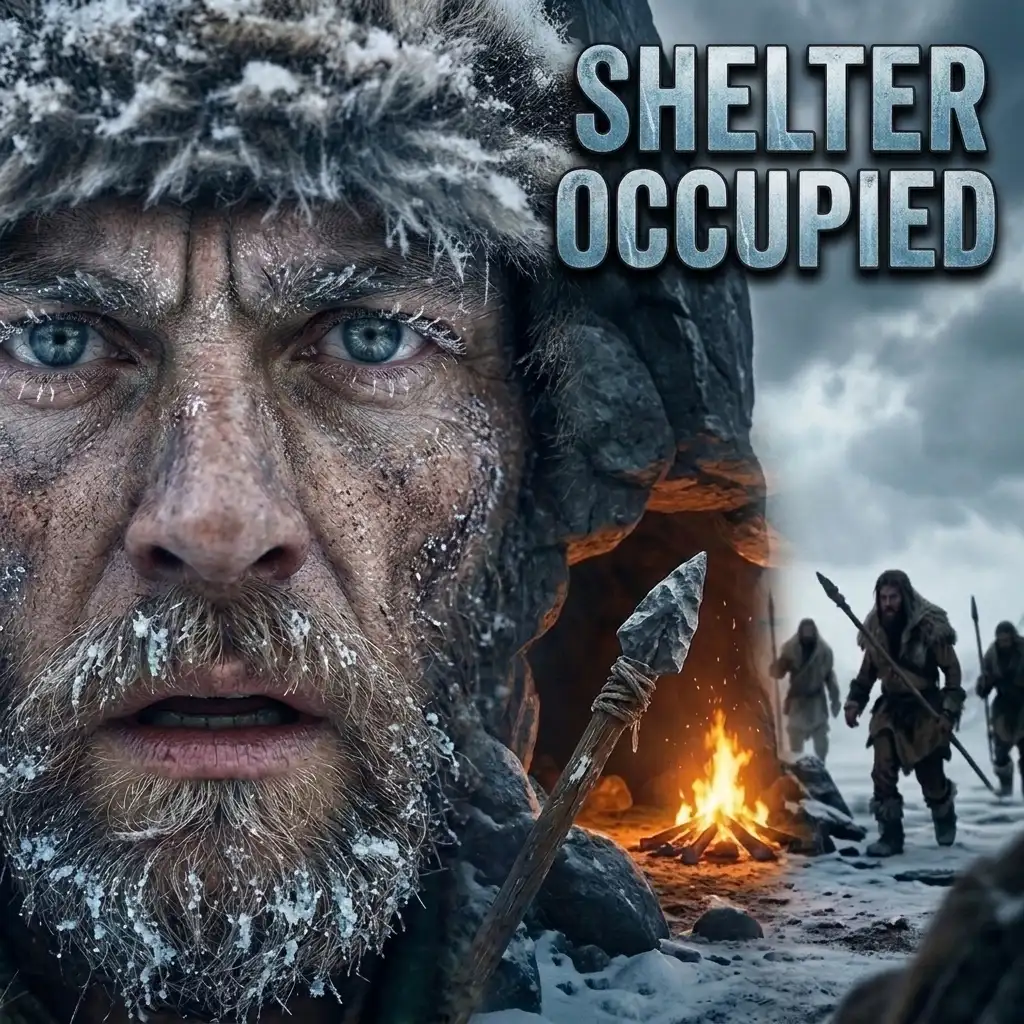
➡️Life 20,000 Years Ago | When Strangers Claim Your Winter Shelter 🚨
FAQs
What are the primary challenges faced in protecting children during ice age climates?
During ice age climates, the primary challenges include extreme cold temperatures, scarcity of food resources, and the need for adequate shelter. These conditions can lead to health issues such as hypothermia and malnutrition, making it crucial to develop strategies for warmth, nutrition, and safety.
How did ancient societies adapt to protect children in ice age environments?
Ancient societies adapted by creating insulated shelters using materials like animal hides and snow, which provided warmth. They also developed clothing made from fur and other warm materials, and established communal living arrangements to share resources and protect vulnerable members, including children.
What role did diet play in the survival of children during ice ages?
Diet was critical for survival, as children required sufficient nutrition to grow and maintain body heat. Communities relied on hunting, fishing, and gathering to provide a balanced diet rich in proteins and fats, which were essential for energy and development in harsh climates.
How did social structures influence the protection of children in ice age climates?
Social structures played a significant role in the protection of children, as cooperative groups or tribes often worked together to ensure the safety and well-being of all members. Elders and experienced hunters would share knowledge and resources, creating a support system that prioritized the needs of children.
What modern lessons can be learned from the struggle to protect children in ice age climates?
Modern lessons include the importance of community support, resource sharing, and adaptive strategies in the face of environmental challenges. Understanding historical survival tactics can inform current practices in disaster preparedness and child welfare in extreme conditions.