The fossilized remnants of ancient hearths, fragmented pottery shards, and the clustered arrangements of dwellings speak volumes to archaeologists about a fundamental aspect of early human existence: shared living spaces. Far from the solitary hunter-gatherer envisioned in some popular depictions, evidence increasingly points towards a profound social dimension in prehistoric life, where communities coalesced and thrived within communal structures. This article delves into the archaeological insights that illuminate the nature, function, and evolution of these shared prehistoric living spaces, offering a glimpse into the foundations of human society.
Echoes in the Earth: Uncovering Communal Dwellings
The physical evidence of shared living spaces is often buried deep within the earth, patiently awaiting the meticulous work of archaeologists. These discoveries, ranging from the remains of simple shelters to elaborate complexes, are not mere collections of artifacts but intricate narratives of human cooperation and social organization. The interpretation of these sites relies on a multi-faceted approach, integrating the analysis of structural remains, the spatial distribution of artifacts, and the environmental context in which they are found.
The Foundations of Shelter: Architectural Evidence
The most direct evidence for shared living comes from the architectural features of prehistoric settlements. While the materials and construction techniques varied enormously across time and geography, a common thread is the presence of multiple distinct activity areas or domestic units within a confined space. In early Paleolithic periods, evidence might be as subtle as a cluster of fire pits or windbreaks, suggesting temporary encampments where small groups shared resources and shelter. As societies developed, more permanent structures emerged.
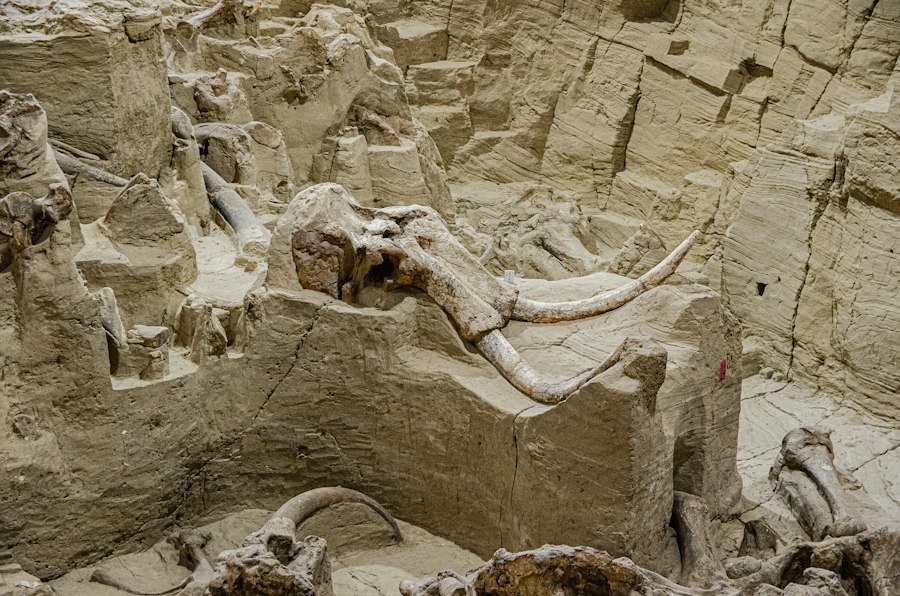
Consider the Magdalenian period in Europe, where researchers have identified large, often circular, structures made of mammoth bones and hides, capable of housing several families. The presence of multiple hearths within a single structure, or the contiguous arrangement of smaller individual dwellings within a larger compound, strongly indicates communal living. In the Neolithic, the emergence of agriculture led to even larger and more organized settlements. Villages with distinct house plots, shared courtyards, and sometimes communal structures like granaries or meeting halls become prevalent. The sheer scale and coordination required to build and maintain these settlements underscore the importance of shared living and collective effort. For instance, the excavation of Çatalhöyük in Anatolia reveals a densely packed settlement where houses were built directly adjacent to one another, entered from the roof, suggesting a tightly knit community with shared access and communal responsibilities. The absence of distinct public spaces in some early Neolithic sites, with domestic life spilling out into communal areas, further reinforces the idea of integrated living.
The Hearth as the Heart: Domestic Spaces and Activity Areas
The hearth, the focal point of any dwelling, is a particularly potent indicator of shared living. The presence of multiple hearths within a single structure, or in close proximity, can signal the habitation of multiple families or social units. The distribution of artifacts around these hearths provides further clues. Different toolkits, varying types of faunal remains, or distinct ceramic traditions found in association with separate hearths can suggest individual or familial activity zones within a larger communal space.
The analysis of midden deposits, the accumulated refuse of human activity, also plays a crucial role. The nature of the discarded materials – food scraps, broken tools, discarded ornaments – and their spatial arrangement can reveal patterns of resource use and consumption within a shared living environment. For example, if evidence suggests that certain food processing activities are concentrated in one area while tool manufacturing occurs elsewhere within the same structure or compound, it points to a division of labor and shared space for different tasks. The study of microwear patterns on stone tools can also reveal their specific uses, and if different types of tools are found in distinct areas within a communal dwelling, it further substantiates the idea of specialized activity zones within a shared domestic sphere. The recognition of overlapping or intermingled artifact distributions can also indicate a shared use of space over time, with different groups contributing to the archaeological record within the same communal setting.
Beyond the Dwelling: Communal Infrastructure and Public Spaces
The evidence for shared living extends beyond the confines of individual dwellings to encompass communal infrastructure and even nascent forms of public spaces. The construction of shared resources like wells, communal storage facilities, or defensive walls necessitates a level of cooperation and organization that is indicative of strong social bonds. The presence of communal burial sites, particularly those with evidence of collective interment or shared funerate rituals, also points to a shared sense of community and belonging that transcended individual households.
In some cases, archaeologists have identified structures that appear to have served a communal purpose rather than a strictly domestic one. These might include large open areas within settlements that could have been used for social gatherings, ceremonies, or public pronouncements. The size and organization of these spaces suggest a deliberate investment in communal life, fostering social cohesion and reinforcing group identity. The discovery of monumental architecture, even in early periods, such as henges or earthworks, while often debated in terms of their precise function, frequently implies the mobilization of significant labor and coordination, indicative of a society capable of undertaking large-scale communal projects. The presence of well-defined pathways or roads connecting different parts of a settlement also speaks to a shared infrastructure and a need for organized movement within the community.
Recent archaeological insights into shared prehistoric living spaces have shed light on the social dynamics and communal practices of early human societies. These findings reveal how collaborative living arrangements may have influenced the development of culture and community bonds. For a deeper understanding of how modern development strategies can reflect historical communal practices, you can explore the article on Mexico’s strategic development industrial zone plan at this link.
The Social Fabric: Motivations for Communal Living
The question of why early humans chose to live communally is as compelling as the archaeological evidence itself. While a single overarching answer is unlikely, several key drivers, deeply rooted in the challenges and opportunities of prehistoric life, likely contributed to the rise and persistence of shared living spaces. These motivations range from the fundamental need for survival to the complex social and psychological benefits derived from group living.
Strength in Numbers: Defense and Security
One of the most compelling reasons for early humans to live communally was the undeniable advantage it offered for defense and security. In an environment fraught with predators and potential human rivals, a larger group could provide a more effective deterrent and a stronger collective defense. Communal living allowed for shared vigilance, with individuals taking turns to watch for threats, thereby increasing the overall security of the group.
The archaeological record provides indirect evidence for this. Settlements located in defensible positions, such as on hilltops or near natural barriers, often exhibit evidence of collective construction efforts for fortifications or palisades. The presence of projectile points or defensive structures within or around settlements can be interpreted as a response to perceived threats, and the ability to mount such defenses would have been significantly enhanced by a communal living arrangement. The social structure required to organize and execute such defensive measures, including the coordination of sentry duties and the mobilization of group members during attacks, further highlights the benefits of a shared living framework. The establishment of communal living spaces might have been a strategic adaptation to minimize individual vulnerability and maximize collective protection in a dangerous world.
Resource Sharing and Economic Efficiency
The pooling of resources and the sharing of labor within a communal living arrangement offered significant economic advantages. Hunter-gatherer groups, in particular, would have benefited from sharing the spoils of the hunt and the products of foraging expeditions. This ensured a more stable and predictable food supply for all members of the group, buffering against individual failures or periods of scarcity.
Archaeological evidence, such as the distribution of faunal remains or the presence of shared processing areas for food, can support this hypothesis. If butchered animal carcasses are found to be distributed across multiple hearths or domestic units within a communal dwelling, it suggests a shared consumption pattern. Similarly, the presence of communal storage facilities, such as pit houses or granaries in later periods, indicates a collective effort to manage and preserve resources for the benefit of the entire community. The efficiency gained through specialized labor within a shared living context, where individuals might focus on specific tasks like tool-making, food preparation, or childcare, would have further enhanced the group’s overall productivity and survival. This cooperative approach to resource management and labor division is a hallmark of successful early communities.
Social Cohesion and Knowledge Transmission
Beyond the practicalities of survival and resource management, communal living fostered essential social bonds and facilitated the transmission of knowledge and cultural practices. Living in close proximity allowed for constant social interaction, strengthening relationships, and developing a shared identity. This social cohesion was vital for maintaining group stability and cooperation.
The development of complex social norms, rituals, and belief systems is intrinsically linked to communal living. Shared activities, such as collective ceremonies, storytelling, or the passing down of hunting techniques and tool-making skills, would have occurred within these shared spaces. Archaeological evidence, while often indirect, can hint at these social dynamics. The presence of identical or similar artifacts across multiple domestic units within a settlement can indicate shared cultural traditions or practices. Artistic expressions, such as cave paintings or portable art, found within or in proximity to communal living sites, may offer insights into shared beliefs and cosmologies. The very act of raising children in a communal environment would have provided ample opportunities for social learning and the enculturation of younger generations into the norms and values of the group.
Evolution of Communal Spaces: From Transient Camps to Permanent Villages
The concept of shared living was not static but evolved over vast stretches of time, adapting to changing environmental conditions, technological advancements, and shifts in social organization. The archaeological record reveals a fascinating trajectory from the relatively ephemeral shelters of early humans to the complex, organized villages of later prehistoric periods.
Early Migrations and Temporary Encampments
In the earliest phases of human prehistory, during the Paleolithic, shared living spaces were likely more transient. Small bands of hunter-gatherers moved across landscapes, following animal herds and seasonal plant resources. Their shelters were often temporary, adapted to immediate needs and the available materials. Evidence for these early communal living spaces might include clusters of fire pits, windbreaks constructed from branches and hides, or natural shelters like caves that were shared by groups.
The size of these early groups would have been relatively small, perhaps ranging from 20 to 50 individuals, reflecting the carrying capacity of their environments and the logistical challenges of mobility. The organization within these temporary encampments was likely based on kinship ties and reciprocal relationships. While not as structured as later permanent settlements, these early forms of communal living laid the groundwork for future social developments, establishing patterns of cooperation and shared resource utilization that would persist and become more elaborate over time. The discovery of multiple toolkits or distinct activity areas within a single cave, for example, suggests the cohabitation of different individuals or families within a shared, albeit temporary, dwelling.
The Neolithic Revolution and Sedentism
The advent of the Neolithic Revolution, marked by the development of agriculture and animal domestication, represented a profound turning point in the evolution of human settlement patterns. This shift towards sedentism, the practice of living in one place for extended periods, allowed for the development of more permanent and elaborate communal living spaces.
The need to cultivate crops and manage livestock encouraged people to establish stable communities. Villages began to emerge, characterized by more substantial dwellings, often built from mudbrick, stone, or timber. These houses were frequently clustered together, sometimes forming a continuous urban fabric as seen in sites like Çatalhöyük. The increased population densities in these Neolithic villages necessitated more formalized social structures and a greater reliance on communal cooperation for managing shared resources, such as water, agricultural land, and communal storage. The architectural evidence of these settlements, with their planned layouts and shared infrastructure, speaks volumes about the increased scale and complexity of communal living that arose with the advent of agriculture. The development of specialized tools for farming and the management of domesticated animals further indicate a more sedentary and organized way of life, fostering closer social ties within communal settings.
The Rise of Complex Societies and Larger Settlements
As human societies grew and became more complex, so too did their communal living spaces. The later prehistoric periods, including the Bronze Age and Iron Age, witnessed the development of larger settlements, often referred to as towns or even proto-cities. These larger settlements were characterized by more sophisticated architecture, including multi-roomed houses, public buildings, and organized infrastructure like roads and drainage systems.
The increased scale of these settlements often correlated with a more hierarchical social structure, with evidence of social stratification appearing in the archaeological record. Communal living continued to be a dominant mode of existence, but the nature of these shared spaces began to reflect these developing social complexities. There might be distinct neighborhoods or districts within a settlement, each with its own communal areas, or the emergence of public spaces dedicated to governance, religious ceremonies, or trade. The construction of defensive walls around these larger settlements further underscores the continued importance of collective security in an increasingly interconnected and sometimes competitive world. The sheer labor investment required to construct and maintain these larger settlements highlights the enduring power of communal organization and shared purpose.
Interpreting the Evidence: Challenges and Methodologies
Unraveling the intricacies of shared prehistoric living spaces presents archaeologists with a unique set of challenges. The very nature of time, erosion, and subsequent human activity can obscure or destroy vital evidence. However, through the application of sophisticated methodologies and a nuanced understanding of human behavior, researchers continue to make significant strides in reconstructing these ancient communal lives.
The Fragility of the Past: Preservation and Disturbance
One of the primary challenges in studying shared prehistoric living spaces is the issue of preservation. Organic materials, such as wooden structures, textiles, and food remains, are often the first to decay, leaving behind only subtle traces or no evidence at all. Sites that have been subjected to prolonged periods of erosion, flooding, or subsequent human occupation can also suffer significant disturbance, making it difficult to distinguish original features from later alterations.
Furthermore, the interpretation of artifact distributions can be complicated by taphonomic processes – the natural or cultural factors that affect the way organic and inorganic materials are preserved and deposited. For instance, animal activity can scatter artifacts, or natural decay can lead to the selective preservation of certain types of materials, potentially skewing our understanding of past activities. The lack of clear, well-preserved examples of every type of prehistoric dwelling means that archaeologists often have to rely on comparative analysis and inferential reasoning, drawing parallels between different sites and periods to build a comprehensive picture. The inherent difficulty in definitively dating certain features or events can also add layers of complexity to the interpretation of shared living patterns.
Advanced Techniques: Spatial Analysis and Scientific Dating
To overcome these challenges, archaeologists employ a suite of advanced techniques. Spatial analysis, for example, is crucial for understanding the organization of space within a settlement. By meticulously mapping the location of artifacts, features, and structures, researchers can identify patterns of activity, distinct domestic units, and potential communal areas. Geographic Information Systems (GIS) have become indispensable tools in this regard, allowing for the visualization and analysis of large datasets and complex spatial relationships.
Scientific dating methods, such as radiocarbon dating and thermoluminescence, are essential for establishing the chronology of settlements and the phasing of different structures. These techniques provide a more precise timeline for the evolution of communal living and allow researchers to differentiate between contemporaneous and sequential occupations. Furthermore, a range of scientific analyses can be applied to artifacts and environmental samples. Isotope analysis of human and animal remains can reveal dietary patterns and mobility, while residue analysis of pottery and tools can provide information about their use. The analysis of paleobotanical remains (seeds, pollen) and zooarchaeological data (animal bones) offers insights into subsistence strategies and the environment in which these communities lived. These multi-disciplinary approaches allow for a more holistic and robust interpretation of the archaeological record.
Reconstructing Social Dynamics: Beyond the Material
While material evidence is the bedrock of archaeological investigation, reconstructing the social dynamics of shared living requires a degree of inferential reasoning and the application of anthropological models. Archaeologists seek to understand not just where people lived together, but how they interacted, their social hierarchies, and their kinship structures.
This involves looking beyond individual artifacts and structures to consider the broader patterns of behavior and organization they represent. For example, the distribution of elaborate burials within or near communal living sites might suggest social stratification, with certain individuals or families receiving preferential treatment. The presence of specialized craft production areas could indicate the development of social roles and economic interdependence. Comparative ethnography, the study of contemporary or historically documented human societies, can provide valuable models for understanding potential social structures and behaviors in prehistoric contexts, though it must be applied with caution and an awareness of the vast differences in time and environment. Ultimately, the interpretation of shared prehistoric living spaces is an ongoing process of inquiry, a continuous dialogue between the tangible remnants of the past and the evolving understanding of human sociality.
Recent archaeological insights into shared prehistoric living spaces reveal fascinating aspects of early human social structures and communal living. These findings suggest that collaboration and resource sharing were essential for survival in ancient times, much like the modern challenges we face today. For a deeper understanding of how communal living can impact our lives, you might find it interesting to explore this article on surviving economic hardships, which discusses the importance of community support in difficult times. You can read more about it here.
The Enduring Legacy of Communal Living
| Site Name | Location | Estimated Age (Years BP) | Type of Shared Space | Key Archaeological Findings | Significance |
|---|---|---|---|---|---|
| Çatalhöyük | Turkey | 9,000 – 7,500 | Neolithic Settlement | Dense housing without streets, shared walls, communal spaces | Early example of urban living and social organization |
| Skara Brae | Scotland | 5,000 – 4,500 | Stone-built Village | Shared hearths, furniture, and storage areas within clustered homes | Insight into communal domestic life in prehistoric Europe |
| Dolní Věstonice | Czech Republic | 30,000 – 27,000 | Upper Paleolithic Camp | Communal hearths, shared tool production areas, burial sites | Evidence of social cooperation and ritual practices |
| Jomon Sannai-Maruyama | Japan | 5,500 – 4,000 | Prehistoric Village | Large pit houses, communal storage pits, shared ceremonial spaces | Demonstrates complex social structures in hunter-gatherer societies |
| Blombos Cave | South Africa | 100,000 – 70,000 | Early Human Habitation Site | Evidence of symbolic artifacts, shared living areas, and tool use | Highlights cognitive and social development in early Homo sapiens |
The study of shared prehistoric living spaces is not merely an academic exercise; it offers profound insights into the very foundations of human society. The evidence unearthed by archaeologists reveals that cooperation, interdependence, and the formation of close-knit communities were not late developments but fundamental aspects of human existence from our earliest beginnings. These ancient communal arrangements provided the fertile ground from which complex social structures, cultural traditions, and ultimately, civilization itself, would emerge.
From Shared Hearth to Modern Society
The legacy of these early communal living spaces is deeply embedded in the fabric of contemporary human society. While our dwellings and social structures have evolved dramatically, the fundamental human need for connection, cooperation, and belonging, which drove our ancestors to share hearths and homes, remains a powerful force. The patterns of resource sharing, mutual support, and collective endeavor observed in prehistoric settlements continue to resonate in modern families, communities, and nations.
The archaeological study of these ancient spaces allows us to trace the lineage of these essential human traits, demonstrating that cooperation and social cohesion are not merely emergent properties of complex societies but deeply ingrained aspects of our evolutionary history. Understanding these early communal foundations provides a vital perspective on the enduring nature of human sociality and the critical role of collective living in our species’ success and development. It reminds us that the challenges and triumphs of early humanity were often met through shared effort and the strength found in togetherness, a lesson that continues to hold relevance in the complexities of the modern world.
Rethinking Prehistory: A More Social Perspective
The ongoing discoveries and re-evaluations in archaeology are increasingly painting a picture of prehistoric life that is far more social and interconnected than previously imagined. The emphasis is shifting from the solitary hunter or isolated individual to the collaborative group, the extended family, and the burgeoning community. This nuanced understanding of shared living spaces challenges simplistic narratives and offers a richer, more accurate portrayal of our ancestors.
By meticulously piecing together the fragments of their lives from the archaeological record, researchers are demonstrating that early humans were not simply surviving but actively building societies, fostering relationships, and creating shared cultural experiences. This evolving perspective underscores the inherent social nature of humanity and highlights the profound importance of communal living in shaping our past, present, and future. The ongoing exploration of these ancient spaces continues to reveal the intricate tapestry of human connection that has been woven throughout our long history.

➡️Life 20,000 Years Ago | When Strangers Claim Your Winter Shelter 🚨
FAQs
What are shared prehistoric living spaces?
Shared prehistoric living spaces refer to communal areas where early humans lived, worked, and interacted. These spaces often included structures such as huts or caves that were used by groups of people, indicating social organization and cooperation among prehistoric communities.
What archaeological methods are used to study these living spaces?
Archaeologists employ various methods to study shared prehistoric living spaces, including excavation, stratigraphy, and analysis of artifacts. Techniques such as radiocarbon dating and dendrochronology help determine the age of the sites, while spatial analysis reveals patterns of habitation and resource use.
What insights have been gained from studying these spaces?
Research into shared prehistoric living spaces has provided insights into social structures, subsistence strategies, and cultural practices of early humans. Findings suggest that cooperation and communal living were essential for survival, influencing the development of social norms and community dynamics.
How do these findings impact our understanding of human evolution?
Understanding shared prehistoric living spaces sheds light on the evolution of social behavior in humans. It suggests that the ability to live and work together in groups may have been a significant factor in the survival and adaptation of early human populations, influencing cognitive and social development.
What are some notable archaeological sites that illustrate shared living spaces?
Notable archaeological sites that illustrate shared prehistoric living spaces include Çatalhöyük in Turkey, which features densely packed mudbrick houses, and the cave dwellings at Lascaux in France, known for their remarkable cave paintings. These sites provide valuable evidence of communal living and cultural expression in prehistoric times.