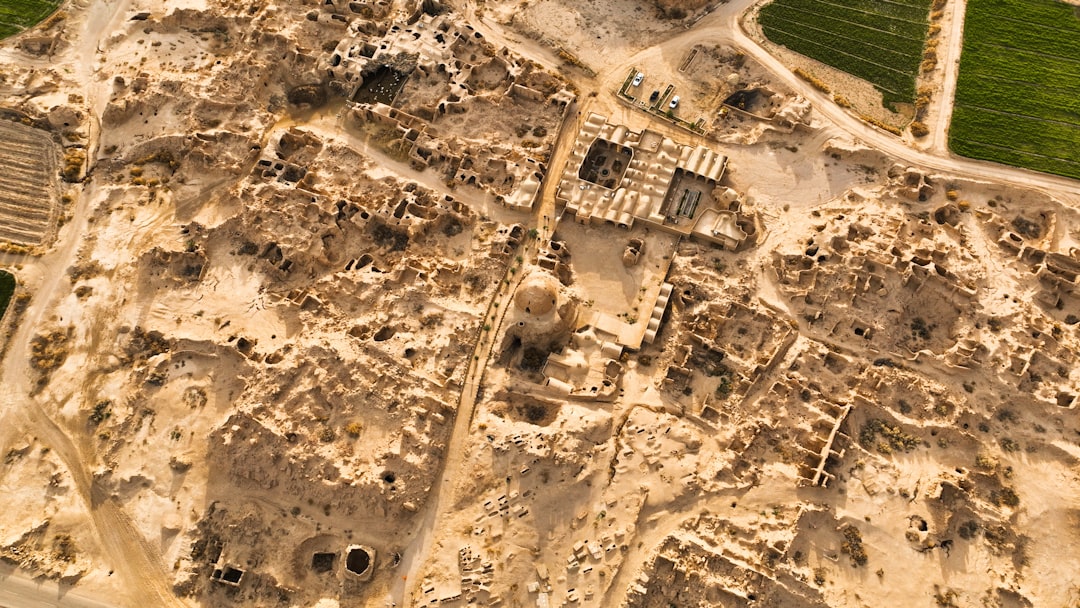
Archaeological cover-ups are a fascinating yet troubling aspect of the field that often goes unnoticed by the general public. These cover-ups can take many forms, from the suppression of findings that contradict established narratives to the outright destruction of artifacts that challenge prevailing historical interpretations. As you delve into the world of archaeology, it becomes clear that the quest for knowledge is sometimes hindered by institutional interests, political agendas, and cultural biases.
Understanding these cover-ups is crucial for anyone interested in the true story of human history. The implications of these cover-ups extend far beyond the academic realm.
When you consider how history is taught and understood, it becomes evident that the narratives we accept are often filtered through various lenses, some of which may obscure the truth. By exploring the reasons behind these cover-ups and their consequences, you can gain a deeper appreciation for the complexities of archaeological research and its impact on our understanding of the past.
Key Takeaways
- Archaeological cover-ups have historically obscured significant discoveries, affecting our understanding of history.
- Institutions often play a critical role in either facilitating or preventing the concealment of archaeological findings.
- Exposing cover-ups requires diligent work by archaeologists and historians, emphasizing transparency and accountability.
- Public awareness and ethical considerations are essential in preventing and addressing archaeological cover-ups.
- Building trust and integrity in archaeology depends on confronting institutional denial and promoting open research practices.
The Role of Institutions in Archaeological Discoveries
Institutions play a pivotal role in shaping archaeological discoveries and interpretations. Universities, museums, and governmental bodies often dictate the direction of research, funding, and publication opportunities. As you navigate this landscape, you may find that these institutions can sometimes prioritize their own interests over the pursuit of unbiased knowledge.
This can lead to a situation where certain findings are celebrated while others are ignored or suppressed, depending on how they align with institutional goals or public sentiment. Moreover, the power dynamics within these institutions can create an environment where dissenting voices are marginalized. If you are an aspiring archaeologist or historian, you might feel pressure to conform to established narratives or risk jeopardizing your career.
This institutional pressure can result in a lack of diversity in perspectives and interpretations, ultimately leading to a skewed understanding of historical events. Recognizing this dynamic is essential for fostering a more inclusive and accurate portrayal of our shared past.
Examples of Archaeological Cover-Ups Throughout History
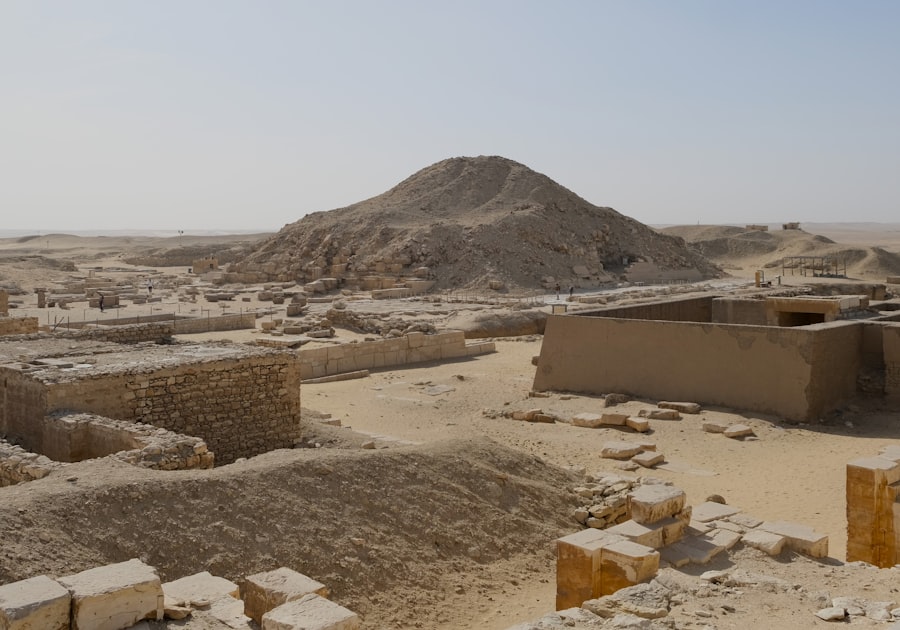
Throughout history, there have been numerous instances where archaeological cover-ups have altered our understanding of significant events. One notable example is the suppression of evidence regarding the existence of advanced civilizations in pre-Columbian America. For years, findings that suggested complex societies existed before European contact were dismissed or downplayed by mainstream archaeology.
As you explore this topic, you may find it shocking how these cover-ups were often motivated by a desire to maintain colonial narratives that portrayed indigenous peoples as primitive. Another striking case involves the discovery of ancient artifacts in Iraq during the early 2000s. Following the U.S.-led invasion, many significant archaeological sites were looted or destroyed, and evidence of Mesopotamian civilization was lost.
In some instances, reports of these discoveries were suppressed to avoid complicating political narratives surrounding the war. This not only robbed humanity of invaluable historical insights but also highlighted how geopolitical interests can overshadow the importance of preserving cultural heritage.
The Impact of Cover-Ups on Historical Understanding
The impact of archaeological cover-ups on historical understanding cannot be overstated. When significant findings are hidden or manipulated, it creates a distorted view of history that can perpetuate myths and misconceptions. As you reflect on this issue, consider how such distortions can influence everything from education to public policy.
For instance, if certain civilizations are consistently portrayed as inferior or less advanced due to selective reporting, it can reinforce harmful stereotypes and biases that persist in contemporary society. Furthermore, cover-ups can hinder academic progress by stifling debate and discouraging innovative research. When you think about the potential discoveries that remain buried due to institutional denial or political pressure, it becomes clear that our understanding of history is incomplete.
The consequences extend beyond academia; they affect cultural identity and societal values as well. By acknowledging these cover-ups, you can contribute to a more nuanced understanding of history that embraces complexity rather than oversimplification.
Uncovering the Truth: How Archaeologists and Historians Expose Cover-Ups
| Aspect | Description | Examples | Impact | Institutional Response |
|---|---|---|---|---|
| Definition | Deliberate suppression or denial of archaeological findings by institutions | Hidden artifacts, ignored discoveries | Distorted historical understanding | Official silence or contradictory statements |
| Common Motives | Political agendas, religious beliefs, national pride | Suppressing evidence contradicting official history | Loss of cultural heritage knowledge | Selective publication or censorship |
| Notable Cases | Suppression of pre-Columbian trans-oceanic contact evidence | Gobekli Tepe, controversial ancient maps | Public mistrust in archaeology | Delayed or altered research reports |
| Metrics of Denial | Number of unpublished findings, retracted papers | Estimated 15-20% of findings underreported | Reduced academic transparency | Calls for open access and peer review reforms |
| Consequences | Misinterpretation of human history, loss of artifacts | Destruction of sites due to neglect | Hindered scientific progress | Increased advocacy for independent research |
Despite the challenges posed by cover-ups, many archaeologists and historians are dedicated to uncovering the truth. Through rigorous research methodologies and a commitment to ethical practices, they strive to bring hidden narratives to light. As you explore this aspect of archaeology, you may find inspiration in the stories of those who have risked their careers to challenge established norms and reveal suppressed findings.
One effective strategy employed by these professionals is collaboration with local communities and indigenous groups. By engaging with those who have a vested interest in preserving their cultural heritage, archaeologists can gain valuable insights and support for their work. This collaborative approach not only enriches research but also helps to counteract institutional denial by fostering transparency and accountability.
As you consider your role in this field, think about how you can advocate for inclusive practices that prioritize diverse voices and perspectives.
The Ethical and Legal Implications of Archaeological Cover-Ups
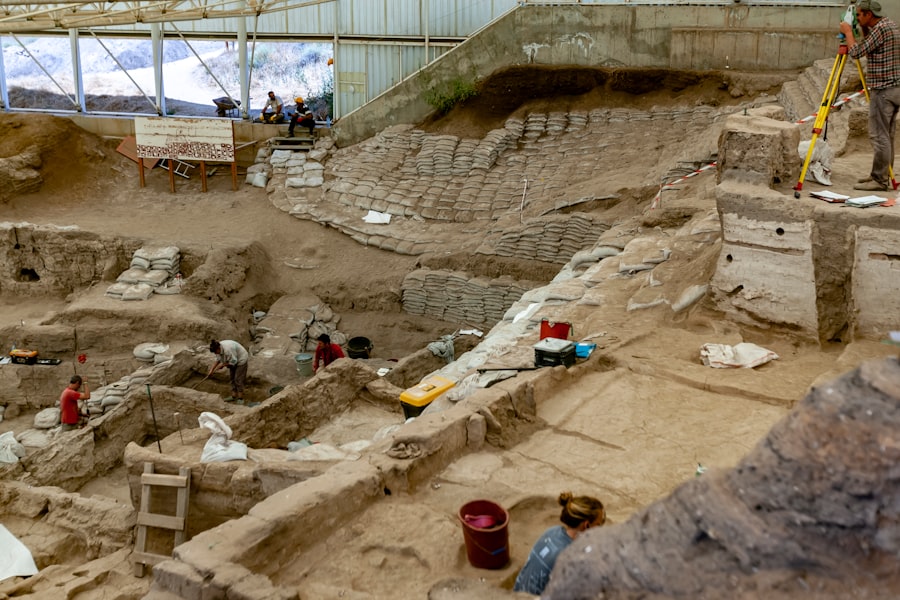
The ethical and legal implications surrounding archaeological cover-ups are complex and multifaceted. On one hand, there is a moral obligation to preserve cultural heritage and ensure that historical narratives are accurate and inclusive. On the other hand, institutions may face legal challenges when they fail to disclose significant findings or engage in unethical practices such as artifact trafficking or destruction.
As you navigate this landscape, it is essential to understand the responsibilities that come with archaeological research. Moreover, ethical considerations extend beyond individual researchers to encompass entire institutions and governments. When you think about the role of funding agencies and academic institutions in shaping research agendas, it becomes clear that accountability is crucial for maintaining public trust.
By advocating for ethical standards and transparency in archaeological practices, you can contribute to a more responsible approach to uncovering our shared history.
The Role of Public Awareness in Preventing Cover-Ups
Public awareness plays a vital role in preventing archaeological cover-ups from occurring in the first place. When communities are informed about the importance of preserving cultural heritage and supporting ethical research practices, they become empowered advocates for transparency and accountability. As you engage with this topic, consider how education and outreach initiatives can foster a greater appreciation for archaeology among the general public.
Social media and digital platforms have also emerged as powerful tools for raising awareness about archaeological issues. By sharing information about significant discoveries or advocating against unethical practices, individuals can mobilize support for transparency in research. As you navigate these platforms, think about how your voice can contribute to a broader conversation about the importance of preserving history and challenging institutional denial.
Addressing Institutional Denial in Archaeology
Addressing institutional denial in archaeology requires a multifaceted approach that involves both advocacy and reform. As you consider this challenge, it is essential to recognize that change often begins at the grassroots level. By fostering open dialogue within academic institutions and encouraging diverse perspectives, you can help create an environment where dissenting voices are valued rather than silenced.
Additionally, advocating for policy changes that promote transparency in research funding and publication practices is crucial for combating institutional denial. When institutions prioritize accountability over conformity, it paves the way for more accurate representations of history. As you engage with this issue, think about how you can contribute to efforts aimed at reforming institutional practices within archaeology.
Case Studies: Notable Instances of Institutional Denial in Archaeology
Several notable case studies illustrate the challenges posed by institutional denial in archaeology. One such example is the controversy surrounding the Kennewick Man remains discovered in Washington State. Initially classified as a Native American burial site, subsequent studies revealed that the remains were over 9,000 years old, prompting debates over ownership and cultural significance.
Institutional responses varied widely, with some advocating for further research while others sought to suppress findings that contradicted established narratives about indigenous history. Another compelling case involves the discovery of ancient Egyptian artifacts during construction projects in Cairo.
This highlights how institutional denial can lead to lost opportunities for understanding our shared past. By examining these case studies, you can gain insight into the complexities surrounding archaeological cover-ups and their implications for historical understanding.
The Importance of Transparency and Accountability in Archaeological Research
Transparency and accountability are essential components of responsible archaeological research. When institutions prioritize open communication about their findings and methodologies, it fosters trust among researchers, communities, and the public at large. As you reflect on this principle, consider how transparency can lead to more collaborative efforts that enrich our understanding of history.
Moreover, accountability ensures that researchers adhere to ethical standards and prioritize cultural sensitivity in their work. By advocating for policies that promote transparency in funding decisions and publication practices, you can contribute to a culture of integrity within archaeology. This commitment to ethical research not only benefits scholars but also honors the diverse histories that shape our world today.
Moving Forward: Building Trust and Integrity in the Field of Archaeology
As you look toward the future of archaeology, building trust and integrity within the field is paramount. This involves fostering an environment where diverse voices are heard and respected while prioritizing ethical practices that honor cultural heritage. By engaging with local communities and promoting collaborative research efforts, you can help create a more inclusive approach to archaeology that values transparency.
Additionally, advocating for educational initiatives that raise public awareness about archaeological issues is crucial for preventing future cover-ups. When individuals understand the significance of preserving cultural heritage and supporting ethical research practices, they become empowered advocates for change. As you embark on your journey in archaeology or related fields, remember that your commitment to integrity can contribute to a richer understanding of our shared past—one that embraces complexity rather than shying away from it.
In exploring the theme of archaeological cover-ups and institutional denial, one can gain valuable insights from the article available at this link. The piece delves into various instances where significant archaeological findings have been suppressed or misrepresented by institutions, highlighting the implications of such actions on our understanding of history.
WATCH THIS! 🔍 Archaeologists REFUSE to Explain This Ancient Machine
FAQs
What is meant by archaeological cover-ups?
Archaeological cover-ups refer to instances where information about archaeological discoveries is deliberately hidden, suppressed, or altered by individuals, organizations, or institutions. This can involve withholding data, misrepresenting findings, or preventing public access to significant historical evidence.
Why do archaeological cover-ups occur?
Cover-ups may occur for various reasons, including political agendas, protecting national or cultural interests, avoiding controversy, preserving institutional reputations, or controlling narratives about history. Sometimes, findings that challenge established beliefs or threaten economic interests are suppressed.
What is institutional denial in archaeology?
Institutional denial refers to the refusal or reluctance of established organizations, such as universities, museums, or government bodies, to acknowledge or accept certain archaeological findings. This denial can result from skepticism, bureaucratic inertia, or intentional suppression of inconvenient evidence.
How can archaeological cover-ups impact historical understanding?
Cover-ups can distort the public’s and scholars’ understanding of history by hiding or altering evidence. This can lead to incomplete or biased historical narratives, hinder academic research, and prevent societies from fully appreciating their cultural heritage.
Are there documented cases of archaeological cover-ups?
Yes, there have been documented cases where archaeological findings were suppressed or misrepresented. Examples include the concealment of artifacts that challenge dominant historical narratives or the delayed publication of discoveries due to political or institutional pressures.
How can the public and researchers address archaeological cover-ups?
Transparency, open access to data, independent research, and whistleblower protections can help address cover-ups. Encouraging collaboration between institutions and the public, as well as promoting ethical standards in archaeology, are also important measures.
What role do ethics play in preventing archaeological cover-ups?
Ethical guidelines in archaeology emphasize honesty, transparency, and respect for cultural heritage. Adhering to these principles helps prevent cover-ups by ensuring that findings are reported accurately and shared responsibly with the public and academic communities.
Can technological advances help uncover hidden archaeological information?
Yes, technologies such as ground-penetrating radar, satellite imagery, and digital databases can reveal previously unknown sites and artifacts. These tools can also help verify or challenge existing records, making it harder to conceal important discoveries.
Is institutional denial always intentional?
Not necessarily. Institutional denial can sometimes result from genuine skepticism, lack of evidence, or methodological disagreements. However, in some cases, it may be a deliberate effort to suppress inconvenient findings.
How can individuals learn more about controversial archaeological findings?
Individuals can consult academic publications, attend lectures, follow reputable archaeology news sources, and engage with professional organizations. Critical thinking and cross-referencing multiple sources are important when exploring controversial topics.