
The dimly lit recesses of ancient caves, long thought to be mere shelters from the elements, are now revealing a more complex story about our early ancestors. Recent archaeological discoveries and sophisticated analysis of cave sediments are painting a vibrant picture of early humans’ ingenuity, particularly in their mastery of food preservation. Far from simply consuming their kills on the spot, these early hominins, spanning millennia and diverse species, developed a remarkable array of techniques to store and safeguard their precious food resources, a crucial adaptation for survival in unpredictable environments. This newfound understanding challenges previous assumptions and underscores the sophisticated cognitive abilities and foresight of our distant relatives.
Unearthing Ancient Larders: The Archaeological Evidence
The physical remnants of food preservation are often subtle, requiring meticulous excavation and advanced scientific methods to detect. Archaeologists have long scoured cave floors and walls for evidence of human activity, and the persistent discovery of food-related artifacts, coupled with the absence of certain animal bones in specific contexts, has provided crucial clues. The interpretation of these findings, however, has evolved significantly with the advent of new analytical technologies, allowing for a deeper understanding of past behaviors.
The Significance of Bone Assemblages
The study of bone assemblages within cave sites offers a foundational layer of evidence. The types of animal bones found, their anatomical representation, and the presence of butchery marks all speak to how early humans procured and processed their food. However, the relative scarcity of certain bone types, or the disproportionate representation of specific skeletal elements in particular cave areas, can suggest deliberate selection and storage. For instance, a cave deposit might reveal a high concentration of long bones (rich in marrow) while other, less desirable parts are found in smaller quantities or in different locations, implying selective processing and storage. The absence of small animal bones, which are highly perishable and would likely be consumed quickly, can also be an indicator of preservation strategies.
Evidence of Smoked or Dried Meats
While direct evidence of ancient smoked or dried meats is exceptionally rare due to the organic nature of these materials, indirect indicators within caves provide compelling support for these methods. The analysis of residues found on ancient tools, such as scrapers and knives, can reveal traces of animal fats and proteins, suggesting their use in processing meat. Furthermore, the chemical signatures within cave sediments can sometimes point to the presence of smoke. Certain compounds, released during the incomplete combustion of wood, can become embedded in the soil and rock formations over long periods. While not conclusive on its own, when combined with other archaeological data, the detection of these smoke markers can strengthen the hypothesis of meat smoking as a preservation technique.
Fermentation and Storage in Containers
Evidence for fermentation, another key preservation method, is more challenging to find directly. However, the discovery of various types of pottery or other rudimentary containers, even if not explicitly found with preserved food, hints at their potential use for storing fermented substances. The analysis of residues within these vessels, even after millennia, can sometimes reveal the presence of organic acids or other byproducts of fermentation. Moreover, ethnographic parallels with modern indigenous groups who utilize similar fermentation techniques for food preservation offer valuable comparative insights. The location of these potential storage vessels within caves, perhaps in cooler, more stable microclimates, further supports this interpretation.
Early humans faced significant challenges in preserving food, especially in the harsh environments of caves where they sought refuge. Their innovative methods included drying, smoking, and fermenting food to extend its shelf life, allowing them to survive during periods of scarcity. For a deeper understanding of how ancient practices of food preservation have evolved and their implications on modern food security, you can explore a related article that discusses contemporary issues in food markets and preservation techniques at this link.
Adapting to the Environment: Cave Microclimates and Food Storage
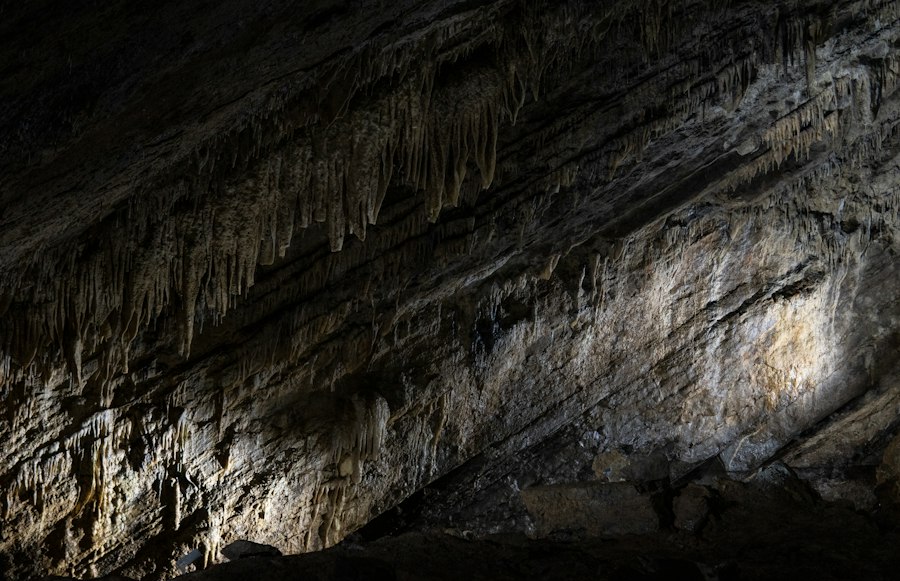
Caves, by their very nature, offer a unique and often stable environment, providing natural advantages for food preservation. Early humans, with their keen observational skills, would have recognized and exploited these inherent qualities to extend the edibility of their gathered and hunted resources. The specific characteristics of different cave formations played a crucial role in determining the most effective preservation strategies employed by these ancient populations.
The Role of Temperature Stability
One of the most significant benefits of caves for food preservation is their relatively stable temperature. Unlike the fluctuating surface temperatures exposed to diurnal and seasonal changes, the interior of a cave typically remains cooler and more consistent throughout the year. This constant cool temperature significantly slows down the rate of bacterial growth and decomposition, a fundamental principle of food preservation. Early humans would have learned through trial and error, or perhaps through observation of natural processes, that placing food in these cool environments extended its shelf life. This allowed for a more reliable food supply, reducing the dependence on immediate consumption and mitigating the risks of starvation during lean periods.
Humidity Control and Airflow
The humidity levels within caves can vary, and this factor would have been equally important for different preservation techniques. For methods like drying, a cave with lower humidity and some degree of natural airflow would have been ideal. These conditions facilitate the evaporation of moisture from food, a critical step in preventing spoilage. Conversely, for fermentation, a certain level of controlled humidity might have been beneficial to foster the growth of beneficial microorganisms. Early humans would have likely understood, even without scientific terminology, which areas of a cave offered optimal conditions for specific types of food storage based on the feel of the air and the observed rate of spoilage.
Protection from Pests and Predators
Beyond temperature and humidity, caves offered a crucial advantage in shielding stored food from pests and predators. Surface environments expose food to a wide array of scavenging animals and insects, which can quickly consume or contaminate any stored provisions. The enclosed and often defensible nature of caves provided a secure larder, protecting valuable food resources from spoilage and theft by other animals. This added layer of security was vital for ensuring that stored food was available when needed, especially during times of scarcity or when the availability of fresh food was limited.
Ingenuity in Practice: Specific Preservation Techniques

The archaeological record, when interpreted through the lens of ecological understanding and human behavioral inference, points to a diverse toolkit of food preservation methods employed by early humans. These techniques were not necessarily monolithic across all early human populations but evolved and adapted based on available resources, environmental conditions, and cultural traditions.
Smoking and Drying: Extending the Shelf Life of Meat
The techniques of smoking and drying were likely among the earliest and most effective methods for preserving meat. Early humans would have observed the preservative effects of smoke, perhaps from wildfires, and applied this knowledge to their own practices. Meat would have been hung near smoky fires, allowing the smoke to not only impart flavor but also to act as a drying agent and an antimicrobial. Drying, either through sun-drying in open areas or in naturally dry cave environments, would have removed moisture content, inhibiting bacterial growth. These methods were particularly crucial for preserving larger quantities of meat, allowing communities to benefit from successful hunts over extended periods.
Fermentation: Harnessing Microbial Action
Fermentation offered another sophisticated method of food preservation, particularly for plant-based foods and dairy products (where applicable). By introducing specific microorganisms, early humans could transform food, not only preserving it but also enhancing its nutritional value and digestibility. Lactic acid fermentation, for example, creates an acidic environment that inhibits the growth of spoilage bacteria. This could have been applied to gathered fruits, vegetables, and even grains. The discovery of rudimentary storage vessels within caves lends credence to the idea that fermented products were intentionally stored and consumed.
Root Cellaring and Natural Refrigeration
Beyond immediate preservation, early humans also utilized the natural cooling properties of certain cave features for long-term storage. Areas with consistently low temperatures, such as deep fissures or naturally insulated chambers, could have served as rudimentary root cellars. This would have been particularly effective for storing root vegetables, tubers, and other perishable plant matter. By burying these items in cool earth within the cave or placing them in naturally frigid pockets, early humans could significantly extend their usability, providing a vital food source through seasons when fresh produce was scarce.
Cognitive and Social Implications of Food Preservation
The ability to preserve food extends beyond mere survival; it represents a significant leap in cognitive development and has profound implications for the social structures and behaviors of early human societies. The foresight, planning, and cooperation required for effective food storage highlight the growing complexity of their lives.
Planning and Foresight: A Shift in Subsistence Strategies
The development of food preservation techniques signifies a crucial shift from a purely opportunistic subsistence strategy to one of deliberate planning and foresight. Instead of solely relying on the immediate availability of food, early humans began to think about the future, anticipating periods of scarcity and taking proactive measures to ensure their survival. This ability to project into the future and plan accordingly is a hallmark of advanced cognitive capabilities, including abstract thought and temporal reasoning. It allowed for greater stability in their lives, reducing the constant pressure of immediate hunger.
The Development of Social Structures and Cooperation
Effective food preservation often necessitates a degree of social organization and cooperation. The successful storage and distribution of surplus food would have required communal effort in hunting, gathering, processing, and safeguarding these resources. This could have led to the development of more complex social structures, with individuals or groups taking on specific roles related to food management. The equitable distribution of preserved food would have been essential for maintaining social cohesion and preventing conflict within the group. This collective effort would have strengthened bonds and fostered a sense of shared responsibility.
Impact on Nomadic vs. Sedentary Lifestyles
The ability to preserve food would have had a direct impact on the mobility patterns of early human groups. While not necessarily leading to full-blown sedentism in all cases, the existence of storable food resources would have reduced the constant need to move in search of immediate sustenance. This could have allowed for longer stays in resource-rich areas, potentially leading to the development of more permanent or semi-permanent settlements. The ability to buffer against food shortages through preservation would have provided the freedom to explore and exploit a wider range of environments, contributing to the eventual dispersal and diversification of early human populations across the globe.
Early humans faced significant challenges in preserving food, especially in the harsh environments of caves where they sought refuge. They developed various techniques to manage scarce food resources, such as drying, smoking, and fermenting, which allowed them to extend the shelf life of their provisions. These methods not only ensured survival during lean times but also contributed to the development of early culinary practices. For a deeper understanding of how resource management has evolved over time, you can explore this insightful article on financial preservation strategies, which draws parallels to the ancient practices of food storage and conservation. Check it out here.
Legacy and Modern Relevance: Lessons from Our Ancestors
| Method | Description | Effectiveness | Materials Used | Duration of Preservation |
|---|---|---|---|---|
| Drying | Removing moisture from food by air or sun drying inside cave entrances | Moderate | Animal meat, fruits, herbs | Several days to weeks |
| Smoking | Exposing food to smoke from fire to inhibit bacterial growth | High | Meat, fish | Weeks to months |
| Cold Storage | Using naturally cool cave temperatures to slow spoilage | Moderate | Meat, fruits, tubers | Days to weeks |
| Burial in Earth | Storing food underground in cool, dark areas of caves | Low to Moderate | Roots, tubers, some meats | Several days |
| Fermentation | Allowing natural fermentation to preserve and enhance food | Variable | Fruits, tubers | Weeks to months |
The discoveries of early human food preservation techniques in caves are not just historical curiosities; they offer valuable insights that resonate with modern challenges and underscore the enduring importance of resourcefulness and adaptation. Understanding these ancient practices can inform contemporary approaches to food security and highlight the fundamental human drive to innovate.
The Foundation of Modern Food Security
The fundamental principles employed by early humans in their quest for food preservation – controlling temperature, reducing moisture, and utilizing natural processes – form the bedrock of modern food security systems. Techniques like refrigeration, freezing, drying, and fermentation, while technologically advanced, are all rooted in the same biological and physical principles that our ancestors intuitively understood and exploited. The continued reliance on these methods in the 21st century highlights the timeless effectiveness of these ancient innovations.
Lessons in Sustainability and Resourcefulness
The food preservation strategies of early humans were inherently sustainable. They relied on natural processes and readily available resources, minimizing waste and environmental impact. This contrasts sharply with some of the resource-intensive food production and preservation methods prevalent today. Studying these ancient practices can offer valuable lessons in sustainability, encouraging a more mindful approach to resource utilization and waste reduction. It reminds us of the ingenuity that can be achieved with limited technology, emphasizing resourcefulness and deep understanding of natural systems.
The Enduring Human Drive for Innovation
The archaeological evidence of food preservation in caves serves as a powerful testament to the enduring human drive for innovation and problem-solving. Faced with the fundamental challenge of survival, early humans demonstrated remarkable adaptability and creativity. Their ability to observe, experiment, and develop complex solutions speaks to the inherent capacity for ingenuity that has defined our species. This legacy of innovation continues to shape our world today, driving advancements in countless fields and reminding us that solutions often lie in understanding and working with, rather than against, the natural world. The caves, once silent witnesses, now speak volumes about the cleverness and resilience of our earliest ancestors, providing a profound connection to our shared past and offering timeless wisdom for our future.

➡️Life 20,000 Years Ago | When Strangers Claim Your Winter Shelter 🚨
FAQs
What methods did early humans use for food preservation in caves?
Early humans utilized several methods for food preservation in caves, including drying, smoking, and salting. These techniques helped to reduce moisture content and inhibit the growth of bacteria, allowing them to store food for longer periods.
Why were caves chosen as storage locations for food?
Caves provided a naturally cool and stable environment, which was ideal for food preservation. The consistent temperature and humidity levels in caves helped to slow down spoilage and protect food from pests and environmental factors.
What types of food were commonly preserved by early humans?
Early humans commonly preserved meat, fish, fruits, and nuts. Meat and fish were often dried or smoked, while fruits and nuts could be stored in their natural state or dried to extend their shelf life.
How did the preservation techniques impact early human diets?
The preservation techniques allowed early humans to maintain a more varied diet throughout the year, even during periods of scarcity. This access to preserved foods contributed to better nutrition and helped sustain populations during harsh seasons.
What role did communal efforts play in food preservation?
Communal efforts were crucial in food preservation, as groups would work together to hunt, gather, and process food. This collaboration not only increased efficiency but also ensured that more food could be preserved and shared among the community, enhancing survival rates.