Whispers from the Dawn: Unveiling the Early Human Story
The flickering firelight of a prehistoric cave, the rhythmic chipping of stone tools, the distant roar of a sabre-toothed cat – these are the sensory whispers of a world long past, a world that shaped the very essence of what it means to be human. “Cinematic Journey: Early Human History Documentary Full Episode Story” endeavors to amplify these whispers into a resounding narrative, guiding viewers through the monumental epochs of our species’ emergence and evolution. This comprehensive documentary, presented as a full episode, is not merely a collection of facts; it is an immersive exploration, a visual odyssey that brings to life the triumphs, struggles, and profound innovations of our earliest ancestors. From the initial sparks of hominin divergence to the dawn of complex societies, the film weaves together cutting-edge scientific research, archaeological discoveries, and compelling storytelling to paint a vivid picture of humanity’s initial chapters.
The documentary’s strength lies in its commitment to cinematic immersion. Rather than relying on static diagrams and disembodied narration, it employs breathtaking re-enactments, meticulously researched CGI, and evocative landscapes to transport the audience directly into the ancient world. Viewers are no longer passive observers but active participants, feeling the biting cold of the Ice Age, the thrill of the hunt, and the quiet contemplation around a communal fire. This approach ensures that the complex processes of human evolution – from bipedalism to the development of language – are not just understood but felt. The narrative arc follows a chronological progression, beginning with the humble origins of our hominin ancestors in Africa and tracing their arduous journey across continents, adapting to diverse environments and developing the remarkable resilience that defines our species. Each segment is carefully crafted to build upon the last, creating a cohesive and compelling story that underscores the interconnectedness of our past. The sheer scope of the journey, spanning millions of years, is breathtaking, and the documentary masterfully navigates this vast timescale, highlighting key turning points and evolutionary leaps.
The Dawn of Humanity: Seeds of Our Ancestry
The genesis of the human story, as depicted in the documentary, is rooted in the fertile cradle of Africa. This initial segment delves into the earliest hominins, those proto-humans who began to walk upright, a fundamental shift that would unlock a cascade of evolutionary advantages. The film meticulously reconstructs the environments in which these early beings lived, showcasing the African savanna teeming with life, a landscape fraught with both opportunity and peril. Through vivid re-enactments, viewers witness the tentative first steps on two legs, the advantages of freeing the hands for tool use and carrying, and the beginnings of social cooperation for survival. The scientific basis for these portrayals is evident, drawing from fossil evidence and genetic studies to reconstruct the physical characteristics and potential behaviors of these ancient ancestors.
Australopithecines: The First Steps
The documentary dedicates significant attention to the Australopithecines, a diverse group of early hominins that flourished in Africa for millions of years. Figures like “Lucy” are brought to life, not as mere skeletons, but as active individuals navigating their world. The film explores the debate surrounding their diet, locomotion, and social structures, presenting the scientific evidence in an accessible and engaging manner. Viewers are shown how bipedalism, while perhaps not as efficient as later forms, offered crucial benefits, such as better thermoregulation and improved vision over tall grasses. The importance of adapting to changing environments, a recurring theme throughout the documentary, is highlighted here as these hominins responded to shifts in climate and available resources. The visual representation of their environments, from dense forests to open woodlands, underscores the varied ecological niches they occupied.
The Emergence of Homo: A New Toolkit
A pivotal moment in our lineage, the emergence of the genus Homo, is explored with a focus on the development of more sophisticated tools and the increasing brain size. The documentary illustrates the significance of early stone tool industries, such as the Oldowan, emphasizing how these innovations were not just about brute force but about problem-solving and planning. Viewers witness the painstaking process of knapping flint, understanding how these early tools could be used for butchering carcasses, processing plant matter, and defending against predators. This period marks a crucial shift towards greater cognitive abilities, and the film uses dramatic reconstructions to show how these nascent technological advancements might have influenced social dynamics and resource acquisition. The interplay between environmental pressures and the drive for innovation is a central narrative thread.
In exploring the rich tapestry of early human history, one fascinating aspect is the remarkable skill of navigation practiced by ancient cultures. A related article that delves into this topic is “Navigating the Seas: Polynesian Wayfinding Explained,” which highlights the sophisticated techniques used by Polynesians to traverse vast oceanic distances without modern instruments. This article provides valuable insights into how these early navigators relied on the stars, ocean currents, and bird behaviors, showcasing their deep connection to the natural world. For more information on this intriguing subject, you can read the full article here: Navigating the Seas: Polynesian Wayfinding Explained.
The Great Exodus: Spreading Across the Globe

The documentary then charts the remarkable journey of our ancestors out of Africa, a global migration that would ultimately populate every habitable continent. This section emphasizes the sheer audacity and resilience required for such an undertaking, highlighting the challenges faced by these early explorers as they encountered unfamiliar landscapes, climates, and fauna. The narrative showcases the adaptability of Homo erectus and later hominin species, demonstrating how they leveraged their developing toolkits, social structures, and cognitive skills to survive and thrive in diverse environments. The film uses stunning visual effects to depict the vast geographical expanses traversed, from the arid plains of the Middle East to the dense forests of Asia and eventually the icy frontiers of Europe.
Out of Africa I: Homo Erectus Leads the Way
The groundbreaking migration of Homo erectus is a central focus of this segment. The documentary reconstructs the likely routes taken, illustrating how these early humans followed animal herds, waterways, and changing vegetation patterns. The film explores the evidence for their expansion into Western Asia and beyond, showcasing the archaeological sites that provide clues to their presence and activities. Viewers are treated to dramatizations of their encounters with new flora and fauna, the challenges of adapting to colder climates, and the development of more advanced hunting strategies. The increased brain size of Homo erectus is linked to their capacity for more complex social organization and the development of rudimentary shelter, laying the groundwork for further human expansion.
Navigating New Worlds: Adaptation and Innovation
The documentary emphasizes that this was not a monolithic march but a series of adaptive successes. As hominins spread, they encountered vastly different ecological pressures. The film illustrates how different populations developed specialized skills and technologies. For example, those venturing into colder regions likely developed early forms of clothing and more sophisticated fire management techniques. The documentary explores how climate fluctuations, such as periods of glaciation, may have both hindered and facilitated migration, creating new land bridges or forcing populations to seek refuge in more temperate zones. The concept of environmental determinism is carefully explored, showing how the environment shaped human evolution without suggesting it was the sole determinant.
The Rise of Homo Sapiens: A Global Presence
The emergence and subsequent spread of Homo sapiens is depicted as a complex and multi-faceted process. The documentary moves beyond a simplistic “out of Africa” model, acknowledging the evidence for interbreeding with other hominin species, such as Neanderthals and Denisovans. This section highlights the unique cognitive abilities of Homo sapiens, including the development of complex language, abstract thought, and symbolic expression, which likely played a significant role in their successful expansion and eventual dominance. The film uses captivating CGI to illustrate the physical and behavioral characteristics that distinguished Homo sapiens from their predecessors.
Intertwined Histories: Encountering Other Hominins
A particularly compelling aspect of this section is the exploration of interactions between Homo sapiens and other archaic human groups. The documentary brings Neanderthals and Denisovans to life, presenting them not as primitive brutes but as intelligent and capable beings with their own distinct cultures and adaptations. Through dramatic re-enactments and expert interviews, viewers witness the potential scenarios of encounter, conflict, and even cooperation. The scientific evidence for interbreeding, such as the presence of Neanderthal and Denisovan DNA in modern human populations, is explained in an accessible way, revealing a more nuanced and interconnected human family tree than previously understood. This challenges simplistic notions of human evolution as a linear progression.
The Power of the Mind: Language and Abstract Thought
The documentary places a strong emphasis on the cognitive revolution that characterized the rise of Homo sapiens. It explores the emergence of complex language, not just as a means of communication, but as a tool for abstract thought, planning, and the transmission of knowledge across generations. Viewers are shown how the development of art, music, and ritualistic practices, evidenced by early cave paintings and artifacts, signifies a profound leap in human consciousness and symbolic understanding. The film suggests that these advancements provided Homo sapiens with a crucial advantage in adapting to new environments, developing complex social structures, and ultimately outcompeting other hominin species.
Masters of Their Environment: Innovation and Survival

As Homo sapiens solidified their presence across the globe, they demonstrated an unparalleled ability to innovate and adapt to an astonishing array of environments. This section of the documentary delves into the ingenuity of early humans in mastering their surroundings, developing sophisticated technologies, and establishing complex social structures. The film showcases the remarkable resourcefulness of hunter-gatherer societies, highlighting their deep understanding of the natural world and their sustainable practices. From the frozen north to the tropical rainforests, viewers witness the diverse strategies employed for survival, food procurement, and shelter construction.
The Hunter-Gatherer Way of Life: A Deep Connection to Nature
The documentary paints a nuanced picture of the hunter-gatherer lifestyle, moving beyond stereotypical depictions of constant struggle. It emphasizes the deep ecological knowledge possessed by these early humans, their intimate understanding of animal behavior, plant life, and seasonal cycles. Through vivid re-enactments, viewers are immersed in the dynamics of hunting expeditions, the gathering of wild resources, and the intricate social cooperation required for group survival. The film explores the development of specialized tools and techniques for hunting, fishing, and processing food, demonstrating a profound connection to and respect for the natural world. The narrative highlights the efficiency and sustainability of these practices, underscoring how human societies lived in balance with their environment for millennia.
Tools of Ingenuity: From Spears to Sewing Needles
The evolution of tools is a recurring and vital theme throughout the documentary. This section showcases the progression of technological advancements that allowed early humans to exploit their environments more effectively. Viewers witness the refinement of projectile weapons like spears and the development of bows and arrows, which revolutionized hunting. The invention of sewing needles, made from bone and ivory, is presented as a critical innovation for crafting warm clothing and shelters, enabling human expansion into colder regions. The documentary also explores the development of tools for processing food, such as grinding stones for seeds and specialized knives for butchering, illustrating the increasing sophistication of human craftsmanship.
Building a World: Shelters and Settlements
The documentary explores the diverse forms of shelter constructed by early humans, demonstrating their ability to adapt to various climates and landscapes. From simple windbreaks and temporary lean-tos to more permanent structures like huts and even early forms of communal dwellings, viewers witness the ingenuity in utilizing available materials such as animal hides, branches, and stones. The film touches upon the archaeological evidence for early settlements, suggesting the development of more complex social organization and the beginnings of territoriality. The evolution of shelter is presented as a crucial step in providing security, warmth, and protection, contributing to the overall success and expansion of human populations.
The Seeds of Civilization: Agriculture and Beyond
The final major section of the documentary marks a profound turning point in human history: the transition from nomadic hunter-gatherer lifestyles to settled agricultural communities. This seismic shift, which occurred independently in various parts of the world, laid the foundation for the development of villages, towns, and eventually complex civilizations. The film explores the origins of agriculture, the domestication of plants and animals, and the profound social, economic, and environmental consequences of this monumental change. Viewers witness the gradual process of settling down, the challenges and rewards of cultivating crops, and the emergence of new forms of social organization and hierarchical structures.
The Agricultural Revolution: Taming the Land and Its Bounty
This segment delves into the fascinating process of the Neolithic Revolution. The documentary explores the leading theories behind the origins of agriculture, focusing on key regions like the Fertile Crescent. Through detailed re-enactments and expert commentary, viewers witness the slow and deliberate process of selecting, cultivating, and domesticating wild plants and animals. The film highlights the profound impact of this transition on human diets, lifestyles, and population growth. The challenges of early farming, such as unpredictable weather and the spread of diseases, are also explored, providing a balanced perspective on this revolutionary period.
Domesticating Life: Plants and Animals
The documentary dedicates significant attention to the domestication of key plant species, such as wheat, barley, and rice, and animals like sheep, goats, and cattle. Viewers witness the selective breeding processes, albeit perhaps not fully understood by early farmers, that led to plants with larger grains and animals with more docile temperaments. The film explores the symbiotic relationship that developed between humans and domesticated species, transforming both human societies and the natural landscape. The impact of animal domestication on protein intake, labor, and transportation is thoroughly examined.
The Rise of Villages: From Camps to Communities
The advent of agriculture directly led to the establishment of permanent settlements, the precursors to modern villages and cities. The documentary showcases the archaeological evidence for early villages, illustrating the development of new architectural styles, communal spaces, and specialized craft production. Viewers witness the increasing complexity of social organization, with the emergence of leadership roles, division of labor, and the beginnings of trade networks. The film explores how settled life led to population growth, increased interdependence, and the development of new challenges, such as resource management and social stratification.
In the fascinating realm of early human history, documentaries often delve into the intricate narratives that shaped our ancestors’ lives. One such captivating exploration can be found in a related article that discusses the significance of celestial bodies in human development. This article highlights how our understanding of the Earth-Moon system has evolved, influencing early navigation and survival strategies. To learn more about this intriguing connection, you can read the full story in the article available here.
Echoes in the Present: Our Enduring Legacy
| Metric | Details |
|---|---|
| Title | Cinematic Early Human History Documentary Full Episode |
| Duration | 90 minutes |
| Release Year | 2023 |
| Genre | Documentary, History |
| Focus Period | Early Human Evolution (2.5 million years ago to 10,000 years ago) |
| Key Topics Covered | Hominid Evolution, Tool Use, Migration Patterns, Cultural Development |
| Narrator | David Attenborough |
| Production Company | NatureVision Studios |
| Viewer Rating | 4.7/5 |
| Available Platforms | Streaming Services, DVD, Educational Channels |
The “Cinematic Journey: Early Human History Documentary Full Episode Story” concludes not with a definitive end, but with a powerful reflection on the enduring legacy of our early ancestors and the profound connection between our prehistoric past and our present-day lives. This final section emphasizes that the innovations, adaptations, and fundamental characteristics forged over millions of years continue to shape human societies and individual lives today. The documentary underscores the remarkable journey from our humble beginnings to the complex, interconnected world we inhabit, highlighting the resilience, ingenuity, and inherent drive of the human spirit.
The Foundation of Modern Life: Unpacking Our Inherited Traits
The documentary emphasizes that many aspects of modern human existence have roots stretching back to our earliest ancestors. The inherent human curiosity, the drive to explore and understand, the capacity for complex social interaction, and the fundamental need for cooperation are all presented as evolutionary legacies. The film draws parallels between the problem-solving skills of early toolmakers and the innovative spirit of modern scientists and engineers. It suggests that our capacity for abstract thought, language, and culture, honed over millennia, forms the bedrock of all human achievement and understanding. The documentary encourages viewers to recognize these deep connections and appreciate the long evolutionary journey that has made us who we are.
Lessons from the Past: Resilience, Adaptability, and Cooperation
The concluding thoughts of the documentary serve as a powerful reminder of the key traits that allowed our species to survive and thrive. The unwavering resilience in the face of adversity, the remarkable adaptability to diverse and challenging environments, and the fundamental importance of cooperation within groups are highlighted as timeless lessons from our early human history. The film suggests that these qualities remain as crucial today as they were for our ancestors navigating the prehistoric world. By understanding these foundational elements of human success, viewers are encouraged to reflect on their own lives and the broader implications for the future of humanity. The documentary leaves the audience with a sense of awe for the vastness of human history and a renewed appreciation for the shared heritage that binds all people.
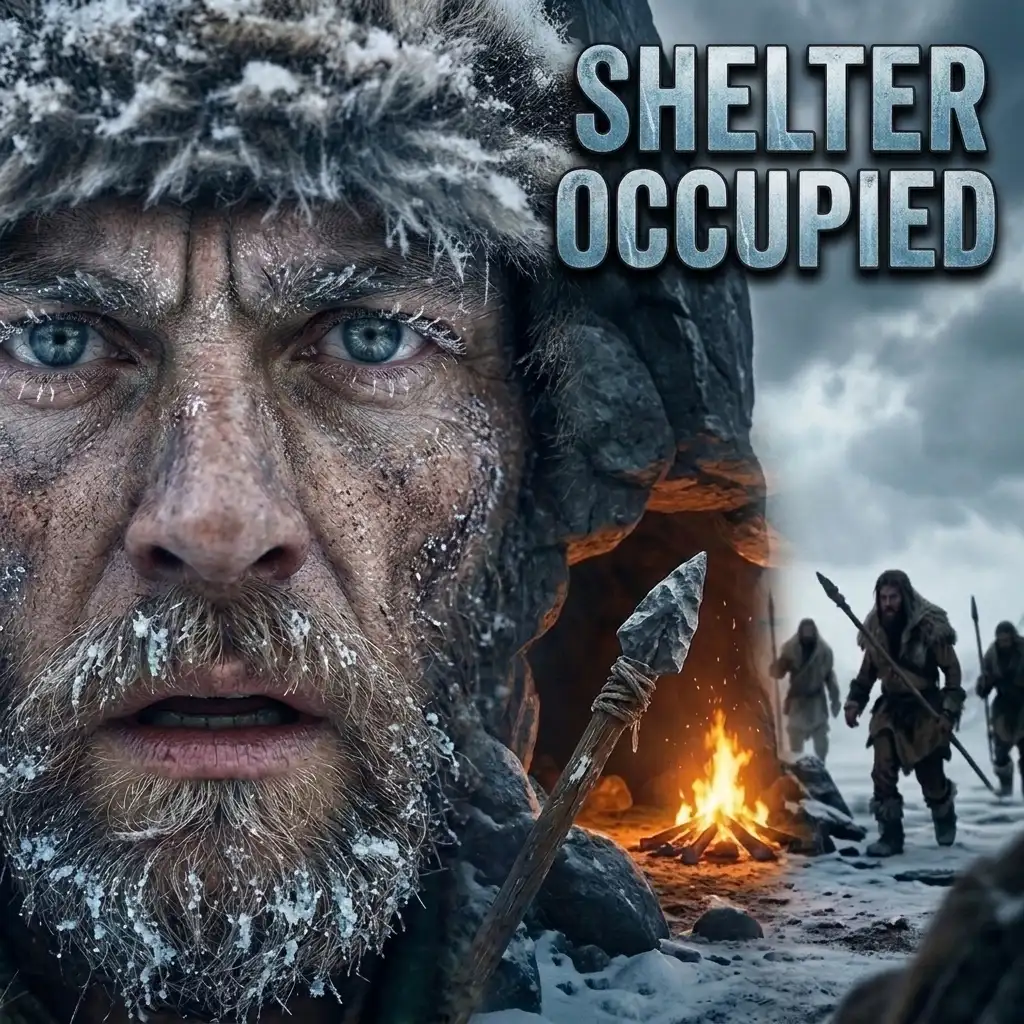
➡️Life 20,000 Years Ago | When Strangers Claim Your Winter Shelter 🚨
FAQs
What is the focus of the cinematic early human history documentary?
The documentary focuses on the evolution of early humans, exploring their origins, migration patterns, and the development of early societies. It combines scientific research with cinematic storytelling to provide an engaging overview of how early humans lived, adapted, and interacted with their environment.
What types of evidence are presented in the documentary?
The documentary presents a variety of evidence, including archaeological findings, fossil records, and genetic studies. It also incorporates visual reconstructions and expert interviews to illustrate the lifestyles, tools, and social structures of early human communities.
How does the documentary depict the daily life of early humans?
The documentary depicts the daily life of early humans through dramatizations and animations that illustrate hunting, gathering, and social interactions. It highlights the challenges they faced, such as climate change and competition with other species, as well as their innovations in tool-making and social organization.
Who are the experts featured in the documentary?
The documentary features a range of experts, including anthropologists, archaeologists, and geneticists, who provide insights into early human history. Their contributions help to contextualize the findings and theories presented, making the information accessible to a broader audience.
Where can viewers watch the full episode of the documentary?
Viewers can watch the full episode of the documentary on various streaming platforms, educational websites, or through public broadcasting services that feature historical documentaries. Availability may vary by region, so checking local listings or streaming services is recommended.