The Shadow of the Hunter: Early Humans and the Megafauna Mystery
The world of the Pleistocene epoch was a realm of titans. Giant ground sloths lumbered through forests, woolly mammoths and rhinoceroses traversed icy plains, and saber-toothed cats stalked their colossal prey. These magnificent creatures, collectively known as megafauna, dominated the landscapes of every continent. For millennia, they thrived, evolving to suit their diverse environments. Then, around the time of the appearance and subsequent spread of anatomically modern humans (Homo sapiens), something dramatic occurred. Across the globe, a sweeping extinction event began to unfold, decimating the very megafauna that had once defined these ecosystems. While the exact causes remain a subject of intense scientific debate, a significant body of evidence points to the complex and profound impact of early human hunting as a primary, though not necessarily solitary, driver of this faunal collapse. The narrative of hunting giants is not simply one of predation; it is a story of adaptation, evolving technologies, and the nascent ecological footprint of humanity.
The complex interactions between early human hunters and megafauna have long fascinated researchers, shedding light on the dynamics of prehistoric ecosystems. A related article that explores the implications of human activity on large animal populations can be found at this link. This piece discusses the broader themes of sustainability and the impact of human choices on various environments, drawing parallels to how early humans may have influenced megafauna extinction through their hunting practices.
The Dawn of the Hunter: Human Arrival and Megafauna Encounters
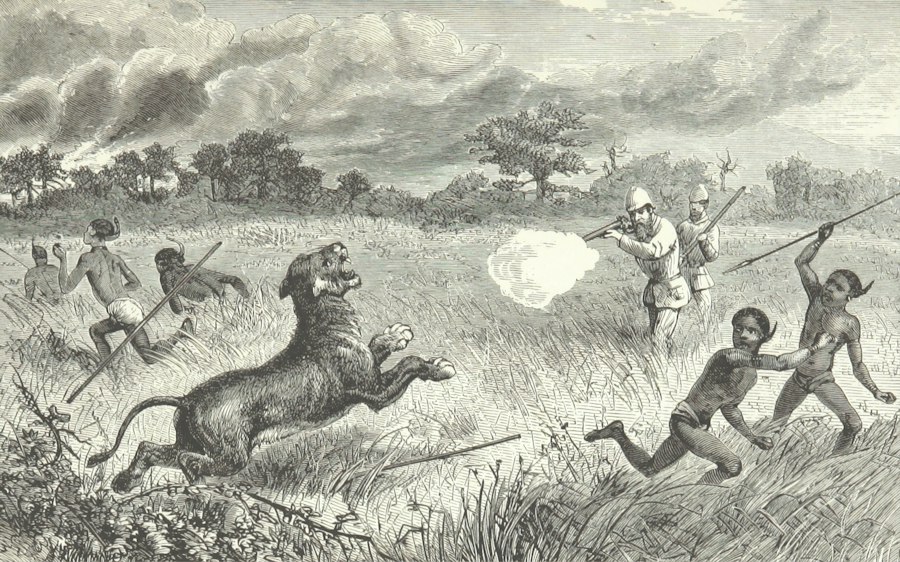
The story of human impact on megafauna is intrinsically linked to the geographical dispersal of our species. As early humans migrated out of Africa and across the Eurasian landmass, and eventually to the Americas and Australia, they encountered ecosystems populated by animals that had never before experienced such a predator. This period, spanning tens of thousands of years, witnessed the first large-scale interactions between our ancestors and these extraordinary creatures, setting the stage for one of the most significant ecological turnovers in Earth’s history.
A World Untouched: Pre-Human Megafauna Abundance
Before the widespread influence of Homo sapiens, the planet teemed with a staggering diversity and biomass of large animals. Continents like North America and Australia, in particular, harbored megafauna that had evolved in relative isolation from major hominin predators. The Americas were home to creatures such as the mammoth, mastodon, giant ground sloth (like Megalonyx and Eremotherium), glyptodonts (armadillo relatives the size of small cars), and the short-faced bear (Arctodus simus). Australia, similarly, was populated by giant marsupials including Diprotodon (a wombat-like creature larger than a rhinoceros), Procoptodon goliah (a kangaroo with a single large toe), and the marsupial lion (Thylacoleo carnifex). These animals, often existing in stable ecological equilibria with other predators and their environments, had no inherent defenses or behavioral adaptations to cope with a novel, highly intelligent, and increasingly efficient predator. Their sheer size, while an advantage against natural threats, could also make them a concentrated and therefore attractive target for human hunters.
The Great Exodus: Human Migration and Ecological Frontiers
The story of human expansion is one of remarkable resilience and adaptability. From their African origins, hominins gradually spread, adapting to diverse climates and landscapes. The arrival of Homo sapiens marked a significant acceleration of this dispersal. Archaeological evidence, meticulously pieced together from ancient tools, hearths, and skeletal remains, charts this inexorable march. The colonization of Eurasia occurred in stages, with early hominins present in Europe and Asia hundreds of thousands of years ago. However, the more recent, and more globally impactful, wave of Homo sapiens migration is what coincides most closely with the megafauna extinctions. The crossing of the Bering Strait into the Americas, likely occurring during glacial periods when sea levels were lower, and the subsequent spread across the continents, represents a dramatic encounter with a largely naive megafauna. Similarly, the colonization of Australia, requiring significant maritime capabilities, brought humans into contact with a unique suite of giant marsupials.
The Novel Predator: A New Threat Emerges
The evolutionary history of megafauna did not include Homo sapiens or their direct ancestors as a significant predator. While large carnivores like dire wolves and cave lions were present, they operated within ecological frameworks that megafauna had evolved to navigate. Human hunting, however, introduced a qualitatively different threat. Early humans, even with relatively simple stone tools, possessed a combination of intelligence, social cooperation, and persistence that distinguished them from other predators. Their ability to strategize, to plan hunts, to use projectile weapons, and to exploit group dynamics for cooperative hunting, provided them with a significant advantage. This novel predatory pressure, applied to animals ill-equipped to deal with it, is a cornerstone of the “overkill hypothesis.”
The Toolkit of Extinction: Technological Advancements in Hunting

The success of early human hunters was not solely due to their innate abilities; it was also a testament to their ingenuity in developing and refining tools and strategies. As humans migrated and encountered different environments and prey, their hunting technologies evolved, becoming increasingly efficient and specialized, thereby amplifying their impact on megafauna populations.
Stone, Bone, and Fire: The Early Arsenal
The earliest evidence of human hunting prowess is found in the sophisticated lithic technologies developed by our ancestors. Handaxes, scrapers, and points, crafted from carefully selected stone, represent the foundational tools for butchery and weaponization. As hominins progressed through the Paleolithic, these tools became more refined. The development of knapped stone points, designed to be hafted onto spears, transformed them into formidable projectile weapons. These could be thrown from a distance, allowing hunters to inflict injury without direct physical confrontation, a crucial advantage when dealing with large, powerful animals. Furthermore, the use of fire, both for cooking and for driving prey, would have been a significant factor. Controlled burns could be used to flush animals out of cover or to funnel them into ambushes, making them more vulnerable to hunting parties. The discovery of fossilized megafauna remains bearing cut marks from stone tools provides direct evidence of their exploitation.
The Power of the Spear: Projectile Technology and its Impact
The invention and widespread adoption of projectile weapons, particularly spears, marked a significant leap in human hunting capabilities. Spear-throwers, or atlatls, which greatly increased the velocity and range of spears, further enhanced the effectiveness of hunters. These devices, made from bone, wood, or stone, allowed early humans to project a spear with considerable force and accuracy, capable of penetrating the thick hides of megafauna. This technological advantage meant that a single, well-aimed spear could incapacitate or kill a large animal, reducing the risks for the hunters and increasing their kill rate. The ability to hunt from a distance also allowed for the targeting of specific individuals, such as the old, the young, or the injured, which could have a disproportionate impact on population viability. The ubiquity of stone points found at kill sites, often associated with the remains of megafauna, is a testament to the central role of projectile technology in these hunts.
Cooperative Strategies: The Social Dimension of Hunting
Beyond individual tool use, the success of early human hunters lay in their capacity for complex social organization and cooperative strategies. Hunting large, dangerous animals is inherently risky and requires coordinated effort. Archaeological evidence suggests that early humans likely engaged in organized hunts, where individuals worked together to stalk, corner, and kill their prey. This might have involved employing different roles within the hunting party: some individuals to distract or herd the animal, others to deliver the killing blows. The presence of multiple individual kill sites, or large accumulations of megafauna remains at a single location, could indicate group hunting efforts. This social intelligence, combined with technological prowess, allowed humans to tackle prey that would have been beyond the capabilities of solitary predators. The development of communication and planning skills would have been essential for such coordinated endeavors, further highlighting the unique predatory niche occupied by early humans.
The Cascading Effects: Ecological Consequences of Overhunting
The direct impact of human hunting on individual megafauna species was not the end of the story. The removal of these large herbivores and carnivores from ecosystems triggered a cascade of ecological consequences, fundamentally altering the structure and function of Pleistocene environments and leading to further extinctions.
The Herbivore Abyss: Impact on Plant Communities
The disappearance of vast herds of megaherbivores, such as mammoths, mastodons, and giant ground sloths, had profound effects on plant communities. These animals played a crucial role in shaping landscapes through grazing, browsing, and seed dispersal. Their absence led to significant shifts in vegetation composition. For example, in areas where mammoths maintained grasslands by trampling woody vegetation, their extinction may have allowed forests to encroach. Similarly, the removal of large grazers could have led to changes in the nutrient cycling within soils. The loss of these keystone herbivores meant that the plants they consumed were no longer kept in check, leading to overgrowth in some areas and a reduction in biodiversity as less competitive plant species were outcompeted. This alteration of the plant landscape, in turn, had knock-on effects for other herbivores and the entire food web.
Apex Predators in Peril: The Carnivore Crisis
The extinction of megafauna also had a devastating impact on the large carnivores that preyed upon them. With the primary food source dwindling, these apex predators faced starvation and population decline. The extinction of the American lion (Panthera atrox) and the dire wolf (Aenocyon dirus) in North America, for instance, is strongly linked to the disappearance of their megafaunal prey base. These large carnivores were not only competitors with humans for resources, but their own survival was inextricably tied to the abundance of the very animals that humans were also hunting. As human predation reduced megafauna populations, it created a trophic cascade, impacting the predators at the top of the food chain and further destabilizing the ecosystem.
Shifting Landscapes: The Transformation of Ecosystems
The combined effects of megafauna extinctions – the altered plant communities and the decline of apex predators – led to a fundamental reshaping of Pleistocene ecosystems. These once-dynamic landscapes, characterized by the presence of large, mobile herbivores and their predators, transformed into something very different. The loss of ecological engineers like mammoths, who created and maintained specific habitats through their foraging and movement, resulted in a homogenization of landscapes in some areas and a significant reduction in overall biodiversity. This era of extinction represents a critical turning point, a transition from a world dominated by megafauna to the less diverse ecosystems that characterize much of the Holocene. The “savanna” that we often imagine as a constant feature of much of the world may, in many cases, be a product of human-driven extinctions, rather than an ancient, unchanging biome.
Recent studies have shed light on the complex interactions between early human hunters and megafauna, revealing how these relationships may have influenced both species’ survival strategies. For a deeper understanding of how these dynamics played out in ancient ecosystems, you can explore a related article that discusses the broader implications of human impact on wildlife. This exploration not only highlights the intricacies of these interactions but also draws parallels to contemporary issues, such as those discussed in the context of economic growth in different regions. To read more about this, visit this article.
The Debate Continues: Beyond the Overkill Hypothesis
| Metric | Description | Estimated Value/Range | Source/Notes |
|---|---|---|---|
| Time Period | Era of early human and megafauna interactions | Approx. 2 million to 10,000 years ago | Pleistocene Epoch |
| Megafauna Species | Examples of large animals hunted by early humans | Mammoths, Mastodons, Giant Ground Sloths, Saber-toothed Cats | Fossil records and archaeological sites |
| Hunting Techniques | Methods used by early humans to hunt megafauna | Ambush, persistence hunting, use of spears and traps | Stone tools and kill site analysis |
| Impact on Megafauna Populations | Effect of human hunting on megafauna extinction rates | Significant decline leading to extinction in many regions | Debated; also influenced by climate change |
| Cooperative Hunting Group Size | Estimated number of individuals involved in hunts | 5-20 individuals | Ethnographic analogies and archaeological evidence |
| Tool Types | Stone tools associated with megafauna hunting | Clovis points, hand axes, spear tips | Found at kill sites |
| Energy Yield per Hunt | Estimated calories obtained from a single megafauna kill | Up to several million calories | Based on estimated body mass and meat yield |
| Hunting Success Rate | Estimated percentage of successful hunts | 10-30% | Inferred from ethnographic studies and kill site frequency |
While the evidence for human impact is substantial, the exact contribution of hunting to megafauna extinctions remains a subject of ongoing scientific discussion. Climate change, disease, and other environmental factors are also considered potential contributing forces, and the relative importance of each factor likely varied across different regions and time periods.
The Climate Change Conundrum: Environmental Fluctuations as a Factor
The Pleistocene was an epoch of dramatic climatic oscillations, with numerous glacial and interglacial cycles. These shifts in temperature, precipitation, and sea level undoubtedly placed significant stress on megafauna populations. During glacial periods, vast areas would have been covered in ice, while interglacial periods could lead to rising sea levels and changes in vegetation. Some researchers propose that these environmental changes acted as the primary driver of extinction, with megafauna struggling to adapt to rapidly changing conditions. However, many extinctions occurred during periods of relative climatic stability, or during transitions between glacial and interglacial periods where megafauna had successfully adapted in the past. This suggests that climate change alone may not fully explain the rapid and widespread disappearance of these animals.
The Role of Disease: A Silent Killer?
Another proposed factor in megafauna extinction is the introduction of novel diseases. As humans migrated, they may have carried pathogens to which naive megafauna populations had no immunity. Similar to the devastating impact of introduced diseases on indigenous human populations, these pathogens could have swept through megafauna communities, causing widespread mortality. While the direct evidence for disease as a primary extinction driver is often difficult to find in the fossil record, it remains a plausible contributing factor, especially in conjunction with other pressures. The introduction of diseases is a common theme in extinction events throughout Earth’s history, and it is reasonable to consider its potential role in the Pleistocene.
The Synergy of Factors: A Multifaceted Explanation
Increasingly, the scientific consensus leans towards a multifaceted explanation for megafauna extinctions, acknowledging the interplay of human hunting, climate change, and potentially disease. It is unlikely that any single factor acted in isolation. Rather, the arrival of humans may have acted as a tipping point, pushing already stressed populations, perhaps weakened by climate fluctuations or disease, towards extinction. In some regions, human hunting may have been the dominant force, while in others, environmental changes may have played a more significant role, with human predation exacerbating the decline. Understanding the precise balance of these factors requires detailed regional studies, integrating archaeological, paleontological, and paleoenvironmental data.
The complex interactions between early human hunters and megafauna have long fascinated researchers, revealing insights into how these ancient peoples adapted to their environments. A recent article explores similar themes, delving into the advanced technologies that may have influenced human survival and innovation in prehistoric times. For a deeper understanding of these connections, you can read more about it in this intriguing piece on advanced tech in lost civilizations. This exploration not only highlights the ingenuity of early humans but also sheds light on their relationships with the colossal creatures that once roamed the Earth.
Legacy of Giants: Lessons from a Vanished World
The story of early humans and megafauna is more than a historical curiosity; it offers crucial insights into the long-term ecological impact of our species and serves as a cautionary tale for the present and future. Understanding this complex interaction helps us to appreciate the fragility of ecosystems and the profound responsibility that comes with intelligence and technological advancement.
The First Ecological Footprint: A Blueprint for Future Impacts
The megafauna extinctions of the Pleistocene represent arguably the first large-scale ecological transformation driven by human activity. It provides a stark historical precedent for the significant impact that our species can have on biodiversity. The ability of early humans, with relatively simple technologies, to cause such widespread extinctions highlights the potent combination of intelligence, adaptability, and population growth. This period serves as a blueprint, demonstrating how a single species, even one with seemingly limited direct power, can fundamentally alter the natural world. It underscores the fact that human actions, even in the distant past, have had enduring consequences for the planet’s biological heritage.
Lessons for Conservation: Understanding Vulnerability
The study of megafauna extinctions offers valuable lessons for modern conservation efforts. It highlights the vulnerability of large animals, often with slow reproductive rates and specialized ecological roles, to novel pressures. Understanding the factors that contributed to the demise of these giants – including habitat loss, competition, and direct exploitation – can inform strategies to protect endangered species today. The recognition that even seemingly robust populations can be pushed to extinction by a combination of factors emphasizes the need for a holistic approach to conservation, considering not only direct threats but also environmental changes and synergistic pressures. The ghost of the mammoth and the sloth reminds us that even the mightiest creatures are not immune to the consequences of human influence.
The Enduring Echo: Our Place in the Web of Life
The impact of early humans on megafauna is a profound reminder of our interconnectedness with the natural world. It demonstrates that humanity is not an isolated entity, but an integral part of complex ecological systems. The choices made by our ancestors, both deliberate and unintended, have shaped the biological landscape we inhabit today. As we continue to expand our influence on the planet, understanding these historical interactions is paramount. The story of hunting giants is a testament to the power of human ingenuity, but it is also a solemn reflection on our capacity for ecological disruption, urging us to tread more thoughtfully on the Earth, ensuring that the echoes of the past do not become the silence of the future.

➡️Life 20,000 Years Ago | When Strangers Claim Your Winter Shelter 🚨
FAQs
What is megafauna?
Megafauna refers to large animals, typically those weighing over 44 kilograms (about 100 pounds), that existed during the Pleistocene epoch and included species such as mammoths, saber-toothed cats, and giant ground sloths. These animals were prominent in ecosystems across various continents before their extinction around 10,000 years ago.
How did early human hunters interact with megafauna?
Early human hunters interacted with megafauna primarily through hunting and scavenging. Evidence suggests that humans used tools and cooperative hunting strategies to take down large animals, which provided significant nutritional resources. Additionally, these interactions likely influenced the behavior and migration patterns of both humans and megafauna.
What evidence supports the interaction between early humans and megafauna?
Archaeological evidence, such as stone tools found alongside megafauna remains, indicates that early humans hunted these large animals. Fossils showing cut marks from tools, as well as findings of large animal bones in human habitation sites, further support the idea of direct interaction and reliance on megafauna for sustenance.
What role did climate change play in the extinction of megafauna?
Climate change during the late Pleistocene contributed significantly to the extinction of megafauna. As the Earth warmed, habitats changed, and food sources diminished, making survival difficult for these large animals. Additionally, human hunting pressure may have exacerbated the decline of megafauna populations during this period.
What are some examples of megafauna that coexisted with early humans?
Examples of megafauna that coexisted with early humans include the woolly mammoth, mastodon, giant ground sloth, and the saber-toothed cat. These species inhabited various regions and were part of the ecosystems that early humans relied on for food and resources.