The crackling fire cast dancing shadows across the rough-hewn walls of the cave, a familiar ballet of light and dark that signaled the end of a long day. Outside, the wind howled a mournful tune, a stark reminder of the unforgiving elements that prehistoric humans navigated daily. Yet, within the sheltered embrace of the dwelling, a different symphony played – the gentle sighs and murmurs of slumbering children. For these early humans, survival was paramount, but so too was the instinct to nurture and protect their most vulnerable. Creating cozy sleeping spaces for their young was not a luxury; it was a vital component of ensuring their well-being, fostering their growth, and ultimately, the continuation of their lineage. These spaces, forged from necessity and ingenuity, were warm havens against the harsh realities of a world teeming with both wonder and danger.
The Foundation of Comfort: Bedding Materials and Preparation
The very first consideration in crafting a comfortable sleeping area for a prehistoric child revolved around the materials readily available in their environment. Softness, insulation, and cleanliness were not abstract concepts but practical necessities. The goal was to create a buffer between the child’s delicate skin and the cold, hard ground, and to offer a sense of security from the nocturnal chill. This involved careful selection and preparation of natural resources, demonstrating an understanding of their insulating properties and a keen eye for their potential comfort.
Gathering the Softest Treasures: Foraging for Bedding
The surrounding landscape was a veritable pantry of potential bedding. Dry grasses, harvested in abundance during warmer months and carefully stored, formed the primary layer. These grasses, when packed thickly, offered surprising insulation. Different types of grasses likely held varying degrees of softness and resilience. Perhaps softer, finer blades were preferred for the uppermost layers, while sturdier stalks provided a more substantial base. Beyond grasses, fallen leaves, particularly those from broadleaf trees, would have been gathered. In autumn, this would have been a readily available resource, offering a rustling, earthy aroma. While less insulating than dry grasses, layers of leaves could add to the overall cushioning.
Beyond the purely vegetal, animal furs and hides played a crucial role. The successful hunt, a daily endeavor for sustenance and protection, also yielded invaluable materials for comfort. The thick pelts of deer, bison, or other large mammals, once processed, provided unparalleled warmth and softness. These would likely have been reserved for the most important members of the family, including the children. The act of preparing these hides would have been a communal effort, involving scraping, drying, and potentially a primitive form of tanning using animal brains or urine to soften them. The finished hides, laid over a base of grasses or leaves, would have been the epitome of luxury in their world. Feathers, if accessible from birds, would have been another sought-after item. While less common for bedding due to their lightness and tendency to shift, a small amount of downy feathers mixed into a grass or fur layer could have provided an extra touch of softness and loft.
Building the Nest: Layering for Optimal Warmth and Support
The construction of a sleeping space was a deliberate, layered process, akin to building a miniature, natural mattress. The foundation was key, providing both support and a primary barrier against the cold earth. This would typically involve a thick layer of dry grasses or reeds, packed tightly to create a springy, insulating base. The denser the packing, the more effective the insulation would be. On top of this base, more finely chosen grasses or dried leaves would be added, creating a softer surface.
The prized furs and hides would then be strategically placed. A larger, thicker hide might form the primary sleeping surface, providing a substantial layer of warmth and cushioning. Smaller pelts could be draped over the child for added warmth, particularly during colder nights. The careful arrangement of these materials was crucial. It wasn’t simply a matter of piling things up; it was about creating a cohesive, comfortable unit that would not shift or unravel during the night. This might involve tucking the edges of hides around the grass base or using sinew, if available, to loosely tie certain elements together. The entire structure would be shaped to cradle the child, creating a sense of enclosure and security.
Creating a warm sleeping area for prehistoric children is essential for their health and well-being, as it helps protect them from the harsh elements of their environment. In a related article, the importance of nurturing safe and comfortable spaces for children throughout history is explored, highlighting how early humans adapted their living conditions to ensure the survival of their young. For further insights into how historical contexts shape modern living conditions, you can read more at this link.
The Sanctuary Within: Location and Enclosure of Sleeping Areas
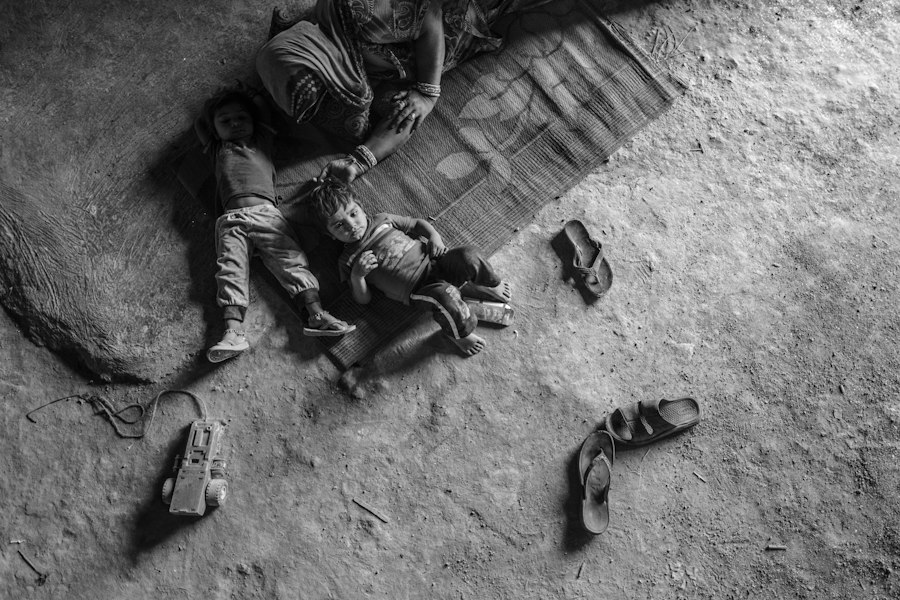
The selection of the sleeping area within the dwelling was as critical as the bedding itself. It was not merely a matter of finding a vacant spot, but of choosing a location that offered inherent protection from drafts, potential hazards, and the general activity of the communal living space. The aim was to create a miniature sanctuary, a defined space that signaled rest and safety for the young ones.
Strategic Placement: Avoiding Drafts and Dangers
Within a cave or a more rudimentary shelter, certain areas were naturally more protected. The deepest recesses of a cave, away from the entrance, would offer the most shelter from wind and rain. Proximity to the hearth was a double-edged sword. While the fire provided warmth, sleeping too close could be dangerous due to embers or smoke. Therefore, sleeping areas were likely situated at a safe distance from the main fire, but close enough to benefit from its ambient heat. In more exposed shelters, like those made of branches and hides, the placement of the sleeping area would be even more critical. It would be positioned in the most sheltered corner, perhaps behind a natural windbreak or a specially constructed barrier.
The prevention of accidental injury was also a consideration. Children would be kept away from pathways that might be frequented by adults during the night, reducing the risk of being stepped on or disturbed. Any sharp objects, tools, or potentially hazardous materials would be stored away from the designated sleeping zones. This spatial awareness and careful planning underscore a deep understanding of the environment and the need to proactively mitigate risks.
Defining the Personal Space: Boundaries and Barriers
Creating a sense of personal space for a child within a communal dwelling was likely achieved through simple yet effective means. The layered bedding itself, particularly when a larger hide was used, could create a natural boundary. However, further enclosure might have been beneficial. This could involve utilizing natural features of the dwelling. In a cave, a slight overhang or a cluster of rocks could serve to delineate a sleeping nook. In a constructed shelter, low walls of packed earth, woven branches, or even stacked stones could be used to create a semi-enclosed area.
The use of larger animal hides, draped over a simple framework of sticks or propped against a wall, could have formed temporary screens, offering both visual privacy and protection from drafts. These were not permanent structures but adaptable elements that could be moved or reconfigured as needed. The very act of gathering and arranging these materials around the child’s sleeping spot would have created a palpable sense of their own designated territory, a place that was “theirs” for the duration of their rest. This subtle reinforcement of boundaries would have contributed to a feeling of security and ownership over their sleeping space.
The Warm Embrace: Harnessing Fire and Natural Heat Sources
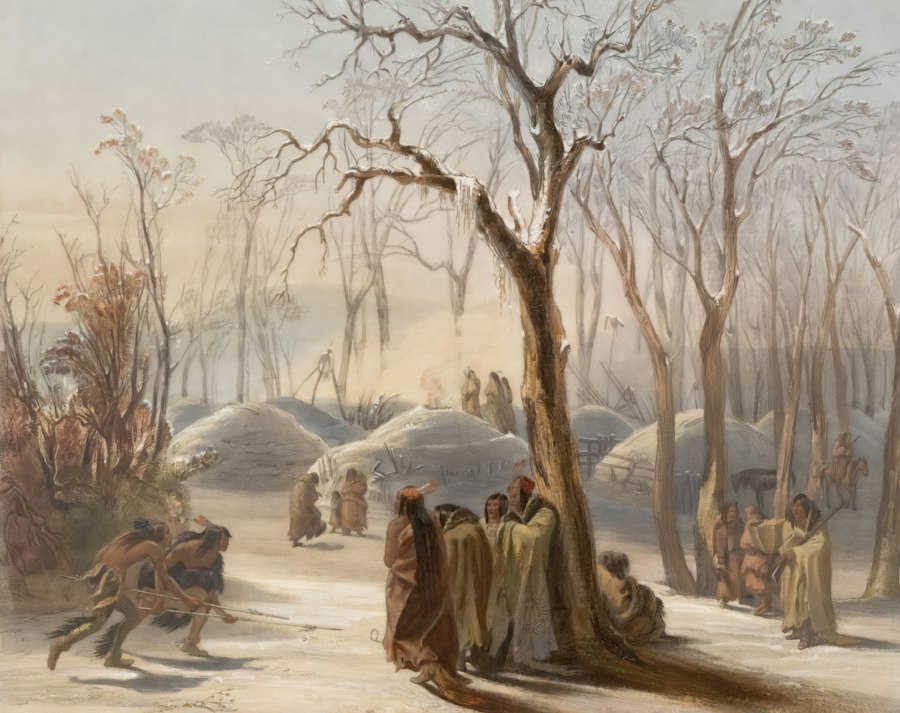
The most significant factor in creating a cozy sleeping space for prehistoric children was the intelligent utilization of heat. Fire, the central element of prehistoric life, was not just for cooking and warding off predators; it was a vital tool for maintaining body temperature, especially for the vulnerable young. Beyond the hearth, other natural heat sources were also understood and exploited.
Proximity to the Hearth: The Comfort of Ambient Warmth
The hearth, the heart of any prehistoric dwelling, was the primary source of warmth. Sleeping areas were strategically positioned to benefit from the radiant heat of the fire without being directly exposed to its flames or excessive smoke. This often meant a position slightly to the side or further into the dwelling from the central fire pit. The warm air rising from the fire would circulate, creating a more temperate zone for sleeping. The effectiveness of this would depend on the design of the dwelling, whether it was an open-sided shelter or a more enclosed cave.
The careful management of the fire itself would have been crucial. Allowing the embers to glow throughout the night, rather than letting the fire die down completely, would have provided a consistent, low-level heat source. This would have been a conscious effort, a nightly ritual to ensure the continued comfort of the sleeping occupants. The scent of woodsmoke, often associated with warmth and safety, would have been a constant, comforting presence.
Harnessing Residual Heat: Sun-Warmed Rocks and Earth
Beyond the direct heat of the fire, prehistoric peoples would have understood the concept of thermal mass. Rocks that had been exposed to the sun all day would retain their warmth long into the evening. In rocky cave dwellings or areas with naturally occurring stone formations, these sun-warmed rocks could have been incorporated into sleeping areas. A large, flat rock, gently warmed by the afternoon sun, could provide a surprisingly comfortable and insulating surface to sleep on, especially when covered with softer bedding materials.
Similarly, the earth itself, particularly compacted earth floors, would absorb and retain heat. While not as potent as direct fire or sun-warmed rocks, a well-insulated earth floor would still offer a better barrier against the cold ground than bare rock. This understanding of how different materials interacted with heat would have been learned through generations of observation and experience, allowing them to optimize their sleeping environments. Even the natural warmth radiating from the bodies of other sleeping family members would have contributed to the overall coziness, creating a shared, communal warmth that was essential for the survival and well-being of the young.
Beyond the Basics: Enhancing Comfort and Security
While the fundamental elements of bedding, location, and heat were paramount, prehistoric parents likely employed additional methods to further enhance the comfort and security of their children’s sleeping spaces. These were the subtle touches, the intuitive adjustments that transformed a functional space into a truly comforting haven.
The Gentle Guard: Using Bodies and Barriers for Protection
The presence of adults nearby was a significant source of security for children. In communal sleeping arrangements, children would often be placed close to their parents or other trusted adults. This physical proximity not only offered protection from external threats but also provided the comforting warmth of shared body heat. A parent’s arm could easily become a natural barrier against drafts or a reassuring presence in the darkness.
In cases where children slept in slightly more separate areas, simple barriers played a vital role. Beyond low walls or draped hides, larger, more robust materials could be used. Large animal hides, hung at the entrance to a sleeping nook, could act as effective windbreaks. Bundles of tightly woven reeds or branches could also serve a similar purpose. The goal was to create a multi-layered defense against the elements and any perceived dangers, ensuring the child’s undisturbed rest.
The Ritual of Sleep: Sounds, Scents, and Soothing Actions
The creation of a cozy sleeping space likely extended beyond the physical to the sensory and the ritualistic. The sounds of the night were a constant presence, but the sounds associated with the dwelling itself would have been more comforting. The rhythmic crackling of the fire, the gentle murmur of adult voices, the soft breathing of sleeping family members – these would have formed a familiar and reassuring sonic landscape.
The scents of the dwelling, too, would have played a role. The earthy aroma of dried grasses and leaves, the faint musk of animal hides, and the lingering scent of woodsmoke would have been the olfactory signature of safety and home. While intentional perfuming was unlikely, the natural odors of their environment were integral to their sensory experience of comfort. Furthermore, the act of settling a child to sleep likely involved soothing actions – gentle rocking, soft vocalizations, or stroking their hair. These actions, repeated nightly, would have conditioned the child to associate their sleeping space with peace and security, transforming it into a truly warm haven.
Creating a warm sleeping area for prehistoric children was essential for their survival and development, as it helped protect them from harsh environmental conditions. For those interested in exploring more about how ancient communities adapted their living spaces for the well-being of their young, a fascinating article can be found here: related article. This resource delves into the broader implications of shelter and safety in early human societies, shedding light on the importance of nurturing environments.
The Legacy of Warmth: The Evolutionary Significance of Cozy Sleep
| Metric | Description | Estimated Value | Unit |
|---|---|---|---|
| Average Sleeping Temperature | Optimal temperature range for warmth and comfort | 20-22 | °C |
| Insulation Material Thickness | Thickness of natural materials used for insulation | 10-15 | cm |
| Number of Animal Skins Used | Quantity of skins layered for warmth | 3-5 | skins |
| Sleeping Area Size | Space allocated per child for sleeping | 1.2 x 0.6 | meters |
| Proximity to Fire | Distance from fire source to sleeping area | 1-2 | meters |
| Wind Protection Level | Effectiveness of shelter in blocking wind | High | Qualitative |
| Humidity Control | Ability to keep sleeping area dry | Moderate to High | Qualitative |
The efforts expended in creating cozy sleeping spaces for prehistoric children were not merely acts of parental affection; they were deeply rooted in evolutionary advantage. A well-rested child is a healthier child, a child more capable of growth, learning, and survival. These seemingly simple measures contributed to the long-term success of the species.
Nurturing Growth and Development: The Biological Imperative
Sleep is fundamental to physical and cognitive development, especially in infants and young children. Adequate and restful sleep allows for the consolidation of memories, the regulation of hormones essential for growth, and the strengthening of the immune system. For prehistoric children, facing a world where illness and injury could have dire consequences, robust health was a crucial advantage. Cozy sleeping spaces, by promoting better sleep, directly contributed to the physical and mental well-being of the young, ensuring they were strong enough to learn the skills necessary for survival.
A child who slept well was less susceptible to hypothermia, a constant threat in colder climates. They were less likely to be restless and vulnerable to accidents. The warmth and security of their sleeping area allowed their bodies to focus on the vital processes of growth and repair, rather than expending precious energy simply to stay warm. This biological imperative for rest and recovery was directly facilitated by the creation of comfortable and protected sleeping environments.
The Social Bond: Shared Warmth and Group Cohesion
The communal nature of prehistoric life extended to sleeping arrangements. Children sleeping close to adults and other children fostered a strong sense of group cohesion and social bonding. This shared warmth, both literal and metaphorical, reinforced familial and tribal ties, which were essential for collective survival. The act of tending to the sleeping needs of the young, of creating these warm havens, was a demonstration of commitment to the group’s future.
A child who felt secure and nurtured in their sleeping space was more likely to develop into a well-adjusted individual, capable of contributing to the social fabric of their community. The shared experience of warmth and safety in these sleeping areas would have contributed to a collective sense of belonging and interdependence, strengthening the bonds that allowed prehistoric humans to thrive in challenging environments. The legacy of this early nurturing, this instinct to create warm havens, is a testament to the enduring power of comfort and security in shaping both the individual and the species.

➡️Life 20,000 Years Ago | When Strangers Claim Your Winter Shelter 🚨
FAQs
What materials were commonly used to create warm sleeping areas for prehistoric children?
Prehistoric people often used natural materials such as animal hides, furs, and grasses to create warm sleeping areas. These materials provided insulation and comfort, helping to retain body heat during cold nights.
How did prehistoric families ensure their children’s sleeping areas were warm?
Families would often build their sleeping areas close to the fire or in sheltered locations to protect against wind and cold. They might also use bedding made from layered furs or grasses to enhance warmth and comfort.
What role did location play in the warmth of sleeping areas for prehistoric children?
The location of sleeping areas was crucial; families typically chose caves, rock overhangs, or areas with natural windbreaks. These locations provided protection from the elements and helped maintain a warmer environment for sleeping.
Did prehistoric cultures have specific practices for keeping sleeping areas warm?
Yes, many prehistoric cultures developed specific practices such as using fire pits for warmth, arranging sleeping areas in a circular formation around the fire, and layering bedding materials to trap heat effectively.
How did the climate influence the sleeping arrangements for prehistoric children?
The climate significantly influenced sleeping arrangements; in colder regions, families would create more insulated sleeping areas with thicker bedding and closer proximity to heat sources, while in warmer climates, simpler arrangements with less insulation were sufficient.