
The Weight of Survival: Embarking on the Meat Trek
The chill of the pre-dawn air bit at exposed skin, a stark reminder of the coming winter and the gnawing hunger that threatened to follow. For the inhabitants of these rugged hillsides, survival was a constant, demanding partner. Their existence was woven into the very fabric of the unforgiving terrain, a tapestry of resilience against the elements and the precarious nature of their sustenance. Central to this struggle was the seasonal necessity of procuring and transporting significant meat reserves, a task that transformed mere sustenance into a Herculean undertaking. The journey, often arduous and fraught with peril, was not a singular event but a culmination of planning, effort, and sheer grit. It was the critical link between a successful hunt and the ability to endure the lean months ahead. The sheer volume of meat required for a family or a small community to survive the harsh climate meant that what might be a successful hunt was only the beginning of an even greater challenge. This was not about a single meal; it was about stockpiling the fuel that would power lives through blizzards and frozen landscapes. The logistics of such an endeavor were as formidable as the terrain itself.
The meat reserves weren’t a luxury; they were the bedrock of their continued existence. A single animal, even a modest one, represented a substantial weight. Imagine the heft of a deer, a wild boar, or, for those in more remote regions, perhaps even a larger game animal. These were not cuts neatly packaged in plastic; they were entire carcasses, or significant portions thereof, requiring immense physical strength and a coordinated effort to move. The journey across the rugged hillsides, characterized by steep inclines, treacherous ravines, treacherous scree slopes, and dense, unforgiving undergrowth, amplified the difficulty exponentially. Each step became a battle against gravity and the unpredictable nature of the ground. The lack of established paths meant forging new routes, a process that often involved clearing obstacles, navigating around impassable sections, or finding precarious footholds on slippery rocks. The very act of carrying these heavy loads across such terrain demanded a profound understanding of the environment, a deep well of physical stamina, and an unwavering commitment to the collective good. It was a testament to the human capacity to adapt and persevere in the face of overwhelming odds.
The Weight of Sustenance: Understanding the Burden
The weight of the meat reserves was not an abstract concept; it was a tangible, pressing reality. A successful hunt, while a cause for celebration, immediately presented the next hurdle: moving the prize. The size of the animal was a critical factor. A mature deer, for instance, could easily weigh between 100 and 200 pounds, and that was before any preliminary butchering. Larger game animals, such as wild boar or even elk, could tip the scales at several times that amount. These were not weights that a single individual could easily manage, especially over the challenging terrain. The necessity of transporting these substantial quantities meant that the community’s survival was directly proportional to their ability to move these heavy loads. The planning for a hunt therefore extended beyond the act of the kill to the logistics of retrieval. This often involved multiple individuals, specialized tools – even if rudimentary – and a deep understanding of the most efficient methods for carrying such unwieldy cargo. The weight was not just a physical burden; it was a symbolic representation of their dependence on the natural world and their collective responsibility to ensure the survival of their community.
Estimating the Load: A Calculation of Necessity
The calculation of the necessary meat reserves was a pragmatic, survival-driven process. It wasn’t a matter of personal preference but of cold, hard necessity. Families and communities would estimate their caloric needs for the duration of the winter, factoring in the number of mouths to feed, the expected duration of the cold season, and the likely availability of other, more meager food sources like foraged roots or preserved berries. This calculation would then translate directly into the number of animals required. If a single deer was estimated to provide enough sustenance for a certain period, and the winter was expected to last for months, then multiple deer, or larger animals, would be necessary. This meant that the hunts were often planned to maximize the yield, and the subsequent transport was designed to bring back as much of the animal as possible. The weight of these reserves was thus a direct reflection of the community’s vulnerability to the elements and their determination to overcome it. It was a testament to their foresight and their understanding of the delicate balance between human needs and the bounty of the wild.
The Nature of the Cargo: More Than Just Muscle
The “meat reserves” were not just discrete blocks of flesh. They often consisted of entire carcasses, requiring careful handling to prevent spoilage and damage. This meant that the weight was often distributed awkwardly, with limbs, organs, and bone contributing to the overall load. The process of butchering in the field, while sometimes necessary to lighten the load, was also a skill in itself, requiring knowledge of where to cut and how to preserve the meat as effectively as possible. The presence of bone and hide added significant weight and bulk, making the cargo even more challenging to manage. Furthermore, the meat needed to be protected from scavengers and the elements, adding another layer of complexity to the transportation process. Carrying a whole animal, with its irregular shape and significant mass, was a far cry from carrying pre-portioned cuts. This inherent difficulty underscored the resourcefulness and strength required to succeed.
Carrying heavy meat reserves back across rugged hillsides is a challenging task that requires not only physical strength but also strategic planning to ensure the preservation of the meat during transport. This practice has been essential for communities throughout history, especially in times of scarcity. For a deeper understanding of how ancient civilizations managed their resources and adapted to environmental challenges, you can read more in the article on surviving drought in ancient cities, which explores the resilience and ingenuity of these communities. You can find it here: Surviving Drought: Life in Ancient Cities.
The Unforgiving Terrain: A Natural Gauntlet
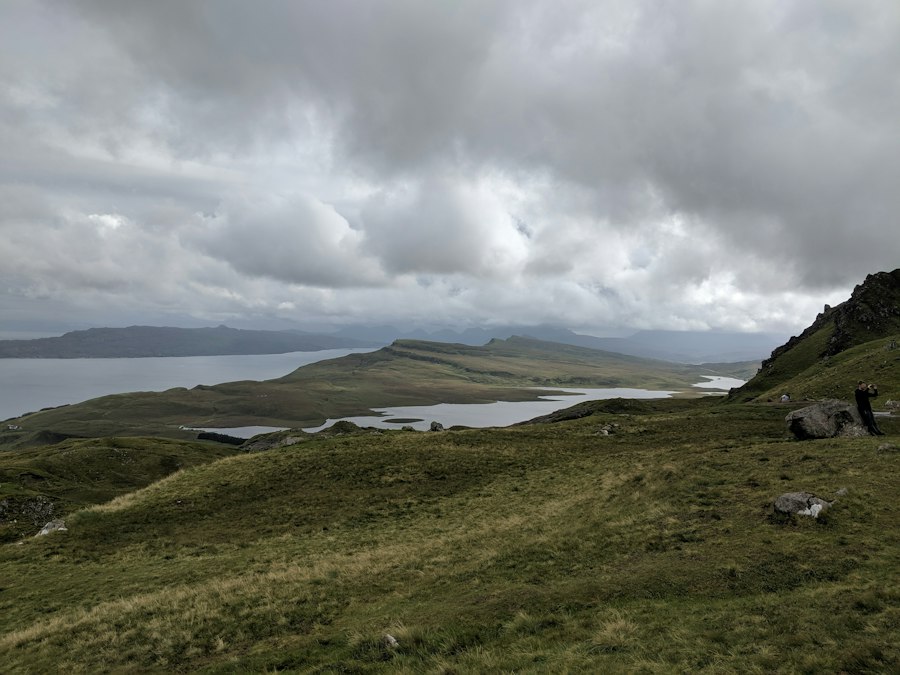
The hillsides themselves presented the most immediate and formidable obstacle. These were not rolling meadows or gentle slopes; they were characterized by sheer cliffs, deep ravines, unstable scree slopes, and dense, thorny undergrowth that snagged at clothing and flesh alike. The very landscape seemed designed to impede progress, a natural gauntlet that tested the limits of human endurance and ingenuity. Every ascent was a strain, every descent a risk of uncontrolled falls. The lack of established trails meant that each journey was a pioneering effort, a constant negotiation with the unpredictable contours of the land. The sheer effort required to simply move oneself across such ground was immense; adding the burden of heavy meat reserves transformed a difficult trek into an epic struggle for survival. The landscape was not merely a passive backdrop; it was an active antagonist, demanding respect, caution, and an intimate knowledge of its every treacherous detail.
Navigating the Slopes: A Dance with Gravity
The steepness of the hillsides was a constant, oppressive force. Imagine trying to ascend a near-vertical incline while carrying a dead weight of a hundred pounds or more. Each step required immense leg strength, a firm grip on whatever could be found for support – gnarled roots, protruding rocks, or the shoulders of fellow carriers. The risk of slipping was ever-present, and a single misstep could result in a serious injury, or worse. Descending was often even more perilous. The momentum of the load, combined with the steepness of the slope, could lead to a loss of control, a tumbling descent that could crush the carrier and damage the precious cargo. This necessitated a slow, deliberate pace, with carriers often having to brace themselves against the terrain, using their bodies as anchors to control their descent. The use of makeshift ropes, fashioned from animal hides or plant fibers, might have offered some aid, but even with these, the inherent danger remained. It was a constant, exhausting dance with gravity, where every movement was calculated and every ounce of strength was deployed.
The Peril of Loose Ground: Scree and Debris
Beyond the sheer inclines, the presence of loose scree and debris posed a significant threat. These were slopes composed of countless shifting rocks and pebbles, where a single footfall could dislodge a cascade of material, creating an avalanche of dangerous projectiles. For those carrying heavy loads, this meant that a seemingly stable path could quickly disintegrate beneath them. The carriers had to tread with extreme caution, testing each step and listening for the tell-tale signs of instability. When traversing scree slopes, they might have adopted a zigzagging pattern to distribute their weight and minimize the risk of triggering a slide. The sound of shifting rocks was a constant source of anxiety, a reminder of the inherent instability of their environment. The risk of injury from falling rocks, or from being swept down by a scree slide, was a very real and ever-present danger that added another layer of stress to an already arduous journey.
Obstacles in the Path: Natural Barriers
The hillsides were not smooth expanses; they were riddled with natural barriers that demanded creative solutions. Gnarled trees, fallen logs, and dense thickets of thorny bushes all served as obstacles, forcing detours or requiring arduous efforts to overcome. A fallen log, while seemingly simple, could become a significant challenge when carrying a heavy, unwieldy load. It might require a coordinated effort to lift and maneuver the meat over it, or a lengthy detour to find a passable section. Dense thickets could tear at clothing, inflict painful scratches, and slow progress to a crawl. Ravines and gullies, even if shallow, presented another challenge, requiring careful navigation to find a safe crossing point or a way to descend and ascend their sides. These obstacles were not minor inconveniences; they were significant impediments that demanded strength, resourcefulness, and a deep understanding of the terrain’s capabilities.
Navigating Watercourses: Streams and Canyons
The presence of watercourses, from small streams to larger, more formidable canyons, added another layer of complexity. Crossing even a shallow stream could be treacherous when carrying a heavy load. The current, the slippery streambed, and the increased weight of wet clothing and gear all contributed to the risk of losing balance and falling. Larger streams or rivers might require the construction of temporary bridges, or the search for a fordable section, a process that could be time-consuming and expose the meat to potential contamination or spoilage. Canyons, with their steep, often impassable walls, presented even greater challenges. Finding a way to descend into and ascend from them, especially with heavy loads, would require significant ingenuity and considerable physical exertion, perhaps involving the use of ropes or finding incredibly narrow, treacherous paths. These water features were not just sources of water; they were significant barriers that demanded careful planning and execution to overcome.
The Art of the Carry: Ingenuity and Strain
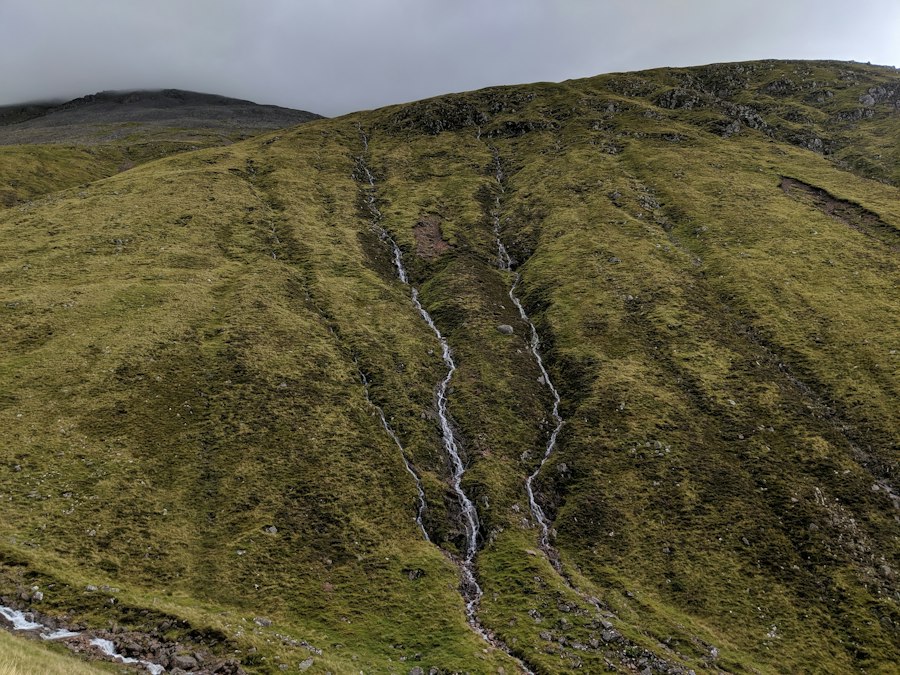
The actual act of transporting the heavy meat reserves was a testament to human ingenuity and brute strength. It was a process that involved not just raw power but also strategic thinking, coordination, and the use of whatever tools or natural resources were available. The weight was distributed in various ways, each with its own advantages and disadvantages. The human body, even at its limits, became the primary vehicle, augmented by whatever the environment could provide. This was a far cry from modern transport; it was a raw, primal form of logistics, born out of necessity and honed by generations of experience. The goal was not just to move the meat, but to do so in a way that preserved its integrity and minimized the risk of injury to the carriers.
Primitive Portages: Harnessing Human Power
The most fundamental method of transport was direct human carry. This involved individuals physically lifting and carrying sections of the animal. The weight was often distributed among several people, each taking a portion of the load. This could involve carrying entire limbs, or large sections of the torso, slung over shoulders, balanced on heads, or gripped tightly in hands. The coordination required for multiple people to move in unison, especially over uneven terrain, was crucial. They had to communicate constantly, adjusting their pace and their footing to ensure that everyone could keep up and that the load remained stable. The strain on the bodies of these individuals was immense, leading to fatigue, muscle soreness, and a constant risk of injury. Yet, it was this direct application of human power that formed the backbone of their meat transportation efforts.
The Burden Shared: Teamwork and Load Distribution
Recognizing that no single person could manage the entire weight, the concept of the burden shared was paramount. The meat was meticulously divided, not just for ease of carrying but also to distribute the load equitably among the strongest individuals. This might involve one person carrying the head and shoulders, another the hindquarters, and others sections of the ribcage. The collective effort was essential. In some instances, longer, thicker branches might have been used as makeshift poles, with portions of the carcass slung across them. These poles, carried by two or more individuals, offered a more balanced distribution of weight and allowed for a more consistent stride. However, even with these aids, the sheer mass of the meat remained a formidable challenge, demanding unwavering teamwork and a shared commitment to the survival of the group.
Makeshift Carriers: Utilizing Nature’s Resources
Beyond direct human carry, the carriers often ingeniously utilized natural resources to fashion rudimentary carriers. This involved finding strong branches, flexible vines, and even animal hides to create slings, poles, or rudimentary sleds. A large, sturdy branch could serve as a pole, with the meat lashed to it. Animal hides, carefully prepared, could be fashioned into strong carrying straps or even simple sled-like structures that could be dragged over smoother sections of terrain, though this was less effective on very rough ground. The knowledge of which plants provided the strongest fibers for lashing, and which woods were most resilient for poles, was vital. These were not manufactured tools but adaptations of the environment, demonstrating a profound understanding of natural materials and their potential for utility. The effectiveness of these makeshift carriers was directly proportional to the skill and knowledge of the individuals who created them.
Improvising with Poles and Straps: Balancing the Load
The use of poles, often lashed together to form a rudimentary frame or used individually, was a common strategy. These poles would be used to sling the meat across, allowing two or more carriers to share the weight more evenly. The length and thickness of the poles would be chosen based on the size of the meat sections and the number of carriers available. Similarly, strong vines or strips of cured animal hide were employed as straps to secure the meat to the poles or directly to the carriers’ shoulders and backs. These straps, while simple, were crucial for preventing slippage and ensuring a more secure grip. The process of improvising these carriers was a dynamic one, often adapting to the specific cuts of meat and the immediate needs of the journey. It showcased a practical intelligence and a resourcefulness born out of necessity.
The Pace of Survival: Endurance and Strategy
The journey was not a sprint; it was a grueling marathon. The pace was dictated by the limitations of the human body, the terrain, and the need to preserve the precious cargo. It was a strategic endeavor, involving careful consideration of rest stops, the time of day, and the avoidance of unnecessary risks. The slow, deliberate rhythm of the trek was a reflection of the high stakes involved. Every step was measured, every decision weighed against the ultimate goal of reaching safety with the life-sustaining meat. Rushing could lead to falls, injuries, and damage to the meat, jeopardizing the entire effort.
Sustaining the Effort: Rest and Resilience
The sheer physical exertion required to carry heavy meat reserves across rugged terrain demanded frequent rest stops. These were not leisurely breaks but essential periods of recovery, allowing muscles to recuperate and the carriers to regain their strength. During these stops, water was rationed, and any available energy-rich food, often dried berries or nuts, was consumed. The carriers had to monitor each other for signs of exhaustion or distress, offering encouragement and support. The mental fortitude required to continue despite immense physical pain and fatigue was as crucial as physical strength. Resilience was not just about enduring hardship; it was about understanding the body’s limits and pushing them judiciously. The ability to recover and continue, even when every muscle screamed in protest, was a hallmark of those undertaking such journeys.
Recognizing Limits: Avoiding Overtaxing the Body
A critical aspect of the journey was the understanding and respect for individual limits. Pushing too hard could lead to severe injury, incapacitating not only the individual but also potentially jeopardizing the entire group’s mission. Experienced carriers learned to recognize the subtle signs of impending exhaustion or strain in themselves and their companions. This might involve a faltering stride, labored breathing, or a loss of coordination. When these signs appeared, the group would make an informed decision to rest, even if it meant a delay. The long-term survival of the community depended on the ability of its members to return from such journeys, not on their ability to endure extreme, self-destructive levels of exertion in a single trek. This cautious approach, while seemingly slower, was ultimately more effective and sustainable.
Timing and Tactics: Making the Most of Daylight and Terrain
The timing of the journey was carefully considered to maximize efficiency and minimize risks. Expeditions might begin in the early morning, before the full heat of the day, or even extend into the cooler evening hours. The carriers would also take advantage of any flatter, more stable sections of terrain, increasing their pace during these stretches to compensate for the slower, more treacherous parts. When possible, they would seek out natural shelters to rest in, offering protection from the elements. The knowledge of the terrain’s specific challenges at different times of day – for instance, the increased slipperiness of rocks after rain, or the potential for increased animal activity at dawn and dusk – played a vital role in their tactical decisions. Every bit of daylight and every relatively smooth patch of ground was a valuable resource to be utilized strategically.
Utilizing Daylight: The Sun as a Guide and a Constraint
Daylight was both a crucial aid and a significant constraint. It allowed carriers to see the path ahead, identify obstacles, and maintain a steady rhythm. However, the heat of the sun, especially during warmer months, could lead to dehydration and fatigue, making the load feel even heavier. Therefore, journeys were often planned to coincide with the cooler parts of the day, or to take advantage of shaded routes where available. The ability to navigate effectively in fading light or darkness was also a skill that some possessed, allowing for extended travel when necessary, though this also increased the risk of accidents. The sun’s progression across the sky dictated the rhythm of the day and, by extension, the pace and duration of the meat trek.
Carrying heavy meat reserves back across rugged hillsides can be a daunting task, especially for those who rely on these resources for sustenance. The physical demands of navigating uneven terrain while managing substantial loads require not only strength but also strategic planning. For those interested in the broader implications of resource management and logistics, a related article discusses advancements in technology that could enhance operational efficiency in various domains. You can read more about these developments in the context of space and logistics in this insightful piece on advancing cislunar space domain awareness technology.
The Aftermath and the Future: Sustenance Secured, Vigilance Maintained
| Metric | Value | Unit | Notes |
|---|---|---|---|
| Average Weight Carried | 25 | kg | Typical load of heavy meat reserves |
| Distance Covered | 10 | km | One-way across rugged hillsides |
| Elevation Gain | 500 | meters | Total ascent during the journey |
| Average Speed | 3 | km/h | Speed while carrying heavy load uphill |
| Energy Expenditure | 1200 | kcal | Estimated calories burned per trip |
| Time Taken | 3.5 | hours | Total time for the trip |
| Load Stability | Moderate | N/A | Difficulty maintaining balance on uneven terrain |
Upon reaching their destination – whether a communal storehouse, individual dwellings, or a designated preparation area – the arduous journey was not entirely over. The meat, now secured, still required meticulous processing and preservation. More importantly, the successful transport of these reserves was a temporary reprieve, a buffer against immediate hunger, but not a guarantee of long-term security. The community remained dependent on the cycles of nature and the continued vigilance required to sustain themselves. The experience of the meat trek left an indelible mark, reinforcing the importance of cooperation, resourcefulness, and a deep respect for the challenges of their environment. It was a cycle of effort and reward, a stark reminder that survival was a continuous process, demanding constant adaptation and unwavering determination. The future, though momentarily secured by the heavy burdens carried, would inevitably bring new challenges, and the lessons learned on these rugged hillsides would remain essential.
Processing and Preservation: The Next Stage of Survival
Once the meat reserves reached their destination, the work of processing and preservation began. This was a critical step to ensure that the bounty of the hunt could last through the lean winter months. Depending on the available resources and knowledge, this could involve a variety of techniques. Smoking was a common method, using controlled fires to dry and preserve the meat, imparting a distinctive flavor. Salting, if salt was available, was another effective way to draw out moisture and prevent spoilage. Hanging the meat in cool, dry conditions, such as caves or specially constructed drying racks, was also important. The butchering process itself would continue, with smaller portions being cut and prepared for immediate consumption or further preservation. This stage, while less physically demanding than the transport, required a different kind of skill and knowledge, one focused on extending the life of the precious food source.
The Importance of Storage: Protecting the Harvest
The proper storage of the processed meat was paramount. It needed to be protected from spoilage, pests, and the elements. Communal storehouses, often built with thick walls for insulation and ventilation, were crucial for larger communities. Individual families might have their own designated storage areas, perhaps in root cellars or elevated structures designed to deter rodents and other scavengers. The knowledge of how to identify and avoid spoilage, and the ability to maintain consistent storage conditions, were vital skills. The sight of these carefully preserved meat reserves represented not just food, but the tangible result of immense effort and the promise of survival through the coming hardship. It was a visual testament to their collective success.
Lessons Learned and Traditions Passed: The Cycle of Survival
Each successful meat trek was more than just a logistical feat; it was an educational experience that reinforced vital lessons and perpetuated traditions. The younger generations, observing and participating in the arduous process, learned about the importance of physical strength, strategic thinking, cooperation, and the deep connection to the natural world. They learned about the subtle signs of the terrain, the behavior of the animals, and the techniques for maximizing their harvest. These journeys became living classrooms, where knowledge was not just imparted but lived. The stories of particularly challenging treks, the ingenuity displayed, and the successful overcoming of obstacles would be passed down through generations, becoming a part of their cultural heritage. This continuous cycle of effort, learning, and tradition was the bedrock upon which their continued survival was built, ensuring that the arduous journey of carrying heavy meat reserves would remain a vital, if challenging, aspect of their lives.
➡️Life 20,000 Years Ago | When Strangers Claim Your Winter Shelter 🚨
FAQs
What are the challenges of carrying heavy meat reserves across rugged hillsides?
Carrying heavy meat reserves across rugged hillsides presents several challenges, including uneven terrain that can lead to slips and falls, the physical strain of carrying heavy loads, and the risk of spoilage due to temperature fluctuations. Additionally, navigating through dense vegetation or rocky paths can complicate the journey, requiring careful planning and physical endurance.
What techniques can be used to safely transport heavy meat reserves?
To safely transport heavy meat reserves, individuals can use techniques such as distributing weight evenly across a sturdy backpack or using a frame pack designed for heavy loads. Employing proper lifting techniques, such as bending at the knees and keeping the load close to the body, can help prevent injury. Additionally, taking regular breaks and staying hydrated are crucial for maintaining stamina during the trek.
How can one preserve meat during transport across rugged terrain?
To preserve meat during transport, it is essential to keep it at a safe temperature. Using insulated coolers or ice packs can help maintain a low temperature, reducing the risk of spoilage. Additionally, wrapping the meat in breathable materials can help prevent moisture buildup, while minimizing exposure to direct sunlight and heat during the journey is also important.
What types of meat are best suited for transport over long distances?
Meats that are well-suited for transport over long distances include jerky, cured meats, and vacuum-sealed products, as they have a longer shelf life and are less prone to spoilage. Fresh cuts of meat can also be transported if kept at the appropriate temperature, but they require more careful handling and quicker consumption to ensure safety.
What equipment is recommended for carrying heavy meat reserves?
Recommended equipment for carrying heavy meat reserves includes a high-quality backpack or frame pack with a supportive harness, sturdy footwear for rugged terrain, and possibly a portable cooler or insulated bags for temperature control. Additionally, using trekking poles can provide stability and reduce strain on the body while navigating challenging landscapes.