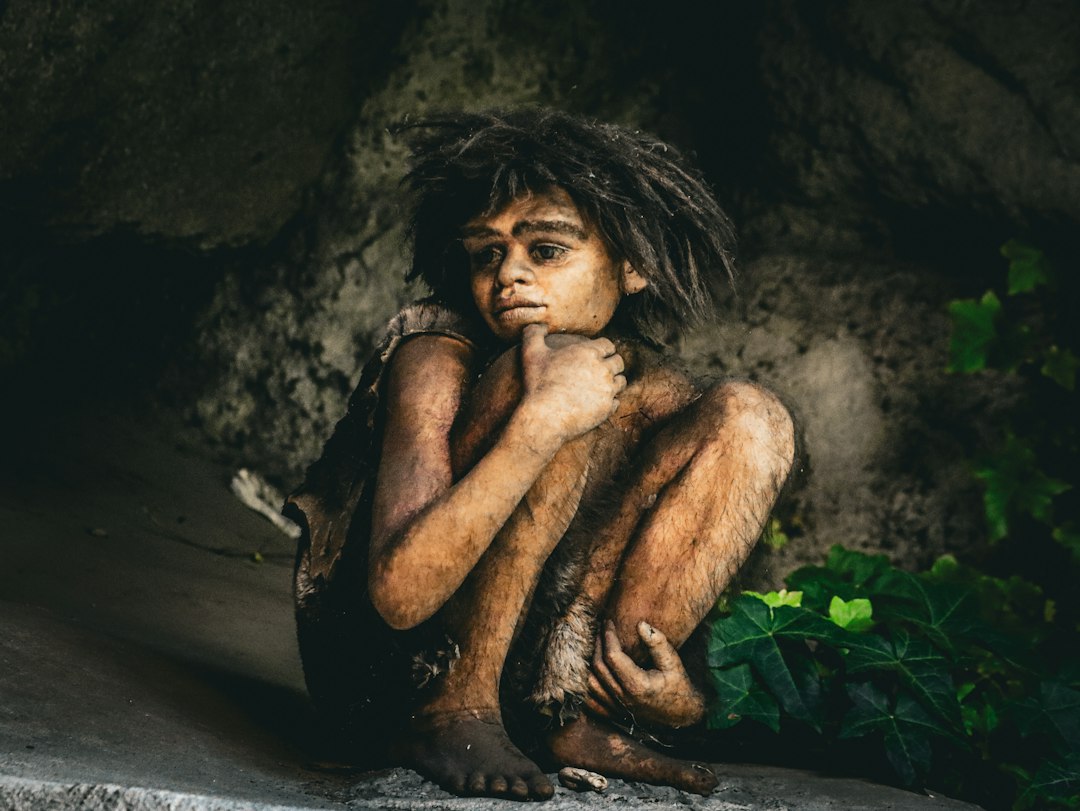
The deep past of humanity, shrouded in the mists of time, whispers tales of survival, innovation, and most importantly, connection. Before the grand narratives of empires and civilizations, there existed the foundational bedrock of human society: the tribal bond. These early human groups, often small and nomadic, forged intricate webs of relationships that were essential for their existence. Understanding these tribal bonds is not merely an academic pursuit; it is an exploration of our own origins, a quest to unveil the very essence of what makes us human. The echoes of dawn, the first stirrings of cooperative behavior and shared identity, reverberate through our modern world, shaping our understanding of family, community, and belonging. Unveiling these primal connections requires a multidisciplinary approach, drawing insights from archaeology, anthropology, primatology, and genetics. Each discipline offers a unique lens through which to examine the lives of our ancestors, piecing together fragmented evidence to reconstruct a vivid picture of their social landscapes.
The Genesis of Belonging: Primal Roots of Cooperation
The impulse to form groups, to belong to something larger than oneself, appears to be deeply ingrained in the human psyche. This innate drive likely arose from the harsh realities of early human existence, where solitary survival was a near impossibility. The savanna, the forests, the caves – these were not forgiving environments. Predators, scarce resources, and the sheer vulnerability of individuals necessitated collective action. It is within this crucible of necessity that the earliest forms of tribal bonds began to solidify, laying the groundwork for a cooperative society that would eventually lead to the flourishing of our species.
The Evolutionary Advantage of Kinship and Alliance
The concept of kinship, the recognition of familial ties, would have been one of the earliest and most potent forces binding early humans together. Protecting offspring, sharing food within a close-knit unit, and passing on vital knowledge were all facilitated by these familial relationships. However, tribal bonds extended beyond immediate kin. The formation of alliances between different family groups would have provided a significant evolutionary advantage. Larger groups offered greater protection against predators and rival groups, and pooling resources could mean the difference between starvation and survival during lean times. These alliances, forged through shared experiences, intermarriage, and mutual defense, created a sense of ‘us’ that was crucial for navigating a dangerous world. The careful observation of primate societies, our closest living relatives, offers tantalizing glimpses into these early dynamics. The complex social hierarchies, grooming behaviors that reinforce bonds, and collaborative hunting strategies seen in chimpanzees and bonobos suggest that the roots of cooperation and social bonding run deep in our evolutionary lineage, predating the emergence of Homo sapiens itself.
Early Shelters and Shared Spaces: The Architecture of Community
The archaeological record, though often sparse, offers tangible evidence of early human communal living. The discovery of ancient campsites, hearths, and shelters provides insights into how early humans organized their lives and interacted with each other. These shared spaces were not merely utilitarian; they were the crucibles where social bonds were nurtured and reinforced. Huddling around a fire for warmth and protection, preparing food collectively, and raising children in a communal environment all fostered a sense of shared identity and mutual reliance. The spatial organization of these living areas can reveal much about social dynamics. Were there designated areas for specific activities? Did certain individuals occupy more central or protected positions? These questions, when answered through careful excavation and analysis, contribute to our understanding of the power structures and social stratification that may have existed within these early tribes. The very act of building and maintaining a shared shelter would have required cooperation, negotiation, and a collective investment in the well-being of the group.
Exploring the cinematic documentary narrative of early human tribal dynamics can provide profound insights into the social structures that shaped our ancestors. A related article that delves into the complexities of human interaction and competition in a modern context is available at this link: The US-China Space Rivalry Explained. This piece examines how contemporary geopolitical rivalries echo the tribal dynamics of early human societies, highlighting the enduring nature of competition and cooperation in shaping civilizations.
The Language of Connection: Communication and Cultural Transmission
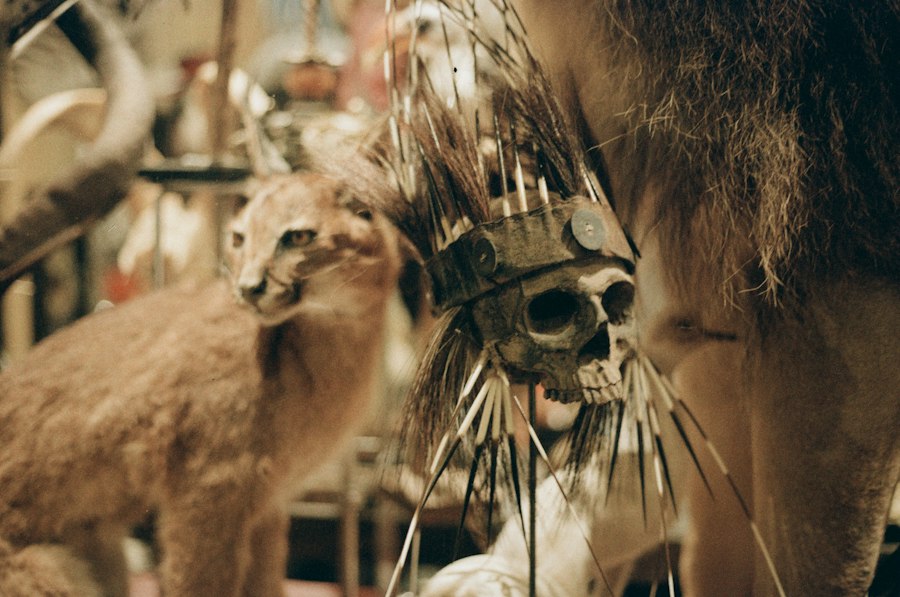
The development of language, even in its rudimentary forms, would have been a transformative force in the evolution of human tribal bonds. The ability to communicate complex ideas, share experiences, and coordinate actions allowed for a level of social complexity that was unprecedented. This shared linguistic understanding, coupled with the transmission of cultural knowledge, created a shared worldview and a sense of collective identity that transcended individual differences.
From Grunts to Grammar: The Evolution of Symbolic Communication
The precise timeline and evolutionary trajectory of human language remain a subject of intense debate. However, it is widely accepted that the capacity for symbolic communication, the ability to use sounds or gestures to represent abstract concepts, was a crucial step. This allowed early humans to move beyond simple alarm calls or expressions of immediate need. Imagine the power of being able to communicate about past events, future plans, or even abstract ideas like danger lurking beyond the visible horizon. This capacity for abstract thought, facilitated by language, would have allowed for more sophisticated forms of social organization, planning, and cooperation. The development of shared myths, stories, and rituals, all reliant on language, would have served to strengthen group cohesion and transmit cultural norms and values across generations. These narratives, passed down through oral tradition, became the glue that held tribes together, providing a common history and a shared sense of purpose.
Rituals, Stories, and Shared Beliefs: The Fabric of Identity
Beyond the practicalities of survival, early human tribes likely developed rich cultural lives centered around shared rituals, stories, and beliefs. These elements played a crucial role in solidifying tribal identity and fostering a sense of belonging. Imagine the communal experience of a hunt ritual, a dance performed to appease the spirits, or the telling of ancient tales around a crackling fire. These shared experiences, imbued with emotional significance, would have created powerful bonds of solidarity and reinforced the group’s collective understanding of the world. The development of shared beliefs, whether animistic, shamanistic, or proto-religious, provided a framework for understanding their place in the cosmos and offered explanations for the mysteries of life and death. These shared narratives and beliefs were not merely abstract concepts; they were woven into the fabric of daily life, guiding behavior, shaping social interactions, and reinforcing the collective identity of the tribe. This shared cultural heritage acted as a powerful deterrent to internal conflict and a unifying force against external threats, ensuring the survival and continuity of the group.
Defining the ‘Us’: Boundaries and Belonging Within and Beyond the Tribe
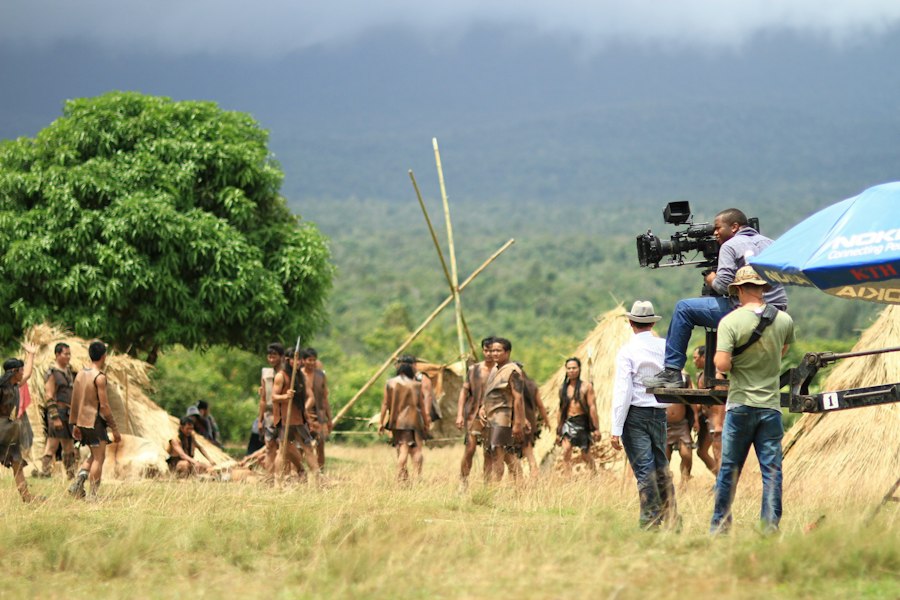
The concept of belonging is intrinsically linked to the concept of exclusion. For early human tribes, defining who was ‘in’ and who was ‘out’ was a critical aspect of their social organization and survival. These boundaries, whether based on kinship, shared practices, or even physical markers, helped to maintain the integrity of the group and manage interactions with outsiders.
Kinship Networks and Exogamy: Expanding the Circle of Trust
While immediate kinship was a primary driver of early tribal bonds, these groups did not exist in isolation. The practice of exogamy, marrying outside of one’s immediate kin group, was likely a crucial strategy for forging alliances and expanding the circle of trust between different tribes. This practice not only reduced the risks associated with inbreeding but also created complex networks of reciprocal obligations and mutual aid. When a member of one tribe married into another, they carried with them not only a new individual but also a bridge between two social units. This could translate into shared resources during times of scarcity, assistance during conflicts, or the exchange of valuable information. These inter-tribal relationships, built on kinship and facilitated by exogamy, created a wider social fabric that could enhance the overall resilience and success of early human populations. Understanding these complex kinship networks is vital for comprehending the diffusion of technologies, ideas, and even genetic material across early human populations.
The Challenge of the ‘Other’: Diplomacy, Conflict, and Inter-group Relations
Interactions between different early human tribes were not always harmonious. The competition for resources, territorial disputes, and the inherent suspicion of outsiders would have inevitably led to conflict. However, these interactions were not solely characterized by aggression. Diplomacy, negotiation, and the establishment of protocols for managing inter-group relations likely played a significant role in shaping the social landscape of the prehistoric world. Evidence of trade networks, even for seemingly simple items like stone tools or shells, suggests that some degree of peaceful exchange existed. Furthermore, the development of strategies for warfare, while often brutal, also required a high degree of internal cohesion and coordination within a tribe. The ability to present a unified front against an external threat would have further strengthened the bonds within the group. The study of contemporary hunter-gatherer societies provides valuable ethnographic parallels, illustrating the delicate balance that can exist between inter-group cooperation and conflict, often mediated by complex social rules and cultural understandings.
The Legacy of the Tribe: Echoes in Modern Society
The influence of early human tribal bonds extends far beyond the prehistoric era. The fundamental human need for belonging, the dynamics of in-group/out-group behavior, and the importance of community are all deeply rooted in our evolutionary past. While the form and scale of human societies have dramatically changed, the echoes of these primal connections continue to resonate within us.
The Enduring Power of Community and Belonging
The human psyche is wired for connection. The search for belonging, for a place where one is accepted and valued, is a fundamental human drive. This drive, honed by millennia of tribal living, manifests today in our families, our friendships, our workplaces, and our online communities. The formation of clubs, sports teams, and social groups all reflect this innate need to associate with others and derive a sense of identity from our affiliations. The anxiety and alienation often experienced in modern, atomized societies can be seen as a modern manifestation of the loss of the strong, all-encompassing tribal bonds that once provided a constant sense of security and belonging. Understanding these deep-seated psychological needs can help us to foster more meaningful and supportive communities in the present day.
From Dunbar’s Number to Global Networks: The Evolving Scale of Social Connection
The concept of “Dunbar’s Number,” the idea that humans can only maintain stable social relationships with a limited number of individuals (approximately 150), is often cited as a cognitive limit reflecting our evolutionary past. While modern technology has allowed us to connect with vastly larger networks, the underlying principles of trust, reciprocity, and emotional connection often remain most potent within smaller, more intimate groups. The evolution from small, face-to-face tribes to sprawling, interconnected global societies represents a remarkable transformation. However, the human capacity for forming and maintaining strong social bonds, a skill honed over countless generations in tribal settings, continues to be a cornerstone of our social existence, albeit on an ever-expanding and ever-more complex scale. The challenge for modern society lies in navigating the complexities of these larger networks while still nurturing the deep, meaningful connections that are essential for human well-being, drawing upon the enduring lessons of our earliest tribal bonds.
The exploration of early human tribal dynamics offers fascinating insights into how our ancestors organized themselves and interacted within their communities. A related article that delves into the significance of resource management in these early societies can be found at Uncovering the Archaeology of Food Rationing, which discusses how food distribution and rationing played a crucial role in the survival and social structures of tribal groups. Understanding these dynamics not only enriches our knowledge of human history but also sheds light on the foundations of modern social organization.
Unveiling the Unseen: Methods and Mysteries in Studying Early Tribes
| Metric | Description | Example Value | Relevance to Narrative |
|---|---|---|---|
| Tribal Size | Average number of individuals in early human tribes | 20-50 members | Shows social structure and group dynamics |
| Leadership Roles | Types of leadership observed (e.g., chief, elder, shaman) | Chief and spiritual leader | Highlights power distribution and decision-making |
| Communication Methods | Forms of communication used within tribes | Gestures, early language, storytelling | Essential for conveying culture and history |
| Conflict Resolution | Ways tribes managed internal and external conflicts | Rituals, negotiation, physical contests | Demonstrates social cohesion and survival strategies |
| Resource Sharing | Patterns of sharing food and tools among members | Communal sharing and barter | Reflects cooperation and interdependence |
| Rituals and Ceremonies | Frequency and types of tribal rituals | Seasonal rites, initiation ceremonies | Provides insight into belief systems and identity |
| Migration Patterns | Movement frequency and reasons for relocation | Seasonal migration for resources | Contextualizes environmental adaptation |
| Intertribal Relations | Nature of interactions between different tribes | Trade, alliances, occasional conflict | Explores broader social networks and diplomacy |
The study of early human tribal bonds is a testament to human ingenuity and persistence. The fragmented nature of the archaeological record and the challenges of inferring behavior from fossilized remains require sophisticated methodologies and a constant willingness to embrace the inherent mysteries of the deep past.
Archaeological Footprints: Excavating the Evidence of Social Life
Archaeology provides the most direct, albeit often indirect, evidence of early human social structures. Excavations of ancient campsites, burial sites, and tool-making locations offer tangible clues about how these groups lived, interacted, and organized themselves. The analysis of spatial patterns at these sites can reveal information about communal living arrangements, the division of labor, and even social hierarchies. The discovery of specific types of artifacts, such as ornaments or symbolic objects, can provide insights into shared beliefs, rituals, and artistic expression. The careful study of wear patterns on tools can indicate their use in specific activities, and the presence of different materials at a site can hint at trade networks and inter-group interactions. While the direct “voices” of these early humans are lost to us, their material culture serves as a silent, yet eloquent, testament to their social lives and the bonds that held them together.
Primatology and Paleogenetics: Bridging the Gap with Our Relatives and Ancestors
Our closest living primate relatives, such as chimpanzees and bonobos, offer invaluable insights into the potential origins of social bonding and cooperative behaviors. By observing their complex social dynamics, their grooming practices that reinforce alliances, and their collaborative hunting strategies, scientists can draw parallels to early hominin behavior. These observations provide a comparative framework for understanding the evolutionary pressures that may have shaped our own social instincts. Furthermore, the advent of paleogenetics has revolutionized our understanding of early human populations. By analyzing ancient DNA, scientists can now trace migration patterns, reconstruct family structures within ancient communities, and even identify genetic markers associated with social behaviors. This genetic evidence, combined with archaeological findings and primatological observations, allows for a more holistic and nuanced understanding of the intricate social tapestry of our ancient ancestors, piecing together the echoes of dawn with ever-increasing clarity.
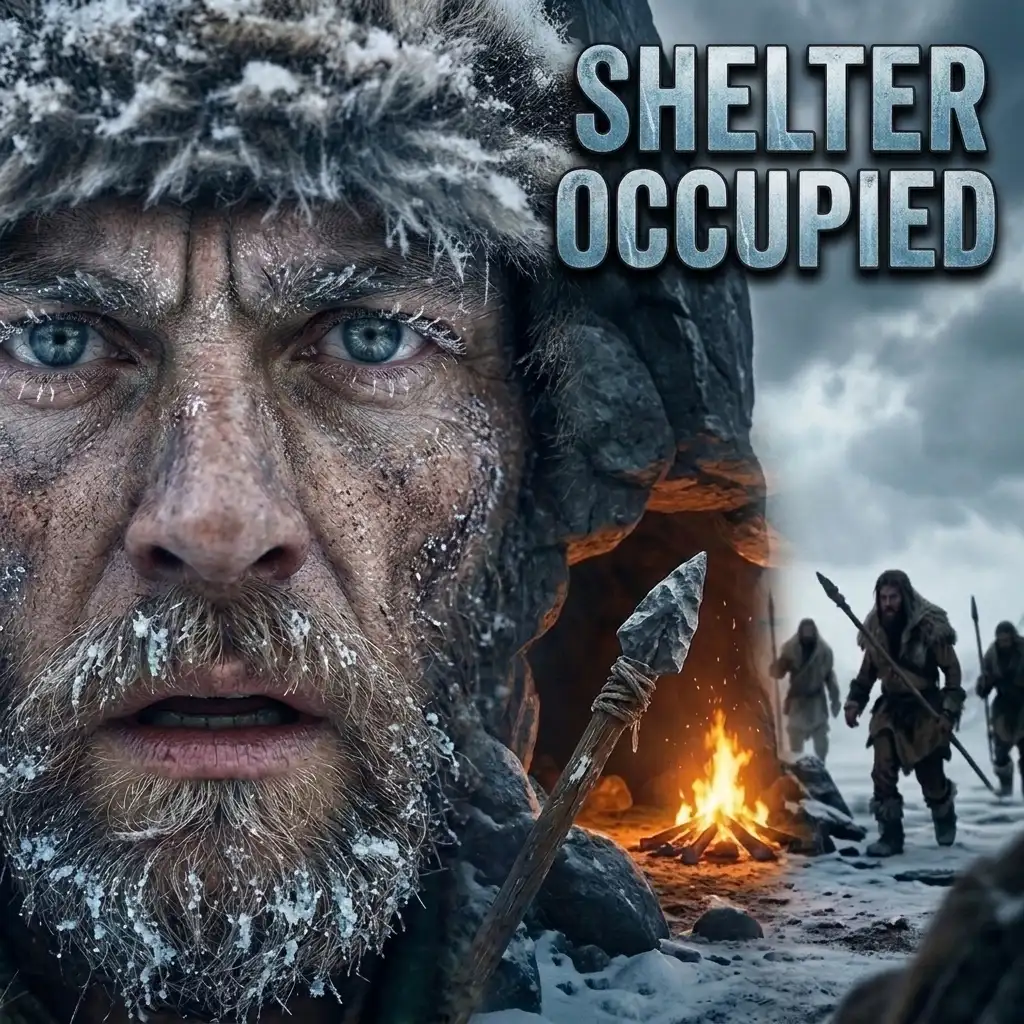
➡️Life 20,000 Years Ago | When Strangers Claim Your Winter Shelter 🚨
FAQs
What is a cinematic documentary narrative?
A cinematic documentary narrative is a storytelling approach that combines elements of traditional documentary filmmaking with cinematic techniques to create a compelling visual and auditory experience. This style often emphasizes character development, emotional engagement, and a narrative arc, allowing viewers to connect with the subject matter on a deeper level.
How do early human tribal dynamics influence modern society?
Early human tribal dynamics, such as social structures, cooperation, and conflict resolution, have laid the foundation for many aspects of modern society. These dynamics inform our understanding of community building, leadership roles, and social hierarchies, influencing everything from family structures to organizational behavior in contemporary settings.
What themes are commonly explored in documentaries about early human tribes?
Documentaries about early human tribes often explore themes such as survival, cooperation, cultural rituals, conflict, and the relationship between humans and their environment. These themes highlight the complexities of tribal life and the ways in which early humans adapted to their surroundings and social challenges.
What techniques are used to portray tribal dynamics in cinematic documentaries?
Techniques used to portray tribal dynamics in cinematic documentaries include immersive cinematography, reenactments, interviews with anthropologists or historians, and the use of sound design to evoke the atmosphere of tribal life. These methods help to create a vivid representation of the social interactions and cultural practices of early human tribes.
Why is understanding early human tribal dynamics important for anthropology?
Understanding early human tribal dynamics is crucial for anthropology as it provides insights into the evolution of human behavior, social organization, and cultural practices. This knowledge helps anthropologists draw connections between past and present societies, offering valuable perspectives on human adaptability and the development of social norms over time.