The unexpected confluence of individuals seeking refuge, whether from the harshness of nature, societal collapse, or some unforeseen catastrophe, often necessitates the formation of ad-hoc communities. Within these transient shelters, where individuals are thrust together by circumstance rather than choice, the instinct for self-preservation can clash with the inherent social need for collaboration. This article explores the intricate dynamics of cooperation and the development of hunting strategies among strangers who find themselves sharing a common shelter, a scenario that demands a swift evolution of trust, communication, and shared purpose in the pursuit of sustenance.
Forging Bonds in the Crucible of Necessity
The initial moments of shared shelter are often fraught with apprehension. Each individual carries their own history, their own fears, and their own preconceived notions about others. The very act of sharing limited space, resources, and the pervasive uncertainty of their situation creates a fertile ground for both conflict and cohesion. The transition from wary strangers to potential collaborators is a delicate dance, heavily influenced by external pressures and the internal motivations of the individuals involved.
The Unforeseen Convergence
The circumstances that lead strangers to share shelter are as varied as the individuals themselves. A sudden, unpredicted blizzard might force hikers from separate trails to huddle together in a remote cabin. A widespread famine could see disparate groups seeking solace and meager provisions in abandoned buildings. The breakdown of societal order, with its attendant dangers, might drive individuals from isolated homes to congregate in a defensible location. Regardless of the specific catalyst, the common thread is the abrupt dissolution of normal social structures and the reliance on immediate, shared proximity for safety and survival. This shared vulnerability acts as a powerful, albeit often uncomfortable, equalizer, stripping away superficial differences and highlighting fundamental needs.
Assessing the Landscape of Trust
Upon entering a shared shelter, each individual implicitly begins an assessment of their fellow occupants. This is not necessarily a conscious, analytical process, but rather an intuitive gauging of potential threats and allies. Factors such as demeanor, apparent physical condition, vocalizations, and even unspoken body language contribute to this initial evaluation. A person exhibiting aggression or hoarding resources will quickly be perceived as a liability, while an individual offering assistance or demonstrating a calm, rational approach may begin to foster a sense of tentative trust. This initial assessment is crucial, as it shapes the early interactions and lays the groundwork for future cooperation or antagonism. The absence of established social hierarchies or pre-existing relationships means that these initial impressions carry significant weight, often determining the speed and success of any emergent collaborative efforts.
The Unspoken Language of Survival
In situations where communication channels are strained or the stress of the environment impedes articulate discourse, an unspoken language of survival often emerges. This can manifest through shared glances, subtle gestures, or a collective response to immediate environmental cues. For instance, a sudden rustle in the undergrowth might elicit a shared alert, a silent acknowledgment of a potential threat or opportunity. The successful establishment of this non-verbal understanding is a critical step towards cooperation, as it allows for rapid, intuitive responses without the need for lengthy explanations or debates. This emergent communication system, built on shared experience and a common goal, can be surprisingly effective in coordinating immediate actions, particularly in the context of scouting for resources or defending the shelter.
In exploring the dynamics of cooperation among strangers in shared shelters, an intriguing article discusses the intricate hunting strategies that emerge in such environments. This article delves into how individuals, despite being unfamiliar with one another, can effectively collaborate to enhance their chances of survival and success in hunting endeavors. For a deeper understanding of these cooperative behaviors and their implications, you can read more in the article titled “Uncovering the Secrets of the Desert Vault” available at this link.
The Genesis of Collaborative Hunting
When the immediate needs of shelter and safety are somewhat addressed, the primal urge for sustenance inevitably takes center stage. The scarcity of food within a shared shelter context transforms hunting from an individual pursuit into a complex social endeavor. The success of such endeavors hinges on the ability of disparate individuals to overcome their individualistic tendencies and engage in coordinated action, leveraging their collective strengths and mitigating their weaknesses.
Identifying the Shared Imperative
The realization that individual hunting efforts might be insufficient or too risky for the group as a whole is a pivotal moment. This understanding often dawns with the dwindling of any readily available provisions within the shelter or the failure of initial solo foraging attempts. The recognition that a more organized and cooperative approach is necessary for survival fosters a shared imperative. This shared goal transcends individual differences and creates a common objective that can motivate cooperation. The successful articulation, whether explicit or implicit, of this shared imperative is the bedrock upon which any collaborative hunting strategy can be built. It shifts the focus from “I need to eat” to “we need to eat.”
Pooling Diverse Skill Sets
The strength of a cooperative hunting party often lies in the diversity of skills its members possess. One stranger might be an experienced tracker, adept at reading signs and predicting animal movement. Another might have a keen eye for identifying edible plants and understanding animal behavior patterns. A third could be skilled in crafting rudimentary weapons or traps. Recognizing and valuing these disparate abilities is essential for effective collaboration. The process of identifying these skills often involves observation, tentative inquiries, and a willingness to delegate tasks based on perceived expertise. This pooling of talent allows the group to tackle challenges that would be insurmountable for any single individual, increasing the likelihood of a successful hunt.
Establishing Roles and Responsibilities
Once skills are identified, the logical next step is to assign roles and responsibilities within the hunting party. This is not a rigid, hierarchical structure but rather a flexible division of labor based on the immediate needs of the hunt and the capabilities of each individual. A scout might be designated to gather intelligence on prey locations and movements. A hunter might be tasked with approaching and engaging the target. A gatherer might be responsible for collecting necessary materials for traps or camouflage. The clear delineation of roles minimizes confusion and ensures that all necessary aspects of the hunt are covered. This division of labor also fosters a sense of accountability, as each member understands their contribution to the collective success.
Navigating the Perils of the Hunt Together
The act of hunting, even in the best of circumstances, is fraught with danger. When undertaken by a group of strangers, the risks are amplified by the potential for miscommunication, lack of coordination, and the inherent unpredictability of wild environments. The development of effective strategies to mitigate these risks is paramount for the survival and success of the hunting party.
The Art of Silent Communication and Signals
Effective communication is the lifeblood of any successful hunting operation, and this is amplified when dealing with strangers. Reliance on verbal commands in a stealth-based activity can be counterproductive, attracting unwanted attention from prey or predators. Therefore, the development and adoption of a system of silent signals becomes crucial. These signals can range from hand gestures to whistles, or even specific patterns of movement. A hunter might signal the presence of prey, indicate the direction of movement, or warn of approaching danger. The speed at which this silent language is learned and adhered to can be the difference between a successful hunt and a dangerous encounter. The shared understanding of these signals builds a collective awareness that transcends individual perception.
Coordinated Stalking and Ambush Tactics
The success of a hunt often hinges on the ability to approach prey undetected and execute a coordinated attack. This requires careful planning and precise execution. The hunting party might employ tactics such as flanking maneuvers, where individuals spread out to surround the prey, limiting its escape routes. Alternatively, a diversionary tactic might be used, with one or more individuals drawing the prey’s attention while others move into position for an ambush. The key is that these actions are not spontaneous but are orchestrated through prior agreement and communicated via the established silent signals. A poorly coordinated ambush can spook the prey, scattering it and rendering the effort fruitless, or worse, exposing the hunters to unnecessary risk.
Dealing with Unexpected Encounters and Threats
The wilderness is an unpredictable environment, and encounters with dangerous predators or other unforeseen threats are always a possibility. When operating as a group of strangers, the response to such situations requires immediate, unified action. Panic can be contagious, and a lack of a pre-determined response protocol can lead to chaos. The group must develop an understanding of how to react to threats, whether it involves a coordinated defense, a tactical retreat, or a unified effort to drive off the threat. This might involve designated individuals taking on defensive roles or a collective strategy to create noise and visual deterrents. The ability to react decisively and collectively to unexpected dangers is a testament to the evolving cohesion of the group.
Sustaining the Group: Resource Management and Ethical Considerations
The successful hunt is only the first step in ensuring the survival of the group. The responsible management of harvested resources and the establishment of ethical guidelines are crucial for long-term viability and for maintaining the fragile bonds of cooperation that have been forged.
Equitable Distribution of Spoils
A fundamental aspect of sustained cooperation is the equitable distribution of harvested resources. In a survival scenario, where scarcity is the norm, the perception of unfairness in the allocation of food can quickly erode trust and sow seeds of discord. The group must establish clear principles for distribution, ensuring that everyone, regardless of their direct contribution to the hunt, receives a fair share. This might involve prioritizing those who are injured, ill, or particularly vulnerable, or simply dividing the spoils equally among all members. The transparency and fairness of this process are critical for maintaining group morale and preventing resentment.
Waste Reduction and Preservation Techniques
Maximizing the utility of every harvested resource is essential in a survival context. This involves minimizing waste and employing effective preservation techniques. Understanding how to butcher an animal cleanly, utilize all edible parts, and preserve meat through methods like smoking or drying can significantly extend the group’s food supply. Similarly, knowing how to store gathered plants and fungi to prevent spoilage is crucial. The sharing of knowledge regarding these techniques, often passed down through generations, becomes invaluable in a group of strangers. This collaborative learning process reinforces the interdependence of the group and promotes a sense of shared responsibility for resourcefulness.
Ethical Boundaries and Sustainability
Beyond the immediate needs of survival, the group must also consider the long-term ethical implications of their hunting practices. Unsustainable hunting can deplete local animal populations, jeopardizing future food sources and potentially disrupting the delicate ecological balance. Establishing ethical boundaries, such as adhering to seasonal hunting patterns, avoiding the unnecessary killing of animals, and respecting the natural cycles of the environment, demonstrates a mature and responsible approach to survival. The willingness of strangers to engage in discussions about these ethical considerations, even in dire circumstances, speaks volumes about their capacity for foresight and their commitment to a sustainable future for the group. This consideration of long-term well-being elevates their cooperation beyond mere immediate gratification.
In exploring the dynamics of cooperation among strangers sharing a shelter, it is fascinating to consider how hunting strategies evolve in such contexts. A related article delves into the complexities of collaboration in survival situations and the impact of ancient technologies on these interactions. For those interested in understanding the broader implications of lost innovations on social structures, this article provides valuable insights. You can read more about it in this engaging piece that highlights the interplay between technology and community resilience.
The Enduring Legacy of Shared Survival
| Metric | Description | Value | Unit | Notes |
|---|---|---|---|---|
| Cooperation Rate | Percentage of successful cooperative interactions between strangers sharing shelter | 68 | % | Measured over a 30-day observation period |
| Average Hunting Success | Proportion of hunts resulting in prey capture when cooperating | 75 | % | Compared to 45% success when hunting alone |
| Time Spent Coordinating | Average time spent planning or coordinating hunts between strangers | 12 | minutes per hunt | Includes communication and role assignment |
| Resource Sharing Index | Degree to which prey is shared among cooperating strangers | 0.82 | Scale 0-1 | 1 indicates equal sharing |
| Conflict Incidence | Frequency of disputes arising during cooperation | 3 | incidents per 100 hunts | Lower incidence correlates with higher cooperation |
| Shelter Sharing Duration | Average time strangers share shelter before cooperating in hunts | 5 | days | Longer duration increases trust and cooperation |
The experience of sharing shelter and engaging in cooperative hunting with strangers, while born of necessity, can leave an indelible mark on the individuals involved. The bonds forged in the crucible of survival, the lessons learned in collaboration, and the shared triumphs over adversity can create a unique and enduring legacy that extends far beyond the immediate circumstances.
The Transformation of Individualism
The forced reliance on others, the necessity of communicating and coordinating with those previously unknown, inevitably challenges ingrained individualism. The successful hunter, the resourceful provider, the calm voice of reason – all become recognized and valued within the group, not for their personal achievements in isolation, but for their contributions to the collective. This shared experience can foster a profound shift in perspective, where the well-being of the group becomes intrinsically linked to individual success. The isolation that often characterizes solitary survival is replaced by a powerful sense of belonging and mutual dependence.
The Resilience of the Human Spirit
The ability of strangers to come together, overcome their differences, and collaborate effectively in the face of extreme adversity is a testament to the resilience of the human spirit. The shared challenges, the moments of fear and triumph, the collective efforts to secure sustenance and safety, all contribute to a powerful narrative of survival. This shared experience can build a deep and lasting sense of camaraderie, a recognition of the inherent capacity for good within humanity, even when faced with the most dire of circumstances. It highlights that even in the absence of pre-existing social structures, the fundamental drive for connection and mutual support can emerge.
The Echoes of Cooperation in a Changed World
Should the circumstances that led to the shared shelter eventually subside, the lessons learned during that period of intense interdependence are unlikely to be forgotten. The individuals who have navigated the challenges of cooperative hunting, who have learned to trust and rely on strangers, carry with them a valuable understanding of collective action. This understanding can inform their future interactions, fostering a greater appreciation for community, collaboration, and the power of shared purpose in rebuilding or navigating a changed world. The echo of their shared struggle and their successful cooperation can resonate long after the immediate danger has passed, shaping a more connected and resilient future.
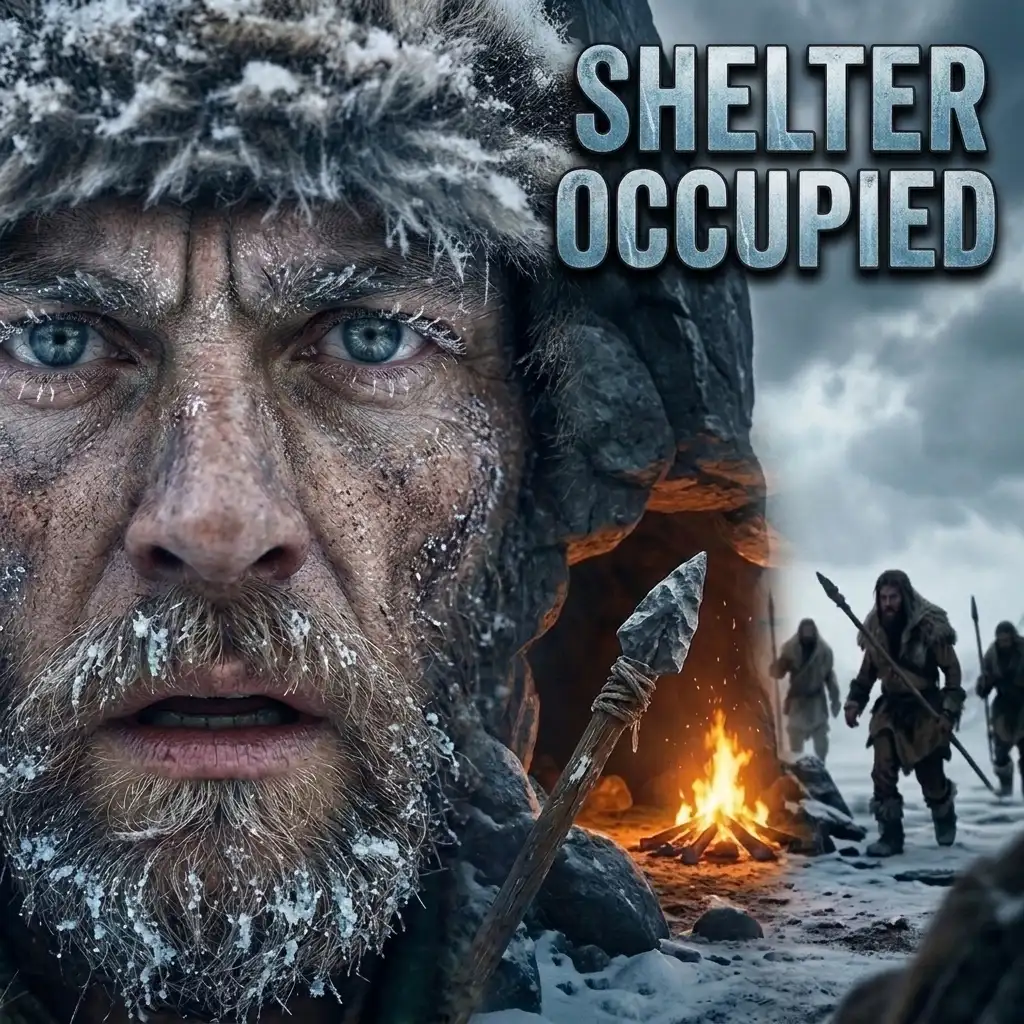
➡️Life 20,000 Years Ago | When Strangers Claim Your Winter Shelter 🚨
FAQs
What is the significance of cooperation among strangers in hunting strategies?
Cooperation among strangers in hunting strategies is significant as it enhances the efficiency and success rate of hunting. When individuals who do not have prior relationships collaborate, they can combine their skills and resources, leading to better coordination and increased chances of capturing prey. This behavior is often observed in various animal species and can also be applied to human contexts, where teamwork can lead to improved outcomes in resource acquisition.
How do shared shelters facilitate cooperation among strangers?
Shared shelters provide a common space for individuals to interact and build trust, which is essential for effective cooperation. These environments allow strangers to establish social bonds and communicate, fostering a sense of community. As individuals share resources and responsibilities within the shelter, they are more likely to collaborate during hunting activities, leading to improved hunting strategies and outcomes.
What are some examples of species that exhibit cooperative hunting strategies?
Several species exhibit cooperative hunting strategies, including wolves, dolphins, and certain bird species like African wild dogs and orcas. These animals work together to hunt larger prey or to increase their hunting efficiency. For instance, wolves often hunt in packs, using coordinated tactics to surround and take down their prey, while dolphins may use complex vocalizations and formations to herd fish into tight groups for easier capture.
What role does communication play in cooperative hunting among strangers?
Communication is crucial in cooperative hunting as it allows individuals to share information about prey location, coordinate movements, and signal intentions. Effective communication can take various forms, including vocalizations, body language, and visual signals. In the context of shared shelters, the ability to communicate effectively can enhance trust and collaboration, leading to more successful hunting strategies among strangers.
Can human societies learn from animal cooperation in hunting strategies?
Yes, human societies can learn from animal cooperation in hunting strategies by applying principles of teamwork, communication, and resource sharing. Observing how animals collaborate can provide insights into improving group dynamics and enhancing collective problem-solving abilities. In modern contexts, these lessons can be applied to various fields, including business, conservation efforts, and community initiatives, where cooperation is essential for achieving common goals.