The crunch of leaves underfoot, the scent of damp earth, and the hopeful anticipation of a successful hunt—these are the familiar sensations for any dedicated outdoorsman. However, the wilderness does not always cooperate with our best-laid plans. A failed tracking attempt, after hours of patient observation and diligent pursuit, can be a disheartening experience. It can leave a hunter questioning their skills, their approach, and the very wisdom of their chosen path. Yet, experienced hunters understand that setbacks are not failures, but rather valuable learning opportunities. Adapting hunting strategies after a disappointing tracking attempt is not just a matter of salvaging a day in the field; it is a fundamental aspect of becoming a more effective and resilient hunter. It requires a shift in perspective, a willingness to analyze mistakes, and a proactive embrace of new tactics.
The initial sting of a lost animal or a trail gone cold can be potent. It is easy to fall into a cycle of frustration, replaying the events in one’s mind and searching for an elusive single point of failure. However, a more productive approach involves a detached, analytical mindset. Understanding why the tracking attempt faltered is the first crucial step in adapting future strategies. This involves a thorough review of the preceding events, considering environmental factors, the animal’s behavior, and the hunter’s own actions. Was the sign misinterpreted? Was the terrain a factor? Did the weather change abruptly? By dissecting the experience objectively, a hunter can identify areas for improvement and formulate a more effective plan for their next outing. This often means recognizing that the initial strategy, while well-intentioned, may have been flawed from the outset or that external factors rendered it obsolete. The ability to learn from these moments, rather than being defeated by them, is what separates a novice from a seasoned woodsman.
Re-evaluating the Initial Signs
The foundation of any successful tracking endeavor lies in the accurate interpretation of initial signs. When a tracking attempt goes awry, it is imperative to revisit and scrutinize these early indicators. This is not about assigning blame but about dissecting the information received and understanding any potential misinterpretations or missed nuances. A fresh perspective, perhaps after a period of rest or even on a subsequent hunt, can reveal details that were overlooked in the heat of the moment. This reflective process is paramount for adjusting future strategies.
Analyzing Track Quality and Interpretation
The very first step in understanding a failed tracking attempt often begins with a close examination of the tracks themselves. Were the tracks fresh, or had they been influenced by time and weather? Were they clear and distinct, or smudged and partially obscured? A hunter must ask themselves if they were truly identifying the animal they thought they were. Misidentification of species, age, or even sex can lead to vastly different behavioral assumptions and, consequently, flawed tracking. For instance, mistaking a doe’s track for a buck’s might lead a hunter to expect a different travel pattern or level of wariness.
Furthermore, the substrate in which the tracks were found plays a significant role. Mud, soft earth, and snow offer different levels of detail and preservation compared to dry leaves, rocks, or hard-packed ground. Recognizing the limitations imposed by the terrain is crucial. A partially obscured print in dry leaves might be an indication that the animal was moving quickly, or perhaps that the ground was disturbed by wind. A hunter needs to assess whether they were giving sufficient weight to such subtle clues.
Beyond the physical characteristics of the track, the context in which it was found is equally important. Was it an isolated print, or part of a clear trail? Were there other signs nearby—scat, rubs, browsed vegetation—that corroborated the presence of the animal? Sometimes, a single, intriguing print can be a red herring, leading a hunter down a path that ultimately proves fruitless. The experienced tracker learns to connect the dots, recognizing that a successful track is often a tapestry of various signs, not just a single footprint. The failure to do so can be a primary reason for a tracking attempt to fizzle out.
Assessing the Environment and Its Impact
The environment is a dynamic entity, constantly influencing the behavior of wildlife and the effectiveness of a hunter’s efforts. When a tracking attempt fails, a retrospective analysis of environmental conditions is essential. This includes considering factors that might have obscured tracks, altered the animal’s travel patterns, or made the hunter’s own presence more conspicuous.
Weather plays an undeniable role. Rain can wash away tracks, strong winds can scatter leaves and debris, obscuring subtle signs, and extreme temperatures can influence an animal’s activity periods and routes. A sudden downpour, for instance, can effectively erase hours of tracking effort in a matter of minutes. Conversely, a prolonged dry spell can make tracking incredibly challenging, as animals may avoid soft ground, leaving minimal trace. A hunter must consider if the weather conditions at the time were conducive to tracking and if they adapted their strategy accordingly. Did they anticipate the impact of an incoming storm, or did they press on into conditions that were inherently unfavorable?
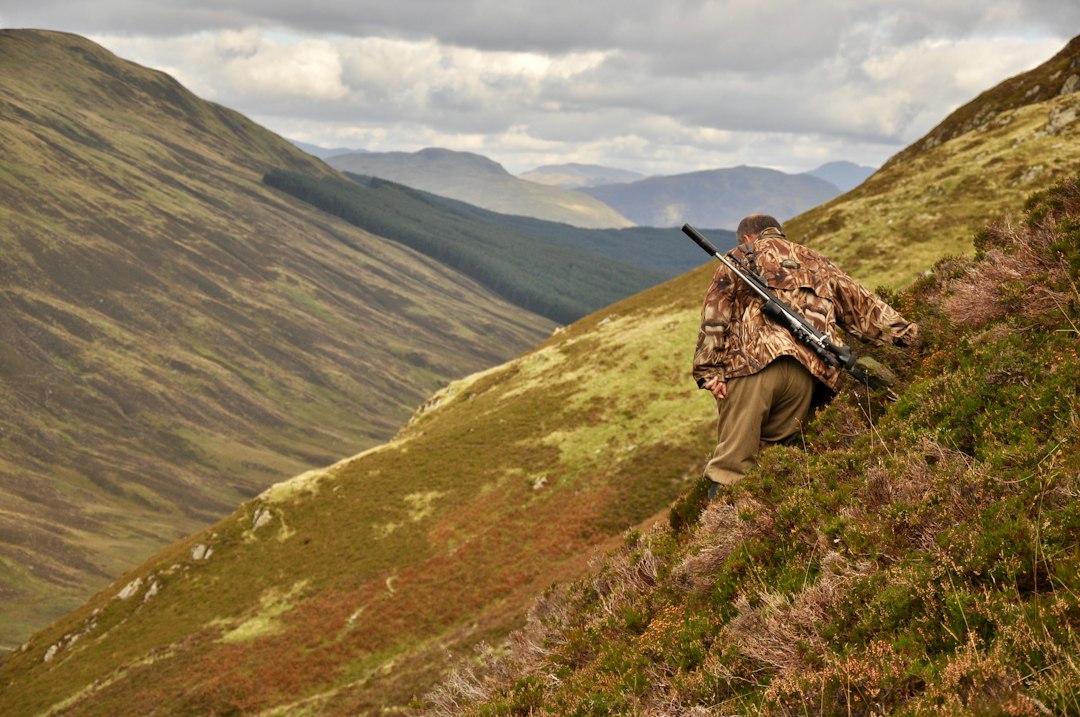
Topography also presents its own set of challenges. Steep slopes, dense undergrowth, rocky terrain, and water crossings can all make tracking difficult. Animals often utilize these features to their advantage, moving through areas that are less accessible to humans. A hunter might have lost the trail simply because the animal moved into a dense thicket or crossed a fast-flowing stream, areas where scent and visual cues are easily disrupted or lost. Understanding how the animal uses the landscape and how the landscape hinders tracking is a vital lesson learned from a failed attempt. Did the hunter anticipate these challenges and adjust their approach, perhaps by focusing on bottlenecks or known travel corridors within difficult terrain?
After a failed tracking attempt, it is crucial for hunters to adapt their strategies to improve their chances of success in future endeavors. One insightful article that discusses the broader implications of adapting strategies in challenging environments is available at Fragile States: A Global Challenge. This piece explores how various groups, including hunters, must navigate and adjust to the complexities of their surroundings, emphasizing the importance of flexibility and resilience in the face of setbacks.
Adapting the Strategy: Shifting Tactics and Approaches
The most crucial element after a failed tracking attempt is the willingness to adapt. This is not about abandoning the hunt altogether, but about intelligently re-evaluating the situation and employing new tactics. A rigid adherence to a failing strategy is a recipe for continued disappointment. Instead, the hunter must become a fluid, responsive entity, adjusting their approach based on the lessons learned and the evolving conditions of the environment and the animal’s behavior.
Embracing the Element of Surprise
When a tracking attempt has gone cold, it often means the animal has become aware of the hunter’s presence or has simply moved to a new location. At this point, the initial approach, which may have been too direct or predictable, needs to be abandoned. The focus must shift towards reacquiring the animal without alerting it further, or by anticipating its likely next move. This might involve a change in the hunter’s own movement patterns.
Instead of following the most obvious path, a hunter might consider flanking movements or approaches from unexpected angles. If the animal was spooked and moved in a particular direction, a hunter could attempt to intercept it by moving perpendicular to its presumed escape route, rather than directly behind it. This requires a deeper understanding of animal behavior, particularly their instincts for self-preservation. When an animal senses danger, its primary instinct is often to flee in a direction that offers the greatest perceived safety, which is not always directly away from the perceived threat.
Furthermore, hunters can leverage the environment to their advantage, using natural cover and terrain to approach the animal unseen. This might involve moving along ridges, using creek beds as corridors, or timing movements with wind direction to minimize scent detection. The goal is to become a ghost in the woods, an unseen force that the animal does not perceive as a threat. This can sometimes mean abandoning a direct pursuit and instead setting up an ambush in a likely feeding or bedding area that the animal might relocate to. The key is to anticipate, rather than merely react.
Utilizing Different Senses and Tools
A successful hunter employs a full spectrum of their senses and available tools to their advantage. When a primary sense, such as sight, fails to yield results during a tracking attempt, it is time to amplify and diversify the use of others. This means a more deliberate and conscious effort to engage with the environment through sound, smell, and even touch.
The keen ear can pick up subtle sounds that might indicate an animal’s presence or movement, even when visual cues are absent. This includes the rustling of leaves, the snap of a twig, or even the distant call of another animal that might have been disturbed by the quarry. Hunters should learn to differentiate between natural sounds and those that suggest animal activity.
Similarly, scent, while often difficult to detect by humans, can be a powerful indicator. A hunter needs to be attuned to the distinct odors of specific animals, especially when the wind is favorable. Learning to identify the scent of urine, musk, or disturbed vegetation can provide crucial directional information when visual tracking becomes impossible. Specialized scent lures can also be employed, though their effectiveness depends heavily on the species and the context.
Modern technology also offers a range of tools that can supplement a hunter’s natural abilities. While not a replacement for keen observation, these can be invaluable in a challenging tracking situation. Thermal imaging devices, for instance, can detect the heat signature of an animal, even in dense cover or at night, offering a significant advantage when visual tracking has failed. GPS devices and trail cameras can help hunters map out likely travel routes, identify frequented areas, and even monitor animal activity remotely. However, it is critical to remember that these are aids, not crutches. Their effective use depends on the hunter’s understanding of animal behavior and the environment.
Anticipating Animal Behavior in New Scenarios
When a tracking attempt fails, it often signifies that the animal has moved to a new area or altered its behavior due to perceived danger. The hunter’s strategy must then shift from direct pursuit to intelligent anticipation. This involves drawing upon a deep understanding of animal ecology, their daily routines, and their responses to pressure.
After a failed tracking attempt, adapting hunting strategies becomes crucial for success in the field. Understanding the reasons behind the failure can lead to more effective techniques and improved outcomes in future hunts. For insights on how external factors can influence survival strategies, you might find the article on the threat of state collapse particularly enlightening. It explores how adaptability in various contexts can be essential, much like in hunting scenarios where conditions change rapidly. You can read more about it here.
Predicting Refugia and Bedding Areas
Animals, particularly prey species, are driven by a fundamental need for security. When they perceive themselves to be under threat, their immediate reaction is to seek refuge. This often means moving towards areas that offer dense cover, limited visibility, and a sense of safety. Identifying these likely refugia is a critical component of adapting after a failed tracking attempt.
These areas can vary greatly depending on the species, the terrain, and the time of day. For deer, this might include thickets of briars, dense pine stands, or the shady side of a steep ridge. Elk may seek out the deep woods or high-country meadows. Understanding the specific habitat preferences of the target animal is paramount. A hunter who has lost the trail needs to think like the animal: where would it go to hide, to rest, or to feel secure if it knew it was being pursued?
Bedding areas are particularly important. These are the places where animals spend significant portions of their day resting and ruminating. If an animal has been spooked, it is likely to seek out a familiar or preferred bedding area to regain a sense of normalcy and safety. Identifying these areas through scouting, observation of sign, and knowledge of the local landscape can provide a hunter with a critical advantage. Instead of chasing a disappearing trail, the hunter can proactively move to a likely bedding area and wait, using the wind to their advantage and employing stealth to maximize their chances of a close encounter.
Understanding Escape Routes and Safety Zones
When an animal is alerted to a hunter’s presence, its immediate instinct is to escape. Understanding the typical escape routes and safety zones of a particular species can be the key to reacquiring it or intercepting it. Animals often have established patterns for fleeing perceived threats, utilizing natural corridors and features that offer quick concealment or a means of evading pursuit.
These escape routes are rarely random. They might follow game trails that lead to dense cover, move along ridges to gain a vantage point, or descend into ravines where visual contact is lost. A hunter needs to consider the direction of the wind and the terrain when anticipating an animal’s escape. If the wind is blowing towards the hunter, the animal might flee directly away, exposing itself. If the wind is blowing away, the animal might circle back or move perpendicular to the hunter’s position to utilize the wind to its advantage in detecting threats.
Safety zones are areas where an animal feels particularly secure and is less likely to be disturbed. These can include areas with thick vegetation, near water sources, or in proximity to other members of its social group. If a hunter has lost an animal, they might consider moving to the edge of a known safety zone and waiting, anticipating that the animal might eventually seek comfort there. This proactive approach, based on an understanding of the animal’s ingrained behaviors, can transform a failed tracking attempt into a successful hunt. It shifts the focus from chasing a ghost to strategically positioning oneself for an encounter.
Incorporating Learnings for Future Hunts
The most valuable outcome of any failed tracking attempt is the knowledge gained. This knowledge is not to be compartmentalized or forgotten, but actively integrated into future hunting strategies. Each setback is an opportunity to refine one’s skills, expand one’s understanding of wildlife, and become a more effective and ethical hunter. The true measure of a hunter’s success is not solely in the trophies they bring home, but in their continuous growth and adaptation in the field.
Documenting and Analyzing Past Experiences
A crucial step in capitalizing on failed tracking attempts is the systematic documentation and analysis of these experiences. This can take many forms, from detailed journal entries to photographic logs of sign and terrain. The key is to create a record that can be revisited and studied, allowing for objective reflection and identification of patterns.
When a tracking attempt goes wrong, the hunter should take time to meticulously record every detail. This includes the date, time, location, weather conditions, and any pertinent environmental factors. Crucially, the hunter should document the initial signs observed, the direction of travel, the terrain encountered, and any specific actions taken during the pursuit. This documentation should also include observations about the animal’s potential behavior and any theories about why the tracking failed. Were the tracks misleading? Was there a sudden change in weather that obscured the trail? Did the animal exhibit an unusual behavior that was not anticipated?
Upon returning home or during downtime, the hunter should review these records. This analysis should be conducted with a critical and objective eye, looking for recurring mistakes, missed opportunities, or underestimated challenges. For example, a hunter might notice a pattern of failed tracking attempts in certain types of terrain, or after specific weather events. This analysis can then inform future strategies, leading to a more informed and prepared approach on subsequent hunts. It is through this iterative process of experience, documentation, and analysis that a hunter truly hones their craft.
Developing a More Flexible and Adaptive Mindset
Ultimately, the ability to adapt hunting strategies after a failed tracking attempt hinges on cultivating a flexible and adaptive mindset. This is about more than just learning new techniques; it is about embracing uncertainty and viewing challenges as opportunities for growth. Hunters who are overly rigid in their thinking are likely to be frustrated by the unpredictable nature of the wild.
An adaptive hunter understands that no two hunts are ever the same. The animal, the environment, and the hunter’s own circumstances will always present unique variables. Therefore, a successful hunter must be willing to deviate from their preconceived plans when the situation demands it. This might mean abandoning a planned route, changing the time of day for a particular activity, or even altering the species they are pursuing if conditions become unfavorable for their original target.
This mindset also involves a healthy dose of humility. It acknowledges that despite meticulous planning and considerable skill, the wild will always hold an element of mystery. The experienced hunter accepts that they will not always be successful and that failures are an inevitable part of the learning process. Rather than dwelling on disappointment, they use it as fuel for improvement. This proactive and resilient approach to hunting allows them to not only adapt to the challenges of a failed tracking attempt but to thrive in the ever-changing tapestry of the natural world.

➡️Life 20,000 Years Ago | When Strangers Claim Your Winter Shelter 🚨
FAQs
What are some common reasons for a failed tracking attempt?
A failed tracking attempt can occur due to various reasons, including poor weather conditions, lack of animal sign, human error in tracking techniques, or the animal changing its behavior or route. Additionally, distractions from other wildlife or environmental factors can also contribute to a tracking failure.
How can hunters adapt their strategies after a failed tracking attempt?
Hunters can adapt their strategies by analyzing the reasons for the failure, such as reviewing the terrain and weather conditions. They may also consider changing their tracking routes, using different tracking techniques, or employing technology like GPS or trail cameras to gather more information about the animal’s movements.
What role does patience play in adapting hunting strategies?
Patience is crucial in adapting hunting strategies, as it allows hunters to take the time to reassess their approach and gather more information. Rushing into a new strategy without careful consideration can lead to further failures. Taking a step back can help hunters develop a more effective plan based on their observations.
Are there specific tools or technologies that can assist in adapting hunting strategies?
Yes, various tools and technologies can assist hunters in adapting their strategies. GPS devices can help track animal movements, while trail cameras can provide insights into their habits. Additionally, apps designed for hunters can offer weather updates, mapping features, and community insights that can inform better decision-making.
How important is understanding animal behavior in adapting hunting strategies?
Understanding animal behavior is vital for adapting hunting strategies, as it helps hunters predict where animals are likely to move and how they react to different stimuli. Knowledge of feeding patterns, mating seasons, and habitat preferences can significantly enhance a hunter’s ability to successfully track and hunt their target after a failed attempt.