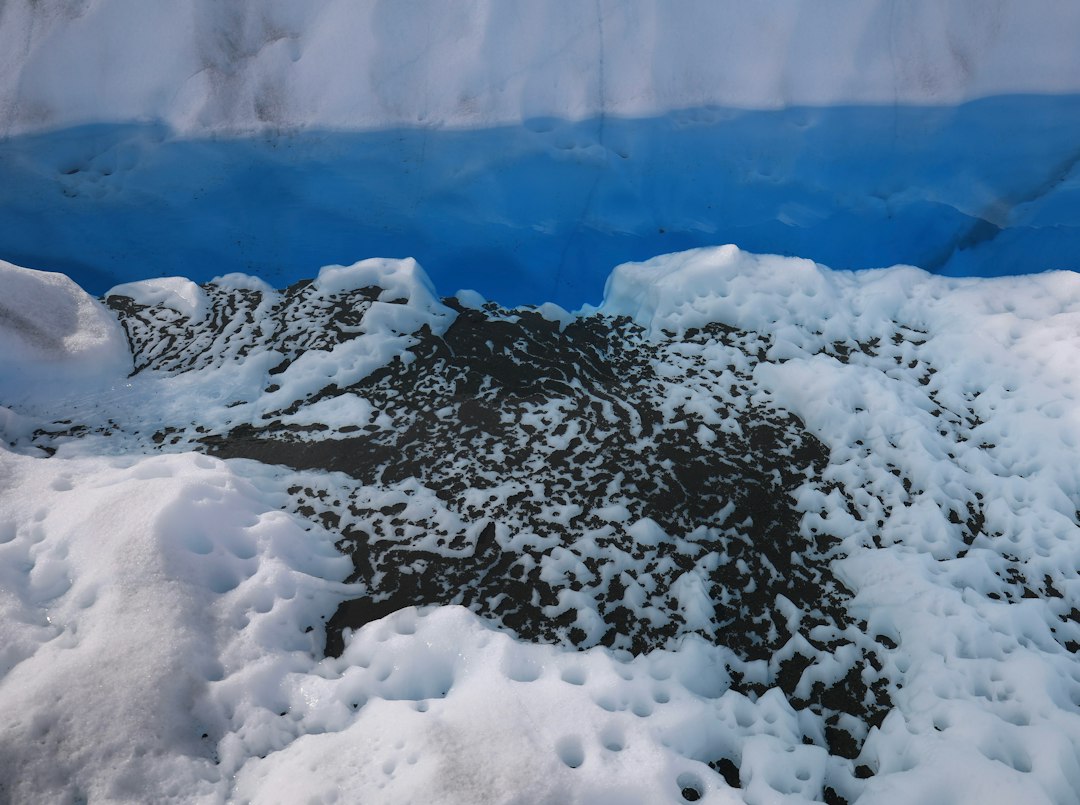
The wind howled, a relentless, frigid beast that tore at exposed flesh and drove drifts of snow higher than a man’s head. This was the Last Ice Age winter, a period of extremes that tested the very limits of human endurance. For the small bands of hunter-gatherers who eked out an existence in this frozen world, survival was not a passive state but an active, daily struggle against a formidable adversary. Their lives were a testament to ingenuity, resilience, and an intimate understanding of a landscape sculpted by ice and wind. They were navigators of uncharted terrain, their existence a precarious dance on the edge of oblivion, where every decision, every action, carried profound weight.
The Unyielding Landscape of the Frozen North
The world of the Last Ice Age was a starkly different place, a canvas painted in shades of white and grey, punctuated by the hardy greens of tundra vegetation. Vast ice sheets, remnants of a planet in the grip of a glacial maximum, dominated much of the northern hemisphere. These colossal glaciers, kilometers thick in places, sculpted the land, carving out valleys, creating fjords, and leaving behind moraines of rubble and sediment. Beyond the immediate reach of these ice behemoths lay the periglacial zone, a region perpetually frozen, where the ground remained solid year-round, thawing only a shallow layer on the surface during the brief, intense summers. This was the realm of the mammoth steppe, a vast, treeless grassland that teemed with life, a vital resource for the human populations who depended on it.
Adapting to the Periglacial Environment
The periglacial environment presented unique challenges. The extreme cold, with winter temperatures plummeting far below anything experienced in modern times, was a constant threat. Permafrost meant that digging for shelter or resources was often impossible beyond the shallow active layer. Water sources could be frozen solid for months, requiring innovative methods for obtaining and melting ice. Plant life, while present in the form of mosses, lichens, and dwarf shrubs, was sparse and adapted to harsh conditions. The landscape was also dynamic, shaped by powerful winds that created vast dune systems and sculpted rock formations. Understanding the subtle signs of this environment – the direction of the prevailing winds, the patterns of snow accumulation, the availability of unfrozen water – was paramount for survival.
The Mammoth Steppe: A Resourceful Ecosystem
Despite its harshness, the periglacial zone supported a surprisingly rich ecosystem, dominated by the iconic mammoth steppe. This vast grassland, stretching across Eurasia and North America, was home to a menagerie of megafauna. Woolly mammoths, with their shaggy coats and enormous tusks, roamed in herds, their grazing opening up the landscape. Other large herbivores, such as woolly rhinoceroses, steppe bison, and wild horses, also thrived on the nutrient-rich grasses. These animals formed the backbone of the human diet, providing not only meat but also hides for clothing and shelter, bones for tools and weapons, and sinew for cordage. The migratory patterns of these herds dictated the movements of human groups, forcing them to be nomadic, following the bounty of the steppe across vast distances.
Navigating uncharted terrain during the last ice age winter posed significant challenges for early humans, as they adapted to extreme conditions and sought new resources for survival. A related article that explores the broader implications of environmental changes and societal responses can be found at The Threat of State Collapse. This piece delves into how societies throughout history have faced crises, drawing parallels to the resilience required during the harsh winters of the ice age.
Mastering the Art of the Hunt
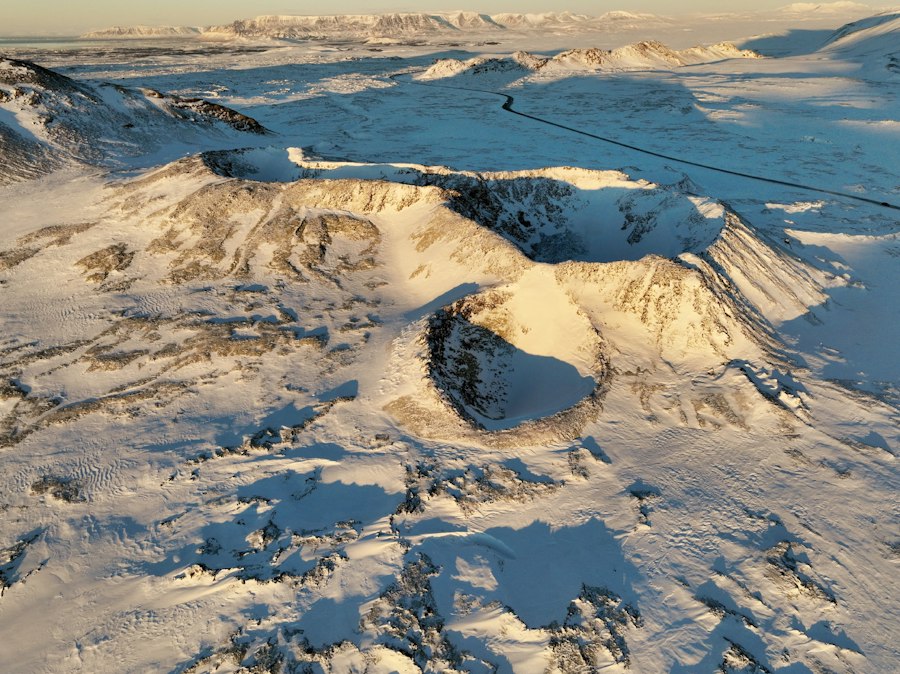
For the people of the Last Ice Age, hunting was not merely a means of sustenance; it was a highly sophisticated art form, honed over generations. The success or failure of a hunt could mean the difference between life and death, a fact that instilled a deep respect for the animals and a profound understanding of their behavior. The primary prey were the large herbivores of the mammoth steppe, creatures of immense size and power that required a coordinated and strategic approach. The hunting strategies employed were diverse, tailored to the specific animal, terrain, and the available technology.
The Coordinated Chase: Strategies for Large Game
Hunting large game like mammoths and woolly rhinoceroses was a communal undertaking, demanding cooperation and a deep understanding of group dynamics. Pitfalls, cleverly disguised natural depressions or man-made traps, were a common method for bringing down these massive animals. Hunters would subtly guide the herds towards these hidden dangers, their movements coordinated by signals and a shared understanding of the terrain. Spears, tipped with stone points, were the primary weapons. Thrown with great force and accuracy, often from a distance, these projectiles could inflict serious wounds. More ambitious hunts might involve driving the animals over cliffs or into bogs, where their size and weight would render them vulnerable. The success of such endeavors relied on meticulous planning, knowledge of animal psychology, and the unwavering courage of the hunters.
Small Game and the Importance of Ingenuity
While the thrill and caloric reward of large game hunts were undeniable, the diet was often supplemented by smaller animals. Arctic foxes, hares, and various birds provided valuable protein and fat. The hunting of these creatures required a different set of skills and tools. Snares and deadfall traps, set along game trails or near burrows, were effective for capturing smaller prey. Spears, smaller and lighter than those used for megafauna, were also employed. Fishing, where available in unfrozen rivers or lakes, offered another crucial food source. The ingenuity of these people is evident in their ability to adapt their hunting techniques to a wide range of prey, ensuring a more stable and varied diet. The careful observation of animal tracks, scat, and feeding patterns was as important as the physical act of the hunt.
The Fortress Against the Frost: Shelter and Warmth
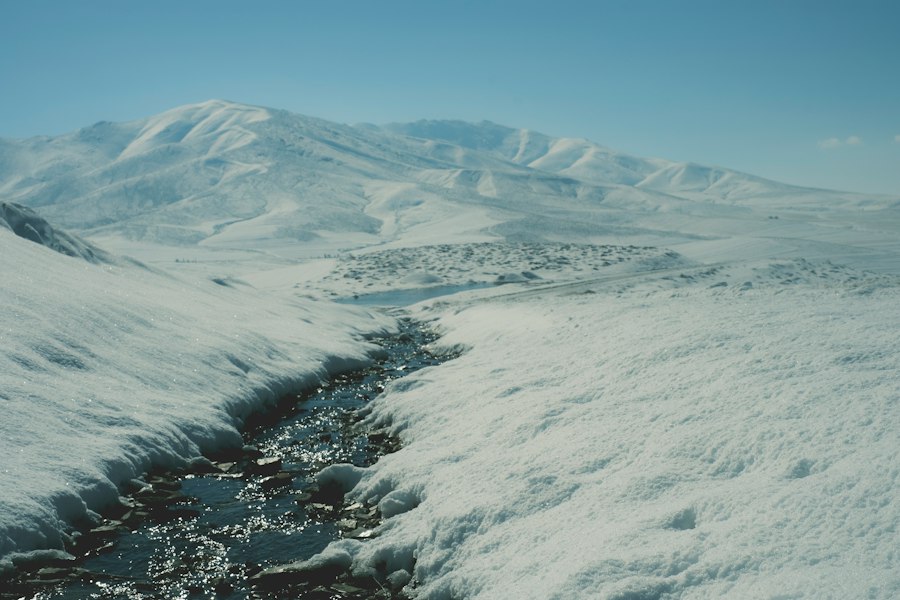
The biting winds and sub-zero temperatures of the Last Ice Age winter demanded more than just warm clothing; they necessitated robust and well-insulated shelters. The very act of surviving the coldest months was a testament to the architectural and engineering skills of these early humans, skills often developed out of necessity and a deep understanding of local resources. From temporary camps to more semi-permanent dwellings, the primary goal was to create a sanctuary from the relentless cold.
Dwelling Designs: Caves, Huts, and Mammoth Bones
Shelter took various forms, dictated by the available materials and the duration of stay. Natural caves and rock shelters offered immediate protection, often enhanced with animal hides and branches to block out wind and snow. Where natural shelters were scarce, or for longer stays, constructed dwellings became essential. Mammoth bones, with their immense size and strength, were a remarkable building material. The ribs of these colossal creatures could be used to form the framework of a dome-shaped hut, covered with hides and sod for insulation. Other materials, such as wood from hardy dwarf trees, turf, and snow itself, were also ingeniously employed. These structures were designed to be windproof and to trap body heat, creating a microclimate that allowed for survival.
Harnessing Fire: The Heart of the Camp
Fire was the undisputed heart of any Paleolithic camp, providing essential warmth, light, and the ability to cook food. The control and maintenance of fire, especially during the harsh winter, was a skill of paramount importance. Knowing how to gather and store fuel – dried grasses, animal dung, and wood – was crucial. The techniques for igniting fire, likely involving friction methods like the bow drill or hand drill, were mastered. The placement of hearths within shelters was carefully considered to maximize heat distribution while minimizing smoke inhalation. Beyond its practical uses, fire also served as a focal point for social interaction, storytelling, and the passing down of knowledge within the group. The embers of the hearth represented not just warmth, but the very continuation of their lineage.
Threads of Survival: Clothing and Tools
The thinness of their skin and the vulnerability of their flesh to the extreme cold meant that clothing and the tools that fashioned it were indispensable for survival. The hides of animals, meticulously prepared and skillfully sewn, provided the primary barrier against the elements. The development of specialized tools for working these materials allowed for the creation of effective garments, essential for both hunting expeditions and daily life.
Tailoring the Hide: Garments for the Cold
The preparation of animal hides was a laborious but vital process. Scraping away flesh and fat, followed by tanning to prevent decay and increase suppleness, was undertaken with specialized stone scrapers. The resulting hides were then cut and sewn to create fitted garments. The typical attire likely consisted of layers: an inner layer of soft fur, worn with the fur facing the skin for maximum warmth, and an outer layer of thicker hide to protect against wind and moisture. Hoods, mittens, and fur-lined boots were essential for protecting extremities, which are most susceptible to frostbite. The skill of sewing, likely utilizing bone needles and sinew thread, was crucial in creating these protective coverings, allowing for both mobility and insulation.
The Toolkit of Ingenuity: Stone, Bone, and Ivory
The survival of these early humans was intimately tied to their ability to fashion effective tools from the materials at hand. Stone, bone, and ivory were the primary mediums for their craftsmanship. Flint knapping, the art of striking stone to create sharp edges and functional tools, was a highly developed skill. Axes for felling trees (or large branches), knives for butchering and scraping hides, scrapers for preparing materials, and spear points for hunting were all meticulously crafted. Bone and ivory were used to create awls for sewing, needles, fishhooks, and decorative items. The complexity and diversity of their toolkit speaks volumes about their problem-solving abilities and their deep understanding of the properties of different materials. Each tool was a carefully considered extension of their own capabilities, a vital component in their struggle against the frozen world.
Navigating uncharted terrain during the last ice age winter posed significant challenges for early humans, as they adapted to extreme conditions and sought new resources for survival. Understanding these ancient strategies can provide valuable insights into human resilience and adaptability. For a deeper exploration of how historical events shape modern contexts, you might find this article on trade alignment particularly interesting, as it discusses how past agreements influence current economic landscapes. You can read more about it here.
Social Bonds and the Transmission of Knowledge
| Metric | Value | Unit | Description |
|---|---|---|---|
| Average Temperature | -20 | °C | Estimated average winter temperature during the Last Ice Age |
| Glacier Coverage | 30 | % | Percentage of Earth’s surface covered by glaciers during the Last Ice Age |
| Visibility Range | 500 | meters | Estimated visibility range during snowstorms in uncharted terrain |
| Travel Speed | 1.5 | km/h | Average travel speed on foot through icy and rugged terrain |
| Snow Depth | 1.2 | meters | Average snow depth in uncharted areas during winter |
| Daylight Hours | 8 | hours | Average daylight duration during winter months |
| Risk of Frostbite | High | N/A | Level of frostbite risk due to extreme cold and exposure |
| Navigation Tools | Primitive | N/A | Type of navigation tools available during the Last Ice Age |
In the face of such overwhelming environmental pressures, the strength of social bonds and the effective transmission of knowledge were as crucial to survival as any tool or shelter. Human groups, even those of modest size, relied on cooperation for hunting, resource sharing, and mutual defense. The elders, with their accumulated wisdom and experience, played a vital role in ensuring the continuity of their culture and the survival of the younger generations.
Communal Living and Resource Sharing
The harsh realities of the Last Ice Age winter fostered a strong sense of community. Individual survival was often dependent on the collective efforts of the group. Hunting parties worked together, sharing the spoils of a successful kill. Shelters were communal spaces, offering warmth and protection to all members. The sharing of resources – food, fuel, and tools – was not merely an act of generosity but a pragmatic necessity. In a world where resources could be scarce and unpredictable, mutual reliance was the bedrock of their existence. The bonds forged within these small groups provided a crucial buffer against the unforgiving environment.
The Legacy of the Elders: Passing Down the Ways
Knowledge, passed down through generations, was the ultimate survival manual for these ancient peoples. Elders, having witnessed and experienced countless winters, held a wealth of information about animal behavior, tracking techniques, medicinal plants, weather patterns, and the safest routes through the treacherous landscape. This knowledge was not recorded in books but in stories, songs, and practical demonstrations. Children learned by observing, participating, and listening to the tales of their ancestors. The careful transmission of these traditions ensured that the hard-won lessons of survival were not lost, providing a continuous thread of wisdom that guided each new generation through the uncharted terrain of the Last Ice Age winter.
➡️Life 20,000 Years Ago | When Strangers Claim Your Winter Shelter 🚨
FAQs
What were the primary challenges faced by humans during the last Ice Age winter?
During the last Ice Age winter, humans faced numerous challenges including extreme cold temperatures, scarcity of food resources, and the need to adapt to rapidly changing landscapes. The harsh climate made it difficult to find shelter and hunt for food, while the presence of large ice sheets and glaciers altered traditional migration routes.
How did early humans adapt their hunting strategies during the last Ice Age?
Early humans adapted their hunting strategies by developing more sophisticated tools and techniques, such as using spears and traps to hunt large game like mammoths and reindeer. They also formed social groups to improve cooperation in hunting and gathering, which increased their chances of survival in the harsh conditions.
What types of shelters did humans use during the last Ice Age?
Humans during the last Ice Age utilized various types of shelters, including caves, temporary huts made from animal hides, and structures built from wood and stone. These shelters provided protection from the elements and predators, allowing them to survive the frigid temperatures.
What role did climate change play in the end of the last Ice Age?
Climate change played a significant role in the end of the last Ice Age by gradually warming the Earth’s temperatures, leading to the melting of ice sheets and glaciers. This transition allowed for the expansion of vegetation and animal populations, which in turn provided new food sources for human populations and facilitated their migration into previously uninhabitable areas.
How did the last Ice Age influence human migration patterns?
The last Ice Age significantly influenced human migration patterns as groups were forced to move in search of more hospitable environments. As ice sheets receded, humans migrated into newly available territories, leading to the colonization of regions such as North America and parts of Europe, which were previously covered by ice.