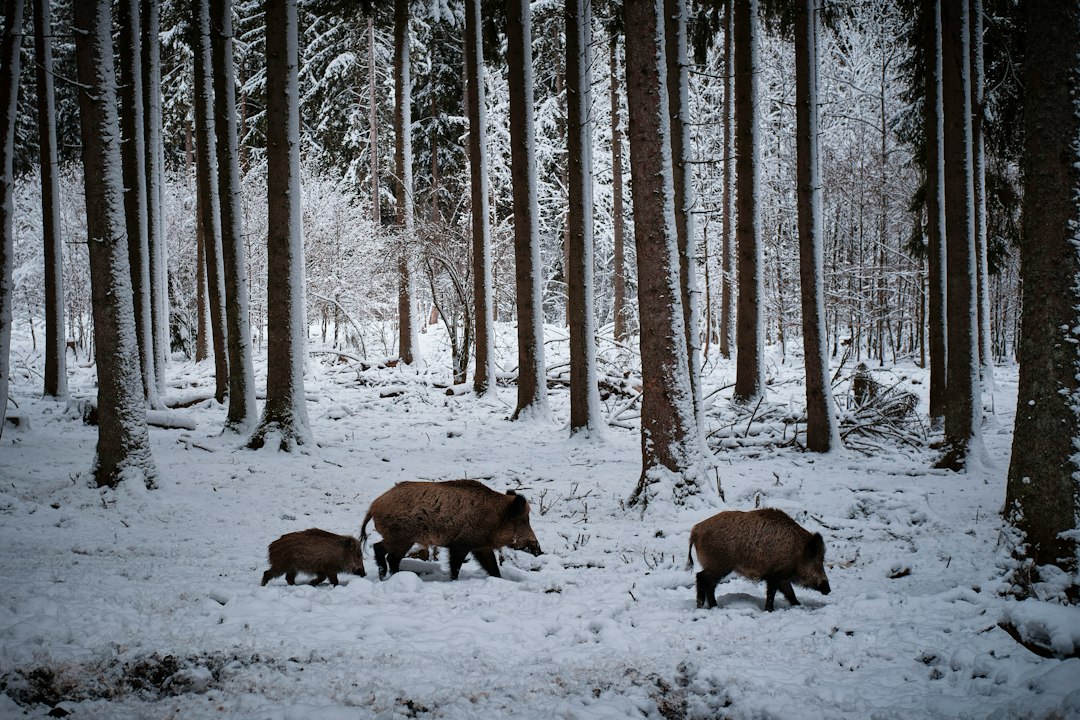
The biting wind, a relentless sculptor of the frozen plains, howled through the skeletal branches of ancient trees, carrying with it the promise of a brutal winter. For the small clan of early humans, huddled together in the relative shelter of a cave carved into the side of a rocky outcrop, survival was not a given; it was a daily, brutal negotiation with the elements and the unforgiving landscape. Their world was one of immediate needs: warmth, food, and protection. The encroaching snow, already several feet deep in the valleys, signaled an escalation of these needs, a threat that loomed larger than any predator. This was a prehistoric family, their existence a testament to resilience in the face of overwhelming odds.
The Looming Shadow of the Great Cold
The signs had been subtle at first, easily dismissed by those less attuned to the rhythms of nature. The birds, usually chattering in the dense foliage, had grown quiet, their migratory instincts urging them southwards. The smaller game, the rabbits and voles, had become scarce, their tracks fading into the increasingly hardened earth. For Elara, the clan matriarch, a woman whose weathered face bore the etchings of countless seasons, these were not mere observations but urgent warnings. Her keen eyes, honed by generations of survival, could read the subtle shifts in the wind, the peculiar stillness of the air, the way the sunlight seemed to hold less warmth each day. She felt the change deep within her bones, a primal awareness that signaled a turning point. The Great Cold was coming, and with it, a test of their very existence.
Whispers of Harshness in the Whispering Wind
The elders, their voices raspy with age and the dry air, spoke of winters past, tales whispered around flickering fires. They recounted seasons where the snow lay so deep it buried entire trees, where the rivers froze solid for months, and where the gnawing hunger was a constant companion. These were not just stories; they were lessons, passed down through oral tradition, a vital repository of knowledge for a people without written language. Young Kael, a hunter whose strength was beginning to rival his father’s, listened intently, his brow furrowed with a mixture of awe and trepidation. He understood the words, but the visceral reality of such hardship was still largely theoretical for him, a specter he had not yet fully confronted. Elara, watching him, knew that theory would soon be replaced by a stark and unforgiving education.
The Precarious Balance of the Hunter-Gatherer Life
The clan’s existence was a finely tuned dance with the environment. Their diet, primarily meat from the larger game they could hunt, supplemented by roots, berries, and nuts gathered during the warmer months, was entirely dependent on the availability of resources. The approach of winter meant the cessation of most plant life and the increased difficulty in tracking and bringing down prey. Their reliance on flint tools and sharpened wooden spears, while effective for the hunt, offered little solace against the relentless cold. The very fabric of their lives, from the animal skins that served as their clothing to the dried meats and preserved berries that formed their meager stores, was a testament to their ingenuity but also highlighted their vulnerability to any disruption in the natural order. The approaching winter threatened to unravel this delicate balance, pushing them towards the precipice of desperation.
In the harsh realities of prehistoric life, families faced the daunting challenge of surviving desperate winters, often leading to fierce struggles for resources and safety. These early humans had to rely on their instincts and cooperation to endure the cold months, highlighting the importance of community and strategic planning in their survival. For those interested in understanding the broader implications of resource management and investment in today’s world, a related article discusses the benefits of acquiring farmland as a means of securing assets and ensuring sustainability. You can read more about this topic in the article found here: Protecting Assets: Why Buying Farmland is a Smart Investment.
Fortifying the Hearth Against the Coming Storm
As the days grew shorter and the first icy tendrils of frost began to paint the landscape, the clan’s focus shifted from daily sustenance to long-term survival. The cave, their primary shelter, was already a place of relative security, but it required careful preparation to withstand the onslaught of wind and snow. Every member of the clan, from the youngest child to the oldest elder, had a role to play in this monumental task of fortification. The air buzzed with a quiet urgency, a collective understanding that their efforts now would determine their fate in the months to come.
Reinforcing the Den: A Bulwark Against the Blast
The cave entrance, a wide maw in the rock face, was their most vulnerable point. Elara, with her practiced hand, directed the younger hunters and women to gather large stones and sturdy branches. These were painstakingly piled and interwoven, creating a makeshift barrier that would at least partially deflect the driving snow and wind. They packed the gaps with dried moss and animal hides, creating a surprisingly effective seal. Inside, the main chamber of the cave, while offering protection from the wind, was still prone to the insidious chill. They meticulously lined the sleeping areas with layers of dried leaves, grasses, and soft animal furs, creating insulated nests that would trap body heat. The central hearth, the heart of their community, was carefully maintained, its flames a beacon of warmth and hope.
Stockpiling Provisions: A Race Against Time
The hunting parties, though facing increasing difficulties, redoubled their efforts. Every successful kill was a triumph, every piece of meat a precious commodity. The butchering process was meticulous, with every usable scrap of flesh, hide, and bone being carefully preserved. They dried strips of meat over the embers of the fire, smoked it to further enhance its longevity, and stored it in hide bags. The few remaining root vegetables unearthed before the ground froze solid were meticulously cleaned and buried in the driest part of the cave. The women, their nimble fingers adept at preparation, spent hours scraping and cleaning hides, which would later be used for clothing, bedding, and repairs. The dwindling stores served as a constant reminder of the precariousness of their situation, fueling their determination to make the most of every resource.
The Unseen Dangers: Maintaining Health and Hygiene
Beyond the immediate threats of cold and hunger, the clan understood the importance of maintaining their health. Sickness in the harsh winter conditions could be a death sentence. Elara, drawing upon her knowledge of medicinal plants, identified and gathered any remaining hardy herbs with healing properties. These were carefully dried and stored for use in teas and poultices. They emphasized cleanliness as much as possible within their limited means, regularly clearing out the cave of waste and ensuring the fire area remained as sanitary as possible. Small cuts and scrapes were treated with natural antiseptics, and the elders kept a close watch on the well-being of the younger children and the elderly, who were most vulnerable to the rigors of the season.
The Grim Reality of the Frozen Months
As the first true blizzard descended, blanketing the world in an unbroken expanse of white, the true test of their preparation began. The sounds of the outside world were muffled, replaced by the relentless roar of the wind and the occasional crack of ice. The days, when they could be distinguished from the long nights, offered little respite, their grey, sunless light barely penetrating the cave’s entrance. The clan was now truly isolated, their world shrunk to the confines of their rocky sanctuary.
The Gnawing Hunger: Rationing and Resourcefulness
The carefully stockpiled provisions were now their lifeline. Elara, as the keeper of the stores, meticulously rationed their food. Each meal was a carefully calculated portion, designed to sustain them without depleting their reserves too quickly. The dried meat, once a welcome supplement, now formed the backbone of their diet, supplemented by the meager handfuls of dried berries and the occasional roasted root. The constant, dull ache of hunger was a familiar sensation, a shadow that clung to them all. The hunters, though confined to the cave for extended periods, still ventured out when the weather offered even a fleeting window of opportunity, their hopes pinned on the chance of a stray deer or a small, hibernating animal. Their ingenuity was pushed to its limits as they sought to extract every last calorie from their limited food sources.
Battling the Cold: The Perpetual Need for Warmth
The chill seeped through the thickest furs, a constant battle against the encroaching frost. They huddled together for warmth, their bodies pressed close, sharing the precious heat generated by their own life forces. The fire was fed with a miserly hand, each stick of wood a valuable resource. They took turns tending the flames, ensuring it never died completely. When venturing outside for essential tasks, like fetching snowmelt for water, they wrapped themselves in multiple layers of animal hides, their faces exposed only for the shortest possible duration. The children, their small bodies less adept at regulating temperature, were kept closest to the fire, their sleep often punctuated by the need for extra blankets of fur.
The Psychological Toll: Maintaining Morale and Hope
The endless expanse of white, the confinement, and the constant struggle for survival took a significant toll on the clan’s spirits. Despair was a subtle enemy, as dangerous as the blizzards themselves. Elara, acutely aware of this, made it her mission to foster a sense of unity and purpose. She encouraged storytelling, recounting tales of past triumphs and the resilience of their ancestors. The elders, despite their own weariness, offered words of wisdom and encouragement. The younger ones, when they had the energy, would engage in simple games, their laughter a fragile but vital sound in the oppressive silence. The shared meals, however meager, became moments of connection, reinforcing their bond as a family unit. They focused on the small victories: a successful hunt, a few extra dry sticks for the fire, a child’s recovered energy.
Moments of Unexpected Grace and Resilience
Even in the most dire of circumstances, life finds a way to surprise. The harshness of the winter, while a constant adversary, did not entirely extinguish the possibility of moments of grace, fleeting instances that offered a glimpse of hope and reaffirmed the enduring strength of the human spirit. These were the times when the clan could momentarily forget the biting cold and the gnawing hunger, and simply be.
A Fleeting Encounter: The Unexpected Prey
One frigid afternoon, as the wind momentarily died down, Kael and his father, Jorn, ventured a short distance from the cave. The snow was still deep, but the visibility had improved. They were tracking what appeared to be a lone caribou, a magnificent creature that had likely strayed from a larger herd. The hunt was arduous, the snow making every step a struggle. But their determination, fueled by the desperate need for sustenance, was unwavering. After hours of patient stalking, they managed to bring the animal down. The feast that followed, though still rationed, was a welcome respite from the monotonous diet of dried meat. The fresh meat, rich and sustaining, revitalized their bodies and their spirits, a tangible reward for their perseverance. This was not just food; it was a symbol of their ability to overcome the challenges presented by the frozen world.
The Birth of New Life: A Symbol of Continuity
In the deepest part of winter, when the clan’s spirits were at their lowest ebb, a miracle occurred. Lyra, a young woman of the clan, gave birth to a healthy baby girl. The birth was a tense affair, the cave echoing with Lyra’s cries of pain, but the arrival of the infant brought an overwhelming sense of joy and relief. The tiny, mewling creature, so vulnerable yet so full of life, was a potent symbol of continuity, a promise that their lineage, their way of life, would endure. The entire clan rallied around the new mother and child, sharing what little warmth and comfort they could, their collective energy focused on nurturing this new spark of life. The baby’s presence, a stark contrast to the surrounding desolation, became a beacon of hope.
Small Joys in the Great White Silence
Even amidst the hardship, there were small, quiet moments of joy. The children, when their energy permitted, would play in the snow near the cave entrance, their shouts of laughter a welcome sound. They would build crude snow figures, their imaginations transforming the white landscape into a playground. The elders, despite their frailty, would share stories and riddles around the fire, their eyes twinkling with amusement. The sharing of a particularly well-preserved berry, or the discovery of a small, edible root during a brief foray outside, became cause for quiet celebration. These were not grand triumphs, but they were the small, essential moments that sustained the clan, reminding them of the beauty and wonder that still existed in their world, even under the shroud of winter.
In the harsh realities of prehistoric life, families faced the daunting challenge of surviving desperate winters, often leading to fierce struggles for resources and warmth. These conflicts were not just about food but also about the preservation of family bonds and the continuation of their lineage. For a deeper understanding of how ancient communities navigated such adversities, you can explore related findings in the article about remarkable artifacts that shed light on their survival strategies. Discover more about these intriguing discoveries in the article on unearthed artifacts.
The Thawing Promise: Emerging from the Ice Age
| Metric | Value | Unit | Description |
|---|---|---|---|
| Average Temperature | -15 | °C | Average temperature during the desperate winter |
| Food Availability | 30 | % | Percentage of normal food resources available |
| Family Members | 7 | Individuals | Number of family members struggling to survive |
| Survival Rate | 57 | % | Estimated survival rate through the winter |
| Hunting Success Rate | 20 | % | Success rate of hunting attempts during winter |
| Shelter Durability | 75 | % | Effectiveness of shelter against harsh weather |
| Winter Duration | 5 | Months | Length of the desperate winter period |
The first signs of spring were almost imperceptible, a subtle shift in the air, a faint scent of damp earth beneath the melting snow. The sun, though still low on the horizon, began to hold a fraction more warmth, its rays no longer easily defeated by the icy gloom. For the clan, these were harbingers of change, the whispered promise of a reprieve from the relentless grip of winter. Their bodies, though weakened, felt a stirring of renewed energy, a primal instinct responding to the awakening of the world around them.
The Retreat of the Snow: Reclaiming the Land
Slowly, painstakingly, the snow began its retreat. The vast white expanse receded, revealing the sodden earth beneath. Streams, once frozen solid, began to flow, their gentle murmur a welcome sound after months of silence. The skeletal trees, their branches still stark against the sky, showed the first faint hints of green. The clan emerged from their cave, blinking in the brighter light, their movements stiff but determined. The land, though scarred by the winter’s fury, was coming back to life, and with it, the possibility of renewed abundance. The hunters began to survey the thawing landscape, their senses reawakening to the signs of returning game.
Renewed Hope and the Seeds of the Future
The end of winter did not mean the end of struggle, but it marked a significant victory. The clan had endured. They had faced the harshest of conditions and emerged, battered but unbroken. The experience had forged them, strengthening their bonds and deepening their understanding of their own resilience. The knowledge gained from this brutal season would be etched into their collective memory, informing their preparations for the winters to come. The birth of the new child was now a symbol not just of continuity, but of triumph, a testament to their ability to bring life into existence even in the face of overwhelming adversity. The seeds of the future, both literal and metaphorical, had been sown.
The Cycle Continues: A Testament to Enduring Life
As the days grew longer and the first hardy flowers began to push through the thawing soil, the clan prepared to move their camp, following the returning herds and the promise of the growing season. The harsh winter had tested them to their limits, but it had also revealed their extraordinary capacity for endurance, their unwavering commitment to one another, and their profound connection to the natural world. They had faced the ultimate test and survived, their existence a powerful testament to the enduring strength of life and the unyielding spirit of humanity. The cycle of seasons, with its challenges and its rewards, would continue, and this prehistoric family, forever changed by their ordeal, would face it with the wisdom and fortitude born from the heart of the Great Cold.
➡️Life 20,000 Years Ago | When Strangers Claim Your Winter Shelter 🚨
FAQs
What challenges did the prehistoric family face during the winter?
The prehistoric family faced numerous challenges during the winter, including extreme cold temperatures, scarcity of food, and the threat of predators. They had to find ways to keep warm, gather or hunt for food, and protect themselves from other animals that might pose a danger.
How did the family adapt their survival strategies for the winter?
The family adapted their survival strategies by utilizing natural resources available in their environment. They built more insulated shelters, used animal skins for warmth, and developed techniques for hunting and gathering food that would sustain them through the harsh winter months.
What types of food did the prehistoric family rely on during winter?
During winter, the prehistoric family relied on a diet that included preserved meats from animals they hunted in the fall, as well as foraged roots, nuts, and berries that could be stored. They may have also engaged in ice fishing or scavenging to supplement their food supply.
How did social dynamics within the family influence their survival?
Social dynamics played a crucial role in the family’s survival, as cooperation and teamwork were essential for hunting, gathering, and maintaining their shelter. Roles within the family, such as hunters, gatherers, and caretakers, helped ensure that everyone contributed to their collective well-being during the winter.
What lessons can modern society learn from the prehistoric family’s survival tactics?
Modern society can learn valuable lessons about resilience, resourcefulness, and the importance of community from the prehistoric family’s survival tactics. Emphasizing sustainable practices, cooperation in difficult times, and adaptability to changing conditions can help individuals and communities better prepare for challenges they may face.