
The image of prehistoric children often conjures up notions of helplessness, creatures entirely reliant on the strength and ingenuity of their elders. However, a deeper examination of early human societies reveals a far more nuanced reality: children were not passive recipients of care but active, vital contributors to the survival and prosperity of their communities. Their roles, though different from those of adults, were indispensable, shaping the very fabric of prehistoric life and ensuring the continuation of the species. From the earliest hominins to more developed Stone Age cultures, children were integral to the complex web of tasks that defined daily existence, embodying potential, learning, and unique contributions.
The Apprentice Role: Learning Through Play and Participation
Prehistoric communities operated on principles of direct learning and inherited knowledge. Children were inherently integrated into the processes of survival from a young age, not through formal schooling but through a pervasive apprenticeship model that blended play with practical application. Their innate curiosity, adaptability, and willingness to mimic adult behaviors made them prime candidates for absorbing the essential skills needed to thrive in a challenging environment. This learning was not a detached academic pursuit but a visceral, hands-on engagement with the realities of their world.
Mimicry and Early Skill Acquisition
Young children, even before they possessed significant physical strength, were keen observers and adept imitators. They would watch their parents and older siblings with an intense focus, replicating actions observed in gathering, tool-making, and childcare. A young boy might spend hours playing with small stones, attempting to chip them into shapes akin to the tools his father crafted. A girl might gather twigs and leaves, mimicking the collection of edible plants or the construction of simple shelters. This playful experimentation was crucial. It allowed them to internalize motor skills, understand material properties, and develop a sense of agency over their environment without the pressure of immediate success. The repeated practice, driven by inherent playfulness, laid the foundation for future competence.
The Importance of Role-Playing Scenarios
Play in prehistoric times was not simply entertainment; it was a sophisticated form of rehearsal. Children would engage in elaborate role-playing scenarios that mirrored adult activities. They might form small hunting parties, simulating the tracking and stalking of prey with sticks as spears. Girls might set up miniature encampments, practicing the division of labor involved in processing food or caring for younger siblings. These simulated experiences allowed them to develop strategic thinking, cooperative behavior, and an understanding of social hierarchies and responsibilities within the group. The stakes were low, but the lessons learned were high, preparing them for the demanding roles they would eventually assume.
Sensory Learning and Environmental Awareness
Beyond overt mimicry, children were constantly absorbing information about their environment through their senses. The sounds of different animals, the smells of various plants, the feel of different terrains – all were cataloged and understood through constant immersion. They learned to distinguish between safe and dangerous flora and fauna, to recognize weather patterns, and to navigate familiar landscapes. This deep, intuitive understanding of their surroundings was a vital survival skill, honed through uninhibited exploration and sensory engagement. Their less developed cognitive filters meant they were more open to the subtle cues and rhythms of the natural world, making them exceptionally attuned to environmental shifts.
In examining the role of children in prehistoric survival communities, it’s fascinating to consider how their contributions may have been crucial for the overall success of these groups. Children likely participated in various tasks, from gathering food to learning essential survival skills, which would have been vital for the community’s continuity. For a deeper understanding of ancient societies and their technological advancements, you can explore the article on advanced ancient technology at Lost Secrets: Who Buried Advanced Ancient Tech. This article provides insights into the complexities of ancient life and the potential roles of all community members, including children, in ensuring survival and progress.
The Labour Pool: Contributions Beyond Their Years
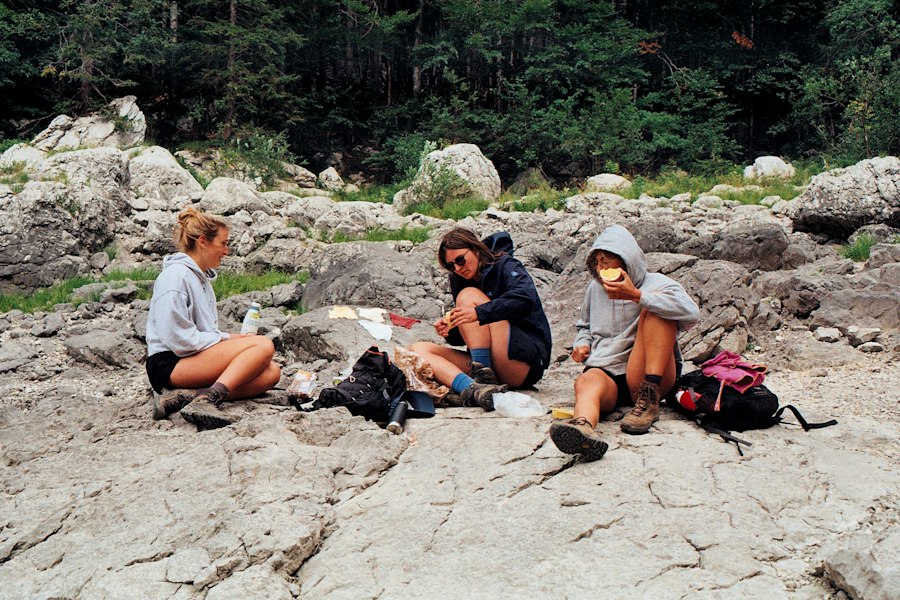
While children lacked the brute strength of adults, their energy, agility, and willingness to undertake less demanding tasks made them valuable members of the labor force. Their contributions, though often overlooked in favor of the heroic exploits of hunters, were essential for the smooth functioning of the community and the efficient allocation of adult effort. They freed up adults for more specialized or dangerous tasks, ensuring that all necessary work was completed.
Gathering and Foraging Support
One of the most significant contributions of children was in gathering. While adults might venture further afield for larger game or specialized resources, children were adept at collecting smaller, more accessible items. They would scour the immediate vicinity for berries, nuts, roots, and edible insects. Their smaller stature allowed them to reach into nooks and crannies inaccessible to adults, and their tireless energy meant they could cover significant ground in their search. This constant influx of smaller food items supplemented the diet and reduced the burden on adult foragers, ensuring a more consistent food supply. They also played a crucial role in gathering firewood, carrying water in primitive containers, and collecting materials for shelter construction, all vital for daily survival.
Animal Herding and Guardian Duties
In communities that began to practice rudimentary forms of animal husbandry, children often took on roles related to managing livestock. They could be tasked with keeping smaller animals, such as goats or sheep, within designated grazing areas, preventing them from straying into danger. Their keen eyesight and constant vigilance made them effective watchdogs, alerting the community to the presence of predators that might threaten the herd. This early exposure to animal management also fostered a sense of responsibility and nurtured the skills necessary for later, more complex herding practices.
Childcare and Support for the Elderly
The burden of childcare was not solely on the mothers. Older children, particularly girls, played a significant role in caring for younger siblings. This not only allowed mothers to participate in other essential activities but also provided older children with invaluable experience in nurturing and social bonding. They would feed, entertain, and protect the infants and toddlers, ensuring their safety and well-being. Similarly, children could assist the elderly, who might have diminishing physical capabilities but still possessed valuable knowledge and experience. They could fetch water, prepare simple meals, or offer companionship, ensuring that the elders remained integrated and valued members of the community.
The Sentinels of the Camp: Early Warning Systems
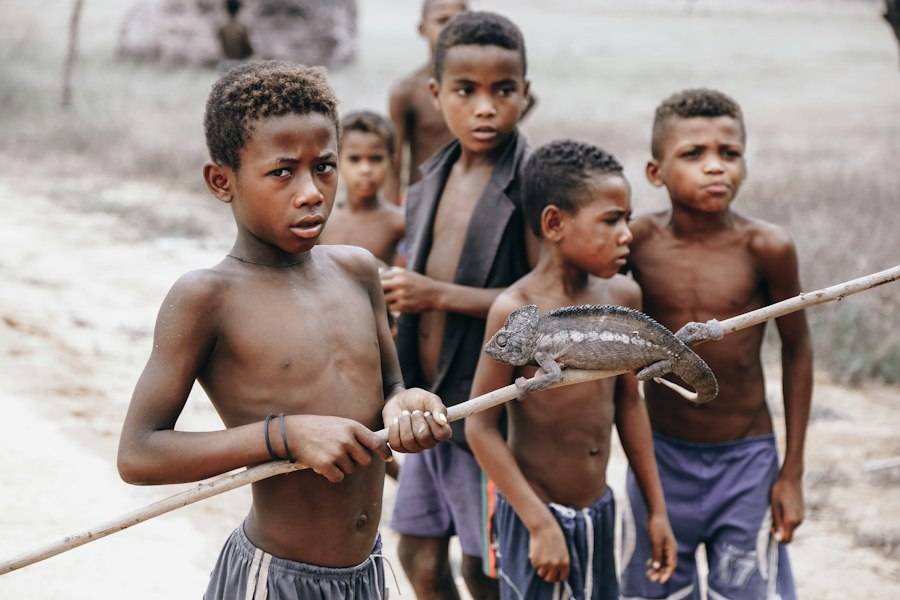
In the precarious environment of prehistory, constant vigilance was paramount. Children, with their sharp senses and often less developed sense of risk-taking, could serve as an invaluable early warning system for the community. Their ability to detect subtle changes and their natural tendency to be more alert to movement and sound made them effective sentinels.
Auditory Detection of Threats
Children’s ears are often more sensitive than those of adults, and their attention can be easily captured by unusual sounds. They might be the first to hear the rustle of leaves indicating a predator’s approach, the snap of a twig suggesting an intruder, or the distant call of an animal that signals danger or opportunity. Their ability to distinguish subtle noises that adults might overlook was a critical asset. They would often communicate these warnings through vocalizations, gestures, or by running to alert the adults, buying the community precious time to react.
Visual Acuity and Movement Detection
Similarly, children’s eyes are highly attuned to movement. They could spot a camouflaged animal in the undergrowth, notice a shadow that didn’t belong, or detect the flicker of movement at the edge of their vision before an adult did. Their smaller size also meant they could move through denser vegetation, observing their surroundings from different vantage points. This enhanced visual perception, combined with their less inhibited nature, made them excellent scouts for immediate threats to the camp.
Sensory Input for Resource Location
Beyond immediate threats, children’s heightened senses also contributed to resource discovery. They might be the first to notice the unusual flight of birds indicating a water source, the distinct scent of ripening fruit carried on the wind, or the tracks of an animal that an adult might have missed. Their exploration, often driven by curiosity rather than a specific task, could lead to the discovery of vital resources that benefited the entire group. Their unadulterated sensory experience provided an invaluable, often serendipitous, advantage.
The Innovators and Adaptors: Sparking Ingenuity
While adults were responsible for the maintenance of established practices, children, with their unbridled imagination and less rigid thinking, could be unwitting sources of innovation. Their experimentation and unconventional approaches sometimes led to novel solutions or the refinement of existing techniques.
Creative Play and Tool Modification
Children’s play often involved manipulating objects in ways that adults might not consider. They might use natural materials in entirely new combinations, discovering properties or functionalities that were previously unknown. A child might discover that a certain type of vine, when twisted in a particular way, becomes exceptionally strong, leading to a new method of binding. They might accidentally drop a stone on another and observe how it chips, inadvertently leading to an improved understanding of knapping techniques. These seemingly random discoveries, born from playful exploration, could spark significant advancements.
Experimentation with Materials and Techniques
Their willingness to try new things, without the fear of failure that often accompanies adult responsibility, made children natural experimenters. They might mix different types of mud to create a more durable plaster, discover that certain plant fibers are more suitable for weaving than others, or find that heating certain stones makes them easier to shape. These small, individual acts of experimentation, replicated and shared, could gradually lead to collective improvements in tool design, construction methods, and resource utilization.
Adapting to New Environments and Challenges
When communities faced new environmental challenges or migrated to unfamiliar territories, children’s adaptability was a key asset. Their capacity for rapid learning and their lack of ingrained habits made them quicker to adjust to new food sources, different weather patterns, and novel dangers. They were often the first to successfully forage for new plants or to understand the behaviors of unfamiliar animals, providing invaluable feedback and insights that helped the entire group adapt. Their presence in new territories also facilitated the transmission of knowledge across generations in a changing landscape.
In exploring the dynamics of prehistoric survival communities, it is fascinating to consider the crucial role that children played in these early societies. Their involvement in daily tasks, from gathering food to learning essential survival skills, was vital for the community’s overall success. For a deeper understanding of how these ancient groups functioned and the hidden histories that shape our knowledge of them, you can read more in this insightful article about ancient secrets and their implications for our understanding of human development. Check it out here.
The Future Incarnate: Ensuring the Continuation of the Community
| Role of Children | Age Range | Typical Activities | Contribution to Survival | Skills Developed |
|---|---|---|---|---|
| Gathering and Foraging | 5-12 years | Collecting fruits, nuts, and edible plants near camp | Supplemented food supply, reduced adult workload | Plant identification, resource location |
| Learning Tool Use | 3-10 years | Handling simple tools, observing adults | Prepared next generation for hunting and crafting | Fine motor skills, tool-making basics |
| Social Bonding and Communication | All ages | Participating in group activities, storytelling | Maintained group cohesion and knowledge transfer | Language, cooperation, cultural knowledge |
| Assisting in Childcare | 8-14 years | Helping care for younger siblings | Supported family structure and survival | Responsibility, empathy |
| Early Hunting Practice | 10-15 years | Using small weapons, tracking small game | Contributed to food acquisition, skill development | Hunting techniques, patience, observation |
Ultimately, the most profound role of children in prehistoric survival communities was their embodiment of the future. They were the promise of continuity, the next generation who would carry on the traditions, knowledge, and lineage of their ancestors. Their survival was not merely a matter of sentiment but a strategic imperative for the long-term viability of the group.
Transmission of Cultural Knowledge and Values
Children were the primary recipients and eventual disseminators of their culture. Through stories, songs, rituals, and daily interactions, they learned the collective history, the moral codes, the spiritual beliefs, and the social norms of their community. This transmission of cultural capital was essential for maintaining social cohesion, identity, and continuity across generations. They were the living libraries of their people, ensuring that the wisdom of the past was not lost.
Genetic Continuity and Population Growth
The continuation of any species hinges on its ability to reproduce and raise subsequent generations. Children represented the genetic future of the community, ensuring its survival in the face of disease, accidents, and the natural attrition of age. A community that successfully nurtured its young was a community with a future. Their survival was a direct indicator of the community’s overall health and its capacity to thrive.
The Driving Force for Effort and Motivation
The presence of children provided a powerful incentive for adults to strive, to protect, and to innovate. The desire to ensure a safe and prosperous future for their offspring motivated individuals to take risks, to work harder, and to pass on their most valuable skills and knowledge. The vulnerability of children, paradoxically, instilled a fierce protectiveness and a deep-seated drive for survival that permeated the entire community. They were the ultimate reason for the struggle, the enduring symbol of hope.
In conclusion, prehistoric children were far more than just passive dependents. They were active participants, invaluable laborers, vigilant sentinels, nascent innovators, and the living embodiment of their community’s future. Their roles, though often understated, were fundamental to the intricate tapestry of survival that characterized early human societies. Recognizing their contributions allows for a more complete and accurate understanding of the resilience, ingenuity, and social complexity of our ancient ancestors. The survival of our species is a testament to the vital, multifaceted roles played by even the youngest members of prehistoric communities.

➡️Life 20,000 Years Ago | When Strangers Claim Your Winter Shelter 🚨
FAQs
What roles did children play in prehistoric survival communities?
Children in prehistoric survival communities often took on various roles that contributed to the group’s overall well-being. They were involved in gathering food, such as fruits and nuts, and learning essential survival skills from adults. Additionally, children participated in social activities that helped strengthen community bonds and were often responsible for caring for younger siblings, which allowed adults to focus on more demanding tasks like hunting and shelter building.
How did the upbringing of children in prehistoric times differ from today?
The upbringing of children in prehistoric times was largely hands-on and experiential, with a strong emphasis on survival skills and communal living. Unlike today, where formal education is prevalent, children learned through observation and participation in daily activities. They were integrated into the community’s work from a young age, which fostered independence and resilience, as opposed to the more structured and often isolated learning environments seen in modern societies.
What survival skills did children learn in prehistoric communities?
Children in prehistoric communities learned a variety of survival skills essential for their daily lives. These included foraging for edible plants, identifying safe water sources, basic hunting techniques, and the use of tools for crafting and building. They also learned social skills, such as cooperation and communication, which were vital for group survival and cohesion.
How did the presence of children affect the dynamics of prehistoric communities?
The presence of children in prehistoric communities significantly influenced social dynamics. They served as a source of joy and motivation for adults, fostering a sense of purpose and continuity within the group. Additionally, children helped to ensure the community’s future by learning and passing down essential survival skills, thus maintaining cultural knowledge and practices across generations.
What evidence do we have about the roles of children in prehistoric societies?
Evidence of children’s roles in prehistoric societies comes from various archaeological findings, including tools and artifacts that suggest their involvement in daily tasks. Additionally, cave paintings and burial sites often depict children, indicating their importance in the community. Anthropological studies of contemporary hunter-gatherer societies also provide insights into how children likely contributed to survival and social structures in prehistoric times.