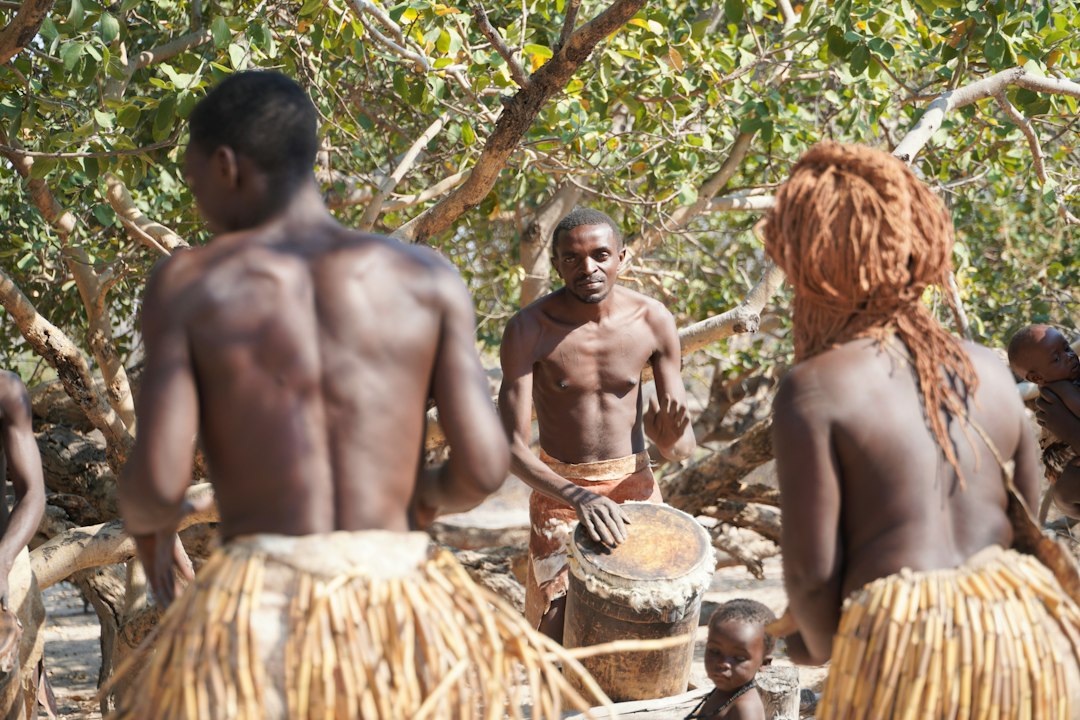
The Dawn of Cooperation: Early Human Evolution and the Roots of Primitive Community Building Skills
The journey of humankind is a testament to an extraordinary evolutionary trajectory, a narrative woven from biological adaptation and the burgeoning capacity for social interaction. While the fossil record and genetic analyses paint a picture of our physical transformations, the origins of our unique social intelligence, particularly our aptitude for community building, are equally profound. This exploration delves into the formative stages of early human evolution, examining the environmental pressures, biological predispositions, and nascent behaviors that laid the groundwork for the complex social structures we inhabit today. It is a story that begins not with grand cities or intricate societies, but with small, interdependent bands navigating a world fraught with challenges.
Early human evolution and the development of primitive community building skills are fascinating topics that shed light on how our ancestors adapted to their environments and formed social structures. A related article that delves into these themes is titled “Uncovering the Secrets of the Desert Vault,” which explores archaeological findings that provide insights into early human societies and their collaborative efforts. You can read more about it by following this link: Uncovering the Secrets of the Desert Vault.
Environmental Catalysts for Sociality
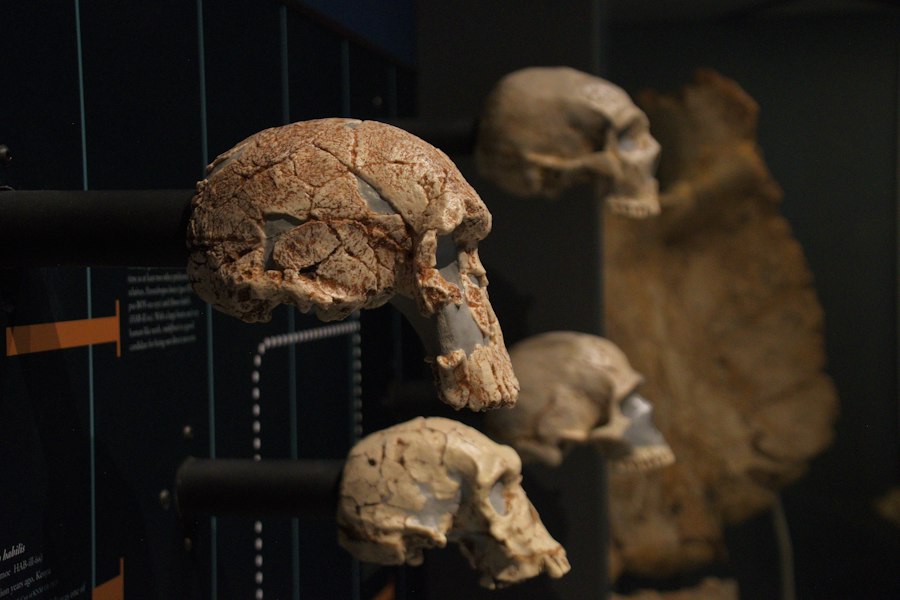
The evolutionary pressures faced by early hominins were instrumental in shaping their social dynamics. As our ancestors ventured out of the African forests and into more open, savanna-like environments, they encountered a dramatically altered landscape. This transition was not merely geographical; it represented a fundamental shift in the challenges and opportunities for survival. The savanna was a realm of greater exposure, with predators lurking and resources dispersed. In this environment, solitary existence became increasingly precarious, fostering a powerful selection pressure for cooperation.
The Perils of the Open Plains
The savanna, while offering new food sources like tubers and scavenging opportunities, also presented significant dangers. Large carnivores were a constant threat, and a lone hominin was a vulnerable target. The ability to detect danger early, to share information about threats, and to collectively defend against them became a crucial survival advantage. This shared vulnerability undoubtedly fostered a sense of mutual reliance. Individuals who could signal danger effectively, or who were part of a group that could present a more formidable defense, were more likely to survive and reproduce, passing on their cooperative tendencies.
Resource Scarcity and the Rise of Sharing
Finding and acquiring sustenance on the savanna was also a more complex endeavor than in the forest. Food sources were often patchy and unpredictable. Foraging for plants required extensive knowledge of edible species and their seasonal availability, while hunting or scavenging large prey demanded coordinated effort. The benefits of sharing food, even if not always equal, would have been substantial. A successful hunt could feed multiple individuals, and a shared discovery of a rich food patch could prevent starvation for the entire group. This communal resource management, driven by necessity, would have begun to forge bonds of interdependence and trust within early human groups.
Thermoregulation and Shelter in Diverse Climates
As early humans dispersed across different regions, they faced a wider array of climatic conditions. The need for effective thermoregulation and shelter became paramount. While simple shelters could be constructed, cooperative efforts to build more substantial dwellings, or to huddle together for warmth during cold nights, would have offered significant advantages. This shared endeavor in creating a safe and comfortable environment further solidified group cohesion and reinforced the benefits of working together towards a common goal. The collective effort in building and maintaining a communal living space would have fostered a shared sense of ownership and responsibility.
Biological Underpinnings of Social Cognition
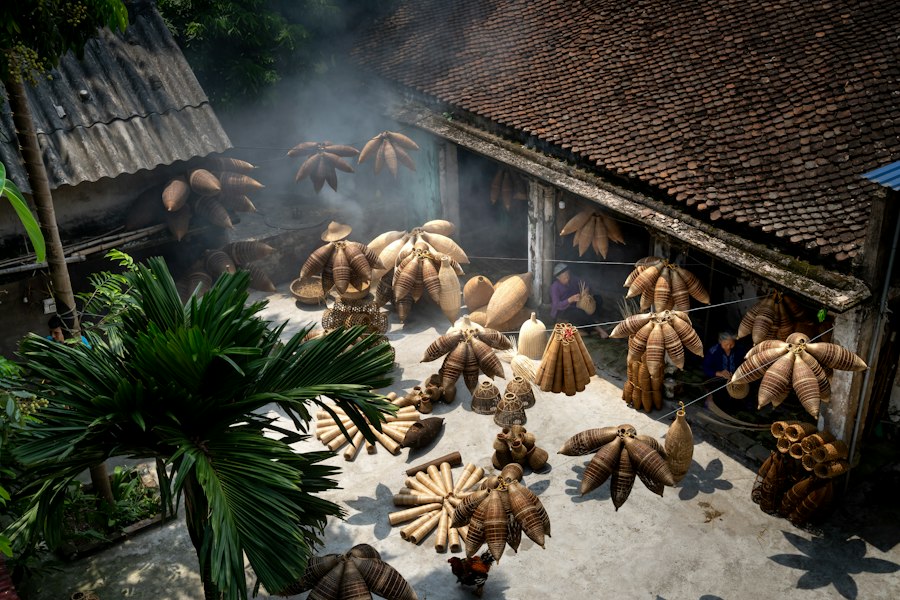
Beyond environmental pressures, early humans possessed a developing suite of biological traits that facilitated complex social interactions. Changes in brain structure and function, particularly in areas associated with communication, empathy, and theory of mind, were crucial. These biological predispositions provided the raw material for the intricate social behaviors that define our species.
Cranial Capacity and Enhanced Cognitive Abilities
The significant increase in cranial capacity observed throughout hominin evolution is often linked to advancements in cognitive abilities. A larger brain, particularly the expansion of the neocortex, provided the neural architecture for more sophisticated processing of social information. This included the ability to remember individuals, track social relationships, understand social hierarchies, and learn complex social norms. The capacity for foresight, planning, and problem-solving, all enhanced by a larger brain, would have been invaluable in coordinating group activities and navigating the complexities of social life.
The Evolution of Communication: From Gestures to Language
Effective communication is the bedrock of any cooperative society. While definitive evidence of early language is elusive, the gradual development of gestural communication and increasingly sophisticated vocalizations likely played a critical role. The ability to convey intentions, warn of danger, share information about food sources, and coordinate actions would have been a powerful evolutionary advantage. The development of a shared symbolic system, even in its rudimentary forms, allowed for the transmission of knowledge across generations, a hallmark of human culture and a crucial element in community building.
Empathy and the Social Brain
The development of empathy, the capacity to understand and share the feelings of others, is fundamental to pro-social behavior. Neurobiological research suggests that specific brain regions, such as the mirror neuron system, play a crucial role in empathy. For early humans, the ability to vicariously experience the pain or distress of a fellow group member could have fostered a sense of shared responsibility and a greater willingness to offer aid. This emotional connection, coupled with cognitive understanding, would have strengthened social bonds and promoted altruistic behaviors, essential for the survival of a vulnerable group.
Early Forms of Social Organization
The combination of environmental pressures and biological adaptations led to the emergence of rudimentary social structures. These early communities, though far simpler than modern societies, exhibited key characteristics of cooperative living and established the foundations for future social development.
The Nuclear Family and Extended Kinship Networks
The nuclear family likely served as the primary unit of cooperation and child-rearing for early hominins. However, the survival of offspring, which required prolonged dependency, would have necessitated broader support networks. Extended kinship networks, where multiple related individuals contributed to the care and protection of children, would have been highly beneficial. This pooling of resources and labor within kin groups provided a stable foundation for social life, fostering a sense of belonging and shared responsibility that extended beyond immediate parental bonds.
Nomadic Bands and Resource Exploitation
The nomadic lifestyle characteristic of early human groups was dictated by the need to follow migrating prey and seasonal plant resources. These nomadic bands, likely consisting of extended families or multiple related families, were mobile units of cooperation. Their survival depended on their ability to collectively track game, locate food sources, and navigate the landscape. The sharing of knowledge about the environment, honed through generations of experience and passed down within the band, was a vital communal skill.
Division of Labor and Specialization
While not as pronounced as in later societies, evidence suggests that early human communities likely developed some degree of division of labor, particularly based on age and sex. For instance, while both sexes likely participated in foraging, males may have taken on more dangerous hunting roles, while females might have focused on gathering and childcare. This specialization, even in its most basic form, would have increased the efficiency of the group as a whole, allowing for more effective exploitation of resources and enhanced overall survival rates.
Early human evolution is a fascinating subject that delves into how our ancestors developed essential skills for community building, which played a crucial role in their survival and social structure. Understanding these primitive skills can provide insights into the foundations of modern societies. For a deeper exploration of how economic factors influence community dynamics, you might find this article on the impact of wage requirements in trade agreements particularly interesting. It highlights the intricate relationship between economic policies and community development, shedding light on how these elements have evolved over time. You can read more about it here.
The Genesis of Social Learning and Cultural Transmission
| Metric | Description | Estimated Time Period | Significance in Early Human Evolution |
|---|---|---|---|
| Brain Size (Cranial Capacity) | Average volume of the brain measured in cubic centimeters (cc) | 2.5 million – 200,000 years ago | Increase in brain size linked to advanced cognitive abilities and social skills |
| Use of Tools | Development and use of stone tools for hunting and gathering | Approx. 2.6 million years ago | Indicates problem-solving skills and cooperative hunting strategies |
| Controlled Use of Fire | Ability to create and maintain fire for cooking and protection | Approx. 1 million years ago | Improved nutrition and social gatherings around fire enhanced community bonding |
| Language Development | Emergence of complex vocal communication | Approx. 200,000 – 100,000 years ago | Facilitated coordination, teaching, and cultural transmission |
| Group Size | Average number of individuals in early human groups | Varied, typically 20-50 individuals | Smaller groups favored cooperation and resource sharing |
| Burial Practices | Evidence of deliberate burial of the dead | Approx. 100,000 years ago | Indicates early spiritual beliefs and social cohesion |
| Division of Labor | Specialization of tasks within the group | Approx. 100,000 years ago | Enhanced efficiency and survival through cooperative roles |
The development of community building skills was not solely a matter of instinct; it was profoundly influenced by the capacity for social learning and the transmission of knowledge across generations. This process, the precursor to human culture, allowed for the accumulation and refinement of survival strategies.
Observational Learning and Skill Acquisition
Early humans would have learned crucial survival skills by observing the actions of others. Young hominins would have watched their elders as they chipped stone tools, tracked animals, identified edible plants, and navigated the environment. This observational learning, coupled with imitation and practice, allowed for the efficient transfer of complex skills without the need for explicit instruction. The ability to learn from others, rather than relying solely on individual trial and error, significantly accelerated the pace of adaptation.
The Role of Storytelling and Shared Narratives
While the origins of complex language are debated, the importance of shared narratives, even in their most basic forms, cannot be overstated. Simple vocalizations, gestures, and perhaps early forms of rudimentary storytelling would have served to convey important social information, impart knowledge, and reinforce group cohesion. These shared narratives, whether recounting successful hunts, warning of dangers, or explaining the workings of the natural world, would have fostered a collective identity and a sense of shared history and purpose.
Tool Use and Technological Innovation as Communal Endeavors
The creation and use of tools represent a significant leap in human evolution, and this process was inherently social. The knowledge of how to knap flint, shape wood, or craft bone tools was likely passed down through observation and instruction. Furthermore, the development of more complex tools often required collaborative effort, such as coordinating the hunt for large game or the construction of shelters. This communal engagement with technology not only improved survival but also served as a powerful catalyst for social bonding and the development of shared problem-solving strategies.
The Legacy of Primitive Community Building in Modern Societies
The cooperative behaviors and social intelligence honed by our early ancestors continue to shape human societies today. The fundamental principles of reciprocity, trust, and shared responsibility, forged in the crucible of prehistoric survival, remain the cornerstones of community building, even in our technologically advanced world. Understanding these roots offers valuable insights into our enduring social nature.
Reciprocity and the Foundations of Trust
The principle of reciprocity, the expectation that good deeds will be returned, was undoubtedly a crucial element in early human cooperation. Sharing food, defending against predators, and caring for the vulnerable would have been more sustainable if individuals could expect similar support in return. This reciprocal exchange, built on trust and repeated positive interactions, laid the foundation for the complex social contracts and mutual obligations that underpin modern societies. Without this fundamental understanding of give and take, large-scale cooperation would be impossible.
The Enduring Power of Group Identity and Belonging
The strong sense of in-group cohesion observed in early human communities has evolved into the complex social identities that define us today. The need to belong, to be part of a supportive group, is a deep-seated human drive. This drive manifests in our affiliation with families, communities, nations, and various social groups. The shared experiences, rituals, and narratives that forge this sense of belonging are direct descendants of the early communal bonds that ensured survival.
The Evolution of Social Norms and Governance
The establishment of social norms and rules, even if unwritten, was essential for managing interactions within early human groups. These norms, which likely governed resource sharing, conflict resolution, and appropriate social behavior, helped to maintain order and prevent disruptive conflicts. The development of these informal governance structures was a crucial step in the evolution of more complex forms of social organization, leading ultimately to the formal legal and political systems we have today. The seeds of social order were sown in the cooperative efforts of our earliest ancestors.
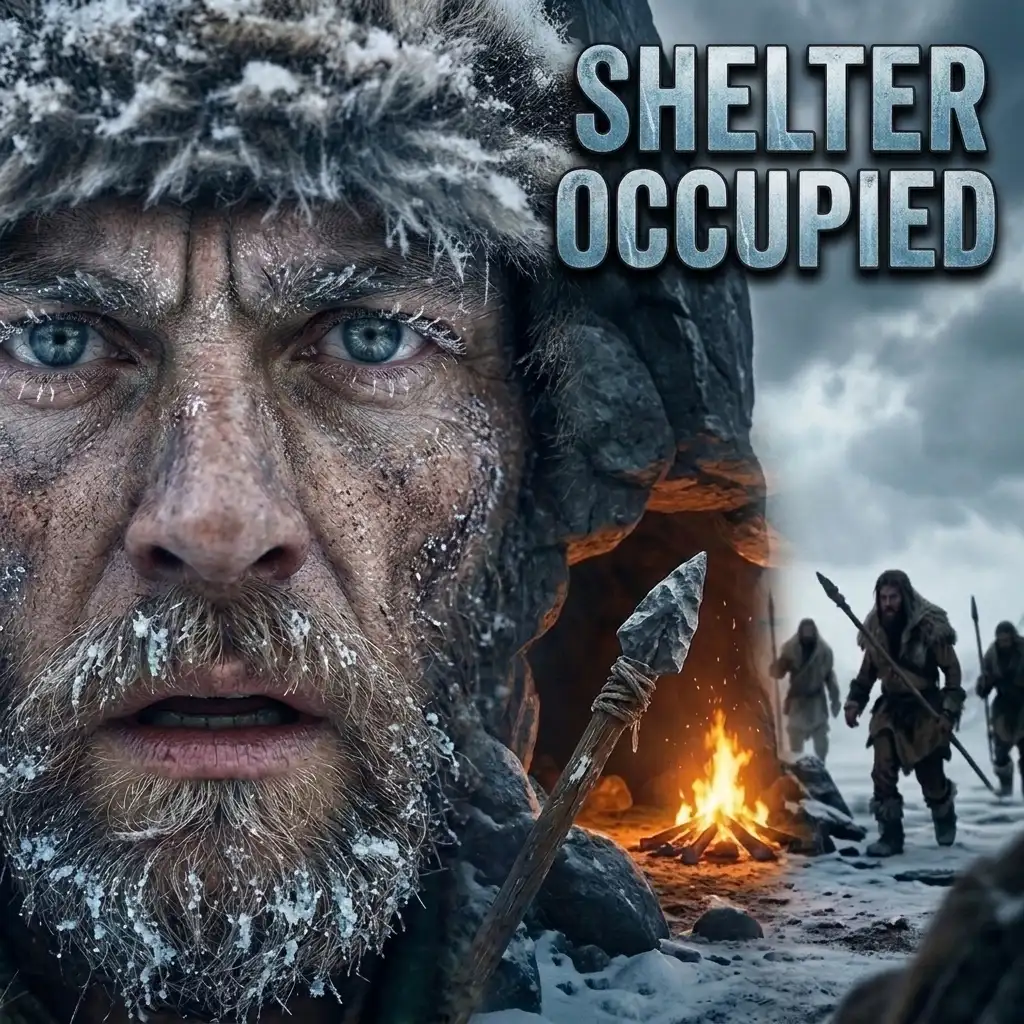
➡️Life 20,000 Years Ago | When Strangers Claim Your Winter Shelter 🚨
FAQs
What is early human evolution?
Early human evolution refers to the biological and cultural development of the genus Homo, which includes modern humans (Homo sapiens) and our extinct relatives. This process spans millions of years, beginning with the emergence of hominins in Africa around 6-7 million years ago, leading to the development of traits such as bipedalism, tool use, and complex social structures.
What role did community building play in early human societies?
Community building was crucial for early human societies as it facilitated cooperation, resource sharing, and social bonding. These skills allowed early humans to work together for hunting, gathering, and protection against predators, which ultimately enhanced their survival and adaptability in diverse environments.
How did primitive community building skills develop?
Primitive community building skills likely developed through social interactions and the need for collaboration in challenging environments. As early humans faced threats and resource scarcity, they began to form social groups, communicate effectively, and establish norms and roles within their communities, which fostered stronger bonds and collective problem-solving.
What evidence do we have of early human community structures?
Evidence of early human community structures can be found in archaeological sites, such as those containing tools, communal living spaces, and burial practices. Findings like cave paintings, hearths, and organized settlements indicate that early humans engaged in social activities and shared responsibilities, reflecting the complexity of their social organization.
How did early human evolution influence modern social behaviors?
Early human evolution laid the foundation for modern social behaviors by establishing the importance of cooperation, communication, and social networks. Traits such as empathy, altruism, and group cohesion that developed during this period continue to influence human interactions today, shaping our societies and cultures.