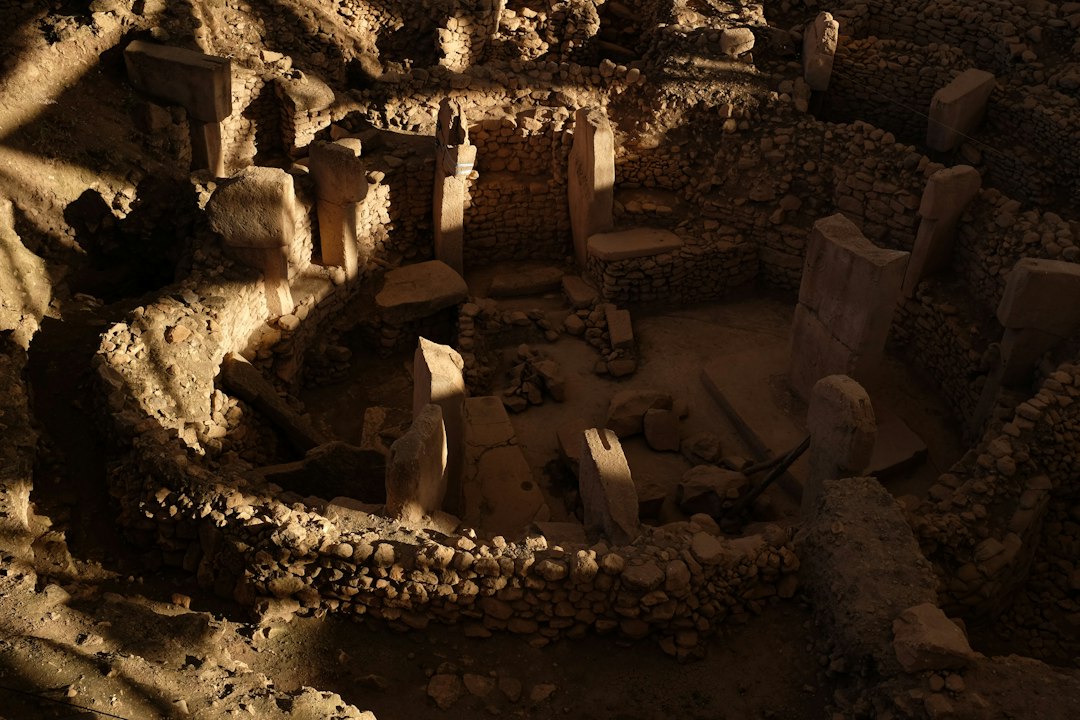
The Upper Paleolithic era, a period stretching roughly from 40,000 to 10,000 years ago, represents a profound turning point in human history. It was a time when Homo sapiens not only survived but thrived, developing complex behaviors, symbolic thought, and innovative technologies that laid the groundwork for all subsequent human civilization. Yet, despite extensive archaeological research, significant mysteries persist, hinting at a richness of experience and societal structure far beyond what we can definitively reconstruct. This article delves into some of these enduring enigmas, exploring the evidence that continues to spark debate and fuel our fascination with these ancient ancestors.
The Dawn of Abstract Thought and Artistic Expression
Perhaps the most captivating aspect of the Upper Paleolithic is the undeniable emergence of abstract thought, vividly manifested in the explosion of art and symbolic artifacts. From the Chauvet Cave in France, with its breathtakingly realistic depictions of animals rendered with astonishing skill, to the Venus figurines found across Europe, these creations speak of a cognitive leap that set humans apart from their predecessors.
The Enigma of Cave Paintings: Purpose and Meaning
The sheer scale and artistic sophistication of cave paintings, such as those in Lascaux, Chauvet, and Altamira, have long puzzled researchers. These are not mere doodles; they are deliberate compositions, often featuring elaborate techniques like perspective, shading, and even the use of natural cave contours to enhance the three-dimensional effect. The subjects are predominantly animals, rendered with an accuracy that suggests intimate knowledge of their anatomy and behavior. However, the purpose behind these artworks remains elusive. Theories range from shamanistic rituals and hunting magic to storytelling, educational tools, or even early forms of territorial marking. The fact that many of these paintings are located in deep, inaccessible parts of caves suggests they were not intended for casual viewing, implying a sacred or highly specialized function. The absence of human figures in many prominent depictions, or their stylized, often ambiguous representation, further deepens the mystery. Were these images meant to honor the animal spirits, to communicate vital knowledge about the natural world, or to serve some other, more profound purpose rooted in the spiritual beliefs of these ancient peoples? The ongoing challenge lies in deciphering the symbolic language of a people separated from us by tens of thousands of years, with no written records to guide interpretation.
The Multifaceted Venus Figurines: Fertility, Identity, or Social Status?
Scattered across a vast geographical area, from southwestern France to Siberia, the ubiquitous Venus figurines represent another significant body of Upper Paleolithic art. These small, portable sculptures, typically carved from stone, bone, or ivory, are characterized by exaggerated feminine features, particularly the breasts, abdomen, and hips. The most prominent theory attributes their creation to a focus on fertility and reproduction, essential for the survival and growth of small, mobile bands. However, this explanation, while plausible, may be overly simplistic. Variations in style, material, and detail across different regions suggest that these figurines might have served a variety of functions. Some scholars propose they represented ideal beauty standards of the time, while others suggest they were used in personal adornment, as talismans, or even as markers of social identity or kinship. The fact that many are found in contexts unrelated to obvious domestic or communal spaces hints at a more personal or ritualistic significance. Could they have been passed down through generations, representing ancestral lineage? Or perhaps they were used in rites of passage or personal rituals to invoke specific powers or attributes. The lack of facial features on many figurines also raises questions, potentially emphasizing a generalized feminine archetype rather than individual portraits.
Beyond the Visual: Music and Other Sensory Expressions
While the visual arts of the Upper Paleolithic have received considerable attention, the possibility of other forms of symbolic expression, particularly music, remains largely speculative due to the ephemeral nature of sound. The discovery of bone and ivory flutes, some dating back over 40,000 years, provides tantalizing evidence of musical traditions. These instruments, with finely crafted finger holes and blowholes, indicate a level of technical skill and an understanding of acoustics that suggest music was an integral part of Upper Paleolithic life. The question then becomes: what kind of music did they create? Was it purely instrumental, or did it involve vocalizations and chanting? What role did music play in their societies? Was it used for entertainment, for ritual, for communication, or for emotional expression? The complexity of the flutes suggests that music was not a rudimentary pastime but a developed art form. The potential for drumming, clapping, and other percussive sounds also exists, though definitive archaeological evidence is scarce. The absence of lyrics or explicit musical notation leaves us to imagine the melodies and rhythms that once filled the ancient air, a silent testament to a lost sensory world.
The Upper Paleolithic period is a fascinating era that holds many mysteries, particularly regarding the lives of early humans and their interactions with the environment. One intriguing aspect of this time is how prehistoric communities adapted to natural disasters, which is explored in detail in a related article. For insights on how ancient peoples might have prepared for and survived such events, you can read more in this article on survival strategies: Surviving Natural Disasters: Tips for Preparation and Safety.
Innovations in Technology and Subsistence Strategies
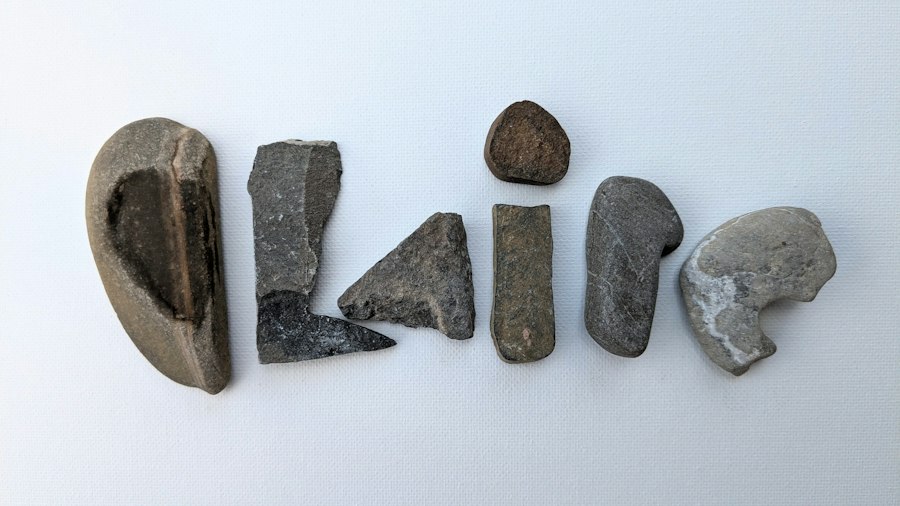
The Upper Paleolithic witnessed a revolution in toolmaking and adaptation to diverse environments, enabling human populations to expand their reach and diversify their diets. This period saw the development of sophisticated hunting techniques, specialized tools for processing resources, and the creation of clothing and shelter that allowed for survival in previously uninhabitable regions.
The Blade Technology Revolution: Efficiency and Versatility
A hallmark of the Upper Paleolithic is the development and widespread adoption of “blade technology.” This involved striking long, narrow flakes from prepared cores, producing sharp, versatile cutting tools. These blades could be hafted onto spears, used as knives, or further modified into a variety of specialized implements. The efficiency of this technique allowed for the production of more tools from less raw material, a crucial advantage for mobile hunter-gatherer groups. The standardization of blade production across vast distances also suggests a transfer of knowledge and techniques between different groups. However, the exact reasons for this technological shift and the full extent of its impact on daily life are still being explored. Did it lead to greater specialization in hunting? Did it facilitate new forms of art and craftwork? The implications of this technological leap extended beyond mere toolmaking, reflecting a deeper understanding of material properties and a more systematic approach to resource utilization.
Adapting to the Ice Age: Clothing, Shelter, and Mobility
The Upper Paleolithic overlapped with significant glacial periods, presenting formidable environmental challenges. The ingenuity of our ancestors in adapting to these harsh conditions is evident in the development of advanced clothing and shelter. Archaeological evidence, though often fragmentary, points to the creation of tailored garments made from animal hides, likely sewn together using bone needles. This would have provided crucial insulation against extreme cold. Furthermore, evidence suggests the construction of more substantial shelters, including tents made from animal skins and bone structures, as well as the utilization of natural formations like caves and rock overhangs. The development of more efficient tools for butchering animals and processing hides would have been essential for obtaining and utilizing these materials. The ability to create and maintain warm clothing and adequate shelter allowed for increased mobility, enabling humans to exploit new territories and adapt to a wider range of climates. This enhanced adaptability played a crucial role in the global dispersal of Homo sapiens during this era.
The Art of the Hunt: Sophisticated Strategies and Animal Domestication Precursors?
The Upper Paleolithic peoples were highly skilled hunters, relying on a deep understanding of animal behavior and ecology. Evidence suggests the use of sophisticated hunting strategies, including group hunting of large game like mammoths and bison, as well as the development of projectile weapons like the spear thrower (atlatl) and early forms of bows and arrows. The analysis of animal bones found at archaeological sites provides insights into the types of animals hunted and the methods used for their procurement and processing. While full-scale domestication of animals is a hallmark of the Neolithic period, some researchers propose that Upper Paleolithic societies may have engaged in proto-domestication or selective management of certain animal populations. This could have involved actively influencing the breeding or movement of prey animals to ensure a more reliable food source. The precise nature and extent of such practices remain a subject of ongoing investigation and debate, but they hint at a more complex relationship between humans and the animal kingdom than previously assumed.
Social Structures and Communication Networks

Reconstructing the social organization and communication systems of Upper Paleolithic people is one of the most challenging yet rewarding aspects of studying this era. The evidence, though indirect, suggests complex social interactions, established trade routes, and perhaps even rudimentary forms of social stratification.
The Enigma of Social Organization: Bands, Tribes, or Something More?
The nomadic lifestyle characteristic of many Upper Paleolithic groups suggests a social structure based on small, mobile bands. These bands likely comprised extended family units, cooperating in hunting, foraging, and child-rearing. However, the presence of large, elaborate cave art sites and the distribution of exotic materials across vast distances imply that these bands were not entirely isolated. Evidence of shared artistic styles and tool technologies across geographically dispersed regions suggests the existence of social networks and some form of inter-group communication or exchange. The question is whether these networks constituted larger social entities like tribes or confederations, or if they were more fluid alliances based on kinship, marriage, or shared resource areas. The discovery of burials with grave goods, particularly in later Upper Paleolithic contexts, has led some scholars to speculate about social differentiation and the emergence of leadership roles or status markers, although the interpretation of such findings is subject to considerable debate.
Long-Distance Exchange Networks: Unveiling Ancient Trade Routes
The presence of non-local materials at Upper Paleolithic sites is compelling evidence of extensive exchange networks. Obsidian, for example, a volcanic glass prized for its sharp edges, is often found hundreds or even thousands of kilometers from its source. Similarly, certain types of shells, pigments, and high-quality lithic materials have been traced across vast distances. This indicates that Upper Paleolithic peoples were not merely local foragers but actively engaged in long-distance trade or, at the very least, in the movement of goods through a series of intermediaries. These networks likely facilitated the exchange of not only essential resources but also ideas, technologies, and cultural practices. The mapping of these exchange routes provides a fascinating glimpse into the interconnectedness of Upper Paleolithic societies and the sophisticated logistical capabilities of these ancient groups. The motivations behind this exchange could have ranged from the acquisition of prestige items to the strategic securing of essential materials not available in their immediate environment.
The Language Question: Gestures, Sounds, and Symbolic Systems
The development of complex social structures and extensive communication networks inevitably raises questions about the nature of language in the Upper Paleolithic. While direct evidence of spoken language is, by its very nature, lost to time, several lines of inquiry offer insights. The sophisticated planning and execution of hunting strategies, the transmission of complex toolmaking techniques, and the creation of abstract art all suggest a capacity for complex symbolic communication. The anatomical evidence of early Homo sapiens indicates the physiological capacity for speech. Some researchers propose that early forms of language may have been gestural, supplemented by vocalizations. The intricate symbolism found in cave art and on portable artifacts could also represent a form of visual language or proto-writing, conveying complex narratives or abstract concepts. While the reconstruction of specific linguistic structures is impossible, the sheer complexity of Upper Paleolithic cultural achievements strongly implies the existence of a sophisticated communication system, capable of transmitting knowledge, coordinating actions, and fostering social cohesion across groups.
Human Expansion and Adaptation to Diverse Environments
The Upper Paleolithic period is synonymous with the remarkable expansion of Homo sapiens across the globe. From the frozen tundras of Siberia to the vast savannas of Africa and the emerging continents of Australia and the Americas, humans demonstrated an unparalleled ability to adapt to a wide array of ecological niches.
Populating the Continents: The Peopling of the Americas
One of the most significant achievements of the Upper Paleolithic was the migration of humans into the Americas. The prevailing theory suggests a migration across the Bering Land Bridge, a landmass that connected Siberia and Alaska during periods of lower sea levels. However, the exact timing and routes of this migration remain subjects of intense debate. Evidence for early human presence in the Americas is constantly being re-evaluated, with new discoveries challenging established timelines. The Clovis culture, once considered the first widespread culture in North America, is now understood to have emerged after earlier, less widely recognized, human occupations. The adaptation of these early settlers to diverse North American environments, from glacial landscapes to temperate forests and arid deserts, speaks volumes about their technological prowess and resourcefulness. The cultural and genetic diversity that emerged in the Americas is a testament to their successful colonization and subsequent adaptation over thousands of years.
Reaching the Antipodes: The Colonization of Australia
The colonization of Australia during the Upper Paleolithic represents an extraordinary feat of seafaring and adaptation. This migration required crossing significant stretches of open water, a feat that demands sophisticated watercraft and navigational skills. The arrival of humans in Australia, estimated to have occurred at least 65,000 years ago, predates their arrival in Europe by tens of thousands of years. The diverse environments of the Australian continent, from arid deserts to tropical rainforests and temperate coastlines, presented unique challenges that early Australians successfully navigated. The development of specialized hunting and foraging strategies, the creation of unique toolkits, and the adaptation to novel flora and fauna all contribute to the story of Australia’s early human inhabitants. The enduring cultural traditions of Indigenous Australians, stretching back millennia, offer a unique window into the long-term resilience and adaptability of these ancient populations.
Adapting to Extreme Climates: Survival in Tundra and Desert
The ability of Upper Paleolithic humans to thrive in seemingly inhospitable environments is a testament to their remarkable adaptability. In the frigid Arctic regions, they developed specialized hunting techniques for large game like mammoths and reindeer, as well as technologies for creating warm clothing and robust shelters. The survival of these populations in a landscape dominated by ice and snow required a deep understanding of animal migratory patterns, seasonal changes, and the effective utilization of all available resources. Similarly, the expansion into arid desert regions demanded innovative solutions for water procurement, food acquisition in sparse environments, and protection from extreme heat and cold. The archaeological record from these regions, though often challenging to find due to the harsh conditions, reveals the ingenuity and resilience of these pioneering populations. Their success in populating such diverse and challenging environments underscores the cognitive flexibility and technological sophistication of Homo sapiens during this formative period.
The Upper Paleolithic period is a fascinating era that has captivated historians and archaeologists alike, as it holds numerous mysteries about early human life and their advanced capabilities. One intriguing aspect is the evidence of sophisticated tools and art that suggests a level of cognitive development previously underestimated. For those interested in exploring more about ancient technologies and the secrets they may hold, you can read a related article that delves into the enigmatic advancements of our ancestors at this link.
Enduring Questions and the Future of Research
| Mystery | Description | Estimated Date | Location | Significance |
|---|---|---|---|---|
| Cave Paintings of Lascaux | Complex and vivid cave paintings depicting animals and symbols | Approx. 17,000 years ago | France | Insight into early human symbolic thought and artistic expression |
| Venus Figurines | Small statuettes of female figures with exaggerated features | Between 28,000 and 22,000 years ago | Europe (various sites) | Possible fertility symbols or religious artifacts |
| Blombos Cave Engravings | Abstract geometric engravings on ochre pieces | Approx. 75,000 years ago (early Upper Paleolithic) | South Africa | Evidence of early symbolic behavior and cognitive development |
| Dolní Věstonice Figurines | Clay figurines including the famous “Venus of Dolní Věstonice” | Approx. 29,000–25,000 years ago | Czech Republic | Earliest known use of fired clay and possible ritual use |
| Stonehenge Precursors | Early megalithic structures possibly linked to astronomical observations | Upper Paleolithic to Mesolithic transition (approx. 12,000 years ago) | United Kingdom | Potential early understanding of celestial cycles |
Despite the significant advancements in our understanding of the Upper Paleolithic, a wealth of questions remains. The ongoing development of new research methodologies, coupled with the discovery of new archaeological sites, promises to shed further light on the mysteries that continue to captivate us.
The Pace of Innovation: Gradual Evolution or Sudden Breakthrough?
One of the enduring debates concerns the pace of change during the Upper Paleolithic. Was the rapid development of art, technology, and symbolic behavior a gradual evolutionary process, or did it represent a series of sudden cognitive breakthroughs? The emergence of sophisticated art and toolmaking in some regions appears quite rapid, leading some to propose a “revolution” in human cognition. However, other evidence suggests a more incremental development, with regional variations and periods of slower change. The study of genetic evidence in conjunction with archaeological findings may help to unravel this complex question, providing insights into population dynamics and the selective pressures that may have driven cognitive evolution. Understanding the tempo of innovation is crucial for comprehending the trajectory of human development.
The Role of Climate Change: Driver of Adaptation or Disruption?
Climate change was a significant factor throughout the Upper Paleolithic, with periods of glacial expansion and retreat profoundly impacting human lifestyles and migrations. Researchers continue to explore the intricate relationship between climatic shifts and human adaptation. Did periods of harsh climate force innovation and lead to the development of new technologies and social strategies? Conversely, did periods of climatic stability allow for population growth and the refinement of existing practices? The analysis of paleoenvironmental data, such as ice cores and pollen records, alongside archaeological evidence, is vital for understanding how these ancient populations navigated a dynamic and often unpredictable world. The impact of climate on resource availability, migratory patterns of prey animals, and the viability of different landscapes played a crucial role in shaping human history.
The Unseen Worlds: What Remains Undiscovered?
The archaeological record is inherently incomplete, and it is highly probable that much of what constituted Upper Paleolithic life remains undiscovered. The nomadic lifestyles of many groups meant that their campsites were often ephemeral, leaving little trace. The acidic soils of some regions, or the inundation of coastal areas due to rising sea levels, could have destroyed invaluable evidence. Furthermore, the vast majority of the Earth’s surface has not been subjected to systematic archaeological investigation. The potential for uncovering new sites, new types of artifacts, and entirely new insights into the lives of our Upper Paleolithic ancestors is immense. Future discoveries, aided by advancements in remote sensing, molecular analysis, and sophisticated dating techniques, are sure to continue to unveil the secrets of this fascinating and foundational period of human history, further deepening our appreciation for the ingenuity and resilience of our ancient forebears.

➡️Life 20,000 Years Ago | When Strangers Claim Your Winter Shelter 🚨
FAQs
What is the Upper Paleolithic period?
The Upper Paleolithic period is the last subdivision of the Paleolithic or Old Stone Age, spanning from approximately 50,000 to 10,000 years ago. It is characterized by the development of modern human behavior, including advanced tool-making techniques, the creation of art, and the establishment of complex social structures.
What are some notable archaeological sites from the Upper Paleolithic period?
Notable archaeological sites from the Upper Paleolithic period include Lascaux and Chauvet Caves in France, which are famous for their prehistoric cave paintings, and the Dolní Věstonice site in the Czech Republic, known for its early ceramic figurines and evidence of early human habitation.
What types of art were created during the Upper Paleolithic period?
During the Upper Paleolithic period, humans created various forms of art, including cave paintings, carvings, and sculptures. The cave paintings often depicted animals, human figures, and abstract symbols, while portable art included figurines like the Venus of Willendorf, which represented fertility and femininity.
What advancements in technology occurred during the Upper Paleolithic period?
The Upper Paleolithic period saw significant advancements in technology, including the development of specialized tools made from stone, bone, and antler. Innovations such as the atlatl (spear-thrower), composite tools, and the use of fire for cooking and warmth were crucial for survival and hunting efficiency.
How did the climate during the Upper Paleolithic period affect human life?
The climate during the Upper Paleolithic period was marked by the last Ice Age, which created harsh living conditions. Humans adapted by developing new hunting strategies, migrating to more hospitable areas, and utilizing resources such as large game animals and plant materials for sustenance, leading to the establishment of more permanent settlements.