
The wind, a fickle companion on the savanna, carried the scent of prey and the hushed rustle of dry grass. In the heart of this ancient landscape, a small band of Homo erectus, their bodies lean and hardened by the constant struggle for survival, were engaged in the arduous task of hunting. Their quarry, a herd of grazers, had been spotted from a distant vantage point, and the preliminary stages of the hunt were underway. Yet, as the narrative of this particular endeavor would tragically reveal, the success of such an undertaking relied not only on keen eyes, swift legs, and sharpened tools, but also on the intricate and often fragile web of communication that bound these early hominins together. This exploration delves into the communication methods employed by primitive hunters during a failed hunt, examining the subtle nuances, the potential breakdowns, and the lasting implications of a hunt gone awry, focusing on a hypothetical scenario to illuminate these critical aspects of early human social behavior.
The Silent Language of the Stalk
The initial phase of any hunt was a masterpiece of non-verbal cues. For these early hunters, whose vocal repercussion was likely limited in its complexity compared to later hominin species, a sophisticated system of gestural, postural, and olfactory communication was paramount. The success of the stalk depended on a shared understanding, a collective instinct honed over countless generations, that allowed them to move as one entity, an extension of the environment itself. The mere sight of a raised hand, a specific crook of the arm, or the subtle shift of weight could convey volumes. These were not random movements; they were a language as precise and nuanced as any spoken word, albeit one that demanded an even greater level of attunement and shared context.
Synchronized Movement and Body Posture
Imagine the hunters arrayed against the horizon, their forms blending with the scrub. A slight dip of the head, a lowering of the shoulders, signaled a descent into a more stealthy posture. This was not a conscious decision made by each individual but a collective adoption of a pre-determined signal. A flick of the wrist, barely perceptible to an untrained eye, might indicate a change in direction or a regrouping behind a natural screen of vegetation. The angle of the torso, whether coiled and ready or relaxed and observing, communicated an individual’s readiness to advance or hold position. This constant, subconscious dance of bodies allowed for coordinated movement across open ground, minimizing the risk of startling the prey. The hunters understood that each twitch, each sway, was part of a larger conversation, a dialogue with the environment and with each other, designed to achieve a singular objective: a successful hunt. The absence of such synchronized movement could be a death knell, leading to premature detection and the loss of a vital food source.
The Power of Shared Gaze and Directional Cues
Beyond overt gestures, the direction of a hunter’s gaze was an incredibly potent communication tool. A prolonged stare fixed on a particular point in the distance, especially when accompanied by a subtle tilt of the head, would draw the attention of others. This shared focus allowed for the efficient identification and tracking of prey without the need for loud exclamations. The slightest widening of the eyes, a fleeting widening of the pupils, could signal excitement or alarm, prompting a ripple of awareness through the group. Furthermore, the collective redirection of gazes served as a powerful indicator of the prey’s movement. If the herd shifted, so too would the eyes of every hunter, their visual alignment becoming a living map of the hunt’s progress. This silent, shared vigilance was a testament to the deep observational skills that had been vital for the survival of these early hominins.
Olfactory Signals and the Environment
While perhaps less conscious and more instinctual, olfactory signals likely played a role in communication, particularly in a hunting context. The scent of fear emanating from the prey, a subtle chemical signal, would be registered and potentially amplified by the hunters’ own heightened arousal. Conversely, the scent of an individual hunter, perhaps marked by specific herbs or even bodily odors, might serve as a locational beacon for others moving through dense foliage or during periods of low visibility. The wind, a carrier of these potent messages, became an integral part of their communicative environment. The direction and strength of the wind could influence the positioning of hunters, ensuring that their scents did not betray their presence and that they could effectively pick up on the olfactory cues of their prey.
During a failed hunt, primitive hunters likely relied on a combination of non-verbal communication and rudimentary vocalizations to convey their experiences and strategize for future attempts. This form of communication would have been essential for sharing insights about the terrain, animal behavior, and group dynamics. For a deeper understanding of how ancient societies adapted to their environments and communicated, you might find the article “Uncovering the Secret Inscription of Ancient Climate” insightful. It explores how early humans interacted with their surroundings and the implications of their communication methods on survival. You can read more about it here: Uncovering the Secret Inscription of Ancient Climate.
The Unspoken Agreements: Planning and Strategy
Before the actual chase began, a period of intense, albeit rudimentary, strategic planning would have taken place. This was not a formalized council meeting with lengthy speeches, but a dynamic exchange of information and intent conveyed through a combination of observation, imitation, and very basic vocalizations. The successful execution of a hunt depended on a shared understanding of roles, of the terrain, and of the prey’s likely reactions. A failure in this early communication stage could lead to misaligned expectations and a disorganized approach when the moment of action arrived.
Role Allocation and Implicit Understanding
The allocation of roles within the hunting party would have been largely implicit, dictated by experience, physical prowess, and potentially age. An older, more experienced hunter might take the lead in directing the stalk, their movements serving as a template for others to follow. Younger, swifter individuals might be designated to flank the prey or to act as a driving force. This understanding would be communicated not through explicit verbal assignments, but through the natural flow of interaction. A seasoned hunter might position themselves in a way that naturally drew others to their flanks, or a younger member might instinctively fall into position behind a designated leader. The respect for experience and the innate understanding of one’s capabilities within the group were crucial elements of this silent strategy.
Environmental Reconnaissance and Mimicry
The hunters would have spent considerable time observing the terrain, noting potential ambush points, escape routes, and the prevailing wind patterns. This information would be shared through a combination of pointing, miming the movement of the prey through specific terrain features, and perhaps rudimentary sounds that mimicked the rustling of leaves or the snapping of twigs. If a hunter indicated a particular cluster of rocks with a series of gestures, it wasn’t merely drawing attention to a landmark; it was conveying a strategy of using those rocks as cover for an ambush. Imitating the behavior of the prey – perhaps a subtle head bob to indicate alertness, or a mock charge to demonstrate a flanking maneuver – would have been a powerful way to convey tactical intentions.
Basic Vocalizations and Emotional Resonance
While extensive language was likely absent, rudimentary vocalizations certainly played a role. Grunts, clicks, and sharp exclamations, devoid of complex grammar, could convey urgency, caution, or excitement. A low, guttural growl might signal danger, while a sharp, staccato click could indicate the sighting of prey. These sounds were not arbitrary; they were imbued with emotional resonance and context-dependent meaning. In the planning phase, such sounds might be used to punctuate gestures, adding emphasis or clarity to a particular strategic point. A series of short, sharp barks might indicate a plan to drive the prey towards a specific point, while a softer, drawn-out hum might signify caution and a need for patience. The shared emotional state of the group – a palpable sense of anticipation and focus – would have been communicated through these sonic elements, binding them together in their shared objective.
The Breakdown: Misunderstandings and Missed Cues
The success of a hunt hinges on the seamless execution of every element, and it is in the moments of breakdown that the limitations of primitive communication become starkly apparent. A single missed cue, a misinterpretation of a gesture, or a failure to register a subtle warning can unravel the most meticulously laid plans, leading to frustration, wasted energy, and potentially hunger. Examining these points of failure offers a crucial insight into the challenges faced by early hominins.
The Unseen Signal and the Lone Advance
Consider the scenario where a hunter, positioned at the edge of the group, spots a slight deviation in the prey’s path. They intend to signal this change to their companions, perhaps with a subtle shift of their spear haft or a quick, almost imperceptible head nod. However, a dense patch of scrub or a sudden gust of wind obscures this signal from the intended recipient. The rest of the hunting party, still following the original plan, continues their advance. The lone hunter, realizing the growing distance and the futility of their isolated position, might then be forced to either retreat and rejoin the group, losing valuable time and potentially alerting the prey, or to press on alone, a dangerous and often fruitless endeavor. This single, missed visual cue, a failure of transmission in the silent dialogue, could be the beginning of the end for the hunt.
Ambiguous Gestures and Conflicting Intentions
Gestures, while powerful, are also susceptible to misinterpretation, especially when context is not perfectly shared. Imagine a hunter making a sweeping arm motion, intending to indicate the need to circle around the herd from the left. However, another hunter, perhaps focused on a different aspect of the prey’s movement, might interpret the same gesture as a signal to advance directly. This discrepancy in understanding can lead to conflicting actions. One part of the hunting party moves to flank, while another charges forward. The prey, sensing the disarray, easily escapes. The ambiguity of the gesture, coupled with a lack of immediate clarification, creates a cascade of errors that undermines the collective effort. The absence of a more complex language to quickly resolve such ambiguities is a significant factor in these breakdowns.
The Ignored Warning and the Startled Herd
Perhaps the most common cause of a failed hunt is the failure to heed subtle warnings. The rustle of a single dry leaf underfoot, the snapping of a twig by an overeager hunter, can send vibrations through the ground that alert the prey. In the heat of the moment, a hunter might be focused solely on their own forward momentum, their senses attuned to the immediate task at hand. If another hunter attempts to issue a warning – a quick, sharp intake of breath, a subtle tightening of their fist, a hushed “hush” sound – but this warning is not perceived or is dismissed by the oblivious hunter, the consequences can be immediate and devastating. The herd, alerted to the presence of danger, will scatter, leaving the hunters with nothing but the frustration of their efforts. This highlights the importance of not just sending signals, but of the entire group being receptive to them, a collective awareness that transcends individual focus.
The Aftermath: Shared Disappointment and the Reassessment
A failed hunt is not merely an inconvenience; it represents a significant setback for the survival of the group. The expended energy, the missed opportunity for sustenance, and the potential disappointment can have tangible consequences. The aftermath of such an event is a period of quiet reflection, of non-verbal communication that conveys shared disappointment, and a subtle reassessment of their methods. This is a crucial learning phase, where the collective experience informs future strategies.
The Shared Silence and Body Language of Defeat
Following a successful escape by the prey, the hunters would often regroup, not with boisterous complaints, but with a palpable sense of shared disappointment. This would be communicated through slumped shoulders, downcast gazes, and a general slowing of movement. The energetic stride of the hunt would be replaced by a weary trudging. The silence that descended upon the group would be heavy, punctuated only by the sounds of their labored breathing. This shared emotional state, communicated non-verbally, would serve to reinforce the collective experience of failure, fostering a sense of unity even in defeat. The absence of blame, as we understand it, would be replaced by a shared acceptance of the outcome, a collective acknowledgment of their unmet goal.
Reinterpreting Environmental Clues and Behavior
The return journey from a failed hunt often became a period of intense observation and silent reassessment. The hunters would revisit the events that led to their downfall, not through analytical discussion, but through reinterpreting the environmental clues they had previously overlooked or misinterpreted. They might observe how the prey reacted to specific sounds or movements, or how the wind carried their scent. The failure would prompt a heightened awareness of these subtle details. A hunter might point to a disturbed patch of earth, indicating a misstep, or mimic the way the prey bolted in a particular direction, revealing a missed escape route. This silent deconstruction of the event was a critical learning mechanism, embedded within the fabric of their social interaction.
The Subtle Shifts in Future Strategies
The experience of a failed hunt would inevitably lead to subtle adjustments in future hunting strategies. If a particular approach consistently resulted in failure, the group would, over time, begin to favor alternative tactics. This adaptation would not be announced but would manifest in their collective behavior. Perhaps they would adopt a more cautious approach to flanking maneuvers, or they would develop a stronger emphasis on using natural cover. The communication of these shifts would be organic, demonstrated through the adoption of new gestures, the alteration of existing ones, and the reinforcement of successful behaviors observed in past hunts. The memory of hunger, a powerful motivator, would drive this continuous refinement of their hunting acumen.
During a failed hunt, primitive hunters likely relied on a combination of gestures, vocalizations, and perhaps even rudimentary symbols to communicate their experiences and strategies. Understanding these early forms of communication can provide insight into the social dynamics of hunter-gatherer societies. For a deeper exploration of how communication shapes group dynamics in various contexts, you can read more in this related article on fragile states and their challenges. This can be found here.
The Enduring Legacy of Communication in Survival
| Communication Method | Description | Purpose During Failed Hunt | Effectiveness |
|---|---|---|---|
| Gestures and Body Language | Use of hand signals, facial expressions, and posture | Convey frustration, regroup, or suggest new strategies silently | High in close proximity; immediate and clear |
| Vocalizations | Grunts, calls, or other non-verbal sounds | Alert group members of failure or danger; coordinate next steps | Moderate; effective over short distances but can attract predators |
| Fire Signals | Use of smoke or controlled fire signals | Communicate status to distant group members or other bands | Low to moderate; dependent on visibility and weather |
| Tool or Weapon Placement | Arranging tools or weapons in specific patterns | Indicate hunt outcome or suggest tactical changes | Low; requires prior understanding among group |
| Facial Expressions | Showing emotions such as disappointment or encouragement | Maintain group morale and cohesion after failure | High; immediate emotional feedback |
The study of primitive hunters’ communication methods during failed hunts, even through hypothetical scenarios, underscores the fundamental role of effective communication in survival. It reveals that the ability to coordinate, to share intent, and to respond to subtle cues was not merely a social nicety but a critical evolutionary advantage. The very survival of early hominins was inextricably linked to their capacity for collective action, a capacity that was built upon a foundation of sophisticated, albeit often non-verbal, communication systems.
The Evolution of Language and Social Cohesion
The limitations observed in the communication of primitive hunters highlight the profound impact that the development of more complex language had on human society. The ability to articulate abstract thoughts, to share detailed plans, and to resolve ambiguities through spoken words allowed for unprecedented levels of cooperation and social cohesion. The successful hunts that followed the evolution of language were not solely a testament to improved tools or physical prowess, but to the enhanced ability of individuals to share knowledge and coordinate their actions. This evolution in communication paved the way for more complex social structures, the development of culture, and ultimately, the dominance of Homo sapiens.
The Importance of Context and Shared Experience
The communication methods of primitive hunters, particularly in the context of a failed hunt, emphasize the crucial role of context and shared experience. A gesture or a sound, devoid of the common understanding built through repeated interactions and shared goals, would be meaningless. The success of their communication lay in its embeddedness within a shared world, a common understanding of the challenges and opportunities they faced. This underscores the enduring principle that effective communication is not just about the transmission of information but about the creation of shared meaning, a process that is deeply rooted in collective experience and social bonding.
Lessons for Modern Communication and Collaboration
Even in our technologically advanced world, the struggles of primitive hunters offer valuable lessons for modern communication and collaboration. The breakdowns encountered by these early hominins serve as a stark reminder of the importance of clarity, attentiveness, and the continuous effort required to ensure that messages are received and understood. The reliance on non-verbal cues in their hunts highlights the power of body language and subtle signals, elements that are often overlooked in our predominantly verbal interactions. Understanding the failures of the past can help us to refine our own communication strategies, fostering stronger collaboration, reducing misunderstandings, and ultimately, improving our collective ability to achieve shared goals, whether on the savanna or in the boardroom. The silent language of the hunt, though ancient, continues to whisper lessons that resonate through the ages.
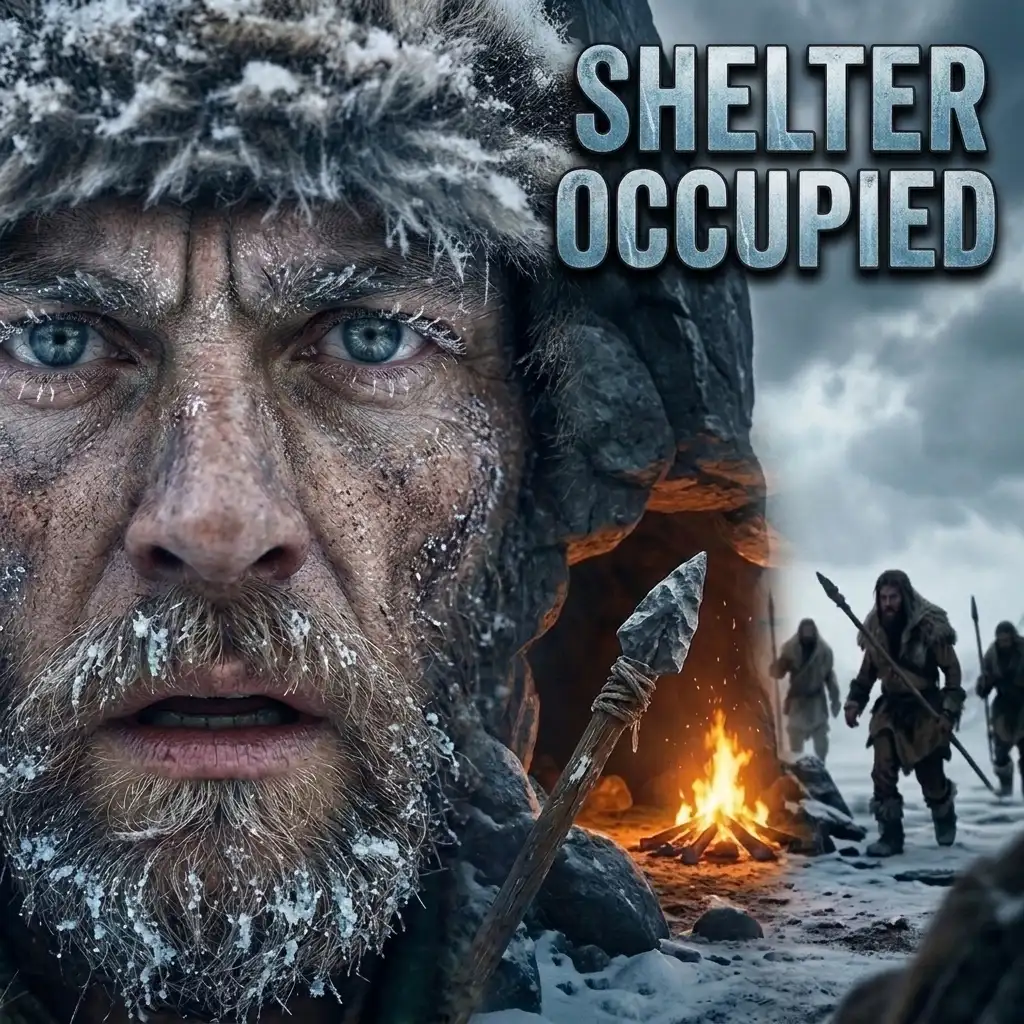
➡️Life 20,000 Years Ago | When Strangers Claim Your Winter Shelter 🚨
FAQs
What methods did primitive hunters use to communicate during a hunt?
Primitive hunters often relied on a combination of vocalizations, hand signals, and body language to communicate during a hunt. They would use specific calls or sounds to signal the presence of prey or to alert others to danger. Additionally, gestures and facial expressions played a crucial role in conveying messages without the need for spoken words.
Did primitive hunters have a specific language for hunting?
While primitive hunters did not have a formalized language like modern languages, they developed a set of shared symbols, sounds, and gestures that were understood within their group. This form of communication was often context-specific, allowing them to convey important information quickly and efficiently during hunts.
How did environmental factors influence communication among hunters?
Environmental factors such as terrain, weather, and the presence of wildlife significantly influenced how primitive hunters communicated. For instance, in dense forests, they might rely more on visual signals due to limited visibility, while in open areas, vocalizations could carry further. Adverse weather conditions could also necessitate quieter communication to avoid alerting prey.
What role did social dynamics play in hunting communication?
Social dynamics were crucial in hunting communication, as hunters needed to coordinate their efforts effectively. Established hierarchies and roles within the group often dictated who led the hunt and how decisions were made. Trust and familiarity among group members allowed for more intuitive communication, enhancing their chances of success.
How did failed hunts affect communication strategies among primitive hunters?
Failed hunts often prompted primitive hunters to reassess their communication strategies. They would discuss what went wrong, share insights, and adapt their methods for future hunts. This reflection process helped improve their teamwork and communication, ensuring that they could better coordinate their efforts in subsequent attempts.