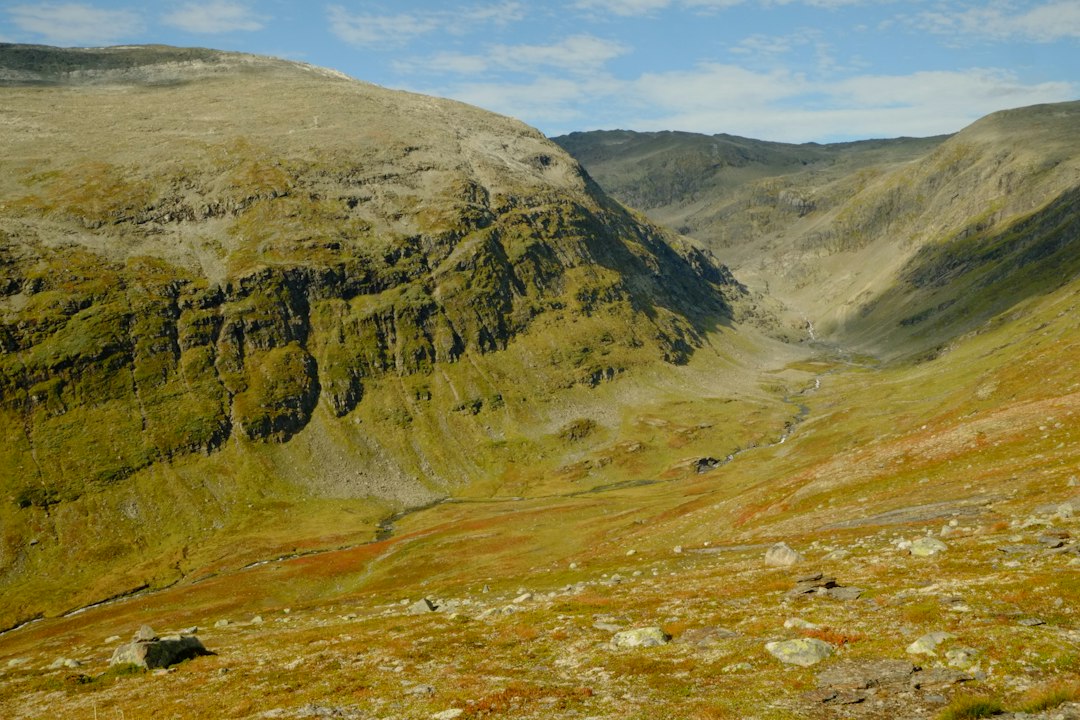
The biting wind whipped across the treeless slopes, carrying with it the scent of pine and the promise of an early frost. For the Stone Age hunter, this was not a time for leisure, but a season of imperative. The great herds of reindeer, their vast numbers a lifeline for survival, were migrating, a predictable yet perilous journey through the rugged terrain. To secure the future of his clan, the hunter had to follow, navigating the treacherous passes that would soon become choked with snow, a daunting task undertaken with ingenuity and an intimate understanding of the land. This pursuit was not merely about sustenance; it was a testament to human adaptability, a dance with the wild conducted on the razor’s edge of existence, played out in the unforgiving embrace of the ancient mountains.
The Ancient Labyrinth of Stone
The Stone Age world was a tapestry of raw, untamed landscapes, and the narrow mountain passes were the arteries through which life flowed, both for the prey and the predator. These were not the grand, sweeping vistas of modern imagination, but often constricted channels, carved by millennia of glacial melt and erosion, forcing both beast and man into a concentrated path. Understanding these natural corridors was paramount, for they dictated movement, offered unique hunting opportunities, and simultaneously presented formidable challenges. The hunter’s knowledge was not theoretical; it was visceral, etched into his being through generations of observation and lived experience.
Navigating the Earth’s Scars
The passes themselves were often formidable obstacles. Steep scree slopes, loose rock that shifted treacherously underfoot, and sheer cliff faces were commonplace. The hunter learned to read the subtle signs of stability, recognizing which routes were less prone to rockfalls, where handholds were most reliable, and how to traverse gradients that would daunt even the most experienced climber today. This was a landscape of sharp angles and sudden drops, a testament to the earth’s violent past, and the hunter moved through it with a respect born of deep understanding. He knew the ancient routes, the paths worn smooth by countless hooves and generations of human feet, routes that bypassed the most impassable terrain. These were not trails in the modern sense, marked by blazes or cairns, but rather a series of intuitive choices, guided by the lay of the land and the predictable behavior of the reindeer.
The Whispers of the Wind
Wind was a constant companion and a crucial element in the hunter’s strategy. In the narrow confines of a pass, the wind could be a devastating foe, masking scents, distorting sounds, and making communication difficult. Yet, it was also a vital ally. The hunter learned to interpret its direction and intensity, using it to gauge the movement of the herd from afar. A subtle shift in the prevailing breeze could signal the presence of approaching reindeer, their musk carried on the air. He also understood how the wind funneled through the passes, creating predictable currents that could either betray his position or offer a cloak of invisibility. By moving upwind of the herd, or using the wind to carry his scent away from them, he could approach unseen, a ghost in the mountain air. The keen ears of the reindeer were their primary defense, and the hunter’s ability to manipulate the wind, to become a part of its unseen force, was a critical skill in his arsenal.
In the study of ancient hunting practices, tracking reindeer through narrow mountain passes during the Stone Age reveals significant insights into the survival strategies of early humans. The careful navigation of these challenging terrains not only demonstrates the adaptability of our ancestors but also highlights their deep understanding of animal behavior. For a broader perspective on how geographical and environmental factors influence human activities, you might find the article on Mexico potentially replacing China as a manufacturing hub interesting, as it discusses modern adaptations to shifting economic landscapes. You can read more about it here: Mexico Replacing China as Manufacturing Hub.
The Reindeer’s Annual March
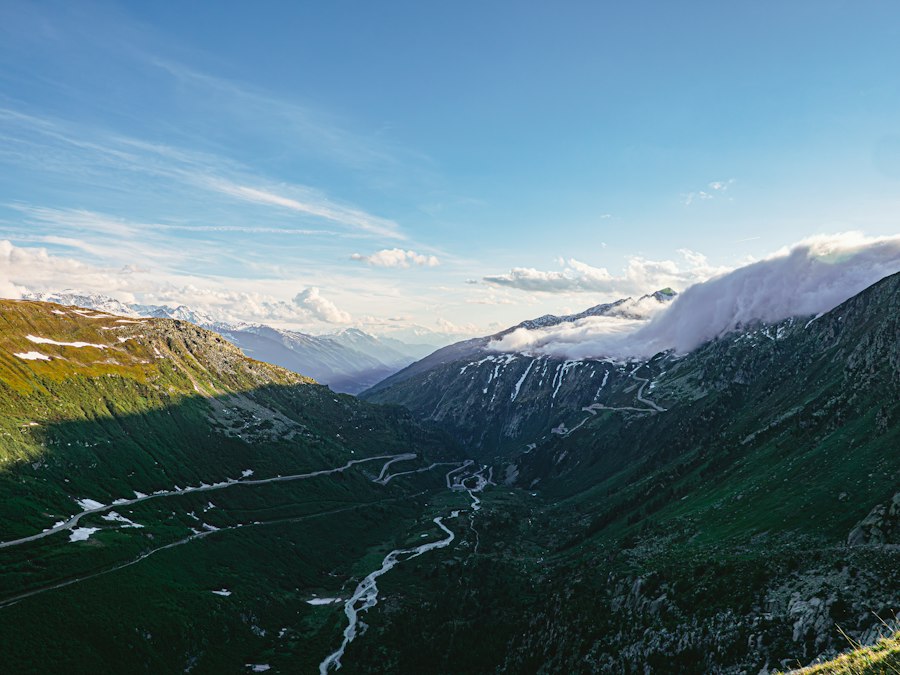
The reindeer migration was the central drama of the Stone Age hunter’s year. This was not a haphazard wandering, but a highly organized, instinct-driven movement dictated by the changing seasons and the availability of food. Understanding the intricacies of this annual march was the key to the hunter’s success, for it provided predictable windows of opportunity. The hunter became an expert in reindeer behavior, his knowledge honed by observation and necessity.
Following the Green Pulse
The reindeer moved in response to the burgeoning life of spring and the stark scarcity of winter. Their migration north in the spring was a pursuit of the freshest grazing, following the receding snowline and the vibrant green of new growth. This was a time of abundant opportunity for the hunter, as the herds were large and relatively predictable in their route. The hunter would anticipate their arrival at specific feeding grounds, knowing which valleys and meadows offered the richest forage. His knowledge extended beyond mere geography; he understood the reindeer’s dietary needs, their preference for certain grasses and lichens, and how these dictated their movement patterns. The landscape was a calendar, and the reindeer’s journey was its most important entry. In the autumn, the migration south would begin, driven by the need to escape the harsh winter conditions and find sheltered areas with more accessible food. This southbound journey often channeled them through the very passes the hunter lay in wait.
The Herd’s Wisdom
The social structure of the reindeer herd was as important to the hunter as the terrain. He understood the dynamics of the herd, how the bulls, cows, and calves moved together, and how their collective behavior could be exploited. The immense size of the herd offered a degree of safety in numbers for the animals, but it also created vulnerabilities. The hunter knew that a frightened herd would stampede, and that this stampede could be channeled and predicted, especially within the confines of a narrow pass. He learned to identify the different types of individuals within the herd – the lead animals, the stragglers, the injured, and the young – each presenting a different hunting challenge and opportunity. The wisdom of the herd, its collective instinct for survival, was a force the hunter had to understand and, in a way, outmaneuver.
Hunting Tactics in the Confines
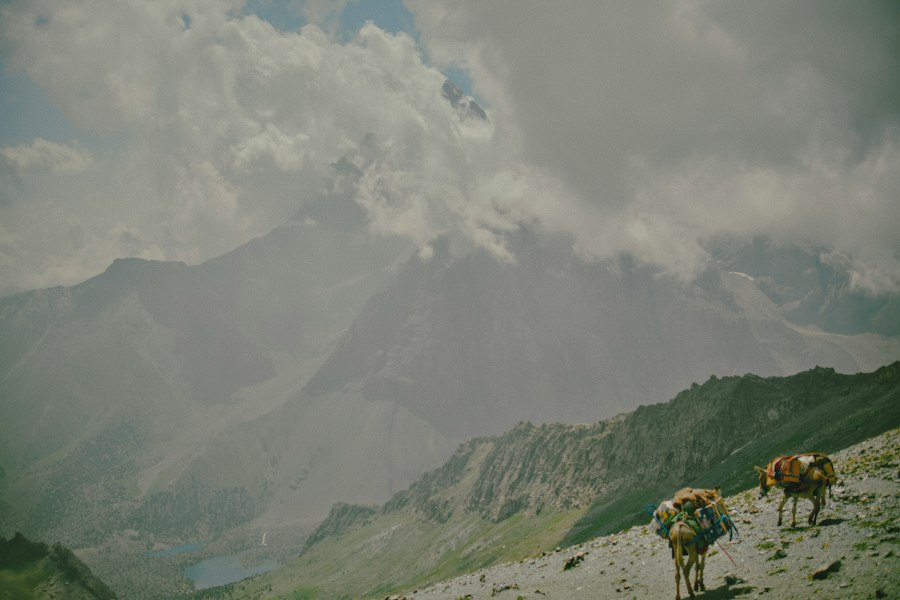
The narrow mountain passes transformed hunting from a broad pursuit into a highly specialized operation. The limited space dictated specific strategies, forcing the hunter to adapt his techniques to maximize his chances of success while minimizing the risks inherent in such confined environments. This was a game of patience, precision, and often, a significant amount of calculated risk.
The Art of the Ambush
Ambush hunting was the primary strategy employed in the passes. The hunter would position himself strategically along the anticipated route of the reindeer, blending seamlessly with the environment. Camouflage, utilizing natural materials like mud, leaves, and branches, was essential. He would select vantage points offering clear lines of sight and escape routes, while also providing cover from the herd’s keen senses. The hunter would wait for hours, sometimes days, for the opportune moment. The sound of hooves on stone, the distant bellow of a stag, or the subtle rustle of movement would signal the herd’s approach. The attack itself was swift and decisive, often involving spears or throwing axes, aimed at the vital organs of a chosen individual. The confined nature of the pass meant that a missed shot or a poorly executed strike could send the entire herd scattering, jeopardizing the hunt.
The Channelling Effect
The natural funneling of the passes could be a hunter’s greatest ally. By understanding the topography, the hunter could manipulate the herd’s movement, subtly guiding them towards pre-determined kill zones. This might involve creating diversions, such as small rockfalls or the controlled use of fire, to steer the herd in a desired direction. In some instances, multiple hunters would work in coordinated groups, forming human walls or driving the animals towards an ambush. The sound of their voices, amplified by the pass, could be used to direct the stampede. This was not a brutal, indiscriminate slaughter, but a calculated application of pressure, turning the herd’s own momentum and fear into a weapon. The success of this strategy relied on impeccable timing and a deep understanding of how the reindeer would react under duress within the constraints of the terrain.
Tools of Survival and Ingenuity
The hunter’s effectiveness was directly tied to the tools he possessed. These were not ornate weapons of war, but instruments of survival, honed through years of practical application and imbued with the ingenuity of a people living in close harmony with their environment. Each tool was a carefully crafted extension of the hunter’s will.
The Spear and the Stone
The spear was the hunter’s primary offensive weapon. Crafted from hardwood, tipped with sharpened stone points – flint, obsidian, or chert – it was designed for both piercing and for being thrown with accuracy and force. The stone tips were painstakingly knapped, their edges razor-sharp, capable of inflicting deep wounds. The hunter understood the physics of a thrown spear, the weight distribution, the trajectory, and how to adapt these for the varying distances and angles presented by the mountain passes. He also carried smaller, hand-held spears for close-quarters combat, often used in conjunction with a shield fashioned from thick hide. The act of knapping flint was a skill in itself, a testament to the hunter’s mastery of materials, and the production of durable, effective spear points was crucial for his survival and that of his clan.
Beyond the Weapon: Essential Gear
Survival in the harsh mountain environment demanded more than just offensive weaponry. The hunter carried other essential items. Knives, also with stone blades, were vital for butchering the kill, skinning the animal, and preparing other tools and materials. Needles made from bone or ivory, along with sinew for thread, allowed for the repair of clothing and shelters. Containers, likely made from animal hides or woven plant fibers, were used to carry water, food, and other necessities. The hunter’s clothing, made from the hides and furs of animals, provided crucial insulation against the cold. He understood how to layer these materials, creating a defense against the biting winds and sub-zero temperatures. Fire-starting tools, such as a fire drill or flint and pyrite, were paramount for warmth, cooking, and protection against predators. Every item carried was functional, essential, and often multi-purpose, reflecting a deep understanding of resourcefulness.
In exploring the fascinating methods of tracking reindeer through narrow mountain passes during the Stone Age, researchers have uncovered insights into the survival strategies of ancient peoples. These early hunters relied on their intimate knowledge of the terrain and animal behavior, which allowed them to navigate challenging landscapes effectively. For a broader understanding of how historical patterns of movement and resource management can inform contemporary issues, you might find it interesting to read about the geopolitical implications of resource distribution in the modern world in this article on the new cold war. You can access it [here](https://www.realloreandorder.com/the-new-cold-war-a-high-stakes-geopolitical-analysis/).
The Legacy of the Pass Hunter
| Metric | Description | Estimated Value | Relevance to Tracking |
|---|---|---|---|
| Pass Width | Average width of narrow mountain passes used by reindeer | 2-5 meters | Determines ease of passage and tracking precision |
| Reindeer Herd Size | Typical number of reindeer moving through passes | 20-50 individuals | Impacts track density and trail visibility |
| Track Depth | Average depth of reindeer footprints in soft soil or snow | 3-7 cm | Helps identify recent passage and animal size |
| Pass Length | Length of mountain passes commonly used | 100-500 meters | Influences tracking duration and observation points |
| Tracking Visibility Duration | Time footprints remain visible before erosion | 1-3 days | Limits tracking window for Stone Age hunters |
| Elevation Range | Altitude range of passes frequented by reindeer | 800-1500 meters above sea level | Affects environmental conditions and tracking difficulty |
| Stone Tool Usage | Frequency of stone tools used for tracking or hunting | High (estimated 70% of hunting events) | Indicates technological adaptation for tracking |
The efforts of the Stone Age hunter in tracking and taking reindeer through the narrow mountain passes were far more than a mere act of subsistence. They represented a complex interplay of knowledge, skill, and adaptation that laid the foundation for human success. Their ability to thrive in such challenging environments, to understand and exploit the natural world with such precision, is a testament to the resilience and ingenuity of early humans.
Sustaining the Clan’s Future
The success of these hunts was directly linked to the survival of the clan. The meat provided essential protein and fat, the hides offered warmth and material for clothing and shelter, and the bones and antlers could be fashioned into tools and implements. The predictable movement of the reindeer through the passes offered a reliable source of sustenance during crucial periods, particularly as winter approached. This reliance fostered a deep respect for the natural world and a sophisticated understanding of ecological cycles. The hunter’s knowledge was a communal inheritance, passed down through generations, ensuring that the clan could endure the harsh realities of their existence. The very survival of their lineage depended on their ability to master these challenging hunts.
A Testament to Human Adaptation
The Stone Age hunter, navigating the perilous mountain passes in pursuit of reindeer, exemplifies the extraordinary adaptability of Homo sapiens. They did not simply survive; they thrived by developing an intricate knowledge of their environment, mastering specialized hunting techniques, and crafting ingenious tools. Their ability to read the landscape, understand animal behavior, and utilize the forces of nature like the wind and topography demonstrates a sophisticated level of cognitive and practical skill. This era of hunter-gatherer existence, characterized by such feats of adaptation, shaped the trajectory of human evolution and laid the groundwork for the development of more complex societies. The legacy of these pass hunters is etched not in stone monuments, but in the enduring spirit of human ingenuity and our profound connection to the natural world.

➡️Life 20,000 Years Ago | When Strangers Claim Your Winter Shelter 🚨
FAQs
What methods did Stone Age people use to track reindeer?
Stone Age people utilized various methods to track reindeer, including observing animal tracks, scat, and signs of feeding. They also relied on their knowledge of the animals’ migration patterns and behaviors, often following them through narrow mountain passes where reindeer were known to travel.
Why were narrow mountain passes significant for reindeer tracking?
Narrow mountain passes were significant for reindeer tracking because they served as natural corridors for migration. These passes concentrated the animals in specific areas, making it easier for hunters to locate and track them during seasonal migrations.
What tools did Stone Age hunters use for tracking and hunting reindeer?
Stone Age hunters used a variety of tools for tracking and hunting reindeer, including spears, bows and arrows, and traps. They also crafted tools from stone, bone, and antler, which were effective for both tracking and hunting in rugged terrains.
How did the environment influence reindeer migration patterns?
The environment played a crucial role in influencing reindeer migration patterns. Factors such as seasonal changes, availability of food, and weather conditions dictated when and where reindeer would migrate. Stone Age hunters had to adapt their tracking strategies based on these environmental cues.
What role did social structures play in reindeer hunting during the Stone Age?
Social structures were important in reindeer hunting during the Stone Age, as groups often worked together to track and hunt the animals. Cooperation allowed for more effective strategies, sharing of resources, and division of labor, which increased the chances of a successful hunt.