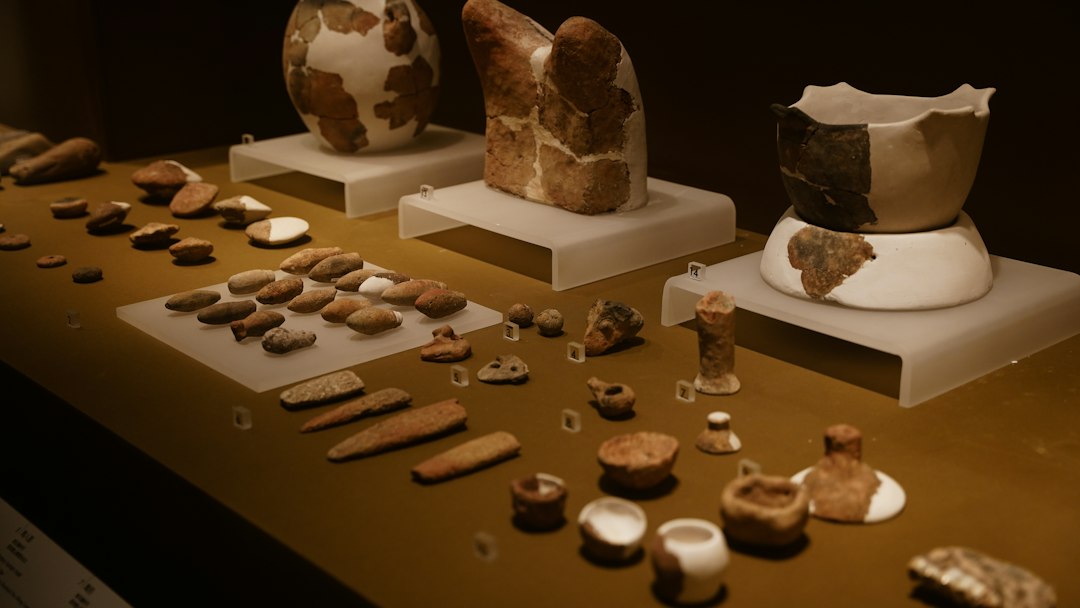
The flickering firelight, a primal dance against the cave walls, illuminates not just the physical space but the intangible realm of human consciousness. Within those ancient shelters, as the wind howled outside, stories were woven – tales of hunts, of spirits, of the very origins of existence. These were the earliest echoes of the Paleolithic, a time when humanity, newly emergent, grappled with a world both wondrous and terrifying, shaping its understanding through lore that, even today, resonates with profound mystery. The vastness of this era, stretching back tens of thousands of years, leaves us with fragmented whispers, tantalizing clues that hint at complex belief systems, sophisticated social structures, and a deeply spiritual connection to the natural world. The sheer longevity of this period, encompassing the majority of human history, means that our understanding is built upon an incredibly thin layer of preserved evidence.
Whispers from the Dawn of Myth
The dawn of human storytelling is inextricably linked to the Paleolithic period. Before written language, before agriculture, before the settled life that allowed for grand monuments, humans communicated and preserved knowledge through oral traditions. These stories, passed down through generations, served crucial functions: they explained the inexplicable, reinforced social bonds, and transmitted vital survival information. The evidence we have for this is indirect, gleaned from cave paintings, carved figurines, and the very structure of later mythologies.
The Art of the Ancients: More Than Just Decoration
The most tangible evidence of Paleolithic thought comes from the stunning cave art found across the globe, from the Lascaux caves in France to the Altamira caves in Spain, and even further afield in Indonesia and Australia. These are not merely rudimentary sketches; they are often intricate, dynamic depictions of animals, human figures, and abstract symbols. The prevailing interpretation is that this art held deep symbolic and ritualistic meaning. Was it shamanic art, created to induce trance states or commune with the spirit world? Or was it a form of sympathetic magic, intended to ensure successful hunts by capturing the essence of the prey? The sheer effort involved – climbing to the deepest, darkest recesses of caves, using sophisticated pigments derived from minerals and ochre, and employing techniques that suggest an understanding of perspective – points to a purpose far beyond simple aesthetic appreciation. The recurring motifs, such as the powerful imagery of bison, horses, and deer, suggest a profound reverence for the animal kingdom, perhaps viewed as powerful totems or even divine entities. The enigmatic hand stencils, often found alongside animal depictions, raise further questions. Were they signatures, expressions of identity, or part of a ritualistic invocation? The ambiguity of these ancient markings fuels ongoing debate and fascination, inviting us to ponder the inner lives of our ancestors.
The Venus Figurines: Symbols of Fertility and the Divine Feminine
Another significant artifact cluster from the Paleolithic are the so-called “Venus figurines.” These small, often voluptuous statuettes, predominantly depicting female forms with exaggerated breasts, hips, and abdomens, are found across Eurasia. Their purpose remains a subject of intense speculation. While often interpreted solely as symbols of fertility and reproduction, a simplistic view that perhaps reflects modern biases, their significance might have been far more multifaceted. Could they represent a mother goddess, a primary deity in an early matriarchal society? Or perhaps they were personal talismans, used in rituals related to childbirth, nurturing, or even the cycles of life and death. The absence of detailed facial features on many of these figurines suggests a focus on the universal aspects of womanhood and its life-giving potential, rather than individual portraits. The widespread distribution of these figurines across vast geographical areas hints at a shared cultural or spiritual understanding, suggesting that the concepts they represented transcended local boundaries.
The Enigma of Abstract Symbols: Early Forms of Language?
Beyond the representational art and figurines, the Paleolithic record is littered with abstract symbols – dots, lines, grids, and geometric patterns. These enigmatic markings are among the most challenging to interpret. While some scholars suggest they are merely decorative, others propose they represent a nascent form of proto-writing or a system of notation. Could these symbols have encoded information about astronomical cycles, calendar systems, or even tribal lineages? The possibility that these abstract forms represent early attempts at abstract thought and symbolic communication is both thrilling and daunting. If they did indeed carry meaning, their decipherment would unlock a window into the cognitive processes and conceptual world of our distant ancestors, offering insights into how they organized their understanding of reality. The sheer variety and apparent intentionality of these symbols suggest a level of cognitive complexity that challenges our assumptions about the intellectual capabilities of early humans.
The Paleolithic era, often shrouded in mystery, offers a fascinating glimpse into the lives of our ancient ancestors, revealing their survival strategies and cultural practices. For those intrigued by historical lore and the enigmatic aspects of this period, an insightful article can be found at Building a Sustainable Lunar Economy: Key Strategies. While it primarily focuses on modern challenges, it draws intriguing parallels to the resourcefulness and adaptability that characterized human life during the Paleolithic era.
Navigating the Unseen: Beliefs and Rituals of the First Peoples
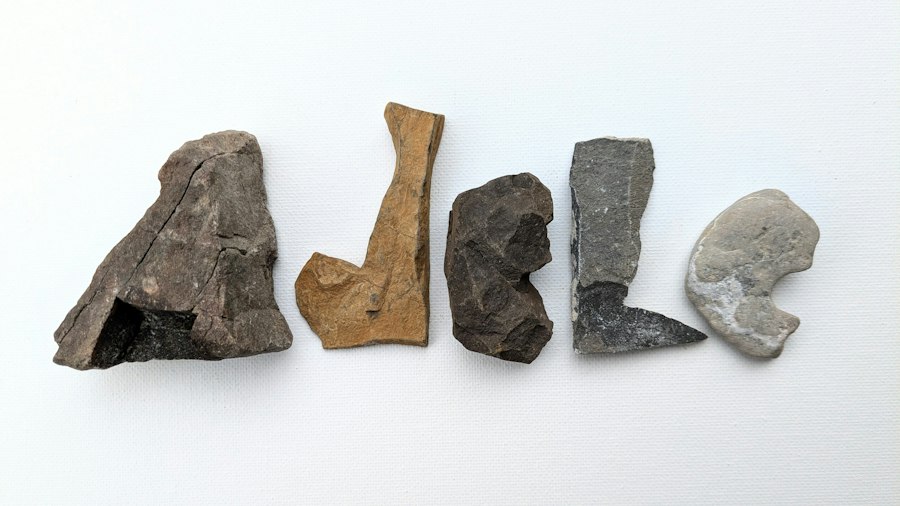
The Paleolithic world was undoubtedly infused with a sense of the sacred and the supernatural. Lacking scientific explanations for natural phenomena like storms, eclipses, or the changing seasons, early humans likely attributed these events to the actions of powerful, unseen forces. This led to the development of complex belief systems and rituals aimed at appeasing, influencing, or understanding these forces.
The Spirit World: Animism and Shamanism
It is widely theorized that Paleolithic peoples held animistic beliefs, attributing spirits or souls to natural objects and phenomena. Rivers, mountains, animals, and even rocks might have been seen as inhabited by spirits with agency and intention. This worldview would have fostered a deep respect for the natural environment and a recognition of its interconnectedness with human existence. The practice of shamanism is often posited as a central element of Paleolithic spirituality. Shamans, acting as intermediaries between the human and spirit worlds, would likely have used altered states of consciousness, induced through drumming, chanting, or psychoactive substances, to commune with spirits, diagnose illnesses, seek guidance, and perform healing rituals. The cave art, with its often otherworldly imagery and figures that blur the lines between human and animal, lends credence to the idea that these rituals were integral to their lives. The shaman’s role would have been crucial in maintaining social cohesion and navigating the uncertainties of life.
The Paleolithic era, often shrouded in mystery, offers a fascinating glimpse into the lives of our ancient ancestors and their interactions with the world around them. Recent discoveries have shed light on the cultural practices and survival strategies of these early humans, revealing a complex relationship with their environment. For those interested in exploring more about how ancient practices might inform our understanding of modern challenges, a compelling article discusses the balance between conservation and development in the context of resource exploitation in Antarctica. You can read more about this intriguing topic here.
Rites of Passage and the Cycle of Life
The fundamental transitions of human life – birth, puberty, death – were undoubtedly marked by significant rituals. While direct evidence is scarce, it is reasonable to infer that Paleolithic societies would have had elaborate ceremonies to usher individuals through these stages. Puberty rites, for instance, would have served to initiate young people into the responsibilities and knowledge of adulthood, often involving tests of endurance, instruction in hunting and survival skills, and the transmission of tribal lore. Burial practices offer another glimpse into their beliefs about the afterlife. The discovery of intentional burials, sometimes accompanied by grave goods such as tools, ornaments, or red ochre (believed by some to symbolize blood and rebirth), suggests a belief in some form of continued existence after death. The way bodies were positioned and the presence of specific artifacts hint at complex ideas about the journey to the next world and the importance of honoring the deceased.
The Power of Story and Song
As mentioned previously, oral tradition was paramount. Myths and legends were not mere entertainment; they were the living libraries of their societies. These stories would have explained the creation of the world, the origins of humanity, the exploits of ancestral heroes, and the moral codes that governed their interactions. The act of storytelling would have been a communal experience, reinforcing group identity and transmitting cultural values across generations. Songs, too, would have played a vital role in rituals, celebrations, and the commemoration of important events. The rhythm and melody of music could have served to unify groups, heighten emotional states, and facilitate the memorization of complex narratives. While we cannot hear the actual songs or witness the full power of their storytelling, we can infer their importance from their likely functions and the enduring power of narrative in human societies.
The Great Unknowns: Puzzles of Paleolithic Existence
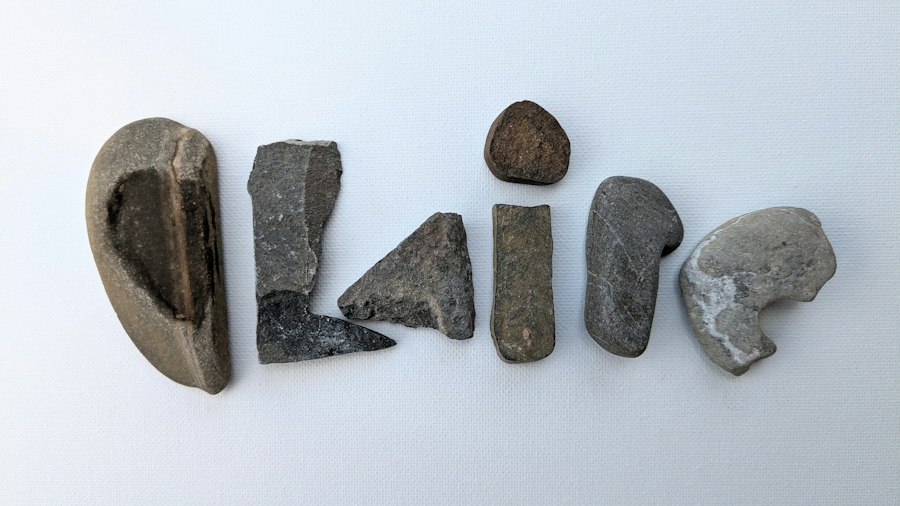
Despite advances in archaeology and paleoanthropology, vast swathes of Paleolithic life remain shrouded in mystery. The limited nature of the evidence, combined with the immense time scales involved, presents significant challenges to our understanding. These unsolved mysteries continue to fuel scientific inquiry and capture the public imagination.
The Genesis of Language: A Silent Evolution
One of the most profound and enduring mysteries is the origin of human language. While it is clear that Paleolithic peoples possessed the cognitive abilities and social structures to develop complex communication, the precise nature of their early languages remains elusive. Did they begin with simple gestures, then vocalizations, gradually evolving into more complex symbolic systems? Or was there a more rapid leap in linguistic capability? The anatomical evidence, such as the development of the vocal tract and the brain regions associated with language, provides clues, but the absence of direct linguistic artifacts leaves a significant void. Without decipherable written records, we are left to infer the sophistication of their communication based on other archaeological evidence, a challenging endeavor. The very emergence of complex thought and abstract reasoning, which language facilitates, is itself a puzzle tied to this question.
The Great Migrations: Why and How Did They Move?
The Paleolithic era witnessed extraordinary migrations of early humans across continents. From their presumed origins in Africa, they spread to populate Asia, Europe, and eventually the Americas and Australia. The driving forces behind these massive movements are still debated. Were they primarily driven by resource scarcity and population pressure, forcing them to seek new hunting grounds and territories? Or were they also motivated by curiosity, exploration, and the pursuit of better climates? The technological innovations that facilitated these journeys, such as the development of more advanced tools and perhaps early forms of watercraft, are also subjects of ongoing research. Understanding the logistics and motivations of these early migrations provides crucial insights into human adaptability, resilience, and our innate drive to explore and expand our horizons. The sheer scale of these dispersals, over vast geographical distances and diverse ecological zones, speaks volumes about the ingenuity and determination of our ancestors.
The Demise of Neanderthals and the Rise of Homo sapiens: A Tale of Two Species
The relationship between Homo sapiens and Neanderthals, our closest extinct human relatives, is a complex and often debated topic. While evidence suggests some interbreeding occurred, Neanderthals eventually disappeared, leaving Homo sapiens as the sole surviving human species. The reasons for their extinction are multifaceted and not fully understood. Were Neanderthals outcompeted by Homo sapiens for resources? Did they succumb to diseases that Homo sapiens had developed some immunity to? Or were there more subtle factors, such as differences in social organization, technological innovation, or even cultural practices, that gave Homo sapiens a decisive advantage? The ongoing study of Neanderthal DNA and their archaeological record continues to shed light on their capabilities and lifestyle, challenging earlier perceptions of them as primitive beings. The eventual dominance of Homo sapiens raises questions about what specific traits or adaptations ultimately led to our species’ unique evolutionary trajectory.
Enduring Legacies: Echoes in Modern Culture
The echoes of the Paleolithic resonate surprisingly strongly in our modern world, often in ways we might not consciously recognize. While our technologies and societies are vastly different, fundamental human needs, anxieties, and aspirations remain remarkably consistent.
The Archetypal Narratives: Stories That Still Matter
The foundational narratives that emerged from the Paleolithic likely shaped the archetypes and thematic concerns that continue to pervade human storytelling. The tales of brave hunters facing down formidable beasts, of the struggle for survival against the elements, of the mysterious workings of the natural world, and of the search for meaning and belonging are all deeply rooted in the experiences of our earliest ancestors. Many of our modern myths, legends, and even popular entertainment genres draw upon these ancient themes, suggesting a deep, perhaps instinctual, connection to the worldview forged in the Paleolithic. The hero’s journey, a common narrative structure, can be traced back to the exploits of legendary hunters and leaders who navigated perilous journeys and overcame insurmountable odds.
Our Innate Connection to Nature: A Fading but Persistent Bond
While modern society often distances us from the natural world, an underlying connection persists. The awe we feel at a majestic landscape, the comfort we find in a peaceful forest, and the primal thrill of observing wildlife all speak to a deep-seated, perhaps ancestral, affinity for the natural environment. The animistic beliefs of the Paleolithic, which saw spirits in all things, might have fostered a holistic worldview that recognized humanity’s place within a larger, interconnected web of life. The loss of this profound connection in many contemporary societies is a subject of much discussion and concern, and understanding our Paleolithic origins may offer insights into how to re-establish a more harmonious relationship with the planet. This enduring instinct to connect with nature, even in our urbanized lives, is a powerful testament to our evolutionary past.
The Unanswered Questions: Fueling Future Discovery
The enduring mysteries of the Paleolithic serve not as endpoints but as springboards for future research and discovery. Each new fossil find, each refined dating technique, each innovative analytical method brings us closer to understanding these ancient peoples. The quest to decipher their lore, to understand their beliefs, and to unravel the complexities of their existence is a testament to humanity’s insatiable curiosity and our profound desire to understand our own origins. The Paleolithic, though shrouded in time, continues to speak to us, offering glimpses of our shared humanity and the long, incredible journey that has led us to where we are today. The very act of pondering these ancient enigmas connects us, across the vast expanse of millennia, to the minds and spirits of those who first gazed at the stars from within a firelit cave.

➡️Life 20,000 Years Ago | When Strangers Claim Your Winter Shelter 🚨
FAQs
What is the Paleolithic era?
The Paleolithic era, also known as the Old Stone Age, is a prehistoric period that lasted from approximately 2.6 million years ago to around 10,000 BCE. It is characterized by the development of early human tools made from stone, as well as the emergence of hunter-gatherer societies.
What are some notable archaeological sites from the Paleolithic era?
Some significant archaeological sites from the Paleolithic era include Lascaux in France, known for its prehistoric cave paintings; Altamira in Spain, famous for its polychrome rock paintings; and Olduvai Gorge in Tanzania, which has provided crucial evidence of early human evolution and tool use.
What types of tools were used during the Paleolithic era?
Paleolithic humans primarily used stone tools, which included hand axes, choppers, and blades. These tools were made through a process called knapping, where stones were struck to create sharp edges. Over time, tool-making techniques evolved, leading to more specialized implements for hunting and gathering.
What role did art play in the Paleolithic era?
Art during the Paleolithic era served various purposes, including spiritual or ritualistic functions, communication, and social cohesion. Cave paintings, carvings, and portable art objects, such as Venus figurines, suggest that early humans expressed their beliefs, experiences, and cultural identity through artistic endeavors.
What are some mysteries surrounding the Paleolithic era?
Several mysteries remain about the Paleolithic era, including the reasons for the extinction of large megafauna, the development of complex language, and the social structures of early human groups. Additionally, the purpose of certain cave art and the exact timeline of human migration out of Africa are still subjects of ongoing research and debate among archaeologists and anthropologists.