Unearthing the Hearth: New Insights into Stone Age Family Life
For millennia, the lives of our Stone Age ancestors remained shrouded in mystery, their societal structures inferred through fragmented tools, skeletal remains, and cave paintings. However, recent groundbreaking archaeological work has begun to peel back the layers of time, offering an unprecedented glimpse into the intimate dynamics of family life during this foundational period of human history. This research, employing a sophisticated blend of paleoanthropology, genetics, and advanced imaging techniques, is radically reshaping our understanding of familial bonds, kinship systems, and the social fabric that underpinned early human societies. No longer are we solely focused on individual survival or the broad strokes of tool development; instead, archaeologists are now meticulously reconstructing the nuanced relationships that defined these ancient households, revealing a complex tapestry of cooperation, care, and social learning.
The traditional image of the Stone Age often conjures solitary hunters or small, nomadic bands. While these models hold some truth, the latest discoveries point towards more intricate domestic units, where extended families played a crucial role in survival and cultural transmission. These families were not merely biological units but also socio-economic entities, pooling resources, sharing knowledge, and providing mutual support in a world fraught with challenges. The identification of specific dwelling sites, the analysis of artifact distribution within these sites, and the genetic mapping of ancient individuals are converging to paint a remarkably detailed picture of these early family structures, moving beyond speculation to evidence-based reconstruction.
The implications of this research extend far beyond academic curiosity. Understanding how early humans organized themselves into familial units provides a crucial lens through which to examine the evolution of human social behavior, cooperation, and the very foundations of our species’ success. It allows us to trace the roots of concepts like inheritance, child-rearing practices, and the development of social hierarchies, providing a deeper appreciation for the long arc of human social evolution and the enduring significance of the family as a fundamental unit of human society.
Archaeological reconstruction of Stone Age family structures has provided fascinating insights into the social dynamics of early human communities. By examining artifacts, burial sites, and settlement patterns, researchers have been able to piece together the roles and relationships within these ancient families. For a deeper understanding of how resilience played a crucial role in the survival of early civilizations, you can explore a related article that discusses the unbreakable nature of ancient societies at this link.
The Unveiling of Domestic Spaces: Tracing Kinship Through Archaeology
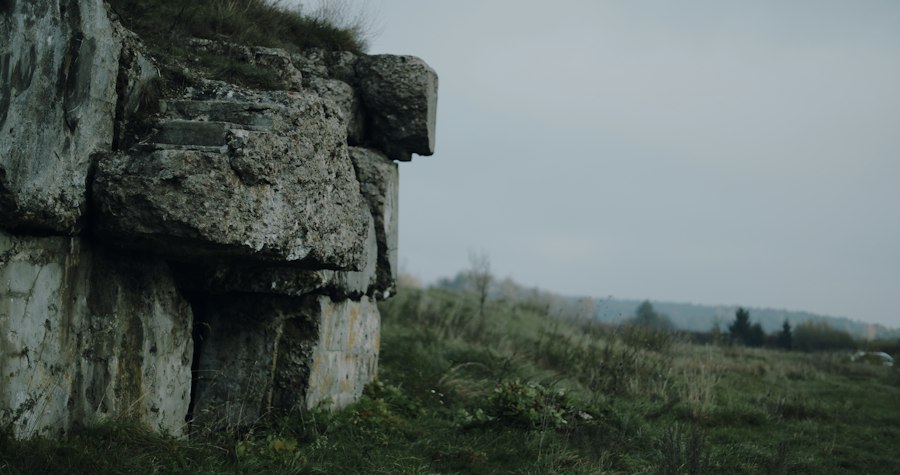
The physical remnants of Stone Age settlements offer the most direct evidence for reconstructing family structures. Excavations at various Paleolithic and Mesolithic sites have revealed not just individual tools or scattered bones, but organized living spaces that suggest the presence of distinct family units. These domestic spaces, often characterized by hearths, sleeping areas, and designated activity zones, provide a tangible context for understanding how families lived, interacted, and organized their daily lives. The careful excavation and meticulous documentation of these sites are paramount, allowing archaeologists to differentiate between communal areas and more private domestic spheres.
Hearths as Hubs of Family Activity
The central hearth, a ubiquitous feature in Stone Age dwellings, served as more than just a source of warmth and light. It was the focal point of domestic life, where food was prepared, tools were mended, and stories were shared. The proximity of artifacts to hearths, their type, and their distribution offer clues about the activities undertaken by different individuals within the family. For instance, the presence of bone fragments indicating food processing near a hearth, alongside smaller, more refined tools that might have been used by women or children, suggests a division of labor and shared domestic responsibilities. The analysis of pollen and phytoliths found around hearths can even provide insights into the types of plants consumed and processed, offering further details about diet and food procurement strategies employed by the family unit.
Spatial Organization and Differentiated Zones
The layout of living spaces within a dwelling also speaks volumes about family structure. While some Stone Age shelters might have been simple, open areas, others exhibit evidence of spatial differentiation. This could manifest as distinct sleeping platforms, separate areas for tool production, or even rudimentary partitions. The presence of such zones suggests a degree of privacy and organization within the family unit, possibly reflecting the needs of different age groups or genders. For example, an area with evidence of infant care, such as smoothed stones or remnants of soft bedding materials, found in close proximity to a primary sleeping area, would strongly indicate the presence of young children and the intimate care they received. Conversely, a separate alcove with a concentration of lithic debitage might point to a dedicated space for tool-making, possibly by a skilled individual within the family.
Accumulation and Dispersal of Artifacts
The patterns of artifact accumulation and dispersal within a dwelling can also be indicative of family dynamics. A concentration of specific types of tools, such as flint blades for butchery or bone awls for hide preparation, in a particular area might suggest the specialization of certain individuals or groups within the family. The presence of broken or discarded tools, meticulously cataloged and analyzed, can offer insights into the learning process, the transmission of skills, and the accumulation of knowledge within generations. The deliberate curation or disposal of objects, from ornamental items to functional tools, can also provide a window into the values and social relationships within the family unit.
Genetic Echoes: Unraveling Familial Ties Through Ancient DNA
The advent of ancient DNA (aDNA) analysis has revolutionized our ability to directly assess kinship and social relationships in prehistoric populations. By extracting and analyzing genetic material from skeletal remains, researchers can now identify direct familial links, reconstruct lineages, and even infer complex kinship networks that extended beyond the immediate nuclear family. This genetic evidence, when integrated with archaeological data, provides a powerful and often conclusive layer of interpretation, transforming hypotheses into demonstrable facts.
Identifying Parent-Offspring Relationships
One of the most significant contributions of aDNA analysis has been the identification of direct parent-offspring relationships. By comparing the genetic profiles of individuals found within the same burial site or dwelling, researchers can establish biological parentage with a high degree of certainty. This has allowed for the confirmation of the presence of multiple generations within family units and provided concrete evidence for the care and upbringing of children by their biological parents. For instance, finding a direct maternal or paternal link between an adult and an infant or juvenile skeletal remains within a hearth area provides irrefutable evidence of child-rearing within that specific family unit.
Mapping Wider Kinship Networks
Beyond immediate parentage, aDNA analysis can also reveal more extensive kinship networks. By examining the genetic relatedness between multiple individuals within a community, archaeologists can map out lineages, identify sibling groups, and even infer the presence of extended family clans. This has led to a more nuanced understanding of Stone Age social organization, suggesting that families were often embedded within larger kin-based groups, which likely played a crucial role in resource sharing, mutual defense, and social cohesion. The discovery of multiple individuals with a high degree of genetic similarity within a single settlement, who are not direct parent-offspring pairs, might suggest the presence of siblings, cousins, or other extended family members residing together.
Inferring Migration Patterns and Exogamy
The genetic analysis of ancient populations can also shed light on migration patterns and marriage practices. By comparing the genetic makeup of individuals from different settlements or regions, researchers can identify movements of people and infer whether marriage was primarily endogamous (within the group) or exogamous (outside the group). Evidence for exogamy, for example, could be observed in a settlement where genetic markers common to a neighboring population are found in a significant proportion of individuals, suggesting intermarriage and the integration of individuals from outside the immediate kin group. This genetic footprint can reveal how families exchanged members and how this contributed to the spread of genes, ideas, and cultural practices across broader geographical areas.
The Dynamics of Care and Cooperation: Evidence from Skeletal and Isotopic Analysis
Beyond genetics and spatial arrangement, the physical condition and chemical composition of ancient human remains offer invaluable insights into the daily lives, health, and social support systems of Stone Age families. Skeletal analysis can reveal evidence of injury, disease, and nutritional status, while isotopic analysis of teeth and bones can provide information about diet and geographical origin, indirectly informing us about the care and cooperation within family units.
Paleopathology: Signs of Nurturing and Burden
Skeletal remains can bear the marks of a life lived, including evidence of disease, trauma, and the physical demands of daily existence. The presence of healed fractures, particularly in individuals who would have been unable to contribute significantly to hunting or labor, can be a strong indicator of care and support from family members. For instance, the successful healing of a severe limb fracture in an elderly individual or a young child, without signs of infection or debilitating complications, suggests that they were cared for, provided with sustenance, and protected from further harm by their kin. Conversely, evidence of chronic malnutrition or repeated injuries without signs of healing might indicate a lack of adequate support, painting a more challenging picture of family life.
Isotopic Signatures: Diet, Mobility, and Shared Resources
Isotopic analysis, particularly of strontium and oxygen isotopes in teeth and bones, can reveal where an individual spent their formative years and what they ate. This data can be crucial for understanding family structures. If individuals within a settlement share similar isotopic signatures, it suggests they grew up in the same locale and likely consumed similar diets, implying shared resource procurement and consumption. Discrepancies, however, can reveal migration patterns or marriage practices. For example, if female skeletons in a settlement exhibit different isotopic signatures than the males and children, it could indicate that females migrated from elsewhere upon marriage, a common practice in many societies and potentially within some Stone Age family structures. The analysis of carbon and nitrogen isotopes can provide information about diet, revealing whether individuals within a family shared similar dietary staples or had access to different food sources, which could reflect social stratification or specialized roles within the family.
Dental Studies: Stress and Development Within the Family Unit
The study of teeth, particularly the analysis of enamel hypoplasias (lines indicating periods of stress during tooth development), can offer further insights into the challenges faced by children within family units. These lines can be caused by illness, nutritional deficiencies, or other significant stressors. The presence and severity of these hypoplasias in multiple children within a settlement might indicate widespread environmental or social challenges that affected the family group. Conversely, a lack of significant hypoplasias in children might suggest a stable and supportive family environment with adequate nutrition and healthcare, where the children’s development was not significantly compromised.
Recent studies in the archaeological reconstruction of Stone Age family structures have shed light on the social dynamics of early human communities. These findings suggest that kinship ties played a crucial role in survival and resource sharing among prehistoric groups. For a deeper understanding of ancient societies and their technological advancements, you might find this article on forbidden ancient technology insightful. It explores the knowledge that has been unearthed about our ancestors’ capabilities and innovations, which can provide context to the family structures of the time. You can read more about it here.
The Transmission of Culture: Learning and Socialization Within Stone Age Families
| Metric | Description | Data/Findings | Source/Method |
|---|---|---|---|
| Average Family Size | Estimated number of individuals in a typical Stone Age family unit | 4-6 members | Analysis of burial sites and dwelling sizes |
| Kinship Structure | Type of family relationships (e.g., nuclear, extended) | Predominantly nuclear with some extended kin networks | Genetic analysis of remains and spatial distribution of graves |
| Gender Roles | Division of labor and social roles by gender | Evidence of task specialization; males often hunters, females gatherers/caretakers | Tool wear analysis and ethnographic analogy |
| Child Mortality Rate | Estimated percentage of children who died before adulthood | High, approximately 30-50% | Osteological analysis of juvenile remains |
| Marriage Patterns | Evidence of monogamy, polygamy, or other mating systems | Likely monogamous or serial monogamy | Genetic diversity studies and ethnographic comparisons |
| Residence Patterns | Post-marital residence (patrilocal, matrilocal, neolocal) | Mixed evidence; some patrilocal tendencies | Isotope analysis of teeth and bones |
| Social Stratification | Presence or absence of social hierarchy within family groups | Minimal stratification; egalitarian social structure | Grave goods and settlement pattern analysis |
Beyond the biological and material aspects, Stone Age families served as the primary conduits for the transmission of essential knowledge, skills, and cultural practices from one generation to the next. The development of complex tool technologies, the understanding of edible plants and animal behavior, and the intricate social norms that governed group interaction were all learned within the intimate context of the family unit.
Skill Acquisition Through Observation and Practice
The creation of sophisticated stone tools, a hallmark of the Stone Age, was a learned skill that required extensive observation, practice, and mentorship. The presence of beginner-level tools alongside more expertly crafted ones in domestic contexts suggests that experienced individuals, likely parents or elder relatives, were actively teaching younger generations the techniques of lithic reduction. This process of informal apprenticeship within the family unit was crucial for the survival and technological advancement of these early human groups. The discovery of workshops within dwelling sites, containing a range of unfinished tools and discarded lithic material, provides a tangible record of this intergenerational skill transfer.
The Passing Down of Environmental Knowledge
Survival in the Stone Age depended on an intimate understanding of the natural environment. This included knowledge of animal behavior for hunting, the identification of edible and medicinal plants, and the awareness of seasonal changes. This ecological wisdom was passed down orally and through practical demonstration within families, equipping younger generations with the knowledge necessary to thrive. The careful analysis of faunal and floral remains found at dwelling sites, when correlated with known behaviors and properties of these resources, can offer indirect evidence of the knowledge base possessed by these families.
Social Norms and Cooperation as Learned Behaviors
The complex social dynamics and cooperative behaviors that characterized Stone Age societies were also learned within the family. This included understanding roles, responsibilities, conflict resolution, and the protocols for group interaction. While direct evidence for the teaching of social norms is elusive, the consistent patterns of behavior observed in archaeological sites, such as evidence of shared labor or organized communal activities, suggest that these were ingrained through familial socialization. The degree of cooperation evident in large-scale hunting efforts or the construction of shelters, for instance, points to a deeply ingrained understanding of collective responsibility learned from a young age within the family structure.
Recent studies in archaeological reconstruction have shed light on the family structures of the Stone Age, revealing complex social dynamics that challenge previous assumptions. For a deeper understanding of how these early communities may have functioned, you can explore a related article that discusses the legal frameworks surrounding resource management in modern contexts, which can provide interesting parallels to ancient societal organization. This insightful piece can be found here.
Redefining the Ancient Household: Broader Implications for Human Social Evolution
The archaeological reconstruction of Stone Age family structures is not merely an academic exercise; it has profound implications for our understanding of human social evolution. It suggests that the family, in its various forms, has been a foundational element of human society since its earliest stages, playing a critical role in our species’ remarkable adaptability and success. By moving beyond simplistic models, this research provides a more nuanced and accurate portrayal of our ancestors, highlighting their capacity for complex social organization, deep emotional bonds, and the sophisticated transmission of knowledge.
The Evolutionary Advantage of Kin-Based Societies
The evidence for strong familial and kin-based structures suggests that these arrangements provided significant evolutionary advantages. Cooperative living facilitated more efficient resource procurement and sharing, enhanced the protection of vulnerable individuals (children, the elderly, the sick), and fostered the development of complex social learning, which was critical for technological innovation and cultural adaptation. These tightly knit family units likely contributed to the resilience and success of early human populations as they expanded into diverse environments.
The Deep Roots of Human Sociality and Empathy
Understanding the intimate dynamics of Stone Age family life sheds light on the evolutionary origins of human sociality, empathy, and altruism. The care extended to offspring, the support for elderly or infirm relatives, and the cooperative endeavors observed within these groups all point to a deep-seated capacity for emotional connection and mutual concern that likely predates the emergence of modern humans. These ancient familial bonds may represent the earliest expressions of the social instincts that are so central to human identity today.
Challenging Assumptions About “Primitive” Societies
This ongoing research challenges simplistic and often pejorative notions of “primitive” societies. Instead, it reveals Stone Age families as complex, dynamic entities with sophisticated social structures, rich emotional lives, and effective mechanisms for transmitting knowledge and culture. It underscores the continuity of human social experience across vast stretches of time, demonstrating that many of the fundamental principles of family organization and social cooperation have deep evolutionary roots. This ongoing archaeological endeavor continues to redefine our perception of the past, bringing us closer to understanding the very essence of what it means to be human.

➡️Life 20,000 Years Ago | When Strangers Claim Your Winter Shelter 🚨
FAQs
What is archaeological reconstruction of Stone Age family structure?
Archaeological reconstruction of Stone Age family structure involves analyzing artifacts, settlement patterns, and burial sites to infer the social organization and familial relationships of prehistoric communities. Researchers use evidence from tools, housing remains, and skeletal analysis to understand how families lived, interacted, and organized themselves during the Stone Age.
What types of evidence do archaeologists use to study family structures in the Stone Age?
Archaeologists utilize various types of evidence, including artifacts such as tools and pottery, architectural remains of dwellings, burial practices, and the spatial arrangement of living areas. Additionally, they may analyze human remains to determine age, sex, and health, which can provide insights into family roles and dynamics.
How do burial practices inform us about Stone Age family structures?
Burial practices can reveal a great deal about family structures, as they often reflect social hierarchies, kinship ties, and community values. The presence of grave goods, the positioning of bodies, and the location of burial sites can indicate familial relationships and the importance of individuals within their social groups.
What challenges do researchers face in reconstructing Stone Age family structures?
Researchers face several challenges, including the limited availability of direct evidence, the potential for misinterpretation of artifacts, and the difficulty of applying modern concepts of family to prehistoric societies. Additionally, environmental factors and the passage of time can complicate the preservation of archaeological sites and materials.
How has our understanding of Stone Age family structures evolved over time?
Our understanding of Stone Age family structures has evolved significantly due to advancements in archaeological methods, interdisciplinary approaches, and new theoretical frameworks. As more evidence is uncovered and analyzed, researchers have shifted from viewing prehistoric societies as strictly nuclear families to recognizing the complexity and diversity of social arrangements, including extended families and communal living.